
Puppy Care: Simple Tips for a Happy, Healthy Pup
Bringing a new puppy home is exciting, but it can feel overwhelming when you’re not sure what to do first. The good news? Most puppy worries boil down to three things: where they sleep, how they behave at night, and how they grow. Below you’ll find straight‑forward advice that you can start using tonight.
Crate & Sleep Basics
Most owners swear by a crate because it gives the pup a safe den‑like space. If you’re wondering whether to cover the crate at night, a light blanket or a breathable cover can help a nervous pup feel secure without trapping heat. Just make sure the cover doesn’t touch the floor and that you can see the pup if needed.
Should you lock the crate during the day? Short periods (30‑60 minutes) are fine for puppies who can hold it that long. Longer locks can lead to anxiety, especially if the pup needs a bathroom break. Keep an eye on their bathroom schedule and let them out before they’re too uncomfortable.
Lights off? Most puppies sleep best in low‑light conditions because it mimics a den. A dim night‑light works if you need to check on them, but a bright room can keep them alert and cause restless whining.
When the puppy whines or barks in the crate, pause and listen. A quick check for a need to go outside is wise. If the pup is just a little restless, give them a minute to settle on their own. Over‑responding can teach them that crying gets attention, while occasional calm ignores help them learn that the crate is a safe spot.
Growth & Development Milestones
Kids think puppies grow overnight, but there are clear stages. Small breeds often hit adult size by 9‑12 months, medium breeds around 12‑15 months, and large breeds can take up to 18‑24 months. During these phases you’ll see changes in energy, chewing, and even temperament.Watch for the “puppy‑to‑adult” switch: the puppy’s jaw gets stronger, they may start testing boundaries more, and sleep patterns shift. Keep training consistent and increase mental stimulation – puzzle toys, short fetch sessions, and gentle obedience drills work well.
If your pup cries at night, first rule out basic needs: bathroom, hunger, or temperature. If those are fine, try a calming routine – a short walk, a gentle brush, and a consistent bedtime cue (like a soft word). Over time the pup will associate the cue with sleep and cry less.
First‑night sleep arrangements set the tone. Choose a comfy bed or blanket inside the crate, place it in a quiet corner, and keep the area free of drafts. A familiar scent – a shirt you’ve worn – can calm a nervous pup and make the new space feel like home.
Remember, each puppy is an individual. Some will love a covered crate, others will hate it. Some will sleep in total darkness, others need a tiny night‑light. The key is to observe, try one change at a time, and watch how your pup reacts.
By focusing on safe sleeping spots, responding wisely to nighttime cries, and understanding growth milestones, you’ll build trust and set a solid foundation for a well‑behaved dog. Keep the advice simple, stay patient, and enjoy watching your new companion grow into a confident adult.
 24 August 2026
- Morgan Ainsworth
- 0 Comments
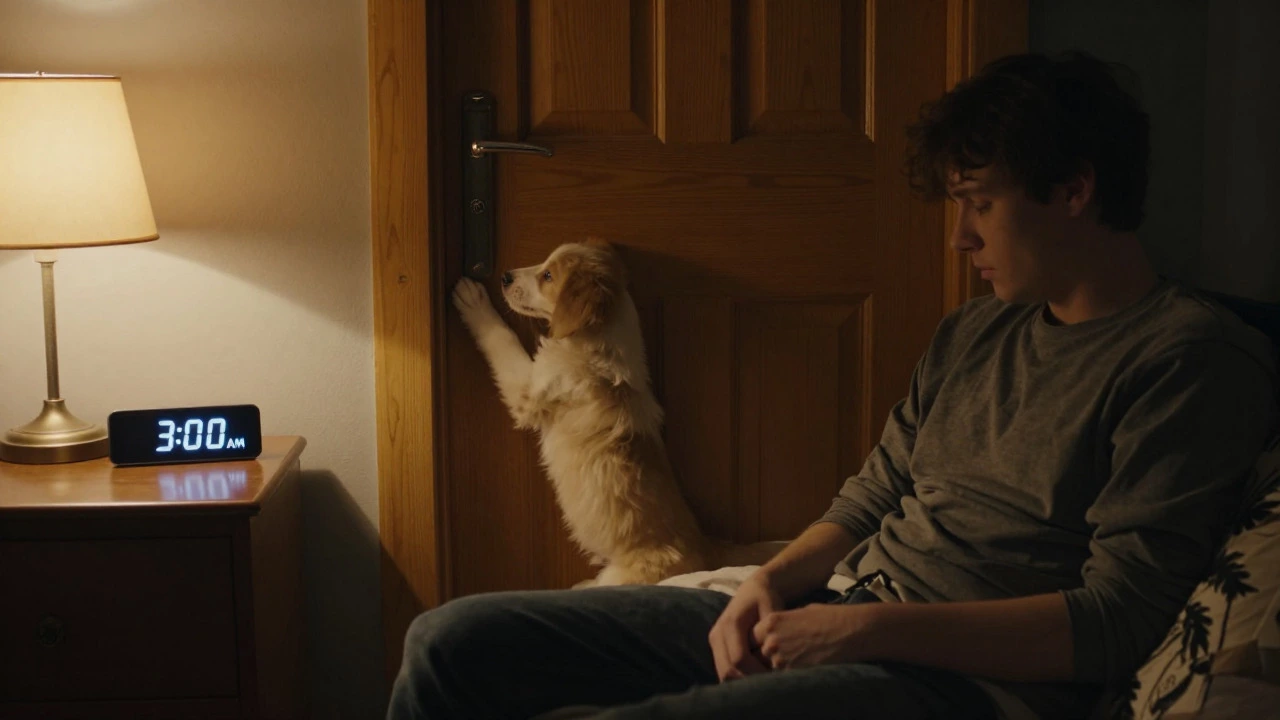
How Many Times a Night Should I Take My 8-Week-Old Puppy Out? A Guide
Wondering how often to take your 8-week-old puppy out at night? Learn the standard 2-break schedule, routine tips, and how to decode whining signals for successful house training.
View More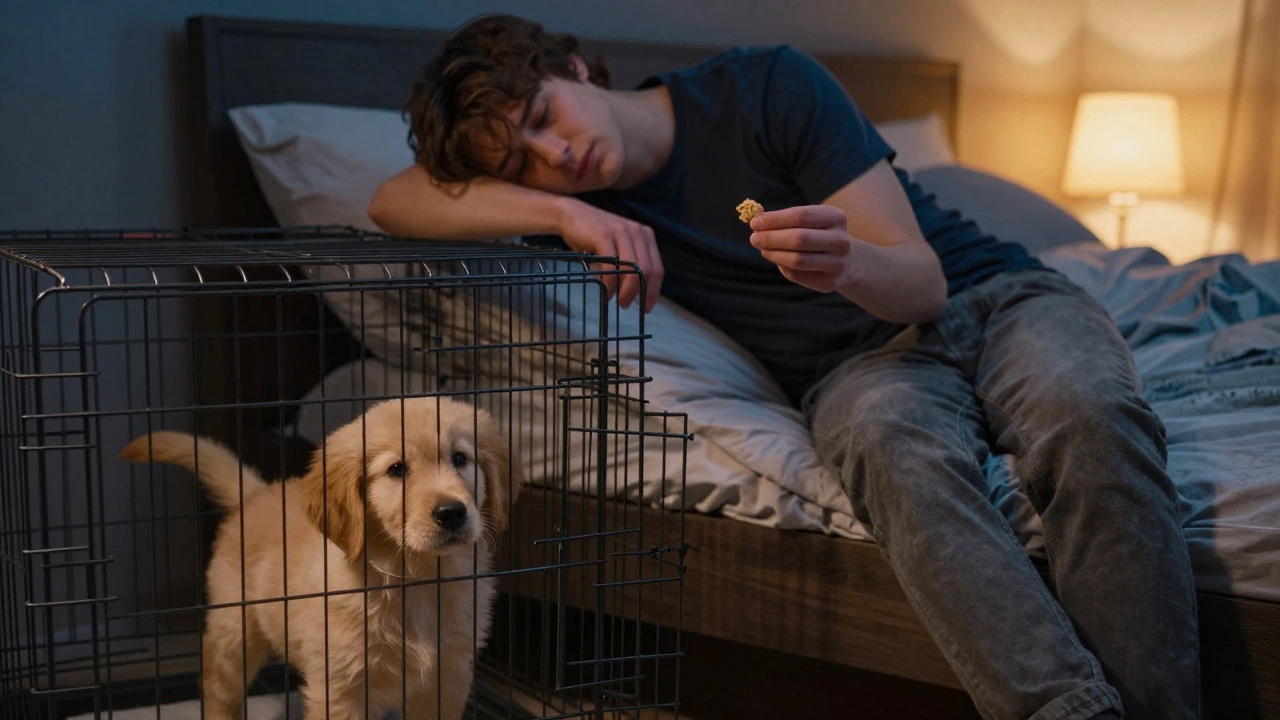 17 August 2026
- Morgan Ainsworth
- 0 Comments
Should a Puppy Sleep in a Crate? A Practical Guide for New Owners
Learn whether your puppy should sleep in a crate, how to choose the right size, and tips for successful house training. Discover common mistakes to avoid and when to transition to an open bed.
View More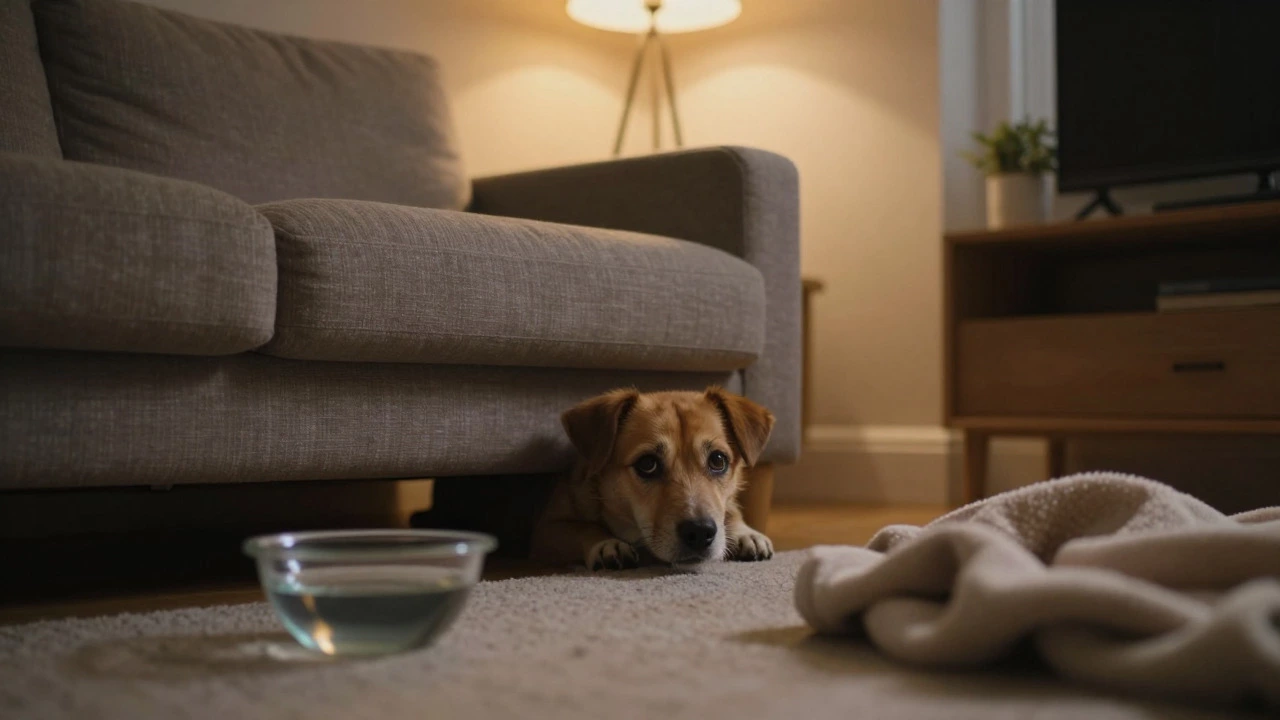 13 August 2026
- Morgan Ainsworth
- 0 Comments
The 3-3-3 Rule for New Dogs: A Survival Guide for the First Month
Learn the 3-3-3 rule for new dogs to navigate the first three months of adoption. Understand the phases of decompression, testing, and trust-building to ensure a smooth transition for your puppy.
View More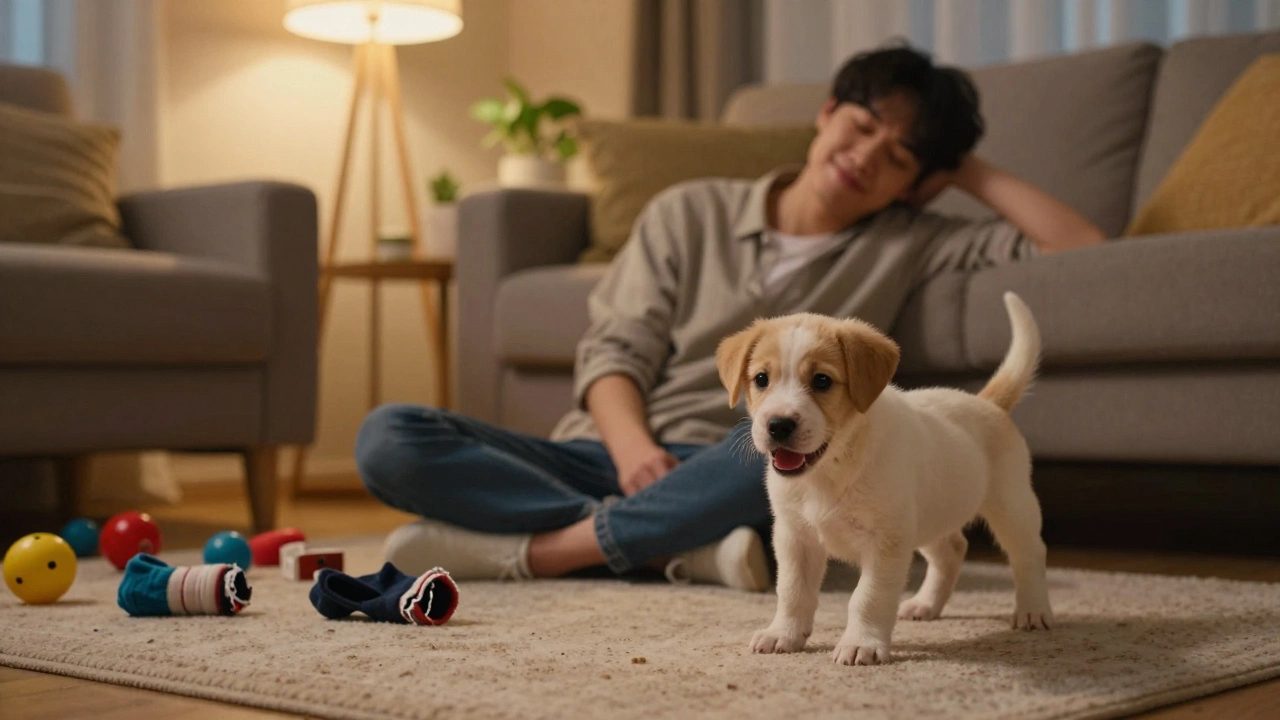 12 July 2026
- Morgan Ainsworth
- 0 Comments
What Age Do Puppies Get Easier? A Realistic Timeline for Chewing, Biting & Sleep
Discover exactly when puppies get easier, from teething chaos to adolescent rebellion. Learn realistic timelines for biting, sleep, and training milestones.
View More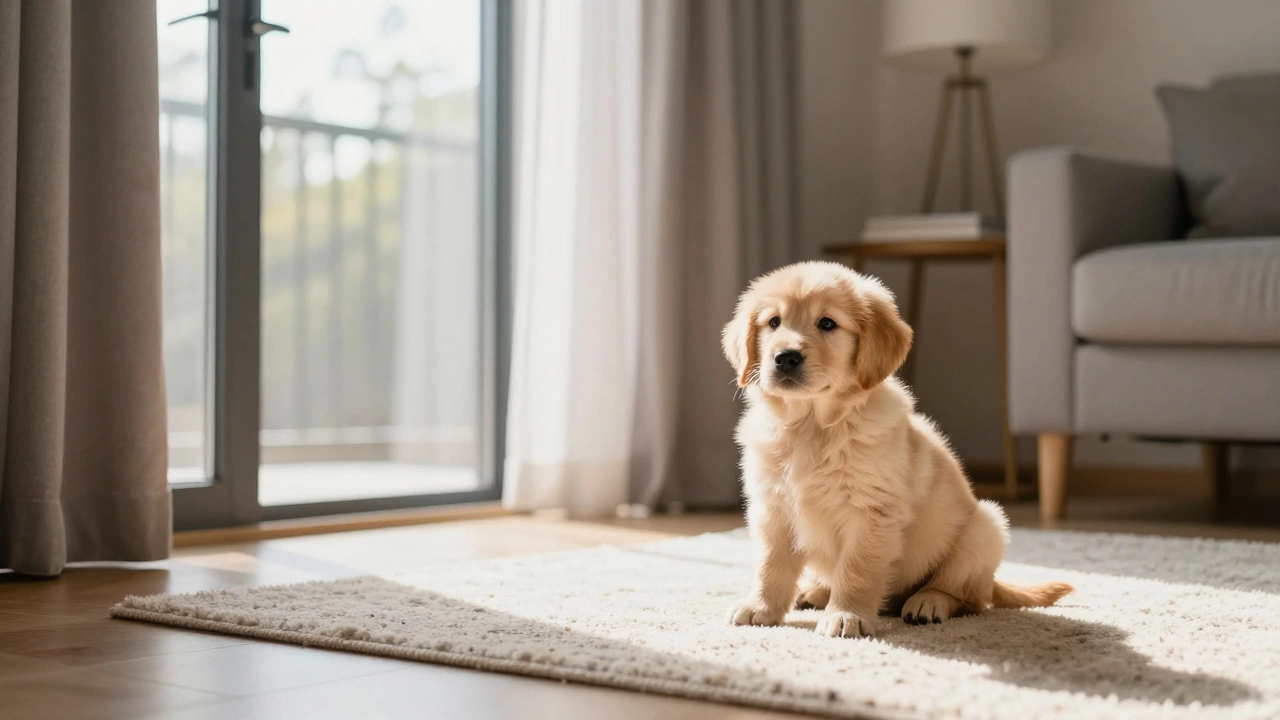 6 July 2026
- Morgan Ainsworth
- 0 Comments
What Not to Do When Bringing a Puppy Home: 10 Mistakes to Avoid
Avoid these common mistakes when bringing a puppy home. Learn how to prevent stress, potty issues, and behavioral problems with expert advice on socialization, feeding, and training.
View More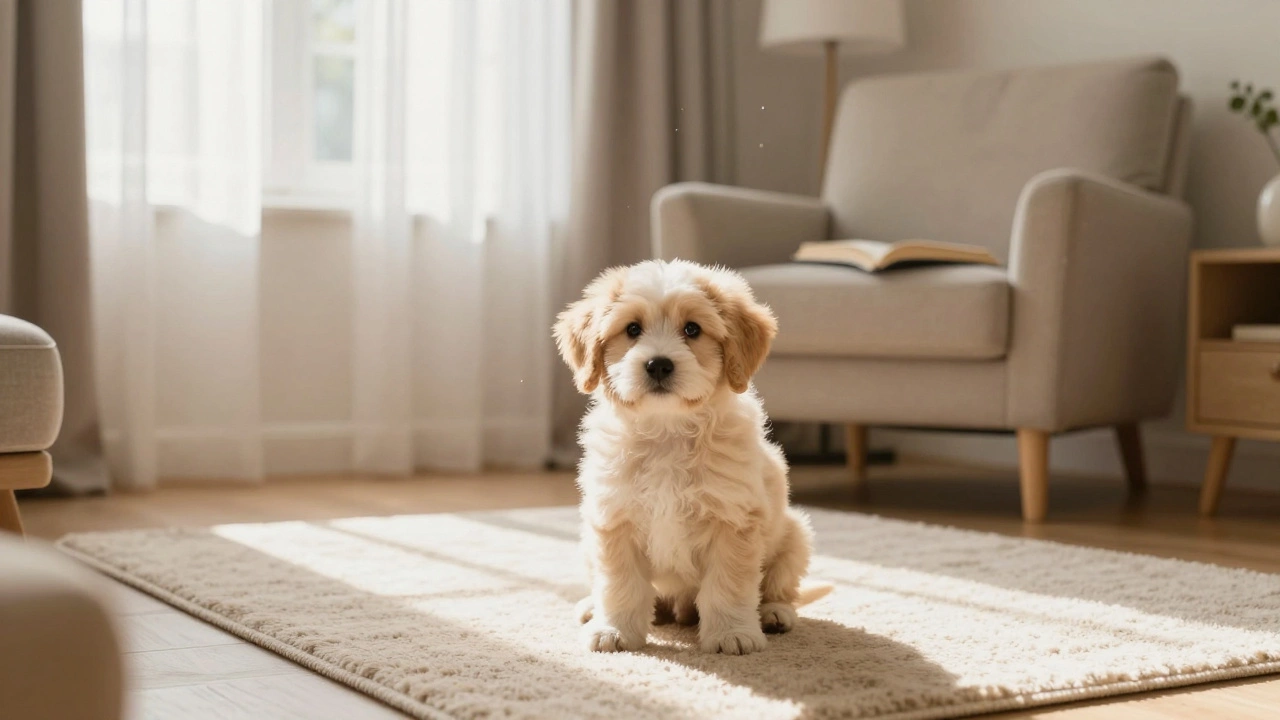 5 July 2026
- Morgan Ainsworth
- 0 Comments
How to Survive the First 48 Hours with a New Puppy: A Stress-Free Guide
Surviving the first 48 hours with a new puppy requires patience, routine, and low expectations. Learn how to crate train, manage potty breaks, and establish a sleep schedule to reduce stress for both you and your new pet.
View More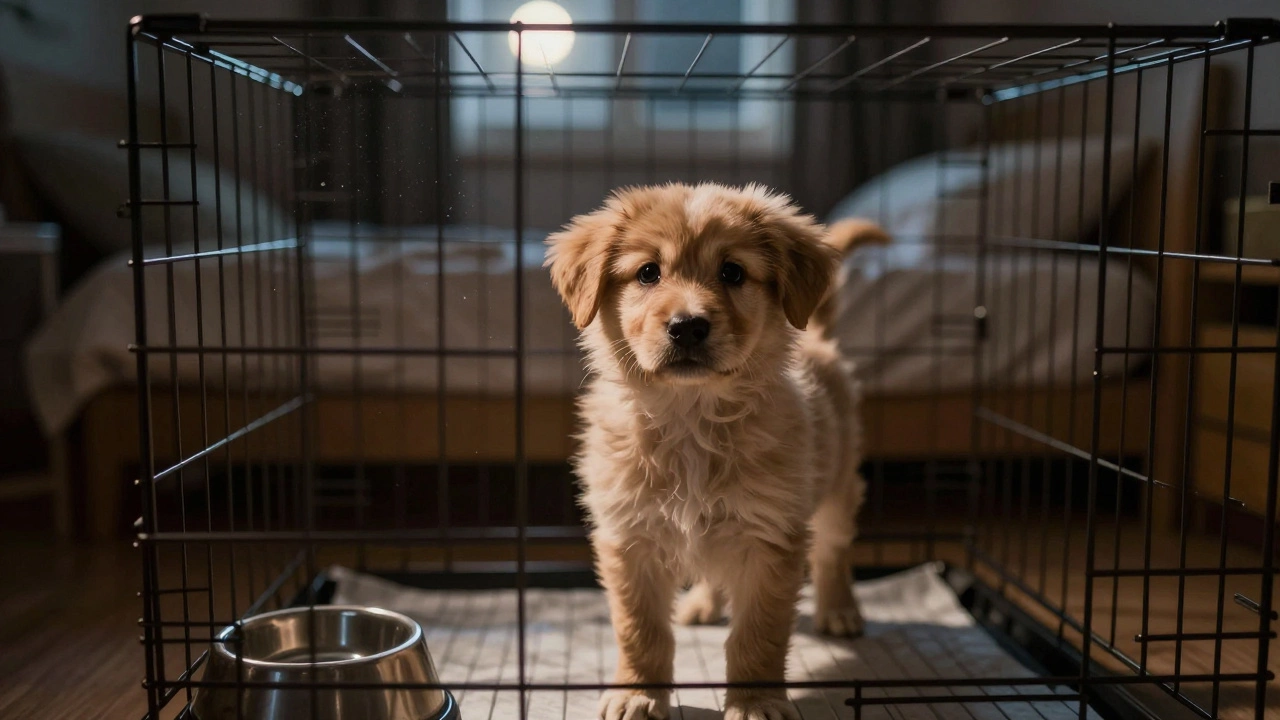 21 June 2026
- Morgan Ainsworth
- 0 Comments
Should I Put a Water Bowl in My Puppy's Crate at Night? The Safe Guide
Deciding whether to leave water in your puppy's crate at night is tricky. Learn the safe guidelines for hydration, potty training, and crate safety to ensure your puppy sleeps soundly and stays healthy.
View More 20 June 2026
- Morgan Ainsworth
- 0 Comments
Can I Leave a Puppy Alone for 8 Hours? The Honest Truth & Survival Guide
Leaving a puppy alone for 8 hours is unsafe due to bladder limits and anxiety risks. Learn practical solutions like dog walkers, daycare, and essential puppy toys to keep your dog happy and healthy while you work.
View More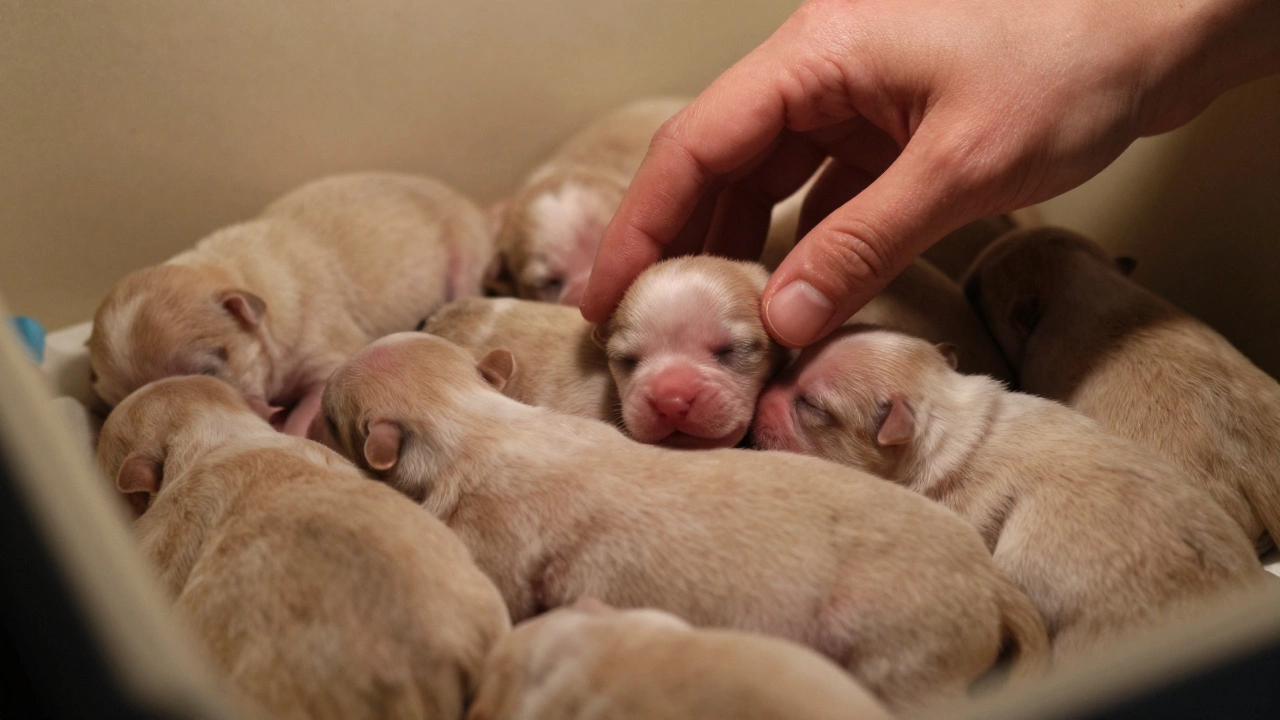 11 June 2026
- Morgan Ainsworth
- 0 Comments
Can You Touch 3-Day-Old Puppies? A Guide to Safe Handling and Stimulation
Learn how to safely handle 3-day-old puppies. Discover myths about human scent, proper stimulation techniques, and signs of distress in newborn dogs.
View More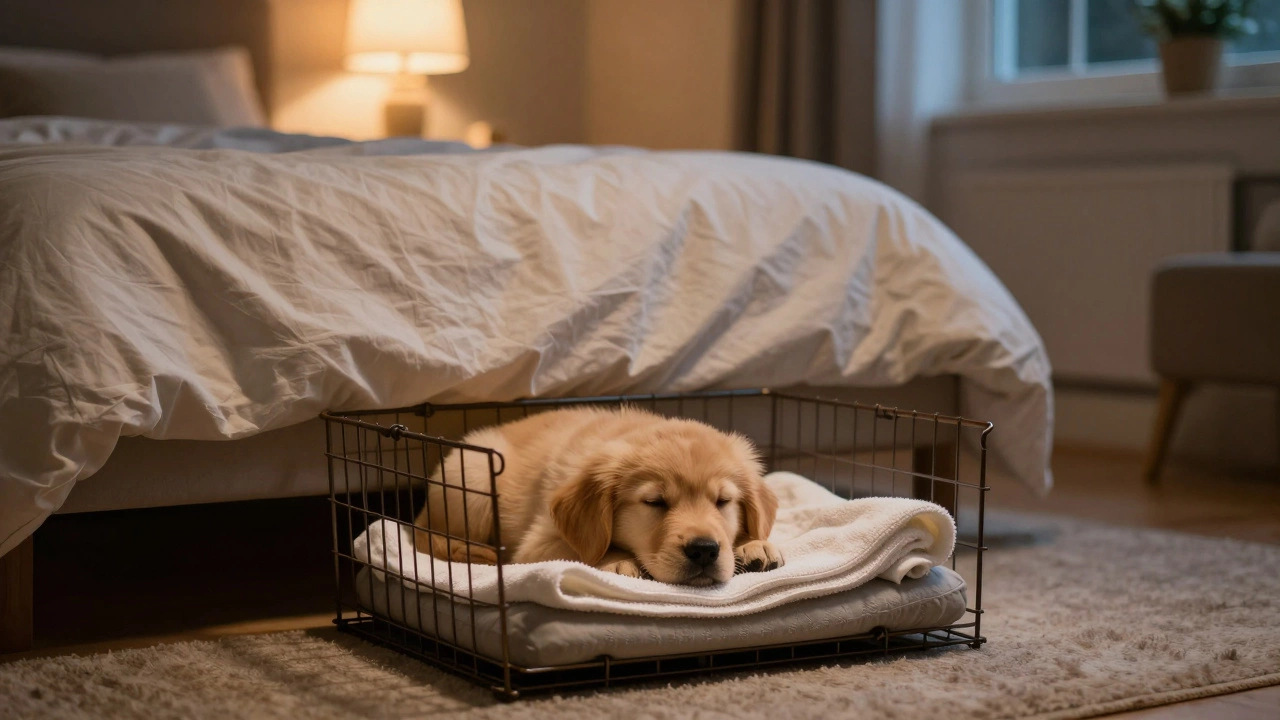 8 June 2026
- Morgan Ainsworth
- 0 Comments
Where to Put Your 8-Week-Old Puppy at Night: Sleep Setup Guide
Discover the best setup for your 8-week-old puppy's sleep. Learn why crate training near your bed works, how to use toys for calming, and routines to ensure peaceful nights.
View More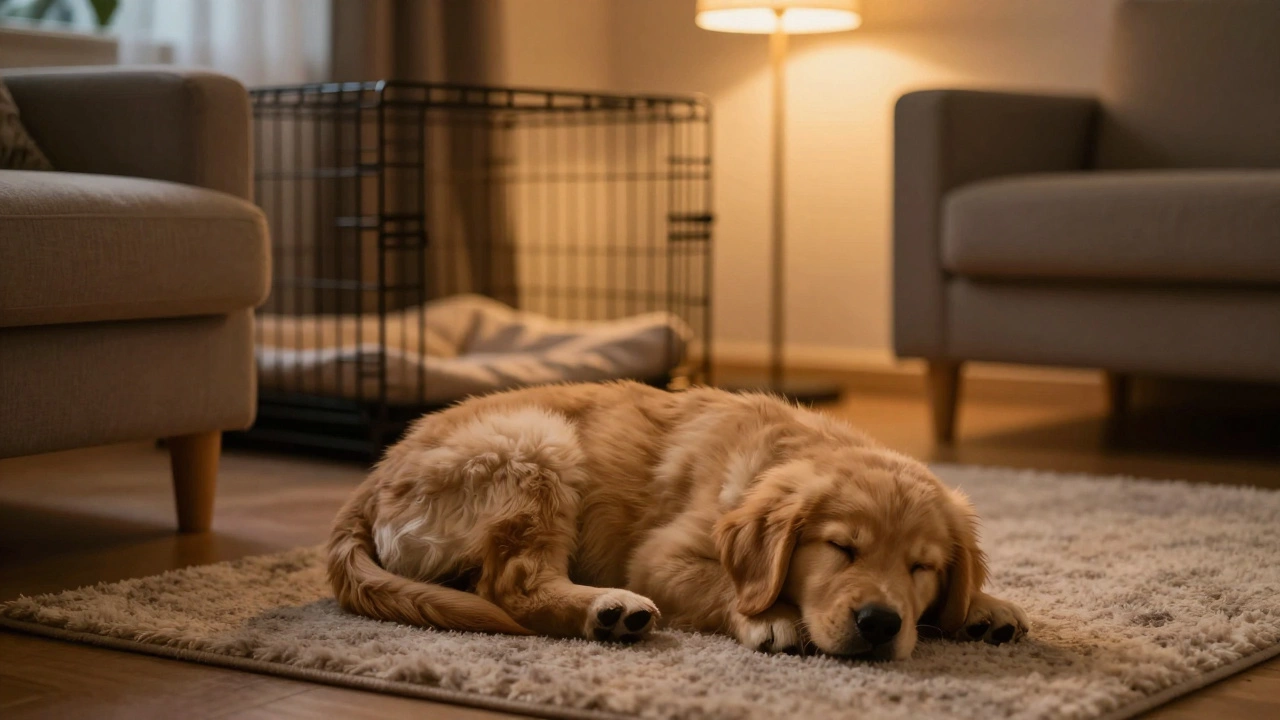 4 June 2026
- Morgan Ainsworth
- 0 Comments
Should I Put My Puppy in His Crate If He Falls Asleep? A Complete Guide
Learn why moving a sleeping puppy to their crate is essential for house training and behavioral health. Discover gentle techniques to transfer your pup without waking them, avoid common mistakes, and build a positive association with crate time.
View More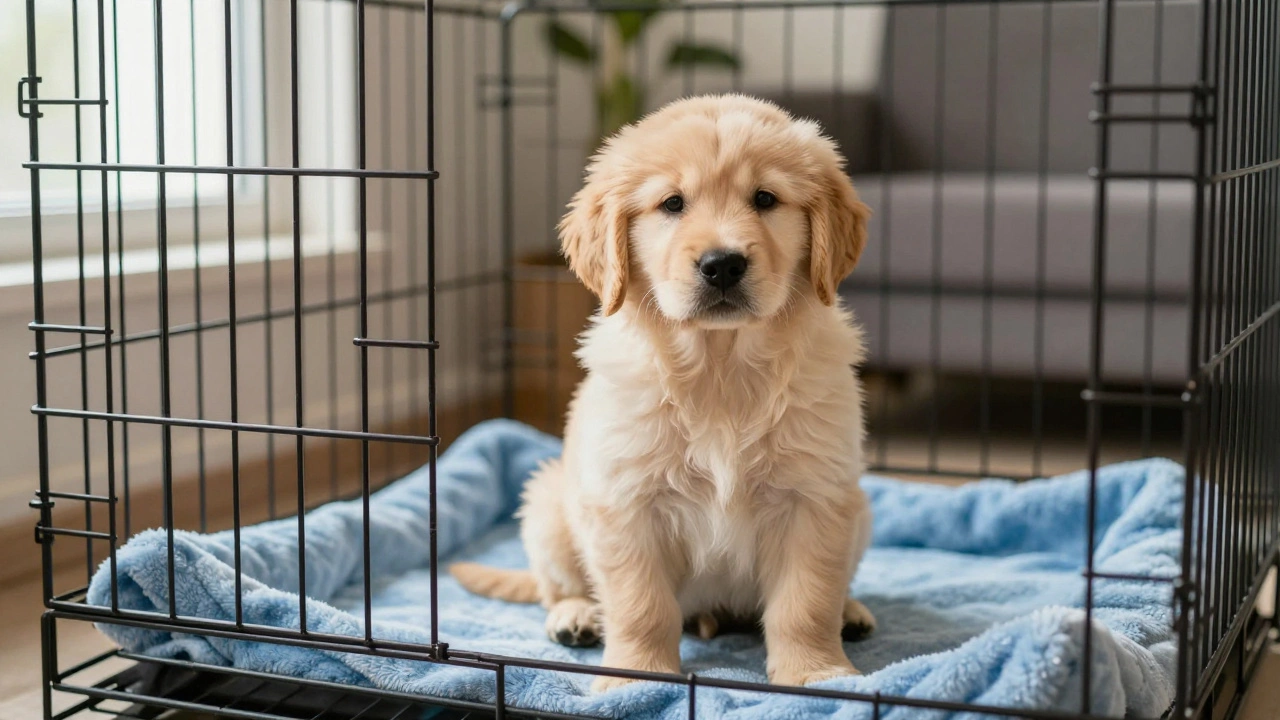 24 May 2026
- Morgan Ainsworth
- 0 Comments
Crate vs. Pen for Puppies: Which Is Best When You Leave Home?
Deciding between a crate and a pen for your puppy? Learn the pros, cons, and best practices for each method to ensure safety, comfort, and successful house training when you're away.
View More