Puppy Development & Ease Estimator
Newborn Chaos Phase
High energy, high maintenance, low sleep.
Your puppy is currently in the "survival mode" phase. Expect frequent night wakings (every 2-3 hours) and intense biting as they explore the world with their mouth. Consistency is key here.
There is a specific moment every new dog owner waits for. It usually happens around 3:00 AM when your eyes are burning, or while you’re trying to eat lunch without something chewable landing in your soup. You just want to know: what age do puppies get easier? The short answer is that the chaos doesn’t vanish overnight, but it does shift. The wild, unpredictable energy of the first few months settles into manageable routines by the time they hit adolescence.
Most owners feel a distinct turning point between four and six months. This isn’t magic; it’s biology and behavior meeting. By this age, your puppy has finished their core vaccination series, meaning they can finally explore the real world. Their teeth have mostly come in, so the painful teething phase is winding down. More importantly, they have learned enough about boundaries that they stop testing them constantly. If you’ve been consistent with training, the fog lifts here. You start seeing the adult dog peeking through the fur.
The Teething Phase: Why Everything Disappears
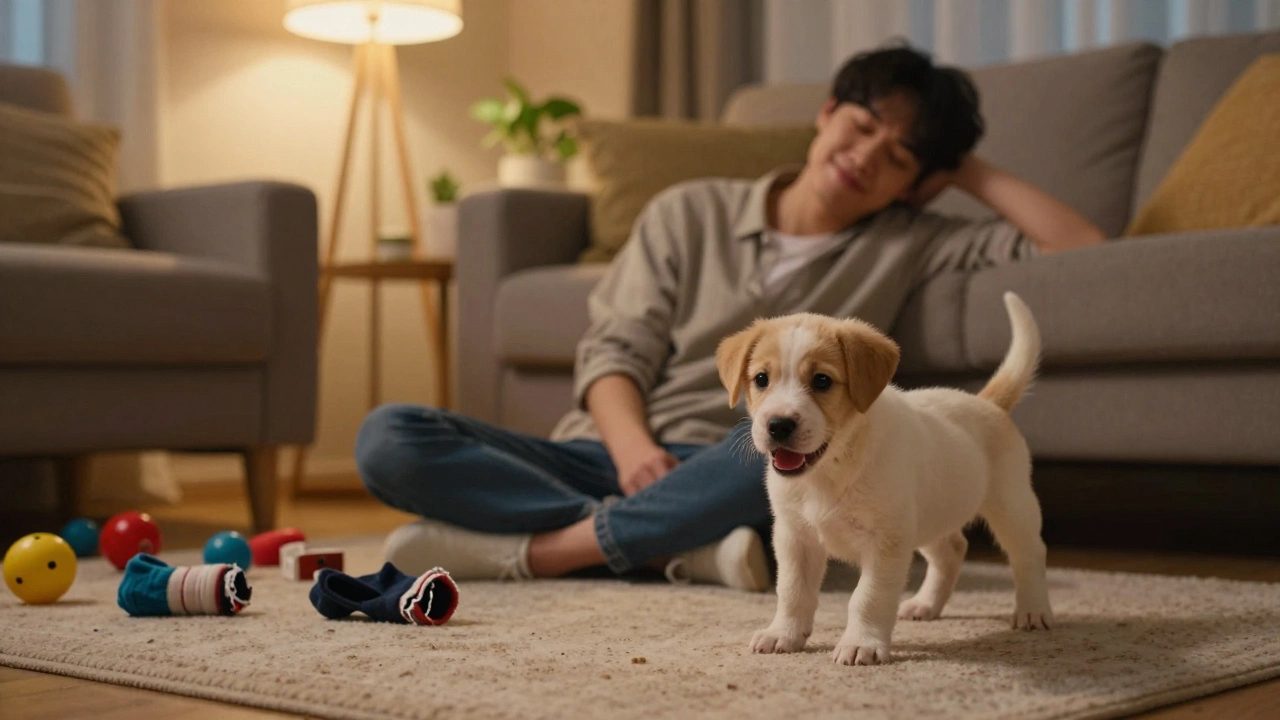
If you are currently living in a house where socks have developed legs and run away, you are likely in the thick of teething. This is the primary reason puppies seem impossible to manage between three and six months. Their baby teeth fall out, and adult teeth push through. It hurts. To cope, they chew on anything within reach-your shoes, the sofa leg, your ankles.
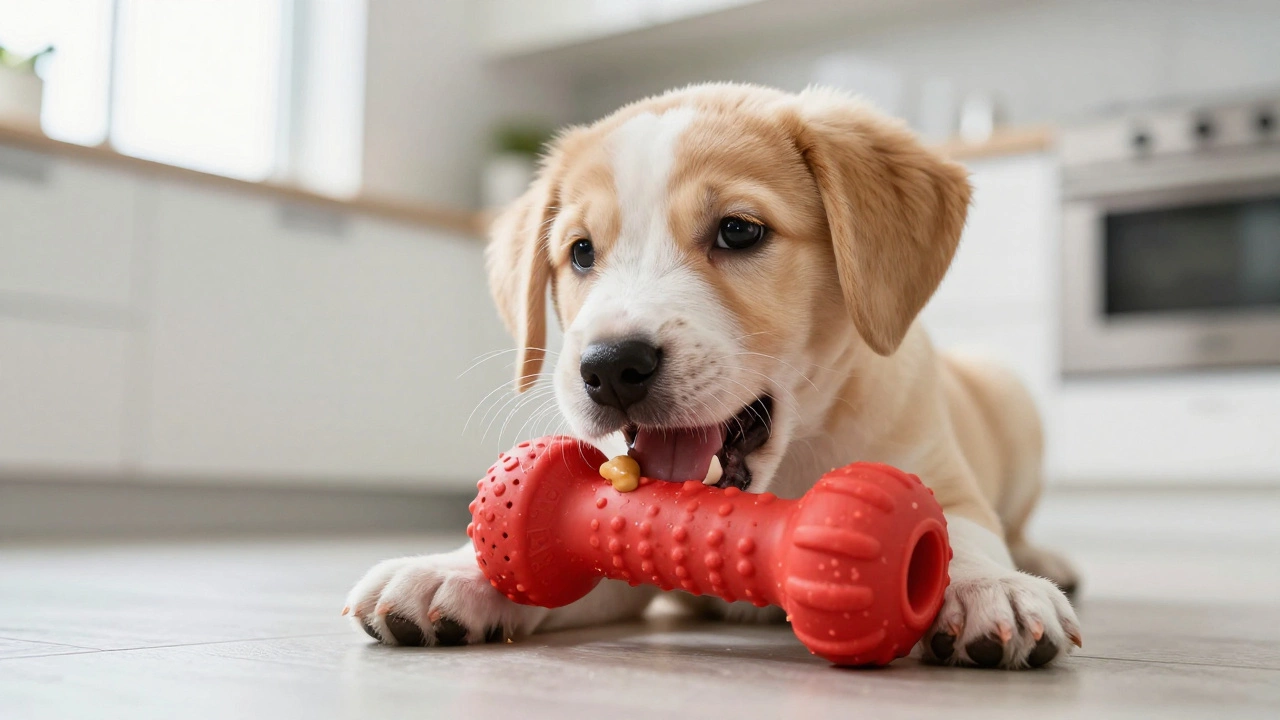
This is where puppy toys become more than just entertainment; they are survival tools. You need durable options like rubber chew toys designed for strong jaws. Brands like Kong make toys that can be stuffed with peanut butter or frozen treats, keeping the puppy occupied for hours. Without these outlets, the puppy will choose your furniture because it offers resistance and satisfaction. Switching from soft plushies to hard rubber or nylon chews at four months helps redirect that instinctual chewing drive safely.
Teething typically peaks around four months. Once those adult molars are fully set, the urge to gnaw on everything diminishes significantly. They still chew, but it becomes less frantic and more selective. This is the first major milestone where life gets easier.
Sleep Patterns: From Nightmares to Naps
Another huge factor in why early puppyhood feels exhausting is sleep disruption. Newborns and young puppies cannot hold their bladder for long. A common rule of thumb is that a puppy can hold their pee for one hour per month of age, up to a certain point. So, an eight-week-old puppy might only last two to three hours. That means multiple nighttime wake-ups.
By four to five months, most puppies can sleep through the night (about eight to ten hours) without needing a bathroom break. This single change transforms your quality of life. You stop waking up at 3:00 AM. Your partner stops blaming you for not letting the dog out. The puppy also starts sleeping more during the day, rather than demanding constant play. They learn that bed time is quiet time. Establishing a crate routine early helps cement this habit. When the puppy associates the crate with safety and rest, they settle faster.
The Adolescent Slump: Why It Gets Harder Again
Here is the twist that catches many owners off guard. Just as things seem to be getting better around six months, they can get worse again. This is the adolescent phase, often called the "teenager" stage. It lasts from roughly six months to eighteen months.
During this time, hormones kick in. Even if your puppy is neutered or spayed, the behavioral shifts occur. They may suddenly forget commands they knew perfectly. They test limits harder. They might jump higher, pull harder on the leash, and bark more. This is not regression; it is development. The puppy is growing into a confident young adult and needs to understand what holds true now that they are bigger and stronger.
To navigate this, consistency is key. Go back to basics. Reward calm behavior. Ignore attention-seeking barking. Use high-value treats for recall training. This phase requires patience, but it is different from the chaotic helplessness of the newborn stage. You have more control now because the dog is physically capable of following instructions, even if they are emotionally reluctant.
Socialization and Confidence Building
A big part of why puppies get easier is socialization. In the first three months, puppies are in a critical learning window. If they haven't been exposed to different sounds, surfaces, people, and other dogs, they may become fearful or reactive later. Fearful dogs are harder to manage because they are stressed.
Once the vaccination series is complete (usually around 16 weeks), you can take your puppy to puppy parks, busy streets, and pet-friendly cafes. Seeing the world without fear makes them calmer at home. A well-socialized puppy is curious, not anxious. They don't freak out when the vacuum cleaner runs or when a stranger walks by. This confidence translates to easier daily management. You spend less time soothing anxiety and more time enjoying companionship.
Training Milestones That Change Daily Life
Training doesn't happen all at once, but certain milestones mark significant improvements in ease:
- Potty Training (4-6 months): Accidents drop dramatically. You no longer need to watch them like a hawk.
- Impulse Control (6-9 months): They learn to wait before eating, jumping, or greeting people. This reduces destructive behavior.
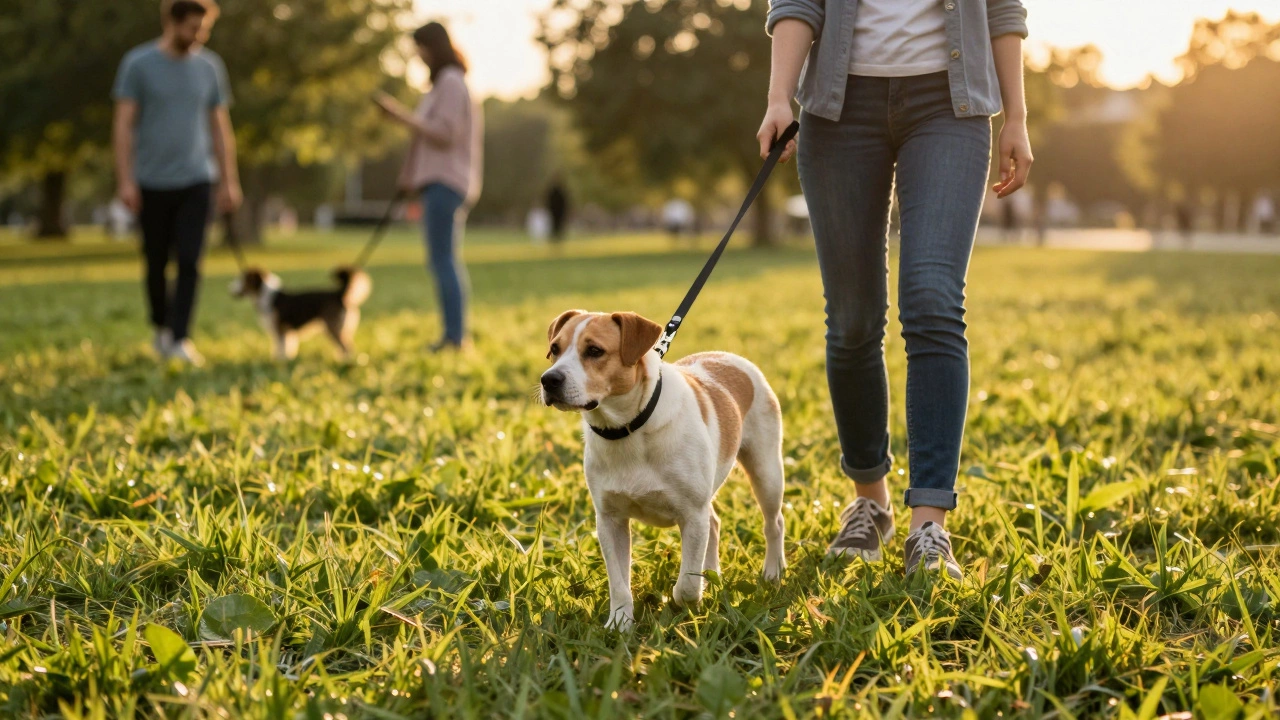
- Leash Walking (8-12 months): Pulling decreases as they gain focus and strength to walk beside you.
- Recall (12+ months): They come when called, allowing for off-leash freedom in safe areas.
Each of these skills removes a layer of stress. When a dog knows how to behave in various situations, the owner relaxes. A relaxed owner creates a positive feedback loop, making the dog even calmer.
| Age Range | Key Challenges | Ease Level (1-10) | Recommended Action |
|---|---|---|---|
| 8-12 Weeks | Night wakings, biting, accidents | 2/10 | Crate training, bite inhibition games |
| 3-6 Months | Teething, chewing, boundary testing | 4/10 | Durable puppy toys, consistent rules |
| 6-9 Months | Adolescent rebellion, distraction | 5/10 | Refresher training, socialization |
| 9-12 Months | Hormonal changes, increased energy | 7/10 | Mental stimulation, exercise |
| 12+ Months | Adult maintenance, occasional stubbornness | 9/10 | Enjoy companionship, advanced tricks |
Choosing the Right Tools for Transition
As your puppy grows, their needs change. The squeaky toy they loved at eight weeks might be destroyed in seconds at six months. Upgrading to tougher materials prevents frustration and mess. Look for toys labeled for "power chewers" or "teething." Interactive puzzle feeders also help burn mental energy, which is just as tiring as physical exercise. A tired puppy is a good puppy.
Additionally, consider using a harness instead of a collar during the pulling phase. It gives you better control without hurting the dog's neck. As they mature, you can transition to a standard collar if they walk politely. These small adjustments make handling the dog less stressful for everyone involved.
When to Expect Full Adulthood
True adulthood, where the dog is mentally and physically settled, usually arrives between one and two years of age. Small breeds mature faster, often settling by twelve months. Large and giant breeds can take up to two or even three years to fully calm down. During this final stretch, you’ll notice fewer zoomies, more cuddling, and a deeper bond. The dog understands their role in the family and responds reliably to cues.
This stage is the reward for all the earlier hard work. The nights are quiet, the floors are clean, and the walks are enjoyable. You’ve moved from surviving puppyhood to thriving with a companion.
At what age do puppies stop biting?
Most puppies significantly reduce biting by four to six months old. This coincides with the end of the teething phase. Consistent training, such as redirecting bites to appropriate puppy toys, speeds up this process. If biting continues past six months, it may indicate a lack of impulse control training or underlying anxiety.
Why does my puppy act worse at 6 months?
This is normal adolescent behavior. Hormones are changing, and the dog is testing boundaries. They may ignore commands they previously knew. Stay consistent with training, increase exercise, and use high-value rewards to regain focus. This phase typically passes by nine to twelve months.
Do large breed puppies get easier later?
Yes, large and giant breeds mature slower than small breeds. While a Chihuahua might settle by one year, a Great Dane may not fully calm down until two or three years old. Patience is crucial during their extended adolescence, as they have more energy and size to manage.
How can I help my puppy sleep through the night?
Establish a consistent bedtime routine. Exercise the puppy before bed, then provide a potty break right before crating. Ensure the crate is comfortable and located near your bedroom initially. Most puppies can sleep through the night by four to five months if their bladder capacity allows.
What are the best puppy toys for teething?
Look for durable rubber toys like Kongs or Nylabones that can withstand strong chewing. Avoid soft plush toys during heavy teething phases as they can be easily destroyed and ingested. Freezing wet towels or stuffing rubber toys with peanut butter provides soothing relief for sore gums.