Dog Bed Sleep Risk Calculator
Select the factors that apply to you and your dog to estimate your risk level for health issues and sleep disruption.
1Hygiene & Environment
2Allergies & Health
3Sleep Quality & Behavior
Risk Assessment
0%
Select factors above
Recommendation
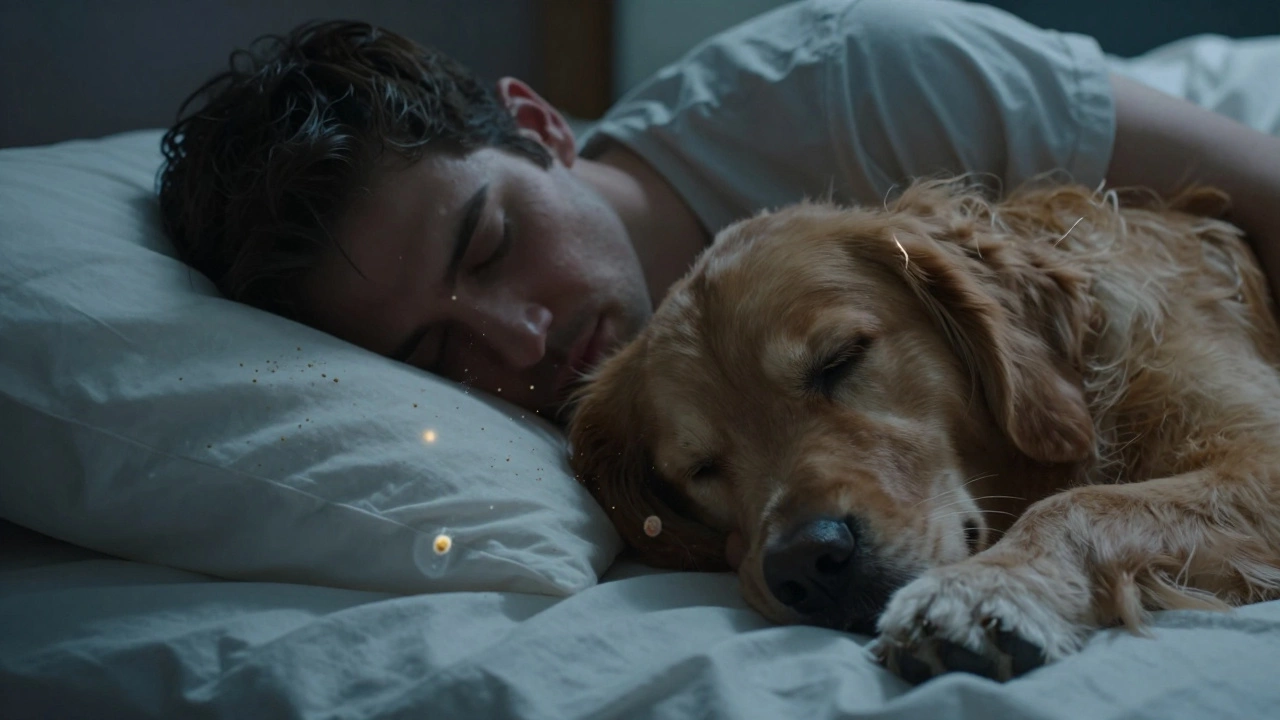
It’s a scene from a movie or an Instagram post: you’re exhausted after a long day, your dog nudges your foot, and suddenly they are curled up right next to your head. It feels warm, comforting, and deeply bonding. But if you have ever woken up with itchy skin, unexpected weight gain, or just plain exhaustion despite eight hours in the mattress, that cozy arrangement might be costing you more than you think.
The debate over whether dogs should sleep in human beds is not just about personal preference; it involves biology, hygiene, and psychology. While there is no universal law against co-sleeping with pets, veterinary experts and sleep scientists point to several compelling reasons why keeping your canine companion on the floor-or better yet, in their own designated space-is often the healthier choice for both of you.
The Hygiene Factor: More Than Just Fur
Let’s start with the most obvious issue: cleanliness. Dogs are outdoor animals. Even if they never leave the house, they track things around. When your dog sleeps on your sheets, they aren’t just bringing fur. They are bringing pollen, dirt, bacteria, and potentially parasites.
Dermatophytes are fungi that cause ringworm, a contagious skin infection. These fungi can survive on bedding for weeks. If your dog has been sniffing around other dogs in the park, they might pick up these spores. Sharing a bed increases your risk of transferring these pathogens directly to your face and body while you sleep.
Then there are fleas and ticks. Even with monthly preventative treatments, a single missed spot or a resistant tick can hitch a ride into your bedroom. Waking up to bite marks or finding a tick embedded in your scalp is a nightmare scenario that becomes significantly less likely when your dog sleeps elsewhere. Furthermore, dogs often lick themselves before bed. Saliva contains Bartonella henselae, the bacterium responsible for cat scratch disease, which can also be transmitted by dogs in rare cases. While serious illness is rare, introducing oral bacteria to your pillowcase is hardly a hygienic practice.
- Pollen and Allergens: Outdoor dogs carry seasonal allergens that can trigger asthma or hay fever symptoms overnight.
- Gastrointestinal Parasites: Roundworms and hookworm eggs can persist in household dust and bedding if not managed strictly.
- Skin Irritants: Dog dander (dead skin cells) is a potent allergen for many humans, leading to chronic itching and eczema flare-ups.
Sleep Quality Disruption: The Hidden Cost
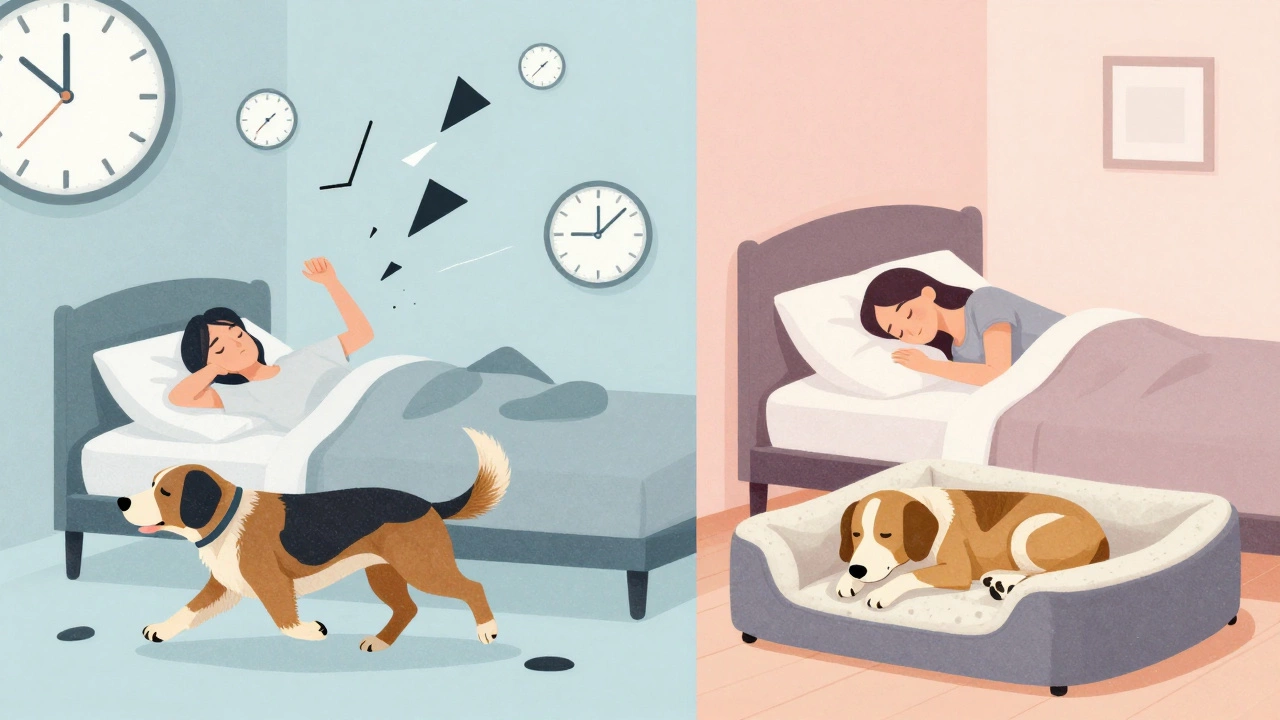
You might think your dog is a light sleeper, but studies suggest otherwise. Research published in the journal Sleep Medicine indicates that people who share their bed with pets report lower sleep quality compared to those who don’t. Why? Because dogs move. A lot.
A medium-sized dog taking a step, shifting position, or dreaming and twitching can jostle you awake. These micro-awakenings fragment your sleep cycles. You might not remember waking up, but your brain does. This prevents you from reaching deep REM sleep, which is crucial for memory consolidation and physical repair. Over time, this leads to daytime fatigue, irritability, and reduced cognitive function.
Additionally, dogs regulate their body temperature differently than humans. They are naturally warmer. Having a large heat source pressed against you can raise your core body temperature, making it harder to stay asleep during hot nights. For snorers, the situation worsens. If your dog snores-and yes, many breeds do-the noise pollution alone can disrupt your restorative sleep phases.
Allergies and Respiratory Issues
If you suffer from allergies, letting your dog in bed is like inviting a sneeze attack to dinner. Dog dander consists of microscopic flakes of skin that become airborne easily. In the confined space of a bedroom, especially under blankets where air circulation is poor, these allergens accumulate.
For non-allergic individuals, prolonged exposure to high concentrations of dander can actually sensitize the immune system, potentially triggering allergic reactions later in life. Children are particularly vulnerable. Studies have shown that children who sleep with dogs have a higher incidence of respiratory infections and asthma exacerbations. The close proximity allows for direct inhalation of allergens throughout the night, irritating sensitive airways.
Behavioral Consequences: Dominance and Anxiety
Beyond health, there is the behavioral aspect. Some trainers argue that allowing dogs on the bed reinforces resource guarding. The bed becomes a valuable resource that the dog feels entitled to protect. This can lead to subtle signs of dominance, such as growling if you try to move them off the mattress.
More commonly, however, it creates dependency. If your dog is used to sleeping next to you, they may develop separation anxiety when you are away. They associate your presence and scent with safety. Without that constant proximity, they may become distressed, leading to destructive behaviors like chewing furniture or excessive barking when left alone. Teaching a dog to sleep independently fosters confidence and self-soothing skills.
The Solution: Investing in a High-Quality Dog Bed
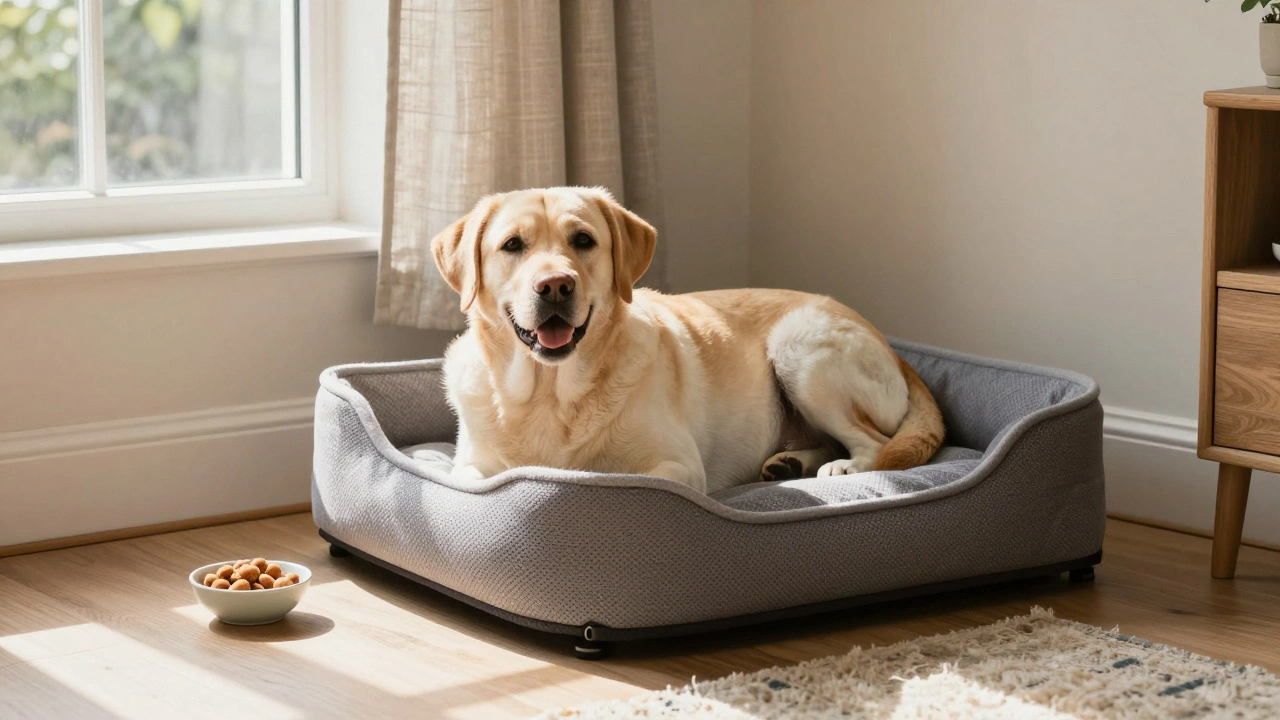
So, what’s the alternative? You don’t need to banish your dog to the cold garage. The goal is to provide a comfortable, appealing place for them to sleep that rivals the comfort of your bed. This is where choosing the right dog bed matters immensely.
A good dog bed isn’t just a cushion; it’s a tool for better sleep hygiene. Look for features that address your dog’s specific needs:
- Orthopedic Support: Older dogs or large breeds benefit from memory foam that supports joints and reduces pressure points.
- Washable Covers: Removable, machine-washable covers help manage dander, odors, and accidents, keeping the sleeping area hygienic.
- Elevated Designs: For hot climates or older dogs with arthritis, raised cots allow air circulation and keep them cool.
- Cave-Style Beds: Anxious dogs often prefer enclosed spaces that mimic a den, providing security without needing to be next to you.
| Bed Type | Best For | Key Benefit | Maintenance Level |
|---|---|---|---|
| Memory Foam Orthopedic | Senior dogs, Arthritis sufferers | Joint support, Pain relief | Medium (Spot clean) |
| Calming Donut Bed | Anxious dogs, Small breeds | Security, Warmth | Low (Washable cover) |
| Elevated Cot | Hot weather, Active dogs | Airflow, Durability | Very Low (Hose down) |
| Waterproof Crate Pad | Puppies, Incontinent dogs | Easy cleanup, Training aid | High (Frequent washing) |
Place the new bed in your bedroom initially, near your feet. Gradually move it further away as your dog gets comfortable. Reward them with treats and praise when they choose their own bed. Consistency is key. Within a few weeks, most dogs will prefer their own dedicated space.
Exceptions to the Rule
Are there times when co-sleeping makes sense? Yes. Puppies often need the warmth and reassurance of their pack members during the first few weeks at home. Similarly, dogs recovering from surgery or suffering from acute illness may benefit from close monitoring and comfort. In these temporary situations, the bond and care outweigh the hygiene risks. However, once the puppy grows or the dog recovers, transitioning them to their own bed should be a priority.
Ultimately, the decision rests with you. But if you value uninterrupted sleep, cleaner bedding, and a well-adjusted dog, keeping separate sleeping arrangements is a small change with significant benefits. Your dog will sleep soundly, and so will you.
Does sleeping with my dog increase the risk of zoonotic diseases?
Yes, sharing a bed increases exposure to zoonotic diseases-illnesses that can transfer from animals to humans. Common risks include ringworm (a fungal infection), giardia (a parasitic infection), and bacterial infections from flea bites. Regular vet checkups and flea/tick prevention minimize but do not eliminate these risks.
How can I stop my dog from jumping on the bed?
Consistency is crucial. Never allow the behavior if you want to stop it. Provide a comfortable alternative bed nearby. Use positive reinforcement: reward your dog heavily when they lie on their own bed. If they jump up, calmly remove them without anger. Closing the bedroom door at night can also enforce boundaries effectively.
Is it bad for puppies to sleep in the human bed?
While common, it can create dependency issues later. Puppies learn independence through separation. It is better to start with a crate or a small bed near your room. This helps prevent separation anxiety and establishes healthy sleep habits early on. If you must let them sleep near you, use a playpen or crate to maintain some boundary.
Do dogs really disrupt human sleep patterns?
Research confirms that pets cause frequent awakenings and reduce time spent in deep REM sleep. Movements, noises, and even breathing patterns can interrupt your sleep cycle. Many owners report feeling less rested when their dog shares the bed, even if they don't consciously remember being woken up.
What type of dog bed is best for preventing joint pain?
Orthopedic beds made with high-density memory foam are ideal for joint support. They contour to the dog's body, relieving pressure on hips and elbows. Look for beds with removable, washable covers to maintain hygiene. For larger breeds, ensure the bed is thick enough to provide adequate cushioning against hard floors.