
Cat Food Guide – What Every Cat Owner Should Know
If you’ve ever stared at a bag of kibble or a tin of wet food and wondered what’s really inside, you’re not alone. Choosing the right cat food can feel overwhelming, but it doesn’t have to be. In this guide we’ll break down the basics: what to look for on the label, how often to feed, and how to keep your cat’s bowl fresh and safe.
Choosing the Right Cat Food
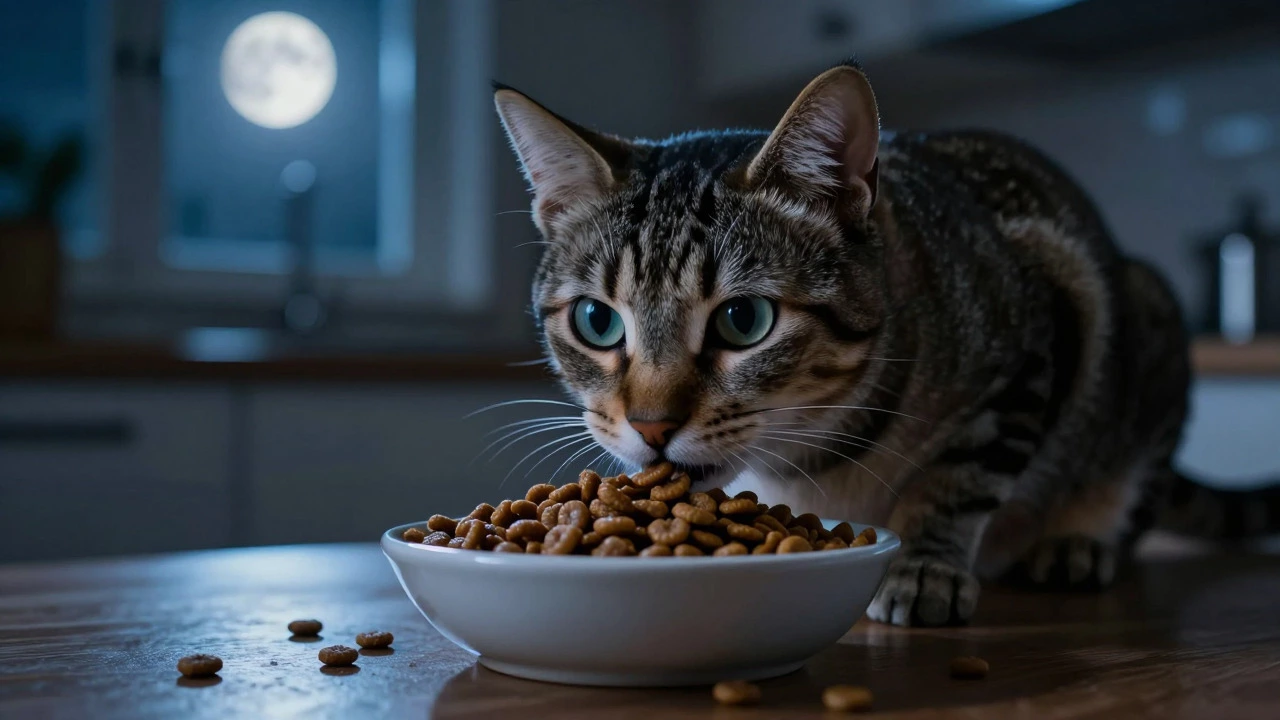
First up, dry vs. wet. Dry kibble is convenient and cheap, but many brands hide low‑quality fillers. Look for real meat as the first ingredient and steer clear of excessive corn, wheat or soy. Those ingredients can be hard for a cat’s short digestive tract and may cause weight gain over time.
Wet food adds moisture, which helps prevent dehydration – a common issue in indoor cats. When picking wet food, check the protein content; aim for at least 8‑10% protein on the label. Avoid cans that list by‑products or artificial preservatives as the main components.
If you’re mixing dry and wet, you can boost the dry kibble’s moisture by adding a splash of water, low‑salt chicken broth, or a bit of bone broth. This simple trick makes the bowl more appealing and supports kidney health.
Feeding Schedule and Portion Tips
Most cats do best with two meals a day – breakfast and dinner. Splitting the daily calorie count into two portions keeps blood sugar steady and reduces the chance of overeating. For a 10‑lb adult cat, about 200‑250 calories per day is a good target, but adjust based on activity level and vet advice.
Measure the food. Using a kitchen scale or a proper scoop eliminates guesswork. If you’re feeding wet food, a typical 3‑oz can provides roughly 80‑90 calories, so a 10‑lb cat would need about two to three cans spread over the day.
Leaving wet food out all day isn’t ideal. Bacteria can multiply quickly at room temperature, turning a tasty meal into a health risk. If you want to give your cat access to wet food for longer periods, keep the bowl in the fridge and serve fresh portions every 2‑3 hours.
Watch for hunger signals. A cat that paws at the bowl, meows loudly, or follows you around after meals may be under‑fed or simply seeking attention. On the flip side, sudden overeating can hint at a medical issue like diabetes, so keep an eye on changes.
Finally, remember to rotate protein sources. Feeding only chicken for months can lead to nutrient gaps. Switch between fish, turkey, and rabbit to keep things balanced and interesting.
By focusing on quality ingredients, consistent feeding times, and proper portions, you give your cat the best chance at a long, healthy life. Keep this guide handy, and you’ll feel more confident every time you open a new bag or tin.
 9 August 2026
- Morgan Ainsworth
- 0 Comments
Should Cats Have Access to Dry Food 24/7? The Risks and Benefits of Free-Feeding
Discover if 24/7 access to dry cat food is healthy. Learn the risks of free-feeding, obesity links, and why scheduled meals are better for most cats.
View More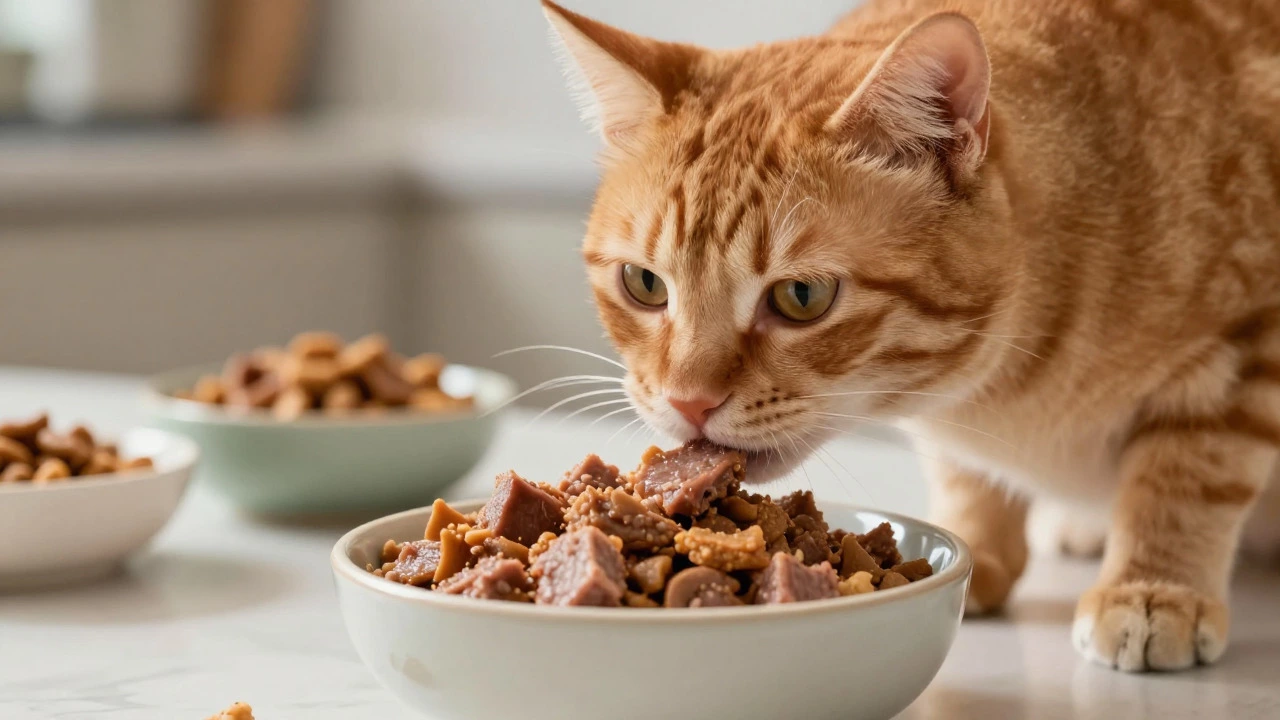 30 July 2026
- Morgan Ainsworth
- 0 Comments
What Is the #1 Best Cat Food? The Truth About Feline Nutrition
Discover the truth about the #1 best cat food. We break down wet vs dry, top brands like Royal Canin and Tiki Cat, and how to choose based on your cat's unique health needs.
View More 27 July 2026
- Morgan Ainsworth
- 0 Comments
What Is the Healthiest Store-Bought Cat Food? A Vet-Approved Guide for 2026
Discover the healthiest store-bought cat food by understanding feline biology. Learn why wet food beats dry kibble, how to read labels for real meat, and choose the right diet for your cat's life stage.
View More 7 June 2026
- Morgan Ainsworth
- 0 Comments
Why is Meow Mix Being Recalled? Safety Guide for Cat Owners
Learn why Meow Mix might be recalled, how to check your bag's lot number, and what symptoms to watch for in your cat. Stay safe with this practical guide.
View More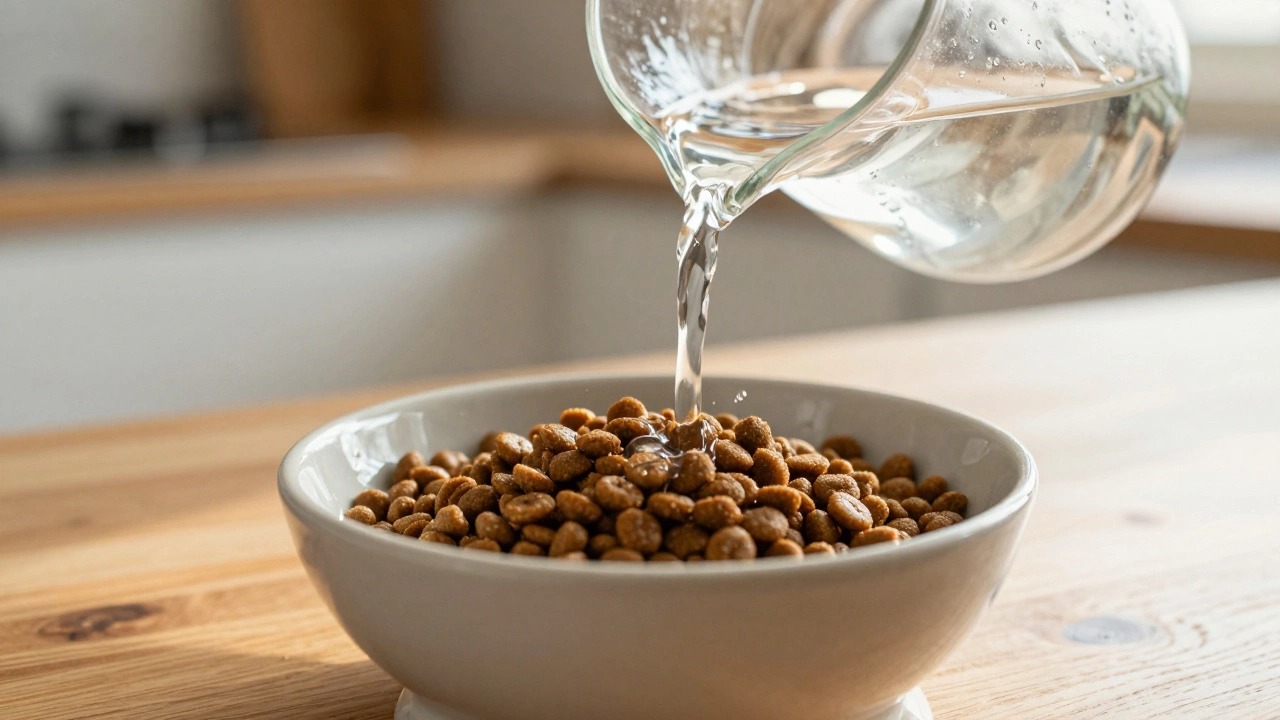 21 May 2026
- Morgan Ainsworth
- 0 Comments
Is It OK to Moisten Dry Cat Food? Benefits, Risks, and How to Do It Safely
Learn why moistening dry cat food is a simple way to boost hydration, prevent kidney issues, and improve palatability. Discover safe methods, common mistakes, and expert tips for feline nutrition.
View More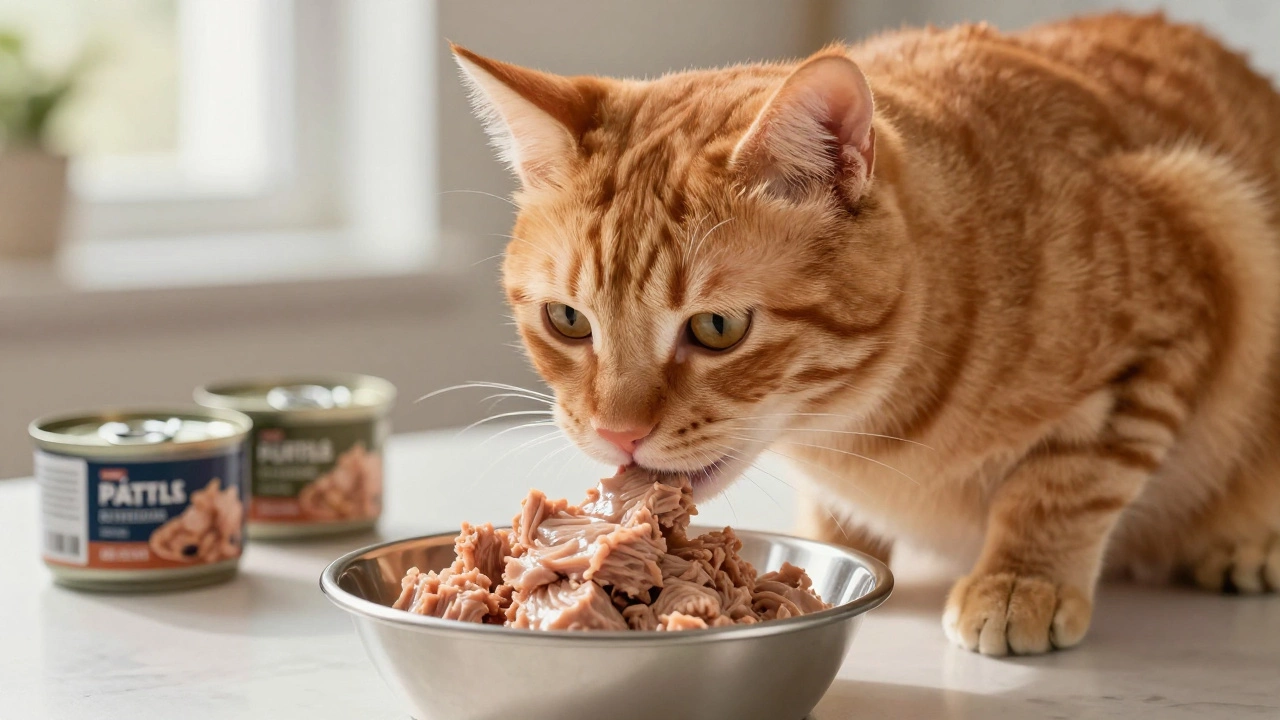 17 May 2026
- Morgan Ainsworth
- 0 Comments
Is 2 Cans of Wet Food a Day Enough for a Cat? A Vet-Approved Guide
Is 2 cans of wet food enough for your cat? We break down the calorie math, hydration benefits, and signs of proper nutrition to help you decide if this amount meets your cat's specific needs.
View More 7 May 2026
- Morgan Ainsworth
- 0 Comments
Why Petco Stopped Selling Fancy Feast: What Happened and Where to Buy It Now
Discover why Petco stopped selling Fancy Feast cat food. Learn about exclusive distribution deals, shifting retail strategies, and where to buy your cat's favorite wet food now.
View More 27 April 2026
- Morgan Ainsworth
- 0 Comments
Choosing the Best Cat Food: A Guide to Your Cat's Nutrition
Confused by the cat food aisle? Learn how to choose the best nutrition for your cat, the pros and cons of wet vs dry food, and how to read labels like a pro.
View More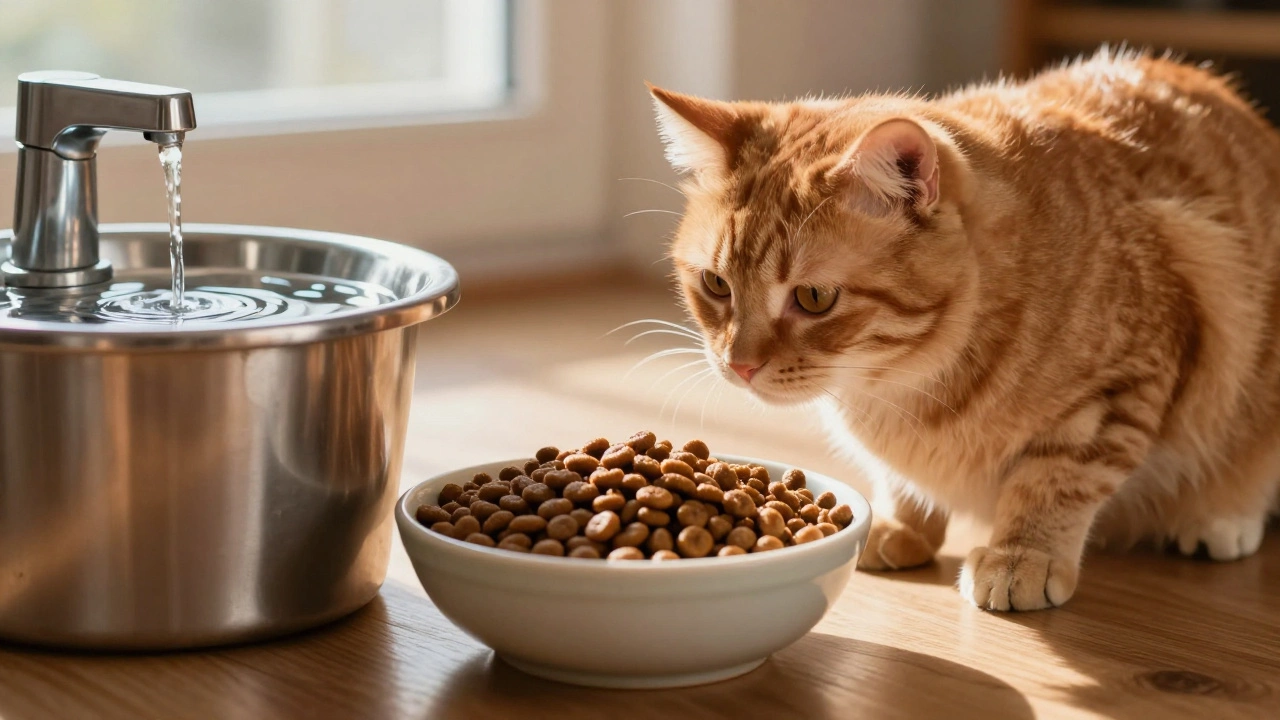 30 March 2026
- Morgan Ainsworth
- 0 Comments
Can Cats Live on Dry Food Only? A Complete Guide to Feline Diets
Discover if dry cat food is healthy long-term. We analyze hydration risks, kidney health, and the impact of carbohydrates on feline metabolism.
View More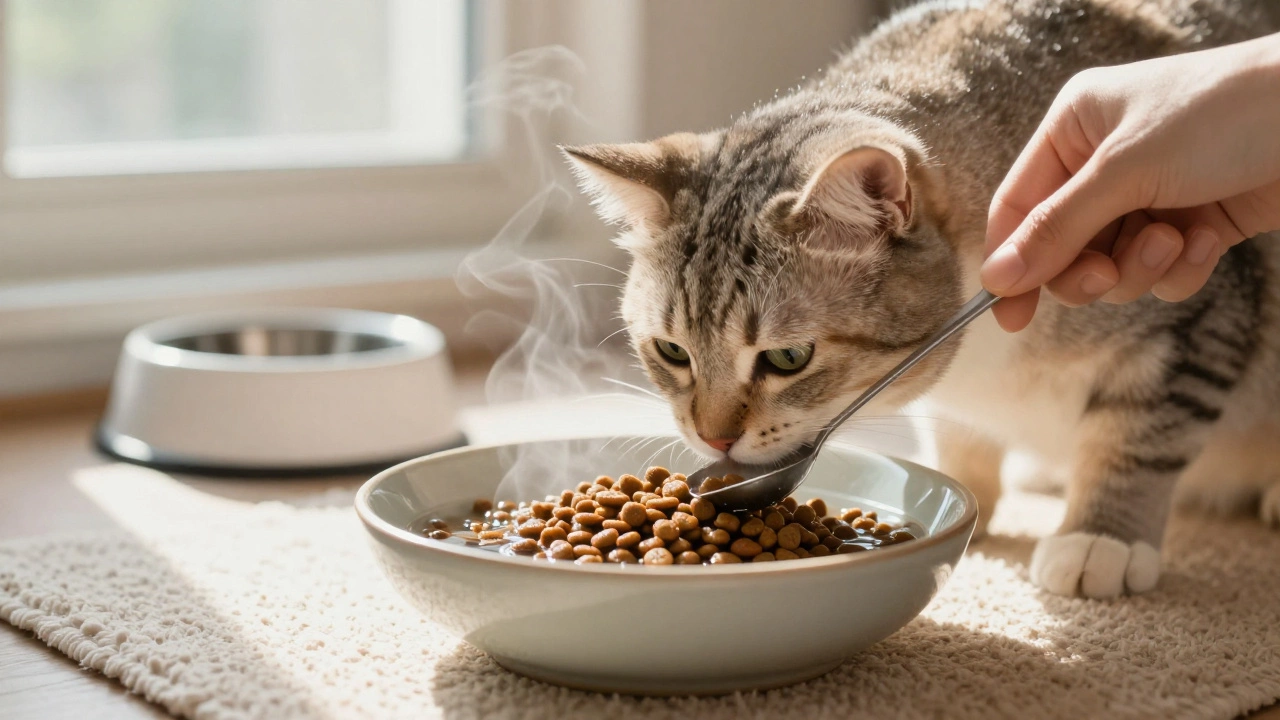 12 February 2026
- Morgan Ainsworth
- 0 Comments
Why Add Water to Dry Cat Food? The Simple Trick That Improves Hydration and Digestion
Adding water to dry cat food improves hydration, supports kidney health, and reduces urinary issues. Learn how to do it safely and why it works better than you think.
View More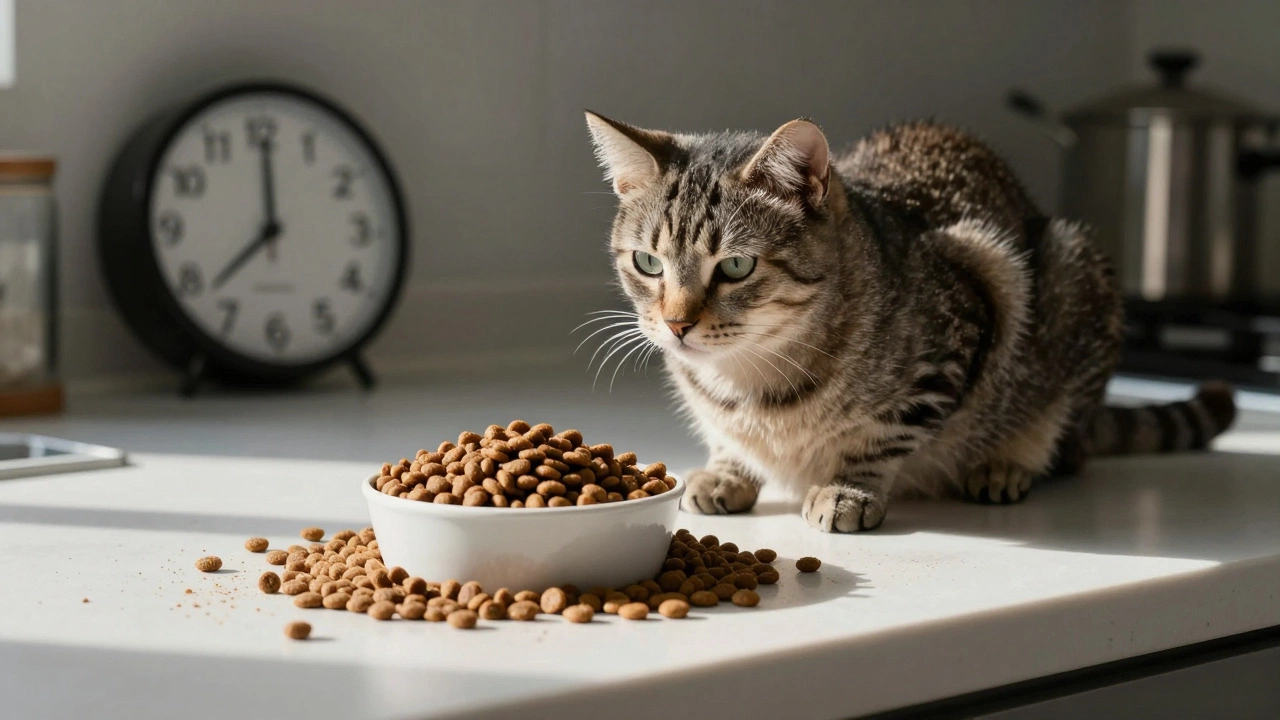 1 February 2026
- Morgan Ainsworth
- 0 Comments
Should I Leave Dry Food Out for My Cat All Day? The Real Risks and Better Alternatives
Leaving dry food out all day may seem convenient, but it increases your cat's risk of obesity, diabetes, and digestive problems. Learn why scheduled meals and wet food are healthier choices.
View More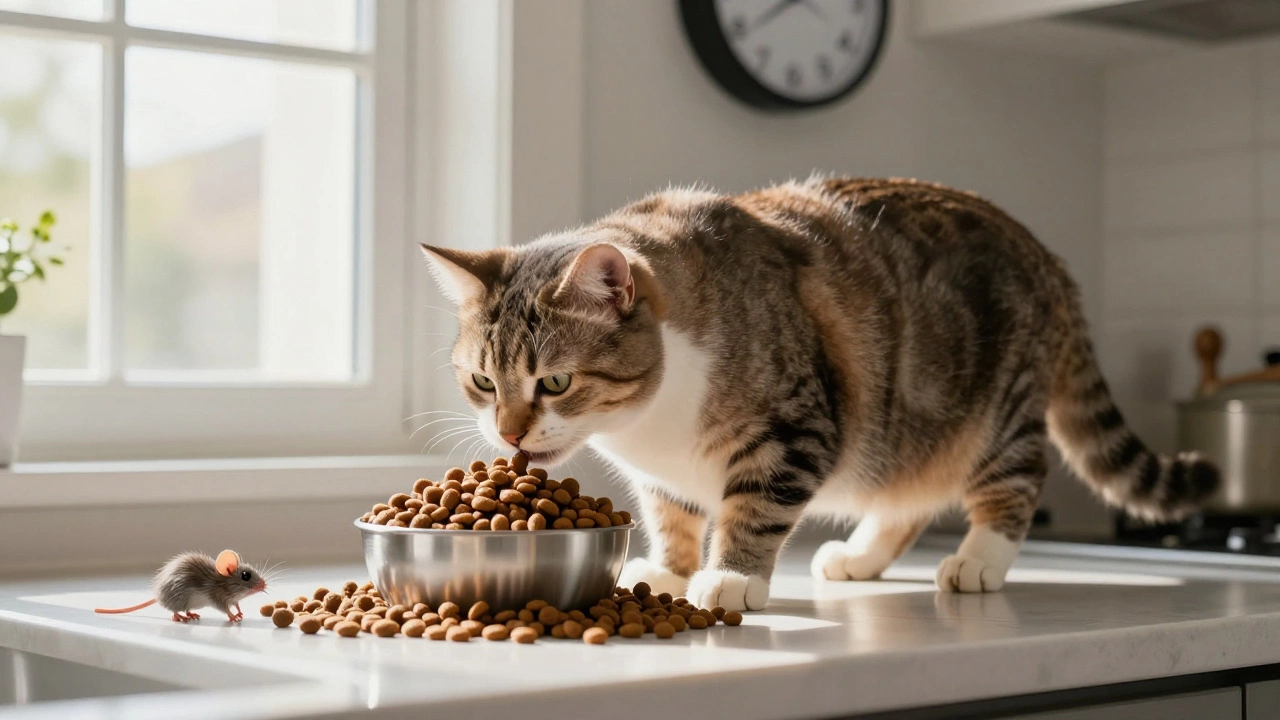 11 December 2025
- Morgan Ainsworth
- 0 Comments
Should Cats Have Access to Food All the Time? The Truth About Free Feeding
Leaving food out all day might seem kind, but it’s often unhealthy for cats. Learn why scheduled feeding is better for weight, energy, and long-term health - and how to make the switch easily.
View More