
Cat Food Quality Analyzer
Food Evaluation Checklist
Select the options that apply to the cat food you are considering.
Analysis Result
Ready to Analyze
Select the features of your cat food and click analyze to see how it stacks up against feline biological needs.
You walk down the pet aisle, staring at hundreds of bags and cans. Every label screams that it is the "#1 best cat food." Some claim to be scientifically formulated, others promise ancestral health, and a few just look expensive. It is overwhelming. You want what is right for your cat, but you also want to avoid wasting money on marketing hype.
Here is the hard truth: there is no single #1 best cat food for every cat. If someone tells you otherwise, they are trying to sell you something. The best food depends entirely on your cat’s age, health status, and your budget. However, we can narrow down the top contenders by looking at nutritional science rather than flashy packaging.
The Biological Reality of Cats
To understand what makes good cat food, you have to understand what a cat actually is. Unlike dogs or humans, who are omnivores, cats are obligate carnivores. This means their bodies are designed to thrive on meat. They require specific nutrients found only in animal tissue, such as taurine, arachidonic acid, and pre-formed vitamin A.
If you feed a cat a plant-based diet without careful supplementation, they will eventually suffer from blindness, heart failure, and death. This biological fact is the foundation of all good feline nutrition. When evaluating any brand, look at the first five ingredients. If you see corn, wheat, soy, or "meat by-products" before named meats like chicken, turkey, or salmon, put the bag back.
Cats also have a low thirst drive. In the wild, they get most of their water from prey. Domestic cats eating dry kibble often do not drink enough water, leading to chronic dehydration. This is why urinary tract issues and kidney disease are so common in indoor cats. The format of the food matters just as much as the ingredients.
Wet vs. Dry: The Format Debate
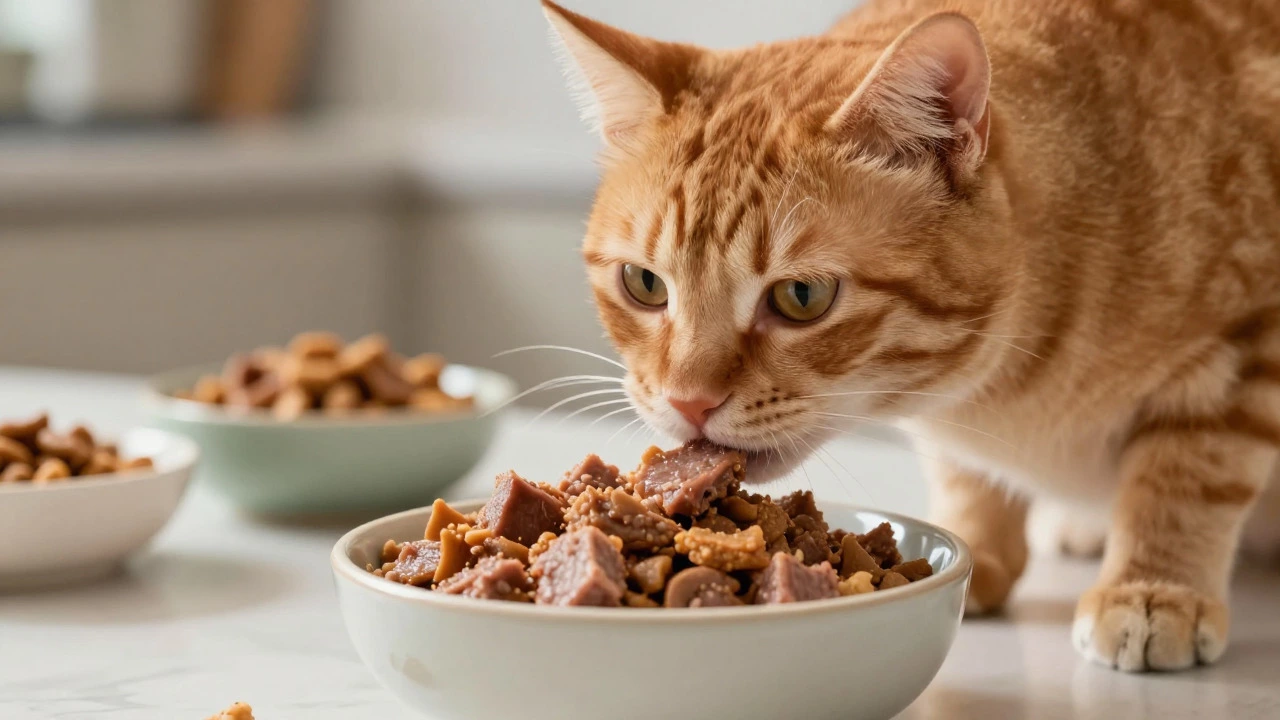
If you had to pick one category as the overall winner for health, wet cat food takes the crown for most adult cats. Wet food contains 70-80% moisture, which helps flush kidneys and prevents bladder stones. It is also lower in carbohydrates, which aligns better with a cat's metabolic needs.
Dry kibble is convenient and cheaper per calorie. It can help with dental hygiene slightly, though not enough to replace brushing. Many high-quality dry foods exist, but they often rely on starches to hold the kibble together. If you choose dry food, look for brands that use minimal fillers and high protein sources.
A hybrid approach works well for many owners. Feeding wet food twice a day and topping it with a small amount of high-quality dry kibble gives you the benefits of hydration while providing convenience and variety. Always ensure fresh water is available, regardless of the diet.
| Feature | Wet Cat Food | Dry Cat Food |
|---|---|---|
| Moisture Content | 70-80% | 10-12% |
| Carbohydrate Level | Low (typically <10%) | High (often 30-50%) |
| Cost Per Calorie | Higher | Lower |
| Convenience | Must be refrigerated after opening | Can be left out free-choice |
| Dental Health | No mechanical cleaning effect | Slight abrasive effect |
Top Contenders for the #1 Spot
While individual needs vary, several brands consistently rank at the top due to their transparency, ingredient quality, and adherence to AAFCO (Association of American Feed Control Officials) standards. These are not sponsored picks; they are widely recommended by veterinary nutritionists.
Royal Canin is often cited as the gold standard for prescription and life-stage diets. Their formulas are highly palatable and scientifically tested for digestibility. If your cat has kidney disease, diabetes, or urinary issues, Royal Canin’s therapeutic lines are usually the safest bet.
Hill's Science Diet offers similar scientific backing. Their wet food options are particularly strong, featuring real meat as the primary ingredient and balanced micronutrients. Hill’s is excellent for senior cats and those with sensitive stomachs.
For those preferring limited-ingredient diets, Wellness Core provides high-protein, grain-free options. Their recipes focus on lean meats and vegetables, avoiding common allergens like corn and wheat. This brand is popular among owners who want a premium commercial option without going fully raw.
Tiki Cat has gained massive popularity for its "The Real Meat Company" line. These pouches contain large chunks of real fish or chicken in broth, with very low carbohydrate content. It mimics the texture and nutrient profile of whole prey more closely than most canned foods.
Understanding Labels and Ingredients
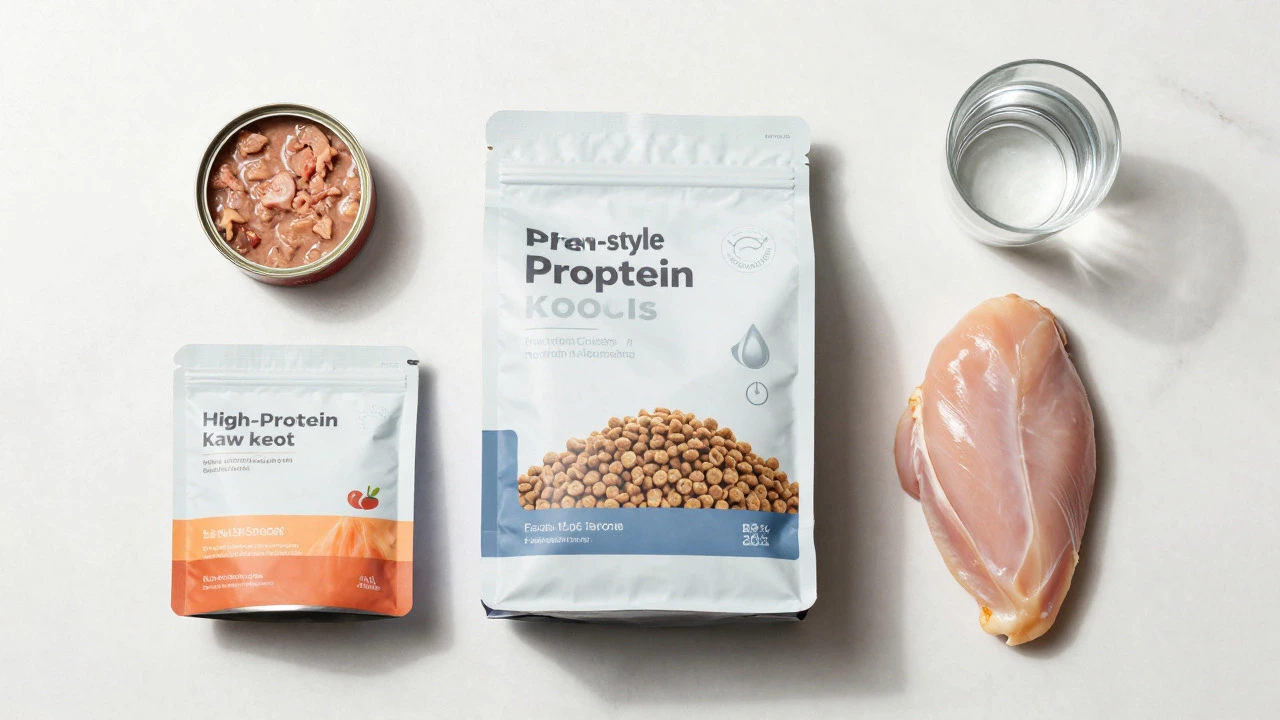
Reading labels can feel like decoding a secret language. Here is how to cut through the noise:
- Named Protein Sources: Look for "chicken," "salmon," or "beef." Avoid vague terms like "meat meal" or "animal fat" unless specified as "chicken meal" or "fish oil."
- Grain-Free Claims: Grain-free does not automatically mean healthier. While some cats are allergic to grains, most are not. Recent studies have linked certain grain-free diets containing peas and lentils to dilated cardiomyopathy (DCM) in dogs, and caution is advised for cats too. Unless your cat has a diagnosed grain allergy, whole grains like brown rice are safe and provide fiber.
- AAFCO Statement: Ensure the package says "formulated to meet the nutritional levels established by the AAFCO Cat Food Nutrient Profiles." This guarantees the food is complete and balanced.
- Guaranteed Analysis: Check the crude protein and fat percentages. Adult cats generally need at least 30% protein and 9% fat on a dry matter basis.
Special Diets: Raw and Homemade
Some owners swear by raw cat food, also known as BARF (Biologically Appropriate Raw Food). Proponents argue it reduces hairballs, improves coat shine, and increases energy. Commercial raw diets, like Stella & Chewy's or Ziwi Peak, are freeze-dried or frozen to kill pathogens, making them safer than home-prepared raw meals.
However, raw diets carry risks. Bacteria like Salmonella and E. coli can contaminate your kitchen and affect immunocompromised family members. There is also a risk of nutritional imbalances if the recipe is not perfectly formulated. If you go raw, stick to reputable commercial brands and practice strict hygiene.
Homemade cat food is another option, but it requires significant effort. You cannot just cook chicken and rice. Cats need precise amounts of calcium, phosphorus, taurine, and vitamins. Work with a board-certified veterinary nutritionist to create a balanced recipe. Otherwise, your cat may develop severe deficiencies over time.
How to Transition Foods Safely
Switching to a new food abruptly can cause vomiting and diarrhea. Cats are creatures of habit and sensitive to changes in their environment, including their bowl. Follow this gradual transition plan over 7-10 days:
- Days 1-2: Mix 25% new food with 75% old food.
- Days 3-4: Mix 50% new food with 50% old food.
- Days 5-6: Mix 75% new food with 25% old food.
- Day 7+: 100% new food.
Monitor your cat’s stool during this period. If they refuse the new food, try warming it slightly to enhance the aroma. Picky eaters may need patience. Never force-feed, as this creates negative associations with mealtime.
Budget Considerations
Premium cat food costs more, but cheap food often leads to higher vet bills later. Obesity, diabetes, and kidney disease are expensive to treat. Think of high-quality food as insurance. If budget is tight, buy smaller quantities of better food rather than large bags of low-quality kibble. You can also mix wet and dry to stretch your budget while maintaining hydration.
Look for sales and subscribe-and-save options from major retailers. Buying in bulk for dry food is cost-effective, but ensure you store it properly to prevent rancidity. Keep wet food in the fridge once opened and discard any leftovers after 24 hours.
Common Mistakes to Avoid
One of the biggest errors owners make is overfeeding. Cats are prone to obesity because they are not efficient at regulating calorie intake when food is always available. Measure portions according to the package guidelines and your vet’s advice. Use a scale for accuracy, as cups can be misleading.
Another mistake is ignoring water intake. Dehydration is silent but deadly. Add water to wet food, use a cat fountain, or place multiple bowls around the house. Some cats prefer running water, which mimics natural streams and encourages drinking.
Finally, do not ignore your cat’s feedback. If they consistently leave food uneaten, it might be too bland, too hot, or simply not appealing. Experiment with different textures and flavors. A happy cat is a healthy cat.
Is grain-free cat food better?
Not necessarily. Most cats tolerate grains well. Grain-free diets are only necessary if your cat has a specific grain allergy, which is rare. In fact, some grain-free foods use high amounts of legumes, which may pose health risks. Consult your vet before switching to grain-free.
Can I feed my cat human food?
Small amounts of cooked, unseasoned meat like chicken or turkey are fine as treats. However, human food lacks essential nutrients like taurine. Do not feed onions, garlic, chocolate, or grapes, as these are toxic to cats. Human food should never replace a balanced cat diet.
How often should I change my cat's food?
There is no need to rotate foods frequently unless your cat is bored or has sensitivities. Consistency helps monitor health. Change brands only if your cat develops an allergy, loses interest, or if a recall occurs. Stick with a high-quality formula that meets your cat's needs.
What is the best food for kittens?
Kittens need higher protein and fat for growth. Look for food labeled "for growth" or "all life stages." Wet food is excellent for hydration. Brands like Royal Canin Kitten and Hill's Science Diet Kitten are top choices. Ensure the food is rich in DHA for brain development.
Is organic cat food worth the extra cost?
Organic means the ingredients were grown without synthetic pesticides or fertilizers. While this is good for the environment, it does not significantly impact your cat's health compared to non-organic high-quality food. Prioritize protein source and nutritional balance over the organic label if budget is a concern.