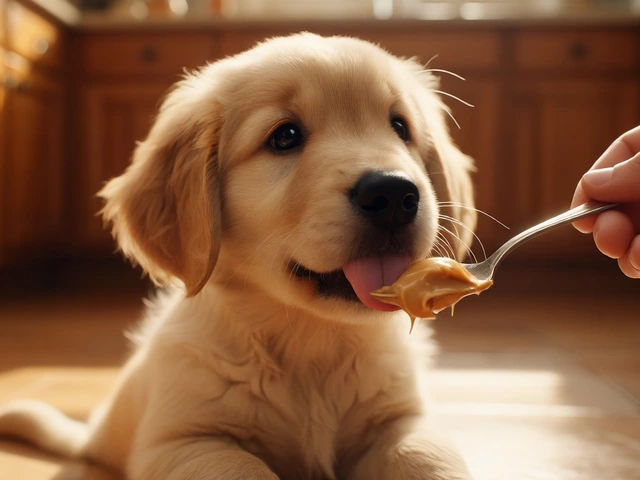
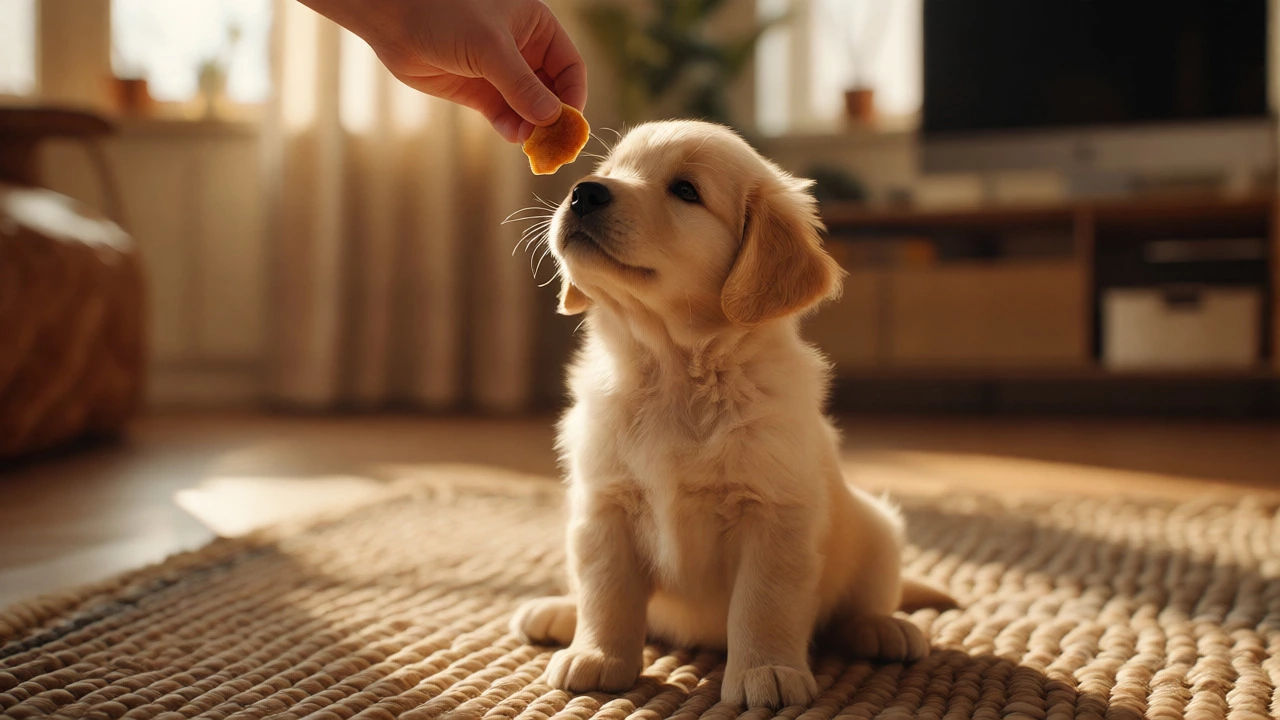
Puppy 'Sit' Training Tracker
Keep sessions short (under 2 minutes) to maintain focus.
-
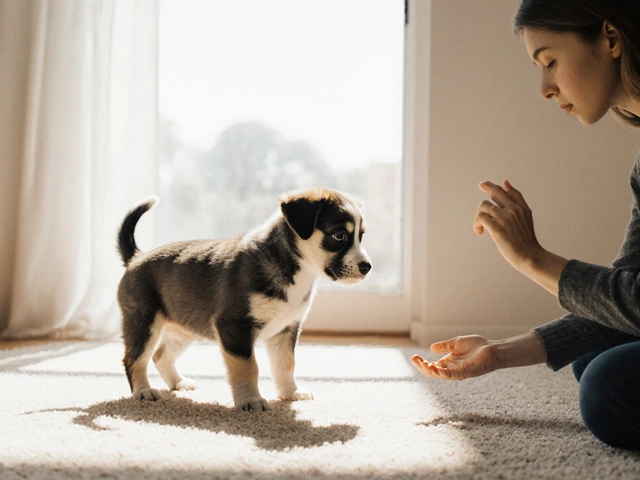
1. Get Low & Show TreatKneel/squat. Hold treat between thumb/forefinger. Let them sniff.
-
2. The Magic MoveMove treat up and back over nose toward tail base. Head goes up, bottom drops.
-
3. Mark & RewardInstantly say "Yes!" when bottom touches floor. Give treat immediately.
-
4. Add the CueAfter 3 successes, say "Sit" just before moving the treat.
Issue: Won't Sit
Check floor surface. Slippery floors scare puppies. Try carpet or yoga mat.
Issue: Not Motivated
Upgrade treat value. Switch from kibble to chicken liver or freeze-dried beef lung.
Issue: Jumping
Ignore jumping completely (turn away). Reward only when all four paws are on ground.
You just brought home a bundle of fur that thinks your shoes are chew toys and your hand is a treat dispenser. It’s chaotic, adorable, and slightly overwhelming. You want to start training, but where do you even begin? Should you try teaching your puppy to walk on a leash first? Or maybe recall?
Here’s the truth: most professional trainers agree there is one clear winner for the very first command. It’s not complex, it doesn’t require advanced skills, and it works almost immediately if you do it right. That command is "Sit." It sounds too simple to be true, right? But "Sit" is the foundation of impulse control. If your puppy can learn to stop what they’re doing and offer a behavior to get what they want, you’ve cracked the code on how dogs think.
Why "Sit" Beats Every Other First Command
You might wonder why we don't start with "Come" or "No." The reason is biological and psychological. A sitting position physically lowers a dog's center of gravity. It naturally calms their nervous system. When a dog sits, they are less likely to jump up on guests or lunge at other dogs because their body language shifts from active/aggressive to passive/receptive.
Think about it this way: if you teach "Recall" (coming when called) first, your puppy has to run toward you. If they are distracted by a squirrel, they might ignore you. Failure here creates frustration. But "Sit" requires zero distance. You are standing right in front of them. The success rate is nearly 100% if you use food correctly. This builds confidence in both you and your puppy. They learn that listening to you equals good things happening.
The Lure-and-Reward Method: Step-by-Step
Don't overcomplicate this. You don't need a clicker yet (though it helps later). You just need tiny treats and patience. Here is the exact method I use with every new puppy client in Bristol:
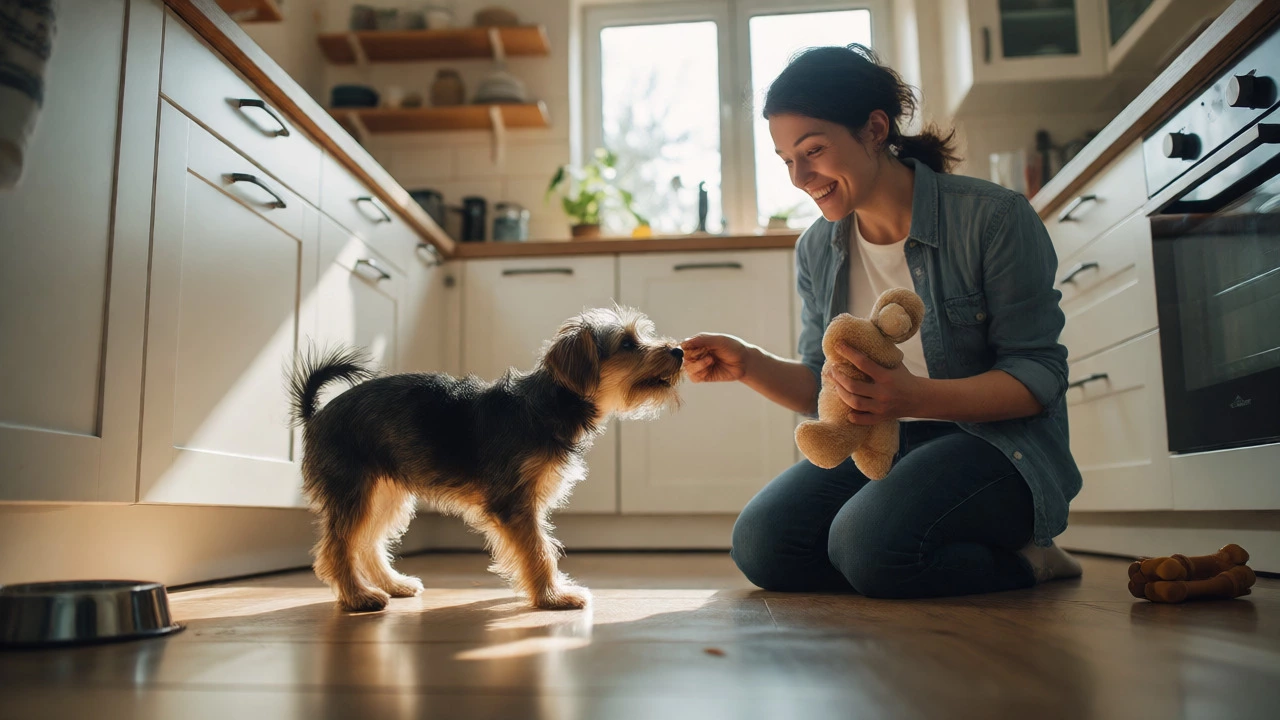
- Get low: Kneel or squat so you are at eye level with your puppy. This makes you approachable, not threatening.
- Show the treat: Hold a small piece of chicken or cheese between your thumb and forefinger. Let them sniff it. Do not give it to them yet.
- The Magic Move: Slowly move the treat up and back over their nose, towards the base of their tail. As their head goes up to follow the smell, their bottom naturally drops down to stay balanced.
- The Mark and Reward: The instant their bottom touches the floor, say "Yes!" (or click) and give them the treat immediately. Don't wait for them to stand up.
- Add the Cue: Only after they have done this three times in a row, start saying "Sit" just before you move the treat. Eventually, the word alone will trigger the action.
If they don't sit, don't push their butt down. Pushing confuses them. Just reset and try again. Keep sessions under two minutes. Puppies have attention spans shorter than a goldfish.
Common Mistakes New Owners Make
I see these errors constantly. Avoid them, and you’ll save yourself weeks of confusion.
- Repeating the command: Saying "Sit, sit, sit, sit" turns the word into background noise. Say it once. Wait five seconds. If they don't do it, lure them again. If you repeat it, you teach them that the first "sit" doesn't count.
- Rushing the reward: If you take two seconds to dig in your pocket for a treat, the puppy forgets why they got paid. Speed matters. Have treats ready in your hand, not buried in a bag.
- Training in high-distraction zones: Don't start in the park. Start in your kitchen or living room. Once they master "Sit" indoors, then move to the hallway, then the garden, then the street. Proofing takes time.
How Toys Fit Into Early Training
Since you're interested in puppy toys, let's talk about their role in training. Not all toys are created equal for teaching commands.
A tug rope is great for teaching "Drop It," which is actually the second best command to teach. Why? Because tug-of-war mimics natural predatory behavior. When you play tug, you build engagement. Then, when you ask for "Drop It" and trade the toy for a treat, you teach them that giving something up isn't a loss-it's a transaction.
However, for the first command "Sit," avoid noisy squeaky toys. They create excitement spikes that make settling down harder. Use quiet, soft plushies or puzzle feeders as rewards for calm behavior. If your puppy jumps on you while holding a squeaky toy, they associate jumping with noise and attention. Silence reinforces sitting.
| Command | Difficulty Level | Primary Benefit | When to Introduce |
|---|---|---|---|
| Sit | Beginner | Impulse control; calms arousal | Day 1 at home |
| Come (Recall) | Intermediate | Safety; prevents running off | After Sit is reliable indoors |
| Leave It | Advanced | Prevents eating trash/toxic items | Week 3+ when focus improves |
| Stay | Intermediate | Patience; useful for vet/grooming | After Sit is mastered |
Building Impulse Control Beyond the Kitchen Floor
Once your puppy gets "Sit" reliably in the living room, the real work begins. Dogs don't generalize well. A command learned in a quiet house means nothing to a distracted puppy outside. You need to practice "Sit" before meals. Before opening the door. Before petting them.
This is called "Nothing in Life is Free" (NILIF). It’s a philosophy where the dog must perform a known behavior to earn resources. Want to go out? Sit. Want breakfast? Sit. Want a cuddle? Sit. This isn't about dominance; it's about clarity. You are teaching them that polite behavior unlocks access to good things.
Be careful not to become annoying. If your puppy is sleeping, let them sleep. Don't demand a sit every ten seconds. Balance structure with freedom. Puppies need nap time more than humans do-often 18-20 hours a day. Overtraining leads to cranky puppies who bite more.
Troubleshooting: My Puppy Won't Sit
If your puppy refuses to sit, check these factors:
- Floor surface: Slippery hardwood floors scare some puppies. They feel unstable putting weight on their hind legs. Try training on a carpet or yoga mat.
- Treat value: Dry kibble might not cut it. Switch to boiled chicken liver or freeze-dried beef lung. High-value treats drive faster learning.
- Physical discomfort: Rarely, hip dysplasia or growing pains can make sitting uncomfortable. If they whine or struggle excessively, consult your vet.
Remember, training is a marathon, not a sprint. Some puppies get it in ten minutes. Others take three days. Both are normal. Celebrate the small wins. If they look at you expectantly instead of chewing your sock, that’s progress.
How long does it take to teach a puppy to sit?
Most puppies understand the mechanics within 5-10 repetitions. However, reliability takes longer. Expect to spend 5-10 minutes daily for 1-2 weeks before they respond consistently without a lure. Consistency is key.
Should I use a clicker for the first command?
You can, but it's not required for beginners. A verbal marker like "Yes!" or "Good!" works perfectly fine. Clickers are useful for precise timing in complex tricks, but for "Sit," your voice is sufficient and easier to manage while handling treats.
Can I teach my puppy multiple commands at once?
It is better to focus on one command until they have 80% accuracy. Trying to teach "Sit," "Down," and "Shake" simultaneously often confuses puppies. Master "Sit" first, then introduce "Down" using the same luring technique.
What if my puppy jumps instead of sitting?
This is common. Jumping is an attempt to reach your face or hands. Ignore the jumping completely (turn away, no eye contact). The moment all four paws touch the ground, mark and reward. If they jump again, reset. Never reward jumping, even accidentally.
Do I need special puppy toys for training?
Not necessarily, but having a variety helps. Soft treats are primary for "Sit." For later commands like "Fetch" or "Tug," durable rubber toys (like Kongs) or sturdy ropes are ideal. Avoid toys with small parts that can be swallowed during enthusiastic play.