
Dog Collars – How to Pick, Use and Keep Them Safe
If you’re reading this, you probably own a dog and have wondered which collar is the best fit. The truth is, not every collar works for every dog. Size, breed, activity level and even the weather can change what you need. Below you’ll get straight‑forward advice on the main types, when to take a collar off, and a quick safety check you can do every day.
Common Collar Types and Their Uses
First up, let’s sort the collars you’ll see in shops. A flat nylon or leather collar is the classic everyday choice. It’s cheap, lightweight and great for attaching ID tags. If your dog tends to pull, a martingale (or “limited slip”) collar gives a bit more control without choking – it tightens just enough to stop the escape but loosens when the dog stops pulling.
Breakaway collars have a safety release that snaps open if the dog gets caught on a fence or branch. They’re handy for puppies or dogs that love to explore the countryside, but they’re not ideal for hunting dogs that need a secure hold.
Training collars come in several flavors: prong, choke, and shock. While some trainers swear by them, most vets warn they can cause pain or stress if used incorrectly. If you’re new to training, a simple front‑clip harness usually does the job without the risk.
Lastly, calming collars often contain pheromones or soothing scents. They may help a nervous dog, but they’re not a cure‑all. Pair them with proper exercise and a calm environment for the best results.
Safety Checklist for Everyday Collar Wear
Now that you know the options, make sure the collar you choose stays safe. Here’s a quick list you can run through each morning:
- Fit: You should be able to slip two fingers between the collar and your dog’s neck. Too tight can bruise; too loose lets them slip out.
- Condition: Check for frayed stitching, cracked leather or a bent buckle. A worn collar can fail when you need it most.
- Cleaning: Wash nylon collars in warm water and let them air‑dry. Leather needs a leather conditioner every few months.
- Purpose: Use a ID tag collar for walks, a training collar only during structured sessions, and a breakaway only when off‑lead in low‑risk areas.
- Nighttime: Some owners take the collar off at night to let the skin breathe. If your dog sleeps on a soft bed and the collar isn’t hurting, it’s fine to leave it on.
One more tip: keep a spare collar in the car or at the vet. If the first one breaks or gets tangled, you won’t be stuck scrambling for a replacement.
Choosing the right collar isn’t rocket science, but it does need a little thought. Think about your dog’s size, activity and any specific training goals. Test the fit, check the condition daily, and you’ll avoid most of the common problems that lead to injuries or lost dogs. With the right collar and a quick safety check, you and your pup can enjoy walks, training sessions and playtime with confidence.
 24 September 2026
- Morgan Ainsworth
- 0 Comments
Should Dog Collars Be Left On All The Time? Vet-Approved Guide
Wondering if dog collars should be left on all the time? Discover the pros and cons of continuous wear, safety risks, and when to remove them for better skin health.
View More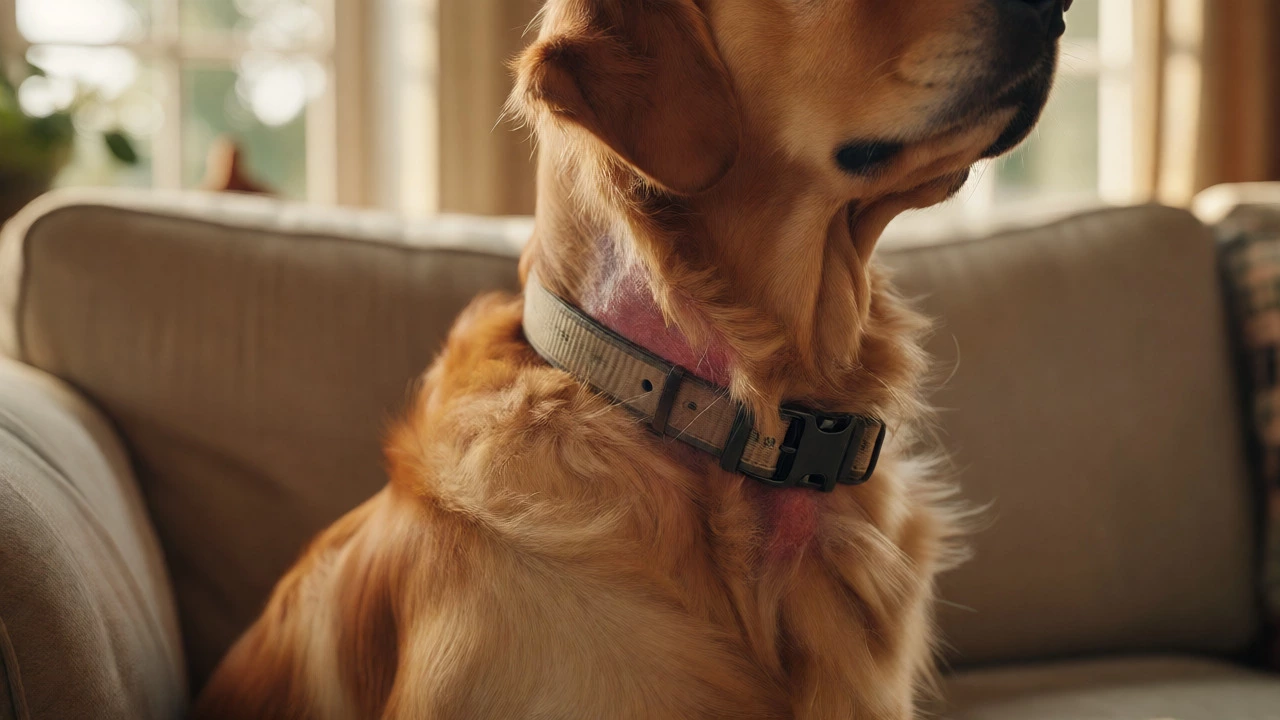 24 September 2026
- Morgan Ainsworth
- 0 Comments
Should Dog Collars Be Left On All The Time? Vet-Backed Guide
Discover whether your dog should wear a collar 24/7. Learn about skin risks, safety hazards, and when to remove it for better pet health.
View More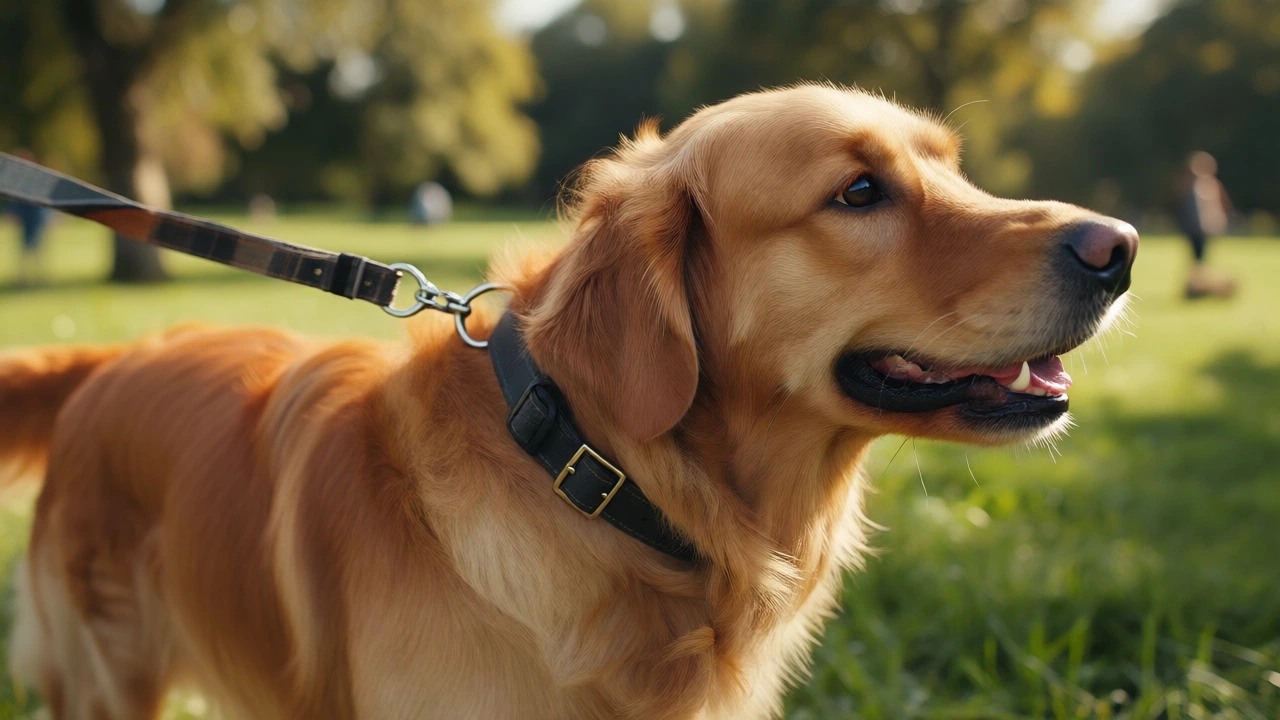 13 September 2026
- Morgan Ainsworth
- 0 Comments
Harness vs. Collar: Which Is Better for Walking Your Dog?
Struggling to choose between a dog harness and a collar? We break down the safety, comfort, and control differences to help you pick the right gear for your pup.
View More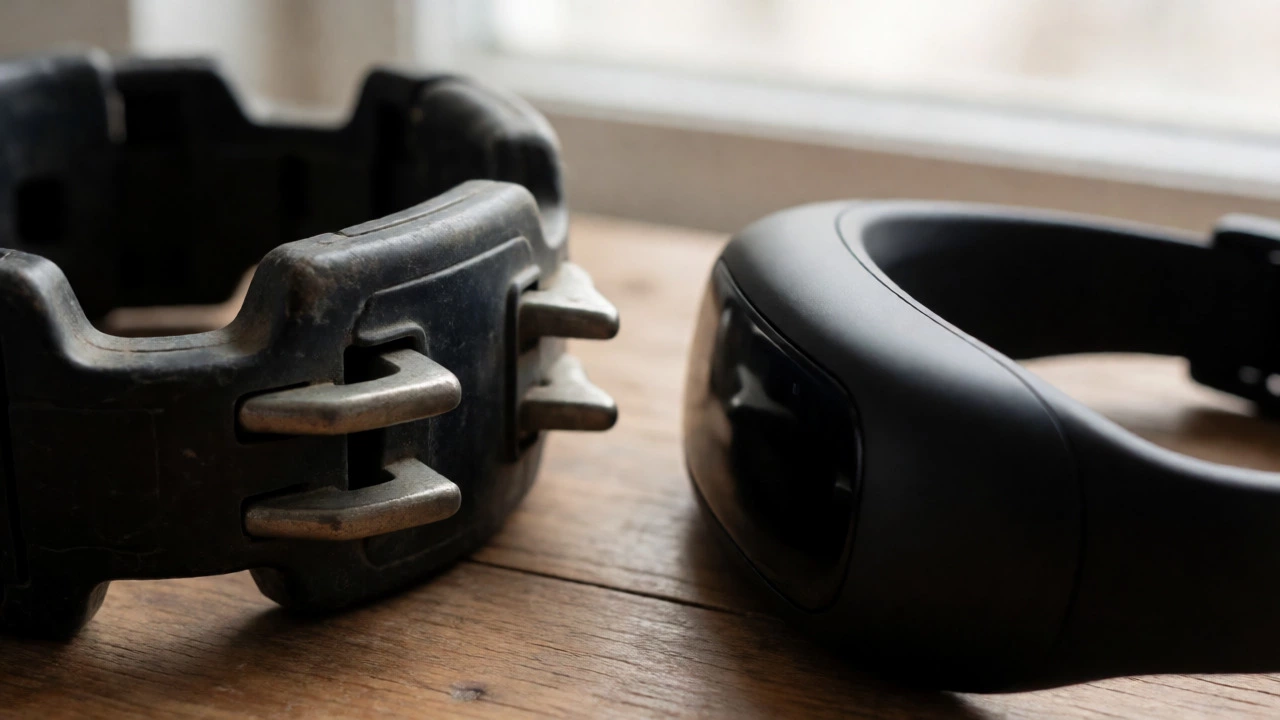 6 September 2026
- Morgan Ainsworth
- 0 Comments
Shock Collar vs. E-Collar: Understanding the Real Differences
Confused by the terms shock collar and e-collar? Learn the key differences in technology, usage, and training philosophy to choose the right tool for your dog.
View More 20 July 2026
- Morgan Ainsworth
- 0 Comments
Is It Safe for Dogs to Wear Collars All the Time? A Vet-Approved Guide
Discover if it's safe for dogs to wear collars 24/7. Learn about hidden risks like tracheal damage and skin infections, plus expert tips on proper fitting and safer alternatives like harnesses.
View More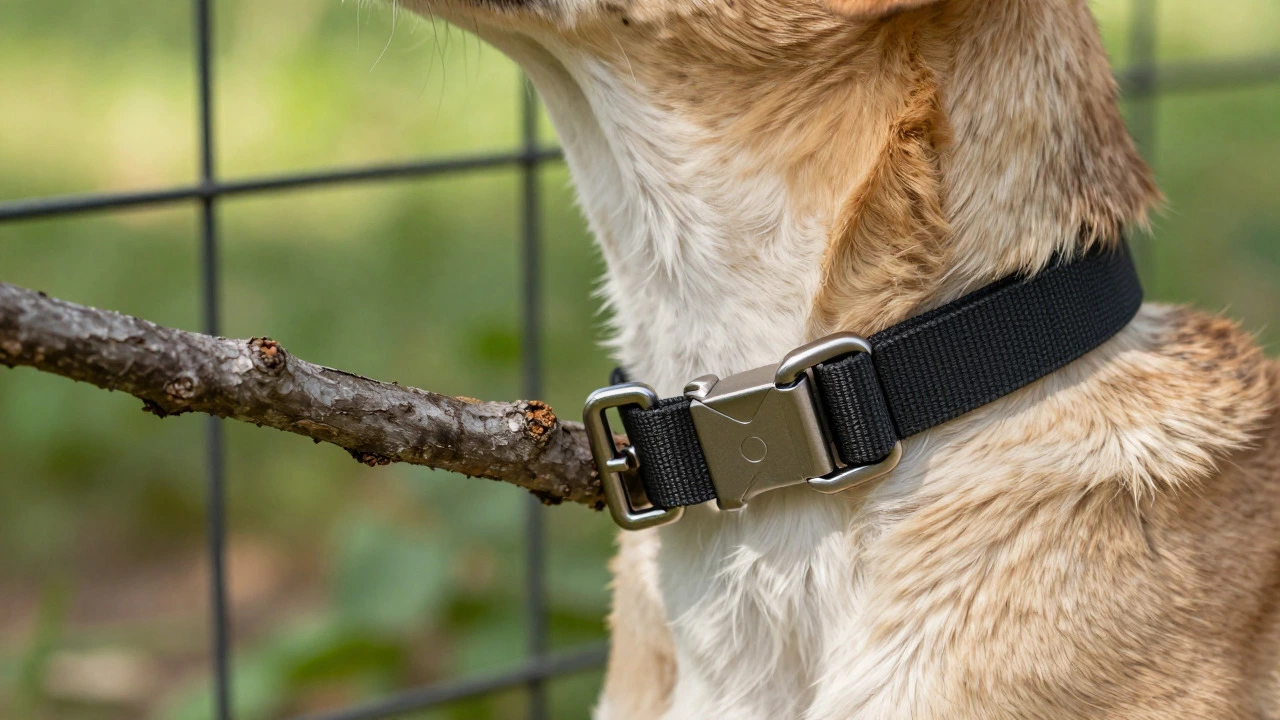 19 July 2026
- Morgan Ainsworth
- 0 Comments
Breakaway vs Quick Release Dog Collars: Safety, Mechanics, and Which to Choose
Discover the critical safety differences between breakaway and quick release dog collars. Learn which buckle type protects your dog from snagging dangers and which offers secure control for walks.
View More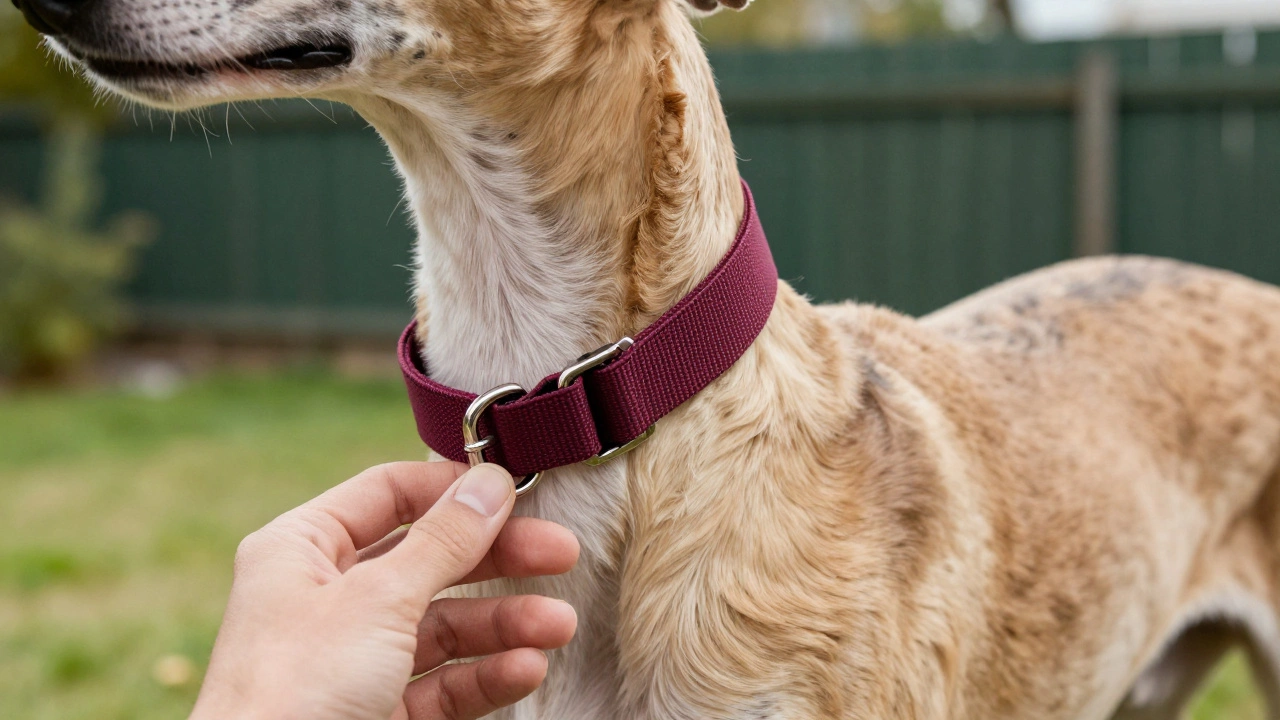 25 May 2026
- Morgan Ainsworth
- 0 Comments
Best Collars for Escape Artist Dogs: GPS, Martingale & Safety Picks
Discover the best collars for escape artist dogs, including martingales, harnesses, and GPS trackers. Learn how to secure your pet safely without causing injury.
View More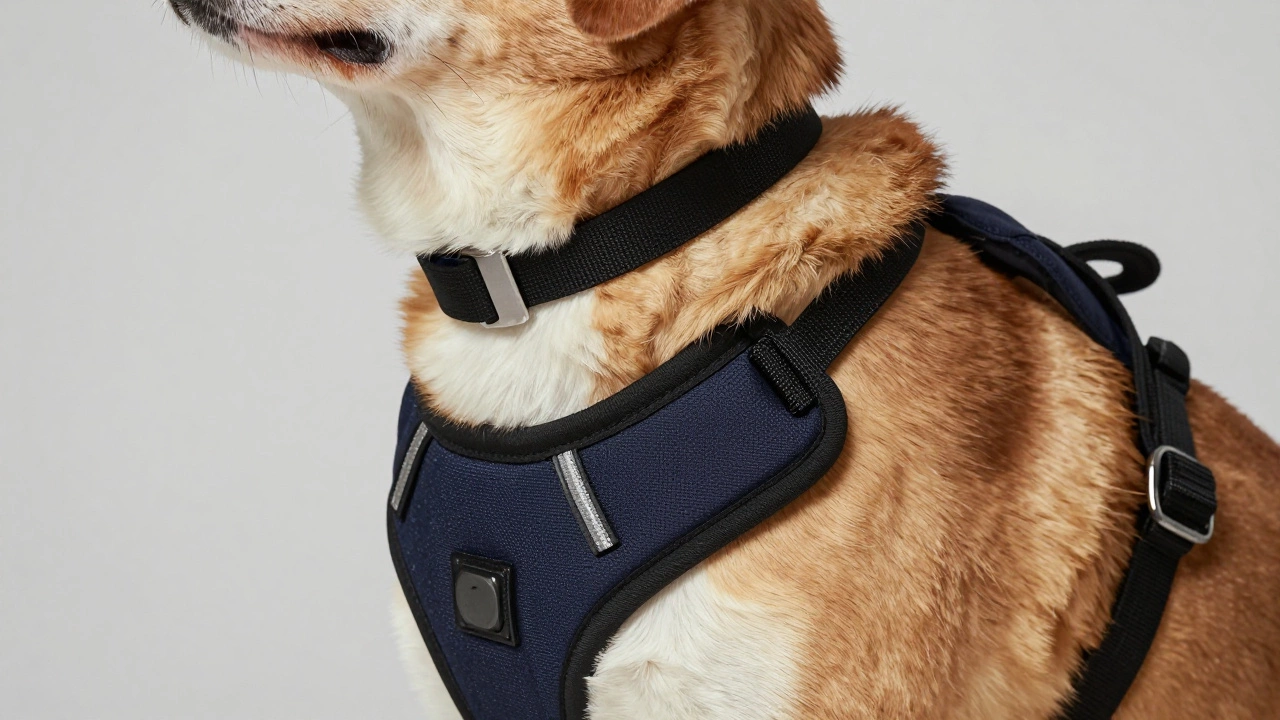 3 May 2026
- Morgan Ainsworth
- 0 Comments
Collar vs. Harness for Dogs: Which Is Safer and More Comfortable?
Discover whether a dog collar or harness is safer for your pet. Learn how each affects your dog's health, control, and behavior during walks.
View More 5 January 2026
- Morgan Ainsworth
- 0 Comments
Should You Remove a Dog's Collar at Night? Safety, Comfort, and Expert Advice
Should you remove your dog's collar at night? Learn the safety risks, expert advice, and smart alternatives like microchips and breakaway collars to keep your dog safe and comfortable.
View More 28 December 2025
- Morgan Ainsworth
- 0 Comments
What Will Shut Up a Barking Dog? Effective Dog Collar Solutions That Actually Work
Discover which dog collars actually stop excessive barking without causing stress. Learn how vibration and smart collars work, what to avoid, and how to pair them with real training for lasting results.
View More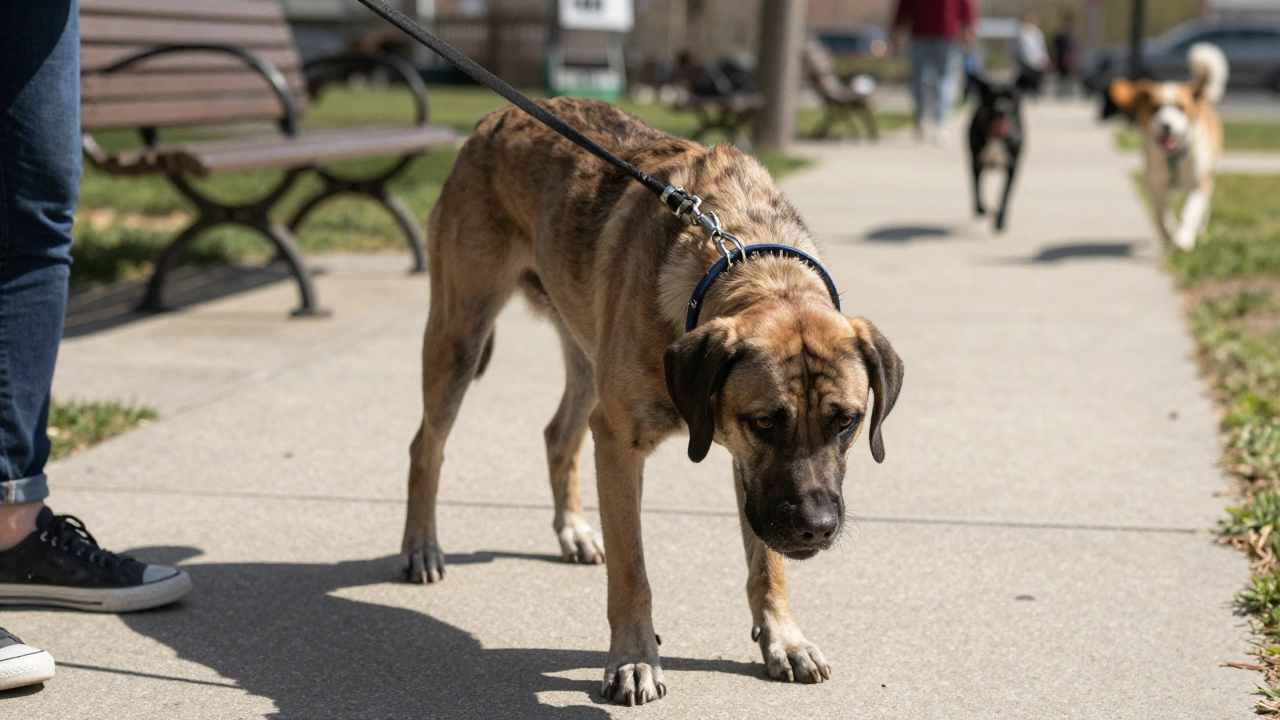 4 December 2025
- Morgan Ainsworth
- 0 Comments
Why Do People Hate Prong Collars So Much?
Prong collars cause pain, fear, and long-term harm to dogs-even when used "correctly." Learn why experts, veterinarians, and dog owners are rejecting them in favor of humane, science-backed training methods.
View More 4 December 2025
- Morgan Ainsworth
- 0 Comments
Is It Safe for Dogs to Wear Collars All the Time? Vet-Approved Guidelines
Is it safe for dogs to wear collars all the time? Learn vet-approved guidelines on collar safety, when to remove them, alternatives like harnesses and microchips, and how to prevent neck injuries and skin damage.
View More