Dog Gear Selector
Answer the questions below to find out which gear is safest for your specific dog.
Why this choice?
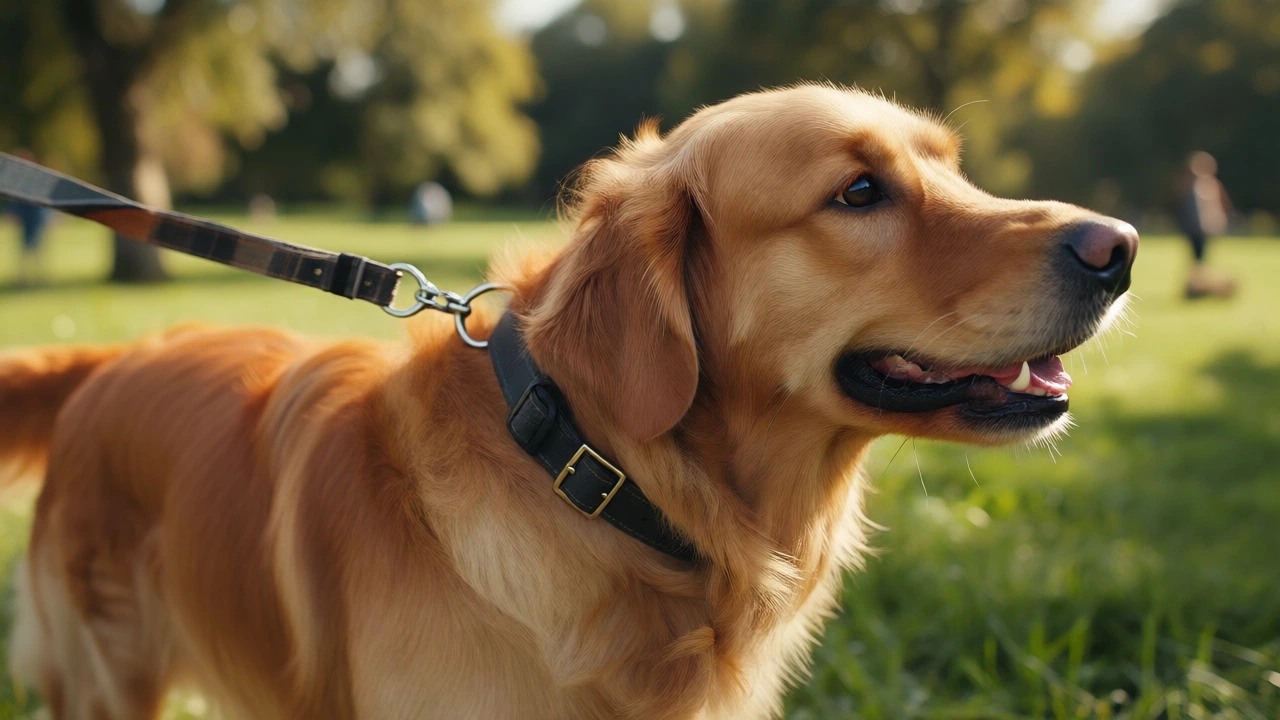
You’ve probably seen it happen at the local park: a golden retriever lunges forward to chase a squirrel, and the owner winces as the dog collar tightens around the pup’s neck. It’s a common sight, but is that wince justified? For decades, collars were the default choice for dog owners, but in recent years, the dog harness has surged in popularity, promising better control and less strain. So, which one actually belongs on your dog?
The truth isn’t black and white. While veterinarians and trainers often lean toward harnesses for most dogs, collars still have their place. The right choice depends entirely on your dog’s breed, age, health history, and behavior. If you’re trying to decide between these two pieces of essential gear, this guide breaks down the pros, cons, and specific scenarios where each shines.
Why the Debate Exists: Anatomy and Safety
To understand why this debate persists, you have to look at canine anatomy. Dogs don’t breathe quite like we do when they pull. When a dog pulls against a standard flat collar, pressure is applied directly to the trachea (windpipe) and the thyroid gland. This can lead to coughing, gagging, or long-term respiratory issues, especially in smaller breeds with delicate throats.
A harness distributes that pressure across the chest and shoulders-the strongest parts of a dog’s body. Think of it like carrying a heavy backpack versus holding a heavy bag by a thin strap over one shoulder. The backpack (harness) spreads the weight evenly; the thin strap (collar) digs into a vulnerable spot. For many owners, switching to a harness immediately reduces the "coughing fit" after walks, a clear sign that the neck was under too much stress.
The Case for the Harness
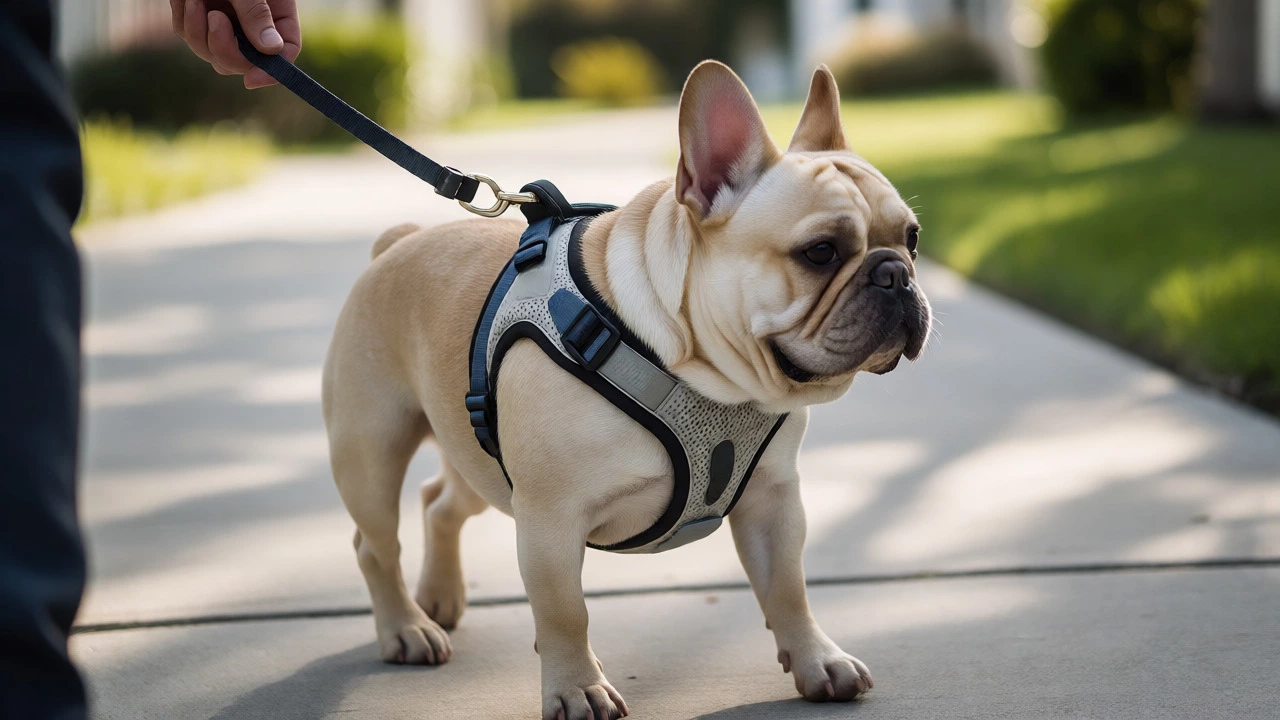
Harnesses are generally considered the safer option for the majority of dogs. They come in various styles, but the most recommended type for walking is the Y-shaped harness, which allows full range of motion for the front legs. Unlike older designs that restricted shoulder movement, modern Y-harnesses let dogs move naturally while keeping them secure.
- Better Control: A well-fitted harness gives you more leverage. If your dog tries to bolt, you can redirect their momentum from the center of mass rather than just yanking their head sideways.
- Neck Protection: By bypassing the neck, harnesses protect the trachea, cervical spine, and eyes. This is critical for brachycephalic breeds (flat-faced dogs like Pugs, Bulldogs, and Frenchies) who already struggle with breathing.
- Escape Prevention: Many harnesses are harder for clever escape artists to slip out of compared to loose collars, provided they are fitted correctly.
However, not all harnesses are created equal. Avoid "step-in" harnesses if your dog hates having their paws handled, as these can be frustrating to put on. Also, steer clear of front-clip harnesses if you haven’t trained your dog to walk politely; without proper training, some dogs learn to use the front clip to pivot and spin, making walks chaotic.
When a Collar Might Be Better
Does this mean collars are obsolete? Absolutely not. In certain contexts, a collar is the superior tool. For one, collars are lightweight and easy to put on-great for quick bathroom breaks or senior dogs with arthritis who hate being fussed over.
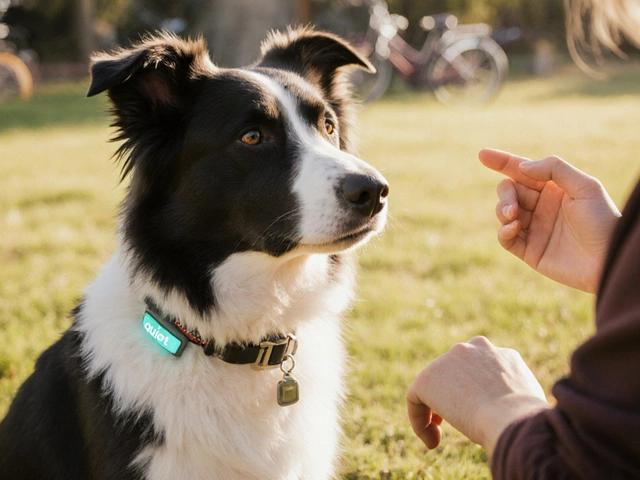
Collars are also essential for identification. Most vets recommend keeping a breakaway collar with ID tags on your dog at all times, even if they wear a harness for walks. If your dog slips its harness or gets lost, those tags are their ticket home. Furthermore, some working breeds or dogs with very deep chests (like Greyhounds) may find standard harnesses uncomfortable or restrictive, whereas a martingale-style collar offers a snug, safe fit without choking.
| Feature | Harness | Collar |
|---|---|---|
| Pressure Point | Chest and Shoulders | Neck and Trachea |
| Best For | Pullers, puppies, brachycephalic breeds | Identification, gentle walkers, deep-chested breeds |
| Risk | Can encourage pulling if back-clip only | Tracheal damage, eye pressure |
| Comfort | High (if fitted correctly) | Moderate (can chafe fur) |
| Cost | $15-$40+ | $5-$25 |
Special Considerations: Breed and Behavior
Your dog’s physical build plays a huge role in this decision. Small toy breeds like Chihuahuas or Yorkies have fragile windpipes. Using a collar on a tiny dog that likes to sniff intensely can cause serious injury. For these pups, a soft, padded vest-style harness is usually the gold standard.
Conversely, large powerful breeds like Huskies or Shepherds might need a sturdy, no-pull harness with a handle on top for extra control during high-energy activities. If you have a sighthound (Greyhound, Whippet), remember that their narrow heads and wide necks make them prone to slipping out of standard collars. A martingale collar-which tightens slightly when pulled but never chokes-is specifically designed for this anatomy.
Behavior matters too. If your dog is a chronic puller, a simple back-clip harness might actually make things worse. Because the attachment point is behind the shoulders, pulling forward feels natural, almost like wearing a plow. In these cases, a front-clip harness (where the leash attaches between the front legs) gently turns the dog sideways when they pull, discouraging the behavior without pain.
Fitting Tips: The Two-Finger Rule
Whether you choose a harness or a collar, a bad fit renders both ineffective. A loose harness lets your dog wiggle free; a tight one causes chafing and discomfort. The general rule of thumb is the "two-finger test." You should be able to slide two fingers comfortably between the strap and your dog’s skin. Not one finger (too tight), not three (too loose).
For harnesses, check the girth measurement carefully. Measure around the deepest part of the chest, just behind the front legs. For collars, measure around the base of the neck where the dog normally wears it. Always re-measure your puppy every few weeks-they grow faster than you think!
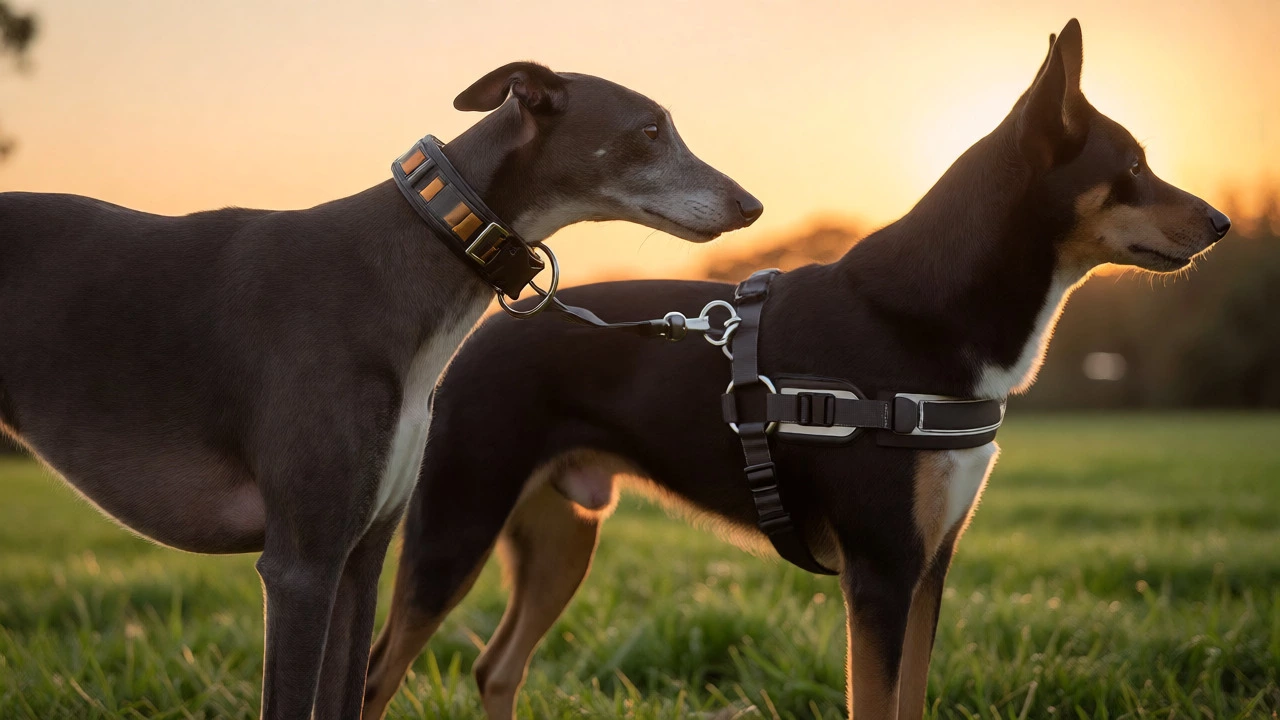
The Hybrid Approach: Best of Both Worlds
Here’s a secret many experienced dog owners use: combine them. Keep a lightweight, flat collar with ID tags on your dog 24/7 for safety and identification. Then, attach the leash to a well-fitted harness for walks. This way, you get the neck protection of the harness and the legal/safety benefits of the collar. Just ensure the collar isn’t so bulky that it rubs against the harness straps, causing hot spots.
If you’re transitioning from a collar to a harness, introduce it gradually. Let your dog sniff it, treat them for putting their head through, and practice indoors before heading outside. Some dogs feel strange in a harness at first because it changes how they balance. Give them time to adjust.
Final Verdict
So, is it better to walk a dog with a harness or a collar? For most dogs, especially those who pull, have respiratory issues, or are young, the harness wins on safety and comfort grounds. It protects the neck and gives you better control. However, collars remain vital for identification and are perfectly fine for calm, well-trained dogs with healthy necks.
Don’t feel pressured to ditch your collar entirely. Instead, assess your individual dog. Watch how they move, listen for coughing, and check for red marks after walks. If there’s any doubt, consult your vet or a certified trainer. The goal isn’t just to hold your dog-it’s to keep them safe, comfortable, and happy on every adventure.
Do I need both a collar and a harness?
Yes, ideally. Use a harness for walks to protect your dog's neck and improve control, but keep a breakaway collar with ID tags on at all times for identification purposes in case your dog escapes.
Are harnesses better for puppies?
Generally, yes. Puppies have developing bones and muscles, and they tend to pull or lunge unpredictably. A harness prevents injury to their delicate trachea and neck structures while they learn leash manners.
Can a collar hurt my dog?
Yes, especially if the dog pulls hard. Pressure on the neck can damage the trachea, thyroid, and blood vessels leading to the eyes. Flat-faced breeds and small toy breeds are particularly susceptible to collar-related injuries.
Which harness stops pulling best?
Front-clip harnesses are most effective at reducing pulling because they gently turn the dog's body sideways when they lunge forward. However, they require some training to be fully effective and work best combined with positive reinforcement techniques.
How tight should a dog harness be?
It should be snug but not restrictive. You should be able to fit two fingers between the harness straps and your dog's body. If you can't fit two fingers, it's too tight; if you can fit three or more easily, it's too loose and could slip off.