Senior Dog Grooming Safety Planner
Generate a customized, low-stress grooming checklist based on your senior dog's specific needs and limitations.
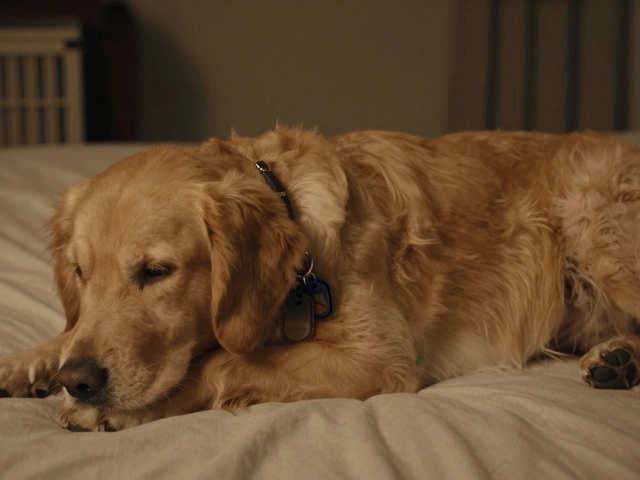
There comes a moment when your once energetic companion starts moving slower. Their joints stiffen up, their eyesight fades, and they seem more interested in napping than playing fetch. It’s natural to wonder if you should keep bringing them to the groomer or even brushing them at home. The short answer is no, a dog is never too old to groom. In fact, regular grooming becomes even more critical as they age. However, the approach needs to change completely.
Grooming an elderly dog isn't just about looking good; it's a vital part of their healthcare routine. Neglecting hygiene can lead to painful skin infections, matted fur that pulls on sensitive skin, and overgrown nails that cause posture issues. But forcing a stressed, fragile senior into a standard grooming session can be traumatic for both of you. The goal shifts from 'show ready' to 'comfort and health.'
Why Grooming Matters More for Senior Dogs
As dogs age, their bodies undergo significant changes that make hygiene harder to maintain independently. An older dog might not have the flexibility to lick away dirt or saliva from their coat. This buildup can quickly turn into hot spots or bacterial infections. Furthermore, many senior dogs suffer from arthritis. If their nails grow too long, it alters the angle of their paw, putting extra strain on their already sore joints. Keeping nails trimmed is essentially pain management.
Skin health also declines with age. Older dogs often have drier skin and thinner coats. Regular brushing distributes natural oils (sebum) across the skin, keeping it supple and preventing flakiness. For breeds like Poodles, which are prone to matting, this is non-negotiable. Mats pull on the skin constantly, causing chronic discomfort. Removing these mats gently is a kindness, not a chore.
| Grooming Action | Health Benefit | Risk if Ignored |
|---|---|---|
| Nail Trimming | Maintains proper posture and reduces joint strain | Arthritis aggravation, splayed toes, slipping on floors |
| Brushing Coat | Distributes oils, prevents mats, stimulates circulation | Skin infections, heatstroke (in summer), pain from pulling |
| Ear Cleaning | Prevents wax buildup and yeast infections | Chronic ear infections, hearing loss, head shaking injuries |
| Teeth Brushing | Reduces plaque and bad breath | Periodontal disease, tooth loss, heart/kidney issues |
Signs Your Senior Dog Needs a Different Approach
If your dog used to love the bath but now trembles or tries to hide, their tolerance has changed. Watch for specific cues that indicate stress or physical discomfort. Panting heavily while standing still, tucked tails, whale eye (showing the whites of their eyes), or trembling are clear signs of anxiety. On the physical side, stiffness when getting up, whining when touched in certain areas, or difficulty walking on slippery surfaces suggests that the environment itself is causing pain.
Cognitive decline, often called Canine Cognitive Dysfunction (CCD), can also affect how a dog perceives grooming. They may forget where they are or why strange tools are being brought near them. This confusion increases fear. Recognizing these signs early helps you adjust your strategy before a full-blown panic sets in. It’s not about pushing through; it’s about working with their current capabilities.
Modifying the Grooming Environment
The standard grooming table or tub can be a nightmare for an arthritic dog. Slippery surfaces are terrifying because they can’t trust their footing. Start by laying down a non-slip yoga mat or rubberized bath mat in the shower or tub. This gives them confidence and stability. If you’re using a grooming table, cover it with a thick, textured towel or a specialized non-slip pad.
Temperature control is another major factor. Senior dogs regulate body heat less efficiently. Ensure the room is warm, not drafty. Water should be lukewarm-never cold. Cold water can shock their system and exacerbate joint pain. Consider using a handheld sprayer instead of a showerhead to direct water flow gently, avoiding sudden loud noises that might startle them.
Lighting matters too. Dim, harsh fluorescent lights can be disorienting for dogs with cataracts or clouded lenses. Use soft, natural light or warm-toned bulbs. Keep the space quiet. Turn off the TV or radio if the background noise adds to their sensory overload. You want the experience to feel calm and predictable.
Tools and Techniques for Low-Stress Grooming
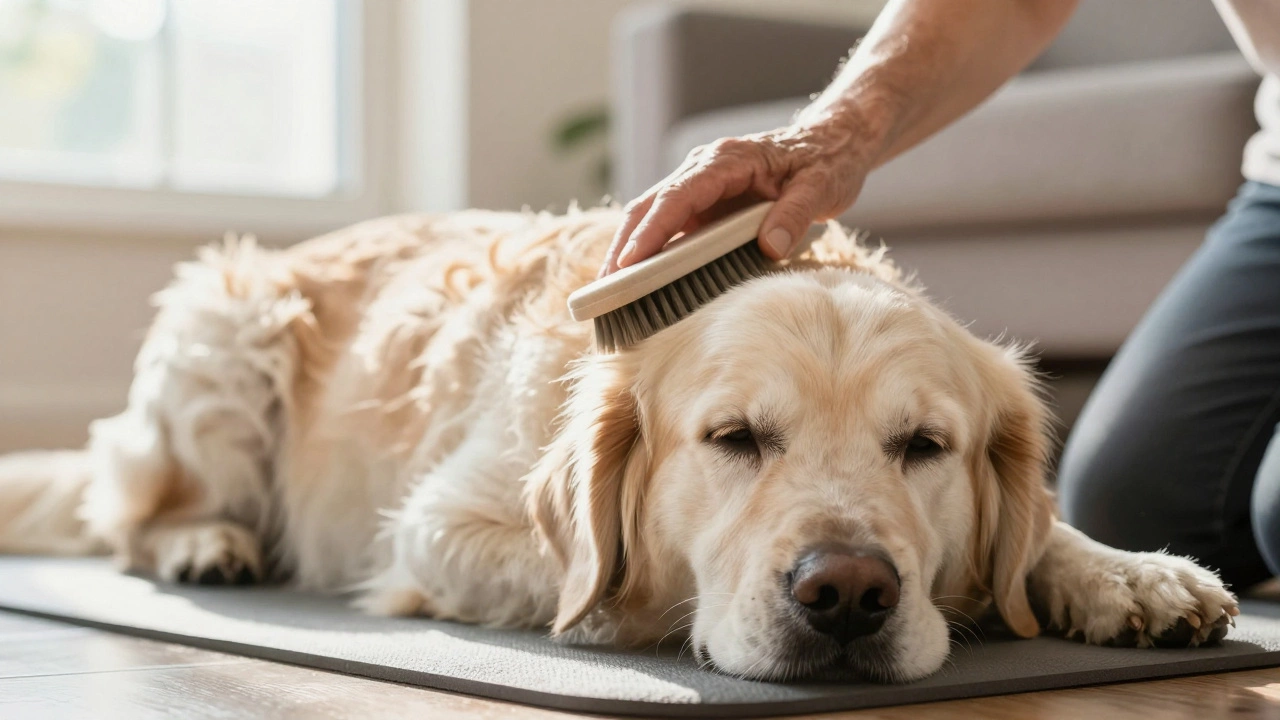
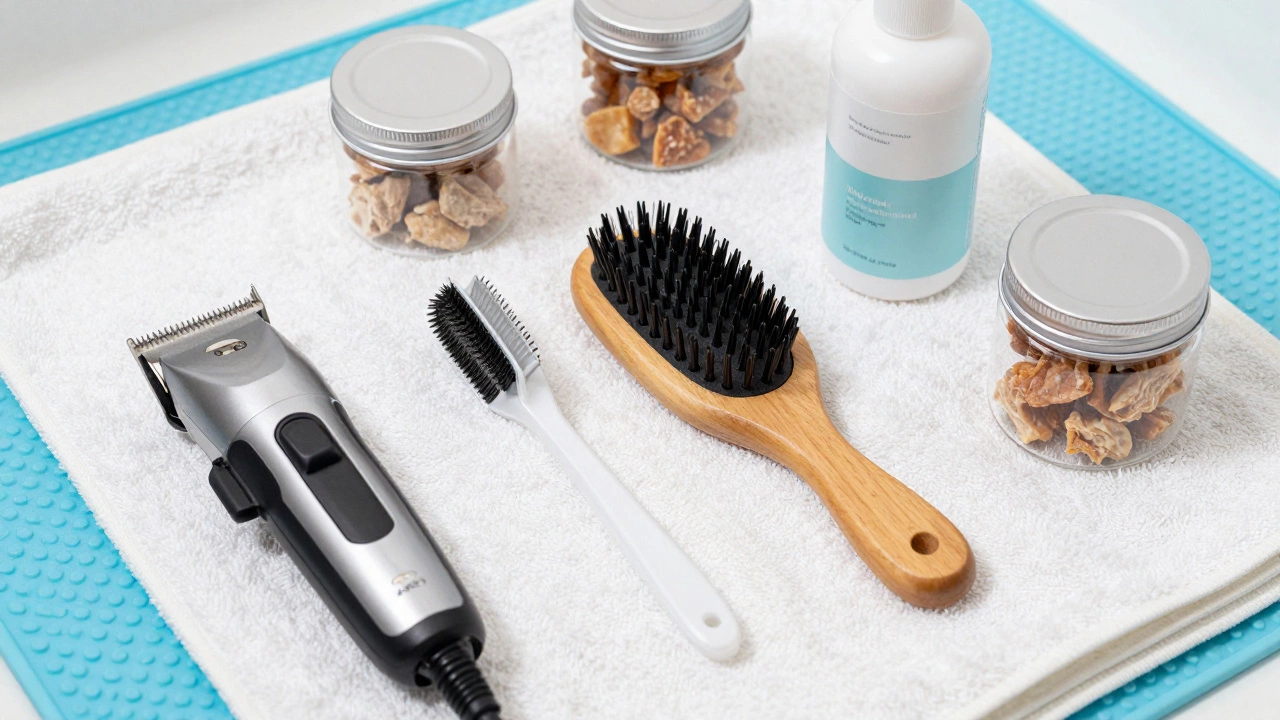
Your toolkit needs to evolve. Heavy-duty clippers that vibrate loudly might scare a sensitive senior. Look for quiet, cordless clippers designed for anxious pets. For brushing, swap out metal pins for softer bristle brushes or slicker brushes with rounded tips. These glide through the coat without scratching the delicate skin.
- Use High-Value Rewards: Have treats ready. Chicken jerky, peanut butter (xylitol-free), or cheese works well. Reward every small step: stepping onto the mat, tolerating a brush stroke, sitting calmly.
- Short Sessions: Break grooming into micro-sessions. Five minutes today, five minutes tomorrow. It’s better to do a little bit frequently than one stressful hour-long session.
- Positioning: Avoid lifting heavy senior dogs unnecessarily. Let them walk onto a raised platform if possible. If you must lift, support their chest and hindquarters evenly to avoid straining their spine.
- Desensitization: Let them sniff new tools before using them. Associate the sound of clippers with positive things like treats, gradually increasing proximity over days.
For bathing, consider using a no-rinse foam cleanser. These products clean the coat without the hassle of water, rinsing, and drying. They are especially useful for dogs who hate water or have mobility issues that make standing in a tub difficult. Just massage it in and wipe it off with a towel.
When to Call a Professional Mobile Groomer
There’s no shame in asking for help. If your dog is too large, too aggressive due to pain, or if you simply don’t have the physical ability to manage them safely, hire a professional. However, not all groomers are equipped for seniors. Look for a mobile groomer who comes to your home. This eliminates the stress of car rides and waiting in a cage at a salon.
Communicate clearly with the groomer. Tell them about your dog’s medical conditions, medications, and specific fears. Ask if they offer 'de-shedding' or 'sanitary trims' rather than full cuts. Many professionals use calming aids like pheromone sprays (Adaptil) or Thundershirts. Some even offer sedation-assisted grooming in collaboration with your vet, though this is a last resort.
Avoid chain salons where speed is prioritized over comfort. Independent, bond-based groomers often take more time and care. Check reviews specifically mentioning 'senior dogs' or 'anxious pets.' A good groomer will let you observe and stop immediately if your dog shows distress.
Medical Considerations and Vet Consultation
Before starting any new grooming routine, talk to your veterinarian. Pain is a huge barrier. If your dog is grimacing when you touch their legs, they might need pain relief medication before grooming can happen comfortably. Medications like Gabapentin can help reduce anxiety and pain during sessions. Always consult your vet before administering any drugs.
Check for lumps, bumps, or sores during grooming. Skin cancer and other growths are common in older dogs. Early detection saves lives. Also, inspect their ears for redness or discharge, which could indicate an infection requiring prescription drops. Grooming is essentially a monthly health check-up disguised as pampering.
Creating a Calming Routine
Routine provides security. Try to groom at the same time each day, perhaps after a walk when they are tired and relaxed. Play classical music or white noise to mask outside sounds. Speak in a low, soothing voice. Your energy affects your dog. If you are rushed or frustrated, they will sense it. Take deep breaths. Make the process slow and deliberate.
End every session on a high note. Even if you only brushed one leg, finish with a big reward and affection. This builds positive associations. Over time, your dog may start to look forward to the treats and attention, reducing resistance. Patience is your most important tool here.
Is it cruel to groom a very old dog?
No, it is not cruel if done correctly. Proper grooming prevents pain from mats, overgrown nails, and skin infections. However, forcing a terrified dog into a stressful situation is harmful. The key is adapting the method to be gentle, short, and positive. If the dog cannot tolerate any handling, focus on basic hygiene like nail filing and sanitary trims, or seek professional help.
How often should I bathe a senior dog?
Less often than younger dogs. Bathing strips natural oils, which senior dogs produce less of. Once a month or even every six weeks is usually sufficient unless they get dirty. Use a moisturizing, hypoallergenic shampoo. Between baths, use waterless foam cleaners to freshen up the coat.
What if my senior dog bites when I try to trim nails?
Stop immediately. Biting is often a sign of pain or extreme fear. Do not punish them. Try filing the nails instead of clipping, as it makes less noise and pressure. If this fails, consult your vet for pain management options or hire a professional groomer experienced with aggressive or fearful seniors. Safety for both you and your dog is paramount.
Can I use human hair dryers on my senior dog?
Generally, no. Human hair dryers are too loud and hot, which can burn thin senior skin and cause panic. Use a pet-specific dryer on the lowest heat and speed setting, or better yet, air dry them in a warm room. Towel drying gently is often the safest option for very old dogs.
Are there supplements that help with senior dog skin and coat?
Yes, Omega-3 fatty acids (fish oil) can improve skin hydration and reduce inflammation. Vitamin E is also beneficial. Always ask your vet for dosage recommendations based on your dog's weight and health status. These supplements support overall health, making the coat easier to manage.