There’s no one-size-fits-all answer to how often dogs should get groomed. It’s not just about making them look nice-it’s about keeping them healthy, comfortable, and free from painful matting, skin infections, or ear problems. A Poodle might need a trim every four weeks, while a short-haired Beagle might only need a brush once a week. Getting this wrong can lead to serious issues, from hot spots to tangled fur that pulls on the skin. So what’s the real rule? It depends on your dog’s coat type, lifestyle, and breed.
Coat Type Is the Biggest Factor
Dogs have four main coat types, and each needs a different grooming routine. If you don’t know which one your dog has, look at the texture and length of their fur. Is it curly and dense? Fine and silky? Short and smooth? Or thick and double-layered? That’s your starting point.
Short-coated dogs like Boxers, Bulldogs, or Dachshunds have fur that’s easy to maintain. A quick brush with a rubber curry comb once a week removes loose hair and spreads natural oils. Bathing every 6 to 8 weeks is usually enough unless they roll in mud or smell bad. Over-bathing dries out their skin and can cause itching.
Medium-coated dogs like Cocker Spaniels or Border Collies need more attention. Their fur tangles easily, especially behind the ears and under the legs. Brushing 2 to 3 times a week prevents mats. A professional groom every 8 to 12 weeks helps keep the coat neat and clean, especially if they spend time outside.
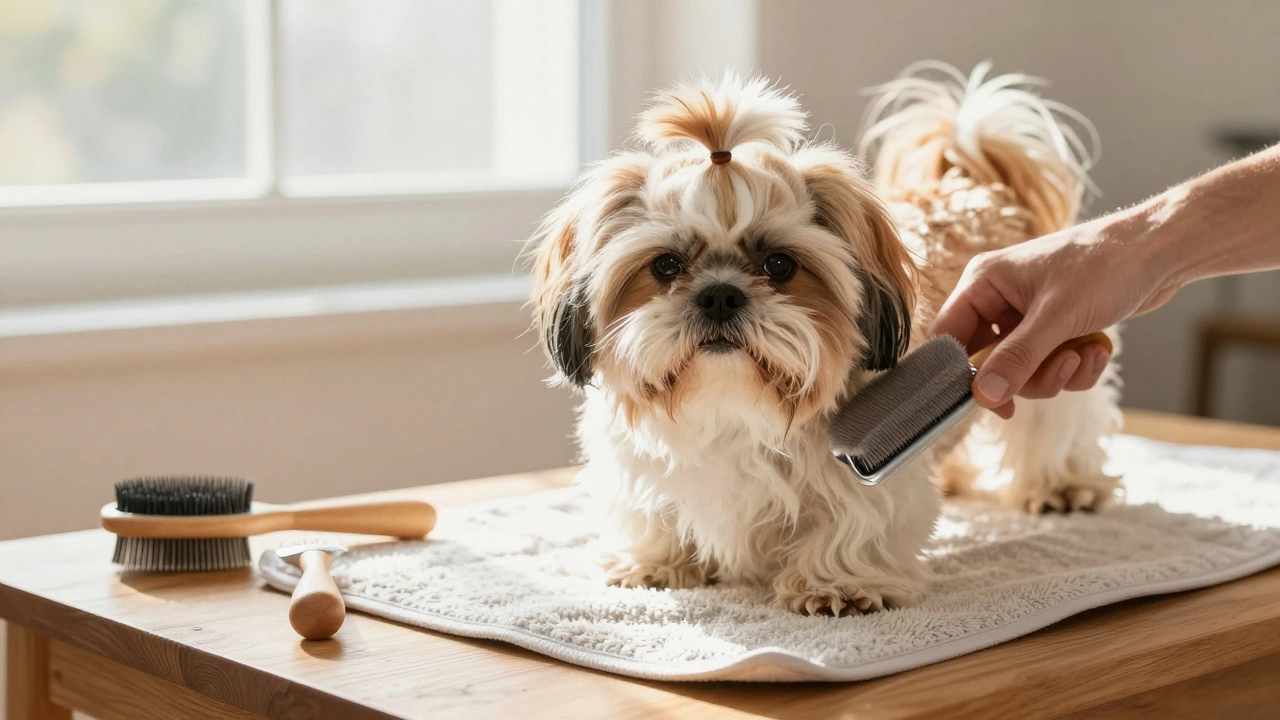
Long-coated dogs like Shih Tzus, Maltese, or Afghan Hounds require daily brushing. Left unattended, their fur can knot into tight balls that pull on the skin. These breeds often need a full trim every 4 to 6 weeks to avoid overheating and to keep their legs and underbelly clean. Many owners opt for a "puppy cut"-a shorter, manageable style that reduces daily maintenance.
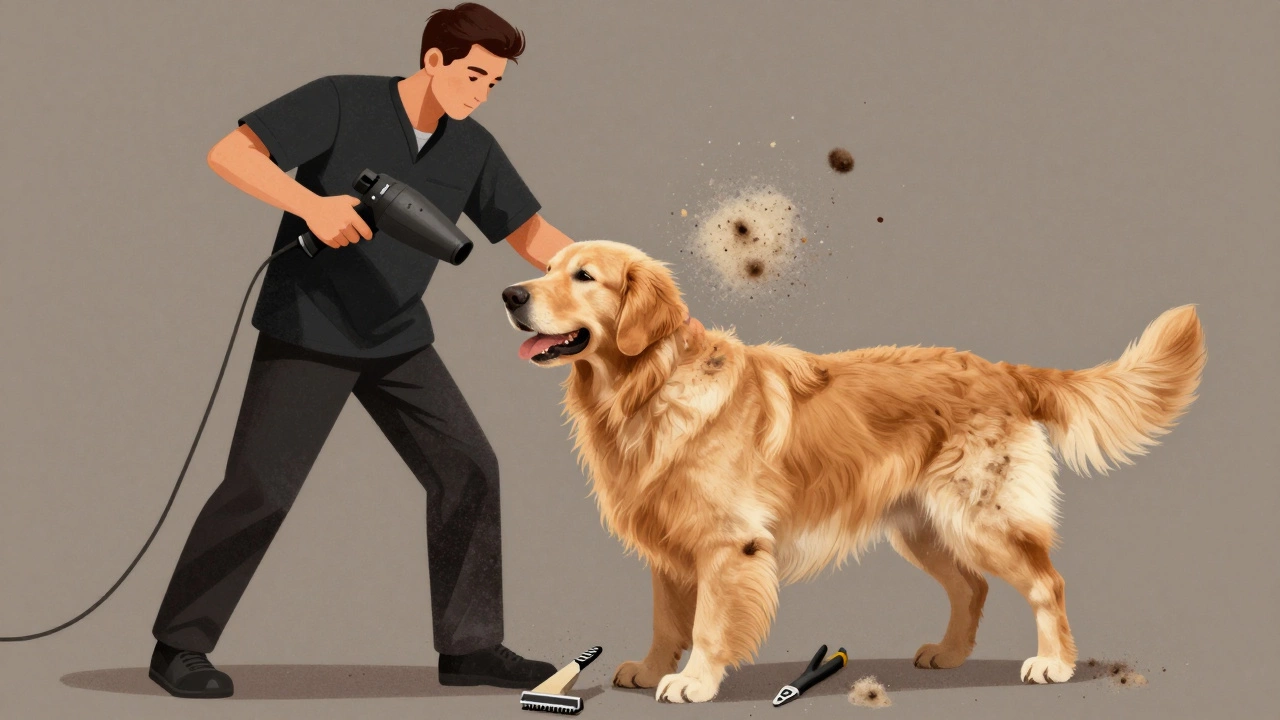
Double-coated dogs like Golden Retrievers, Huskies, or German Shepherds shed heavily twice a year. During those seasons, daily brushing with an undercoat rake is non-negotiable. Outside of shedding season, brush 2 to 3 times a week. Never shave a double-coated dog. Their coat protects them from sunburn and temperature extremes. Shaving can permanently damage the undercoat, leaving them vulnerable.
Breed-Specific Needs
Some breeds have grooming needs that go beyond coat type. Terriers, for example, have wiry coats that need hand-stripping-a process where dead hair is pulled out by hand or with a stripping knife. This keeps their coat harsh and weather-resistant. Clipping instead of stripping turns their coat soft and loses its protective quality. It’s a job best left to a professional groomer who knows the breed standard.
Yorkies and Poodles have hair that grows continuously, like human hair. They don’t shed much, but that means their hair keeps growing. Without regular trims, it can get in their eyes, trap food, or tangle around their paws. These breeds typically need a full groom every 4 to 6 weeks, including nail trims and ear cleaning.
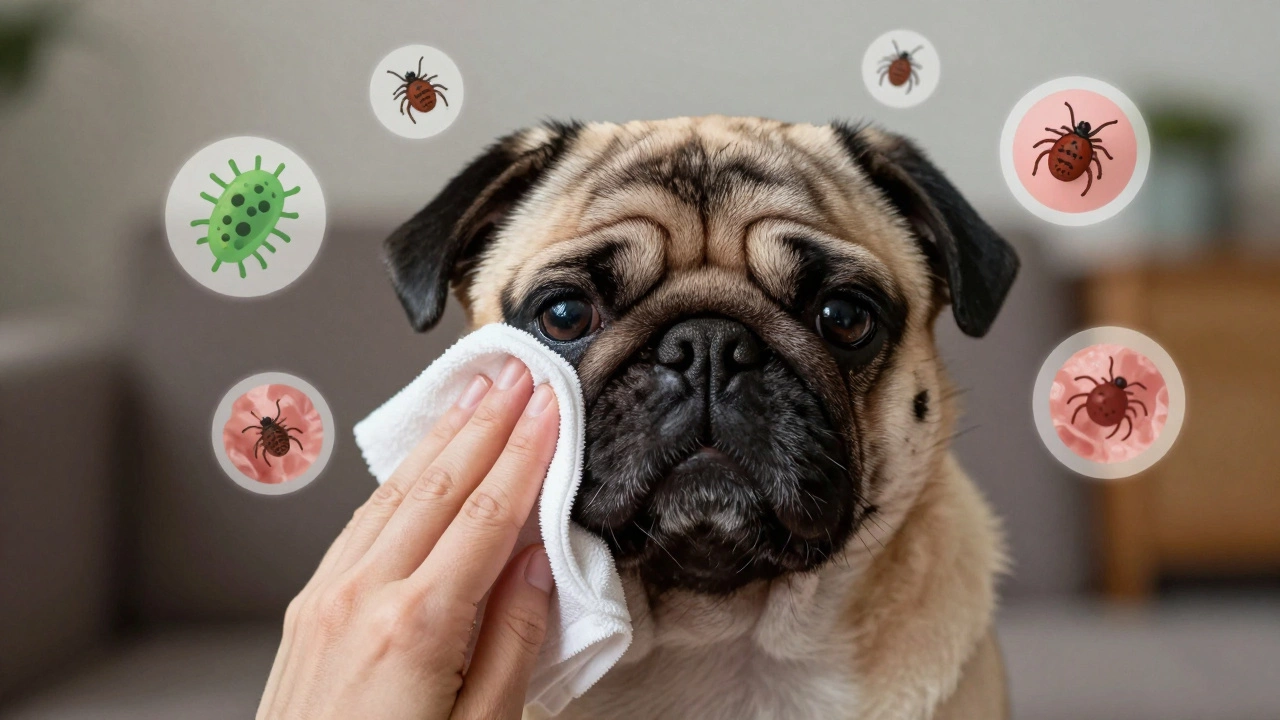
Brachycephalic breeds-dogs with short noses like Pugs or French Bulldogs-need extra care around their facial wrinkles. These folds trap moisture and dirt, leading to bacterial infections. Wipe them daily with a damp cloth and dry thoroughly. Skip the heavy moisturizers; they make it worse.
Activity Level and Environment Matter
A dog that spends all day in the garden will get dirtier than one that stays indoors. If your dog rolls in mud, swims in lakes, or walks through tall grass, they’ll need more frequent baths and checks for burrs or ticks. After outdoor adventures, wipe their paws and check between the toes. Grass seeds can get stuck and work their way into the skin, causing painful abscesses.
Senior dogs or those with mobility issues might not be able to groom themselves properly. Arthritis can make it hard for them to lick their paws or clean their rear end. This increases the risk of urine scalding or fecal matter sticking to their fur. These dogs benefit from more frequent brushing and sanitary trims around the hindquarters.
Indoor dogs in heated homes often develop dry skin. Use a humidifier in winter and brush more often to stimulate oil production. A light coat of dog-safe conditioner after bathing can help, but avoid overdoing it-residue can clog pores.
What a Professional Groomer Actually Does
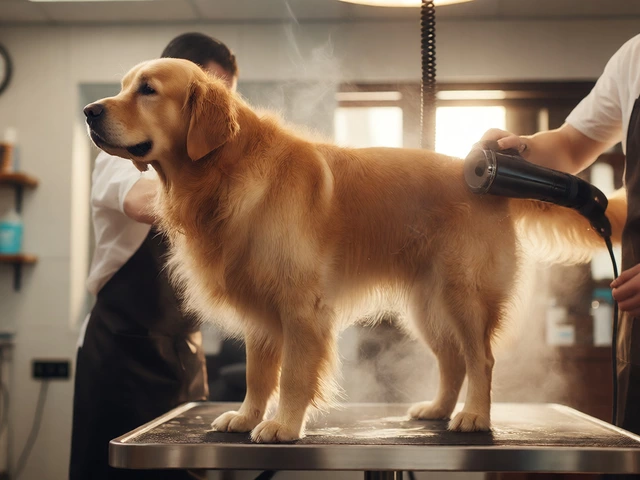
Many owners think grooming is just a bath and a trim. It’s more than that. A full professional groom includes:
- Bathing with breed-appropriate shampoo
- Drying with high-velocity blowers to remove loose undercoat
- Brushing out tangles before and after the bath
- Trimming nails (too long nails cause joint strain)
- Cleaning ears (wax buildup leads to infections)
- Expressing anal glands (if needed-this isn’t always part of a standard groom)
- Sanitary trim around genitals and anus
- Coat styling based on breed or owner preference
If your groomer skips any of these steps, ask why. A good groomer will explain what they’re doing and why. Don’t let them rush through it. A 15-minute "quick groom" isn’t enough for most dogs.
Signs Your Dog Needs Grooming Now
You don’t need to wait for a scheduled appointment if you notice these signs:
- Fur that mats easily, especially around the armpits or tail base
- Strong, sour smell even after a bath
- Excessive scratching or licking of paws or belly
- Dirt or debris stuck in fur that won’t brush out
- Overgrown nails that click on the floor
- Red, flaky skin or bald patches
- Ear odor or dark discharge
If you see any of these, schedule a groom right away. Ignoring them can lead to infections, pain, or even vet bills.
DIY Grooming at Home
You can do a lot yourself. You don’t need expensive tools. A good slicker brush, a metal comb, nail clippers, and dog-safe shampoo are enough to start. Brush your dog while they’re calm-after a walk or during quiet time. Make it a bonding moment, not a chore.
Never use human shampoo. It’s too harsh. Use a pH-balanced dog shampoo. For dogs with sensitive skin, oatmeal-based formulas work well. Always rinse thoroughly. Leftover shampoo causes itching.
Trimming nails is scary for many owners. If you’re unsure, ask your vet or groomer to show you how. Look for the quick-the pink part inside the nail. Cut only the tip, and have styptic powder on hand in case you nick it.
When to Skip Grooming
There are times when grooming should wait. If your dog is sick, recovering from surgery, or has open wounds, avoid bathing or brushing the affected area. Stress can worsen health issues. Talk to your vet first.
Very young puppies under 12 weeks and elderly dogs with fragile skin should be handled gently. Use soft brushes and skip harsh shampoos. A quick wipe-down with a damp cloth is often enough.
What Happens If You Don’t Groom Your Dog
Skipping grooming doesn’t just make your dog look messy. It causes real health problems:
- Mats pull on the skin, causing pain and sores. They trap moisture, leading to fungal infections.
- Overgrown nails change how your dog walks, putting stress on joints and leading to arthritis.
- Dirty ears can turn into chronic ear infections that need antibiotics or surgery.
- Dirty skin breeds bacteria and parasites. Fleas and ticks thrive in matted fur.
- Smell isn’t just unpleasant-it’s a sign of infection or anal gland issues.
One owner in Bristol told me her Labrador developed a severe skin infection because she waited too long between grooms. The vet bill was £400. A monthly groom would’ve cost £35. Prevention is always cheaper than treatment.
Sample Grooming Schedule by Breed
Here’s a quick reference for common breeds:
| Breed | Coat Type | Brushing Frequency | Professional Groom | Bathing Frequency |
|---|---|---|---|---|
| Beagle | Short | Once a week | Every 3 months | Every 6-8 weeks |
| Golden Retriever | Double | Daily during shedding, 3x/week otherwise | Every 8-12 weeks | Every 6-8 weeks |
| Shih Tzu | Long | Daily | Every 4-6 weeks | Every 2-3 weeks |
| Poodle | Curly | Daily | Every 4-6 weeks | Every 2-3 weeks |
| Pug | Short | Once a week | Every 3 months | Every 6-8 weeks |
| Border Collie | Medium | 2-3 times a week | Every 8-10 weeks | Every 6-8 weeks |
These are starting points. Adjust based on your dog’s individual needs.
Final Tip: Make It Routine
The best grooming schedule is the one you stick to. Set a reminder on your phone. Keep your tools in one place. Make grooming part of your weekly rhythm-like laundry or walking the dog. Your dog will come to expect it, and over time, they’ll even enjoy the attention.
Remember: grooming isn’t a luxury. It’s basic care-like brushing your teeth. A well-groomed dog is a healthier, happier dog. And it doesn’t have to be expensive or time-consuming. Just consistent.