
Dog Beds – Comfort, Choice & Care for Your Pup
If you’ve ever bought a dog bed that ended up as a chew toy, you know the frustration. A good dog bed does more than fill a corner – it gives your pet a safe place to rest, helps with joint health, and can even curb restless behavior. Below you’ll get straight‑forward advice on picking a bed that actually gets used, plus a few tricks to keep it in good shape.
Choosing the Right Bed for Your Dog
First thing’s first – size matters. Measure your dog from nose to the tip of the tail when they’re lying down. Add a few inches and you’ve got the minimum dimensions you need. A bed that’s too small forces them to curl up uncomfortably; too large just wastes space and material.
Next, think about shape. Some pups love to sprawl out, so a rectangular or oval bed works best. Others prefer a nest‑like feel and will settle into a round, bolstered bed. Try observing how your dog sleeps at home – do they stretch out or curl up? That habit will guide you.
Material is another big factor. Orthopedic foam supports older dogs or breeds prone to hip problems, while a plush, washable cover is great for younger, messier dogs. Look for removable covers that can be tossed in the washing machine; a clean bed means fewer odors and a healthier skin environment.
If your dog spends a lot of time outdoors, consider a water‑resistant base or a raised platform that lets air circulate. This reduces dampness and keeps the bed from getting soggy after a rainy walk.
How Bed Habits Affect Your Dog’s Health
Where your dog sleeps can signal more than comfort preferences. Dogs that consistently choose your bed may be seeking extra security, especially if they’re anxious about being left alone. While sharing a bed can strengthen bonds, it can also reinforce separation anxiety if the pup relies on you for calm.
On the flip side, a well‑chosen dog bed can give a nervous dog its own safe zone. Placing the bed in a quiet corner, away from foot traffic, gives them a retreat when things get noisy. Adding a familiar blanket or a piece of your clothing can make the spot feel more reassuring.
Another health tip – keep the bed in a cool, dark area if your dog prefers sleeping in low light. Some dogs sleep better without bright lights, which can help them get deeper rest. If you notice your dog constantly rearranging or digging at the bed, it might be a sign the bed isn’t the right firmness or size.
Finally, rotate the bed every few weeks. Changing the orientation or moving it to a different room can keep the sleeping area fresh and prevent your pup from getting bored with the same spot.
Bottom line: a good dog bed is about matching size, shape, and material to your pet’s habits, then keeping it clean and well‑placed. Follow these basics and you’ll stop wasting money on beds that end up in the trash. Your dog will thank you with more relaxed, happy cuddles – and you’ll get a quieter house at night.
 14 September 2026
- Morgan Ainsworth
- 0 Comments
Should I Leave a Light On for My Dog at Night? Expert Advice
Wondering if your dog needs a night light? Discover how canine vision works, when darkness aids sleep, and which lighting options support your pet's health.
View More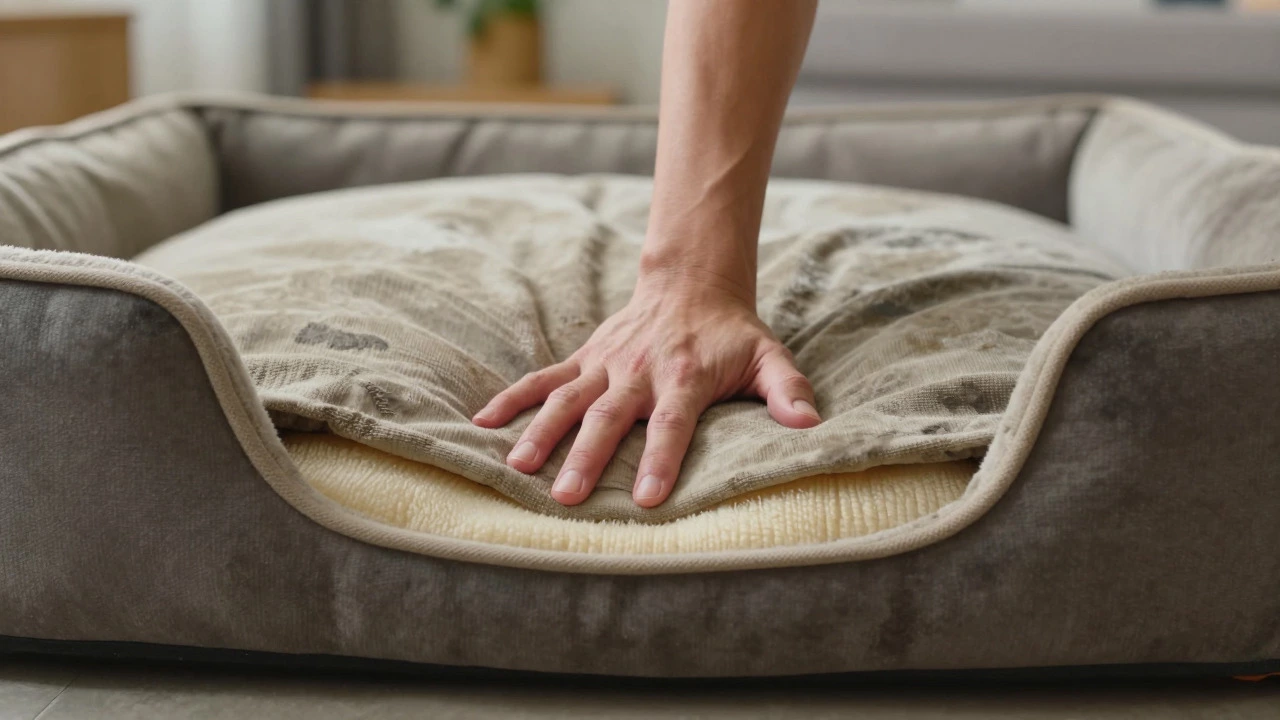 23 August 2026
- Morgan Ainsworth
- 0 Comments
How to Know If Your Dog Needs a New Bed: Signs and Solutions
Learn how to spot when your dog's bed is failing. Discover physical and behavioral signs that indicate it's time for a replacement to ensure comfort and joint health.
View More 16 August 2026
- Morgan Ainsworth
- 0 Comments
Do Dogs Like the Floor or Bed? The Truth About Canine Comfort
Wonder why your dog picks the cold floor over a plush bed? We break down the science behind canine sleeping preferences, covering temperature, joint health, and how to choose the right setup.
View More 10 August 2026
- Morgan Ainsworth
- 0 Comments
Do Dogs Prefer Round or Square Beds? The Science Behind Canine Sleep Shapes
Discover whether dogs prefer round or square beds. Learn how breed, size, and sleep style influence the best choice for your dog's comfort and health.
View More 9 July 2026
- Morgan Ainsworth
- 0 Comments
Do Dogs Prefer Circle or Square Beds? The Truth About Shape and Comfort
Discover whether your dog prefers a circle or square bed. Learn how shape affects sleep quality, anxiety, and joint health for different breeds and ages.
View More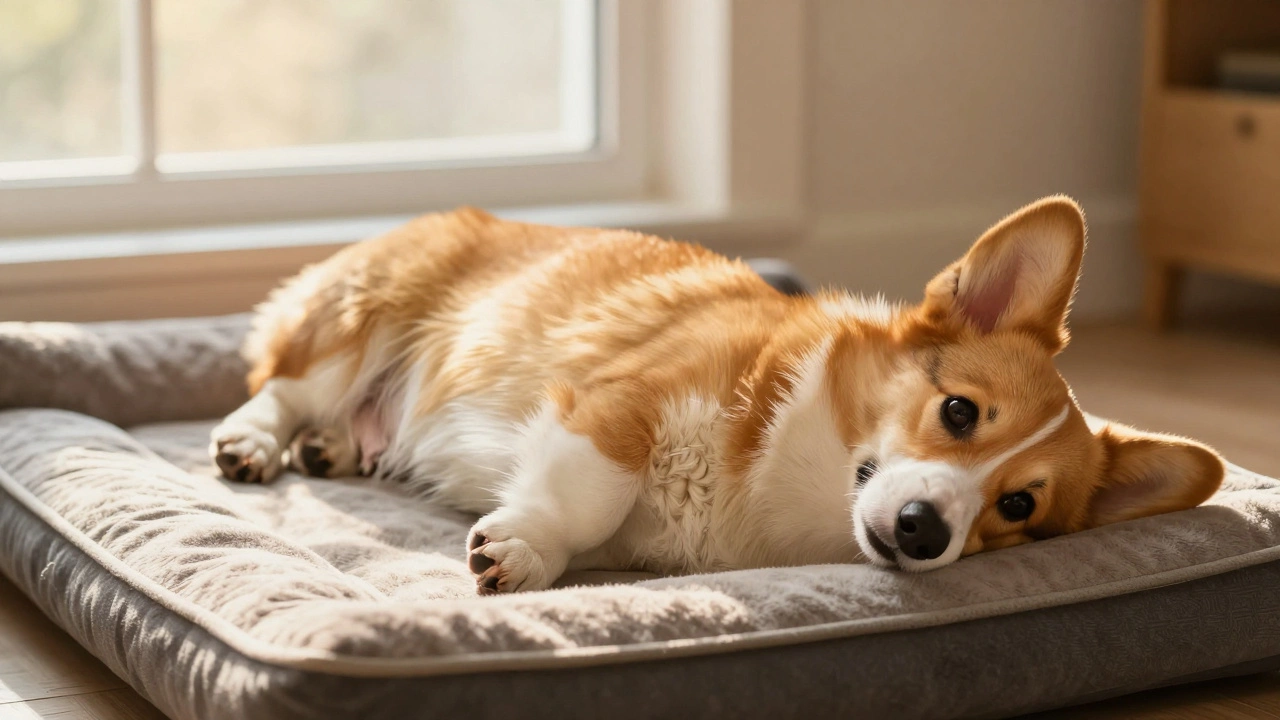 5 February 2026
- Morgan Ainsworth
- 0 Comments
What is Dog Splooting? A Complete Guide for Dog Owners
Dog splooting is a natural stretch where dogs lie flat with hind legs extended. It helps them cool down and relax. Common in breeds like Corgis and Labs, it's usually harmless. Choosing the right dog bed, like memory foam, supports this behavior. Learn why splooting happens and how to ensure your dog's comfort.
View More 1 December 2025
- Morgan Ainsworth
- 0 Comments
What Is a Mickey Dog? The Truth About This Popular Dog Bed Design
A Mickey dog bed is a popular pet bed shaped like Mickey Mouse's head, offering comfort and security for small dogs. Learn what it really is, who it's best for, and how to pick a durable, safe version.
View More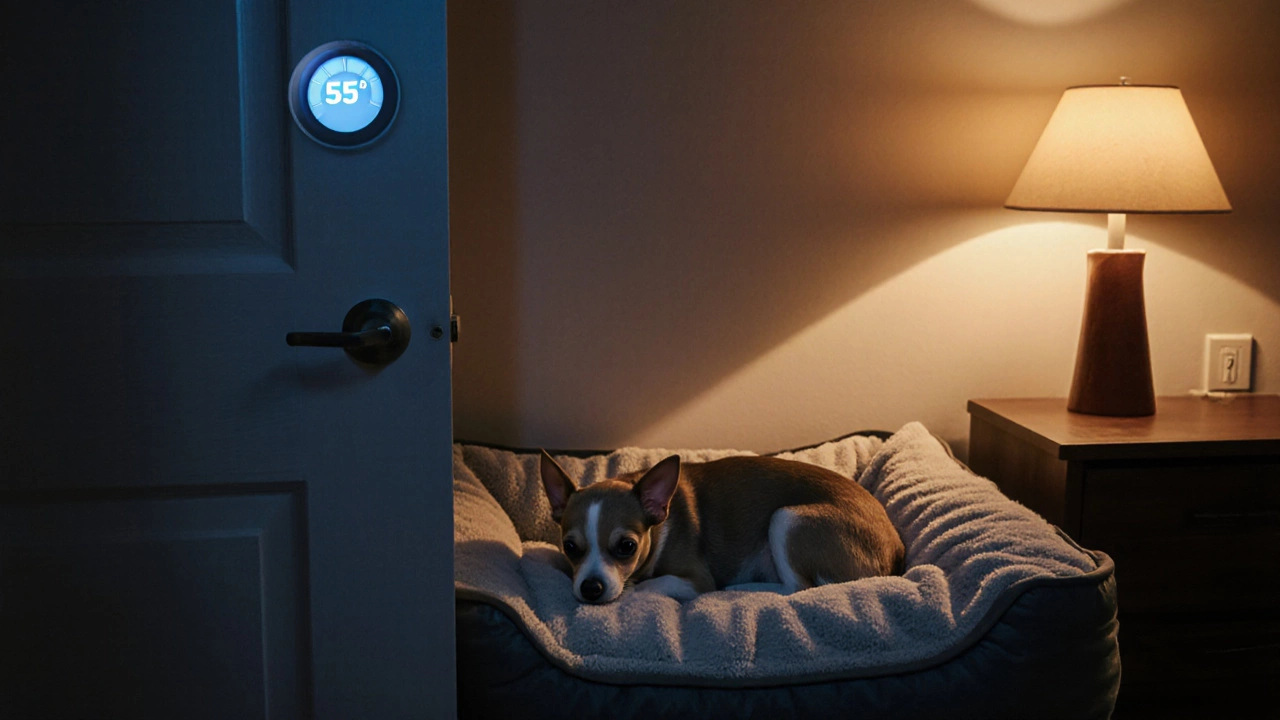 26 October 2025
- Morgan Ainsworth
- 0 Comments
Do Dogs Like to Sleep in Cold Rooms? - Understanding Canine Comfort
Explore whether dogs enjoy sleeping in cold rooms, the science of canine temperature regulation, and how to pick the right bed to keep them cozy.
View More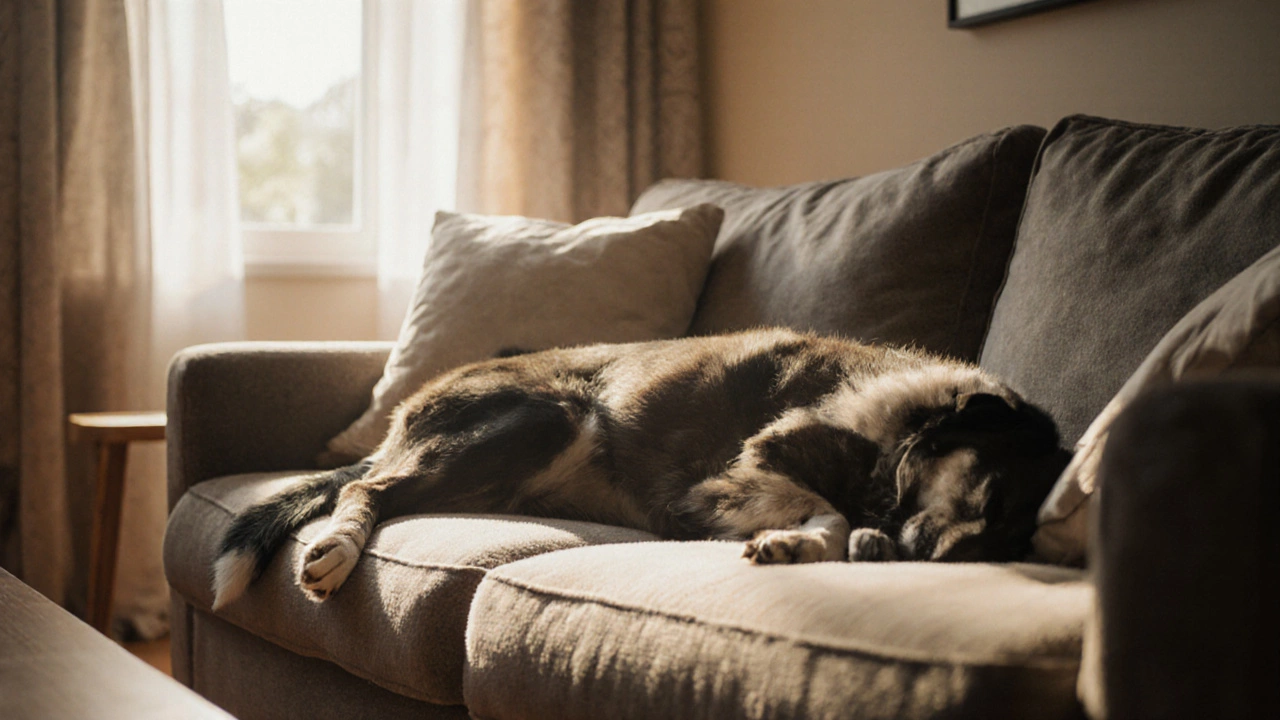 24 October 2025
- Morgan Ainsworth
- 0 Comments
Do Dogs Like Being Stroked While Asleep? Insights on Canine Sleep Comfort
Learn when and how to gently stroke a sleeping dog, read their sleep cues, and choose the right dog bed for a calm, comfortable rest.
View More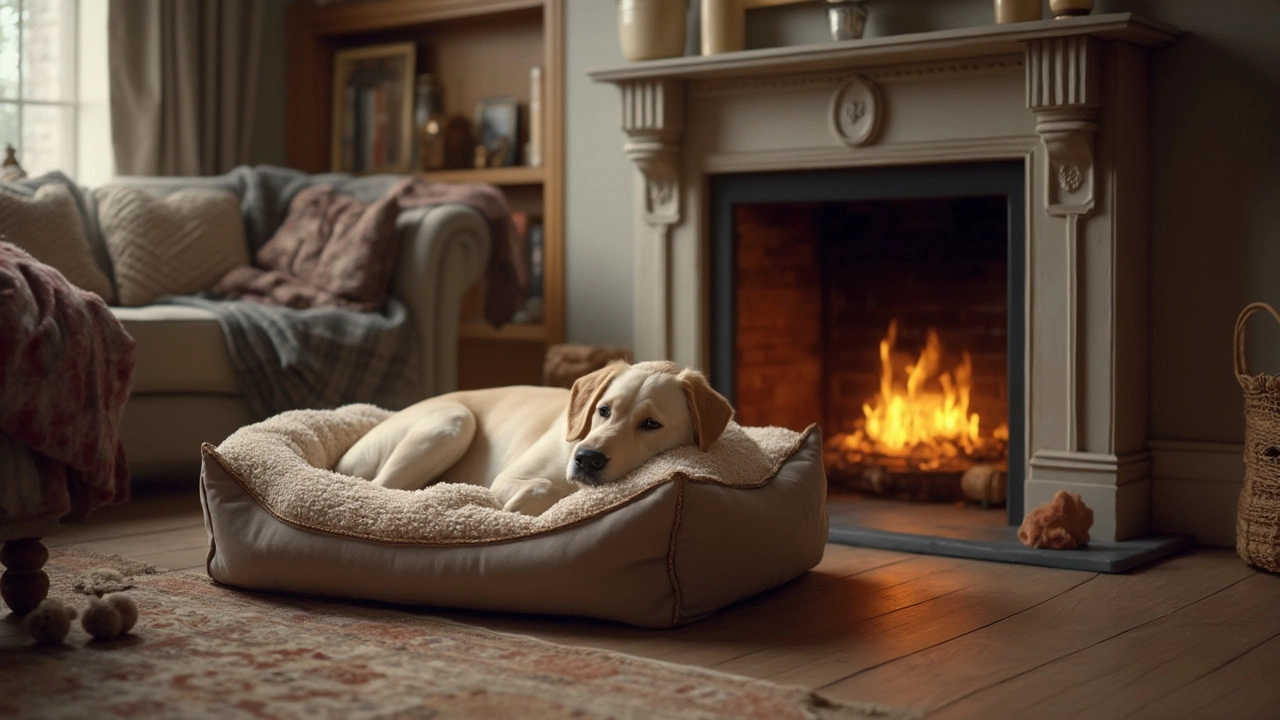 20 June 2025
- Morgan Ainsworth
- 0 Comments
Dog Bed Design: What Should a Dog Bed Look Like?
A good dog bed isn’t just a cushion on the floor. It’s your dog’s safe spot, a retreat, and a huge part of their daily comfort. The perfect bed should take your dog’s size, sleep style, and health into account, and it should hold up to fur, messes, and regular use. This article breaks down what really makes a great dog bed and how you can pick one that your dog will actually use and love. Get ready to stop wasting money on beds your dog ignores or destroys.
View More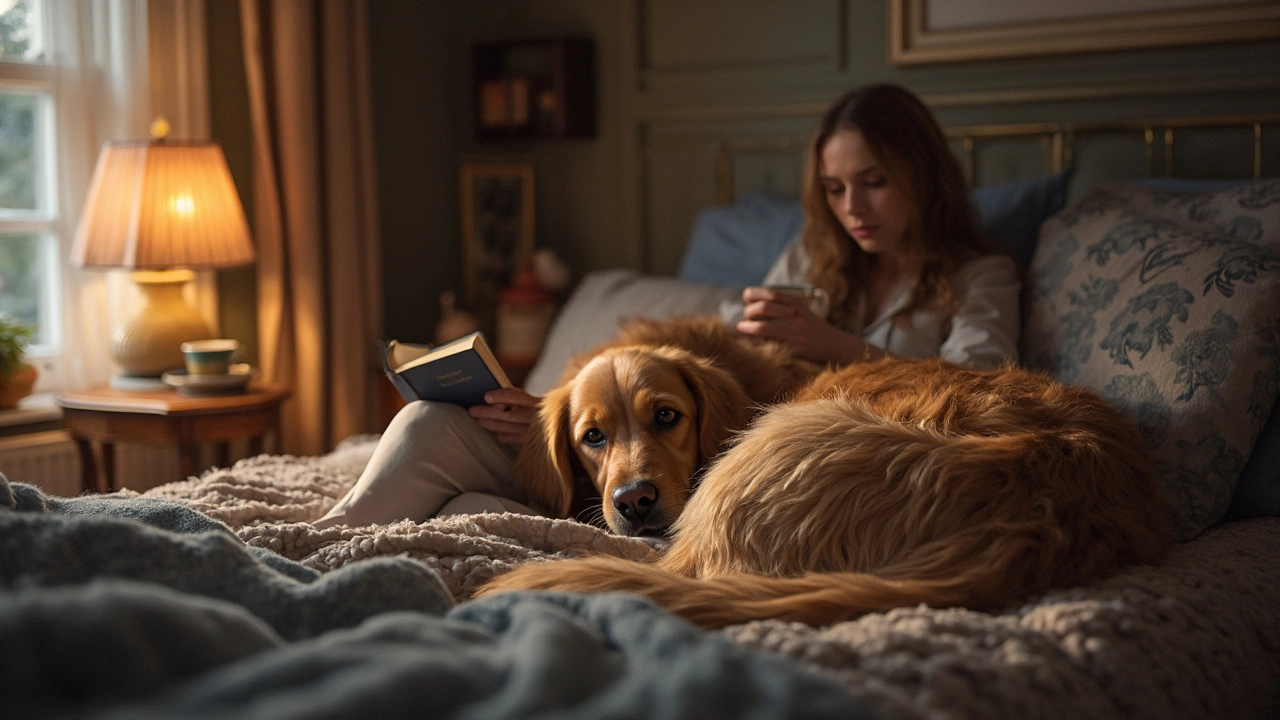 13 June 2025
- Morgan Ainsworth
- 0 Comments
Does Letting Your Dog Sleep in Your Bed Cause Separation Anxiety?
Wondering if sharing your bed with your dog leads to separation anxiety? This article unpacks what science says about dogs sleeping in your bed and how it really affects their emotional health. Learn how bedtime habits shape your dog's behavior and when it might be better for your pup to have their own space. Get practical advice for happier, more independent dogs. Discover clear ways to balance comfort with healthy routines.
View More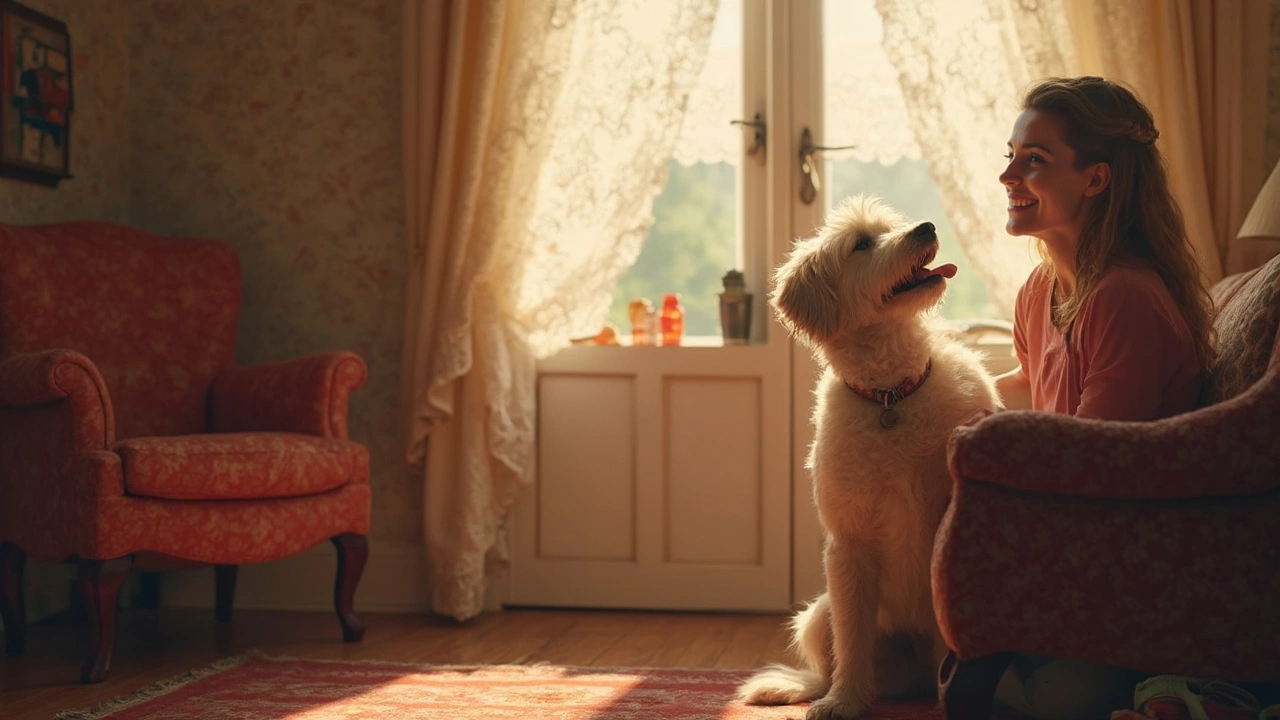 22 May 2025
- Morgan Ainsworth
- 0 Comments
Dog Licks Explained: What Does It Really Mean When Your Dog Licks You?
Ever wondered why your dog seems obsessed with licking you? This article breaks down the reasons behind this quirky behavior, from showing affection to seeking attention. We’ll get into what’s normal, when licking might signal a problem, and how your dog’s bed plays a role in their licking habits. You’ll find practical tips for managing unwanted licks and learn a few odd facts you probably didn’t know. If you share your home with a four-legged licker, this is for you.
View More