
Dog Bed Shape Recommendation Tool
Answer these questions to find the perfect bed shape for your dog.
Recommendation
Based on scientific principles of canine anatomy and evolutionary instincts.
Have you ever watched your dog circle three times before collapsing into a heap, only to slide halfway out of their new, expensive bed? It’s a common frustration for pet owners. We buy the plushest, most stylish furniture we can find, assuming our dogs will love it instantly. But when it comes to dog beds, shape matters more than we often realize. Specifically, the debate between round and square beds isn't just about aesthetics; it’s about instinct, anatomy, and how your specific dog actually sleeps.
The short answer is that there is no universal preference. However, understanding why certain breeds lean toward one shape over another can save you money and ensure your pup gets the rest they need. Let’s break down the biology and behavior behind these choices.
The Evolutionary Instinct: Why Shape Matters
To understand why a dog might reject a perfectly good square bed, we have to look back at their ancestors. Wild canines did not sleep on memory foam. They slept in dens or curled up in tight spaces to protect their vital organs from predators and cold temperatures. This evolutionary trait is still very much alive in domestic dogs today.
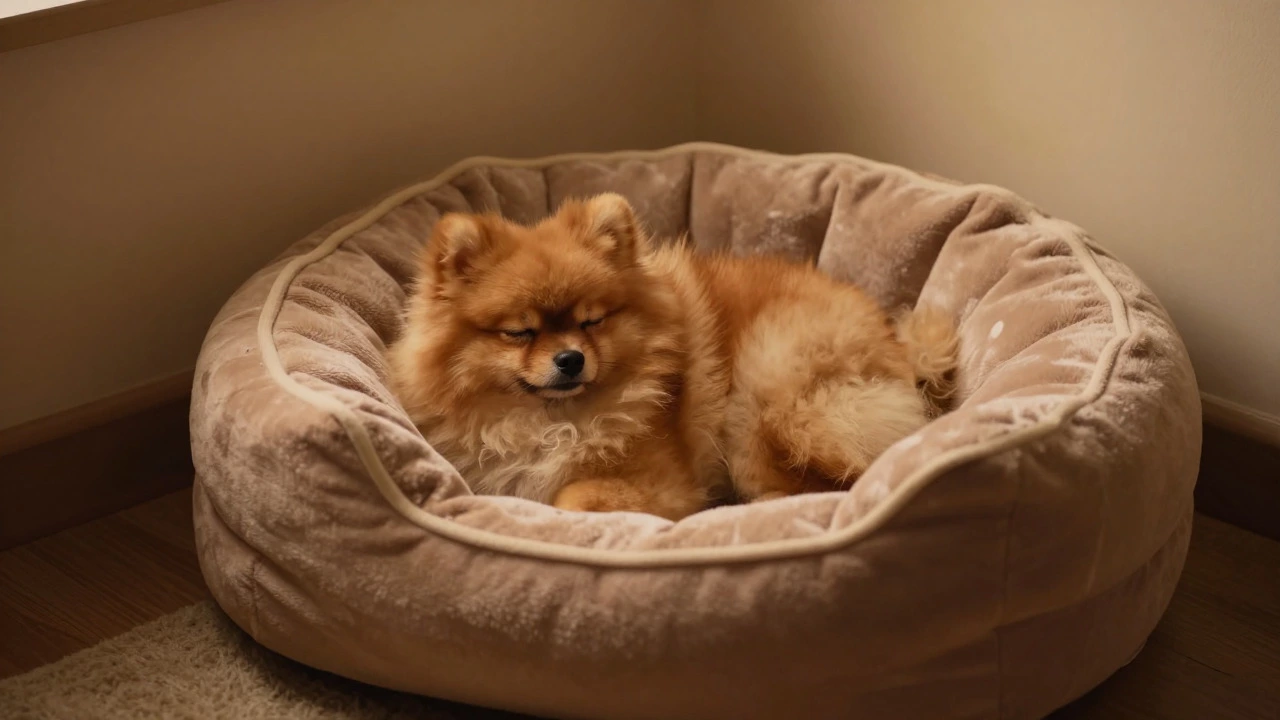
Round dog beds with raised edges mimic this natural den environment. The curved walls provide a sense of security and containment. For many dogs, leaning against a soft wall while sleeping triggers a relaxation response. It feels like being hugged. This is particularly true for anxious dogs or those who feel vulnerable in open spaces.
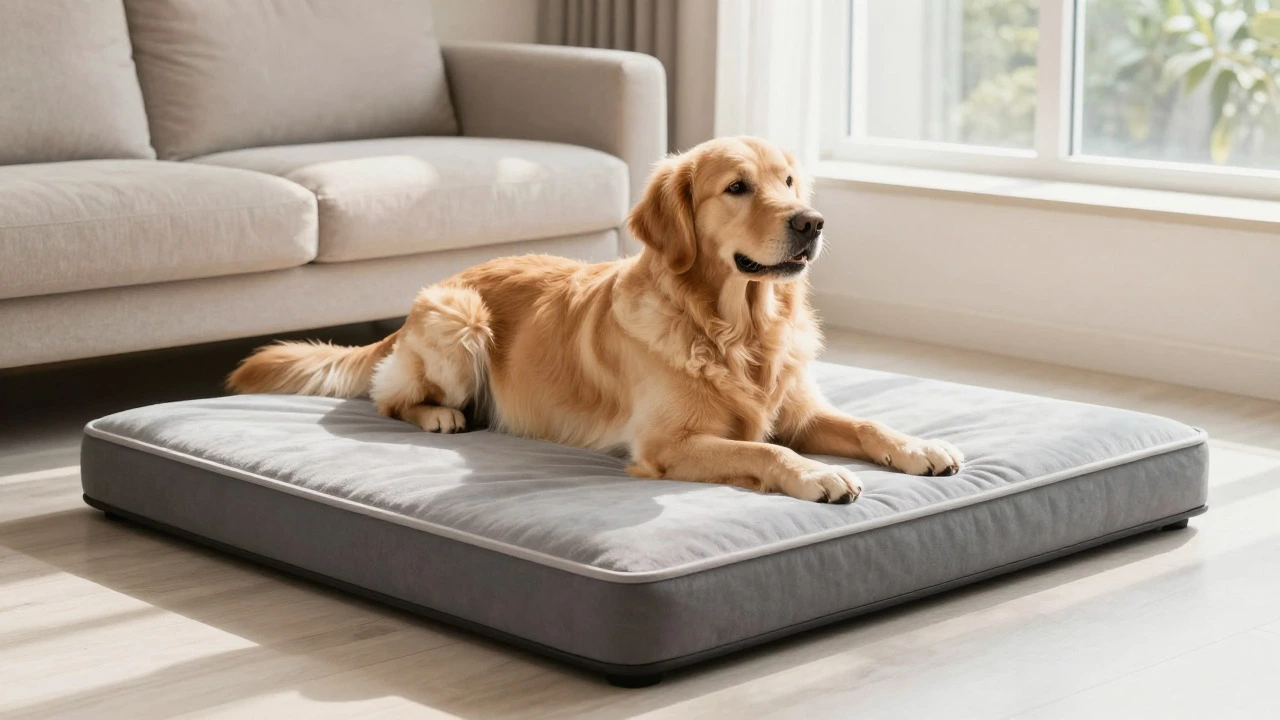
On the other hand, square or rectangular beds offer an open canvas. They appeal to dogs who are confident, dominant, or simply too large to fit comfortably in a circular enclosure. If your dog likes to stretch out fully, extending all four legs, a round bed often forces them into a compromised position, leading to poor sleep quality.
Anatomy and Breed Size: The Fit Factor
Your dog’s physical structure is the biggest predictor of what shape they will prefer. A Great Dane has different spatial needs than a Chihuahua, and their bed shapes should reflect that.
| Dog Type / Behavior | Preferred Shape | Reasoning |
|---|---|---|
| Small Breeds (e.g., Pug, Corgi) | Round / Donut | Provides warmth and security; mimics nesting instinct. |
| Large Breeds (e.g., Labrador, Golden Retriever) | Square / Rectangular | Allows for full-body stretching; prevents joint strain. |
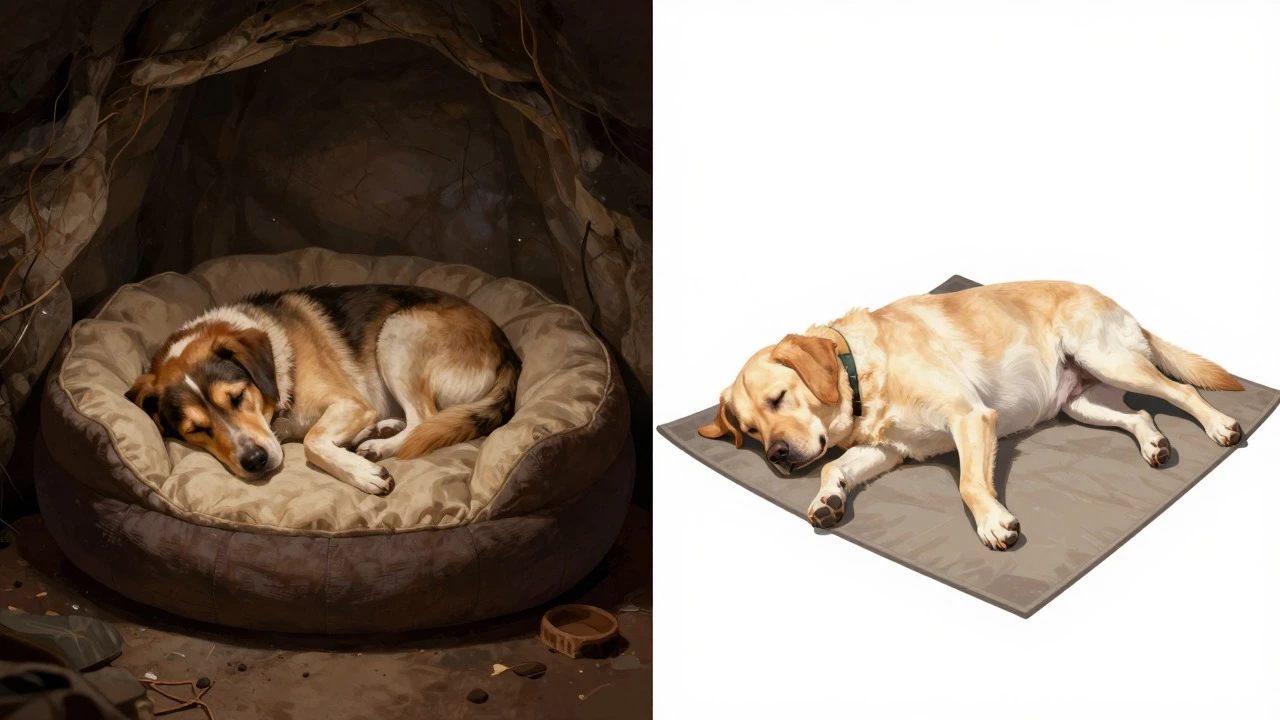
| Anxious or Rescue Dogs | Round / Cave-style | Raised edges reduce sensory overload and provide a safe barrier. |
| Senior Dogs with Arthritis | Rectangular Orthopedic | Easier entry/exit without climbing over high walls; supports spine alignment. |
| "Splooting" Dogs | Square / Flat Mat | Requires flat, open space for hind leg extension. |
Consider the "sploot." You know the pose-front legs straight, hind legs splayed out to the sides. It’s adorable, but it requires significant floor space. If you put a splooting dog in a round bed with high walls, they physically cannot assume that position. They will either sleep awkwardly or abandon the bed entirely. In this case, a low-profile square mat or a rectangular orthopedic bed is the clear winner.
Behavioral Clues: How to Read Your Dog
You don’t need a degree in ethology to figure out what your dog wants. Watch them for five minutes when they settle down to nap. Are they curling into a tight ball? Or are they sprawling out like a starfish?
- The Curler: If your dog tucks their nose under their tail and presses their body into a sphere, they are seeking warmth and protection. A round bed with bolstered sides is ideal. The curvature matches their body, providing support for their neck and hips simultaneously.
- The Stretcher: If your dog extends their front paws forward and stretches their back, they prioritize freedom of movement. A square bed gives them room to adjust without hitting a wall. Look for beds with removable covers, as stretchers often drag their beds around the house.
- The Nester: Some dogs dig at their bedding before lying down. This is another ancestral trait meant to create a comfortable hollow. Round beds often accommodate this better because the central depression naturally forms, whereas square beds may require extra padding to achieve the same effect.
If your dog is a rescue or has separation anxiety, the psychological aspect of the bed becomes critical. A round bed acts as a visual barrier. When they lie in it, they can see less of the room, which reduces stimulation and helps them calm down faster. Square beds leave them exposed, which can be stressful for sensitive individuals.
Material and Support: Beyond the Shape
While shape is important, it doesn’t exist in a vacuum. The material inside the shape dictates comfort. A round bed made of cheap polyester filling will flatten quickly, losing its supportive edge. A square bed with dense memory foam will maintain its structure for years.
For older dogs, orthopedic support is non-negotiable. Senior dogs suffer from arthritis and joint pain. While a round bed might seem cozy, the high walls can make it difficult for an arthritic dog to climb in and out. A square orthopedic bed with a low entry point allows them to step in easily. The memory foam distributes weight evenly, reducing pressure points on hips and elbows.
Conversely, for puppies, durability and washability matter more than shape. Puppies chew and have accidents. A square crate pad is easier to clean and replace than a complex round bolster bed. As they grow, you can transition them to a more permanent shape based on their sleeping style.
Practical Considerations for Home Owners
We also need to talk about where the bed goes. Your living room layout might dictate the shape regardless of your dog’s preference. Square beds fit neatly into corners and against sofas. They maximize space efficiency. Round beds tend to protrude into walkways, which can be a tripping hazard in busy households.
If you have multiple dogs, consider their social dynamics. Do they sleep together? Two small dogs might share a large round bed, snuggling for warmth. Two large dogs usually need separate rectangular beds placed side-by-side. Trying to force two large dogs into a single round bed often results in competition for space and disrupted sleep.
Cleaning is another factor. Round beds often have complex stitching and bolsters that are hard to remove for washing. Square beds typically feature simple zippered covers that slide off easily. If you live in a humid climate like Bristol, mold and mildew can develop in thick, hard-to-dry bolsters. A flat square bed dries faster and stays fresher longer.
Making the Final Decision
So, do dogs prefer round or square beds? It depends entirely on the individual dog. There is no one-size-fits-all solution. Here is a quick checklist to help you decide:
- Observe their sleep style: Curled up = Round. Stretched out = Square.
- Check their age: Senior dogs often benefit from the easy access of square orthopedic beds.
- Assess their anxiety levels: Anxious dogs thrive in the security of round, cave-like beds.
- Measure their size: Ensure the bed is large enough for them to turn around and stretch, regardless of shape.
- Consider the location: Corners favor square beds; open spaces can accommodate round ones.
If you’re still unsure, start with a neutral option. A rectangular bed with slightly raised edges offers a compromise. It provides some of the security of a round bed without restricting the ability to stretch. Many manufacturers now produce "hybrid" beds that combine the best of both worlds.
Remember, the best bed is the one your dog actually uses. If you buy a fancy round bed and your dog ignores it in favor of a cardboard box, don’t take it personally. It just means the shape wasn’t right. Try again with a different configuration. Your dog’s health and happiness depend on getting quality rest, and finding the right shape is a key part of that equation.
Why does my dog spin in circles before lying down?
This is an inherited instinct from wild ancestors who would trample down grass and check for predators before settling. It also helps them arrange their bedding to get comfortable. It is normal behavior and indicates they are preparing for sleep.
Are round dog beds better for anxious dogs?
Yes, generally speaking. The raised edges of round beds create a den-like environment that provides a sense of security and containment. This can help reduce stress and anxiety in dogs who feel vulnerable in open spaces.
What is the best bed shape for senior dogs with arthritis?
Square or rectangular orthopedic beds are usually best for senior dogs. They offer easier entry and exit since they lack high walls. The memory foam support helps alleviate joint pain, and the flat surface allows for comfortable stretching.
How do I know if my dog's bed is the right size?
Your dog should be able to stretch out fully without hanging off the edges. Measure your dog from nose to tail while they are stretched out, then add a few inches for comfort. For round beds, ensure the diameter allows them to curl up comfortably.
Can I train my dog to use a specific type of bed?
Yes, you can encourage your dog to use a new bed using positive reinforcement. Place treats, toys, or meals on the bed. Reward them when they step onto it. Over time, they will associate the bed with positive experiences and choose to sleep there voluntarily.