Dog Bed Necessity Checker
Not sure if your pup needs that expensive memory foam mattress? Answer the questions below to get a personalized recommendation.
Select options and click Check to see results.
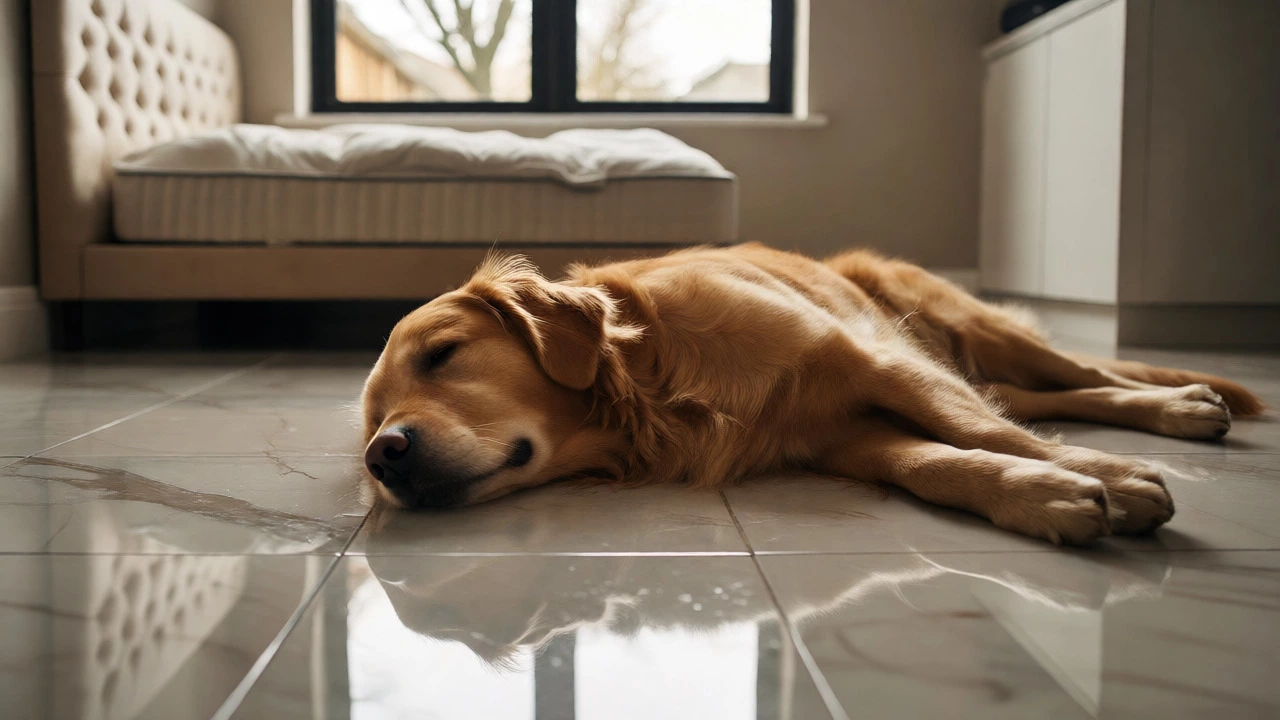
You come home to find your pup curled up on the cold kitchen tiles, ignoring the plush memory foam mattress you bought last week. It’s frustrating, right? You spent good money on that bed, hoping for maximum coziness, but your dog seems to prefer the hardness of the floor. So, can dogs sleep without a bed? The short answer is yes, absolutely. But the longer answer involves understanding their biology, their age, and the specific risks hidden in those seemingly harmless naps.
Think about it: wild canines didn’t have orthopedic mattresses. They slept on earth, grass, or snow. Your domestic dog retains many of these instincts. However, our homes aren’t the wild. We have hardwood floors, laminate, and tile-surfaces that don’t forgive pressure points like soil does. While your dog might not complain, that doesn’t mean they’re comfortable. Let’s break down what actually happens when your dog chooses the floor over the bed, and when you should worry.
The Biological Reality of Canine Sleeping Habits
Dogs are polyphasic sleepers. Unlike humans who typically get one long block of rest, dogs take multiple naps throughout the day and night. An adult dog sleeps between 12 to 14 hours a day, while puppies and seniors can need up to 18 hours. This high volume of sleep means that the surface they choose matters significantly over time.
In the wild, dogs seek out surfaces that help regulate body temperature. On a hot day, a cool concrete floor feels amazing because it draws heat away from their belly. On a cold night, they might burrow into soft earth or pile up with pack mates. In your house, they’re making similar calculations. If your dog sleeps on the floor, they are likely trying to stay cool or they simply haven’t been trained to use their designated spot. It’s rarely a sign of distress unless accompanied by other symptoms like limping or reluctance to stand.
When Hard Floors Are Actually Fine (and Even Good)
For young, healthy adult dogs with thick coats, sleeping on a smooth floor isn’t necessarily bad. In fact, during summer months in places like Bristol, where humidity can rise, a cool tile floor can prevent overheating. Puppies, too, often prefer harder surfaces because they are still developing their thermoregulation skills and might feel too hot in a fluffy bed.
There’s also a behavioral aspect. Some dogs associate beds with crate training or confinement. If a dog was punished in their bed or had an accident there, they might avoid it. Others just like the view. A dog sleeping on the living room rug might be positioned to watch the door, waiting for you to return. This vigilance is natural and doesn’t indicate discomfort.
Healthy Adult Dogs generally have enough muscle mass and subcutaneous fat to cushion themselves against minor pressure points. For them, occasional floor sleeping is no more damaging than you sitting on a wooden chair for an hour.
The Hidden Risks: Why Older Dogs Need Support
Here is where things get tricky. As dogs age, their ability to pad themselves diminishes. Senior dogs lose muscle tone and protective fat layers. Their joints become stiffer, and conditions like arthritis become common. According to veterinary data, nearly 20% of dogs over one year old show signs of arthritis, rising to 80% in dogs over eight years old.
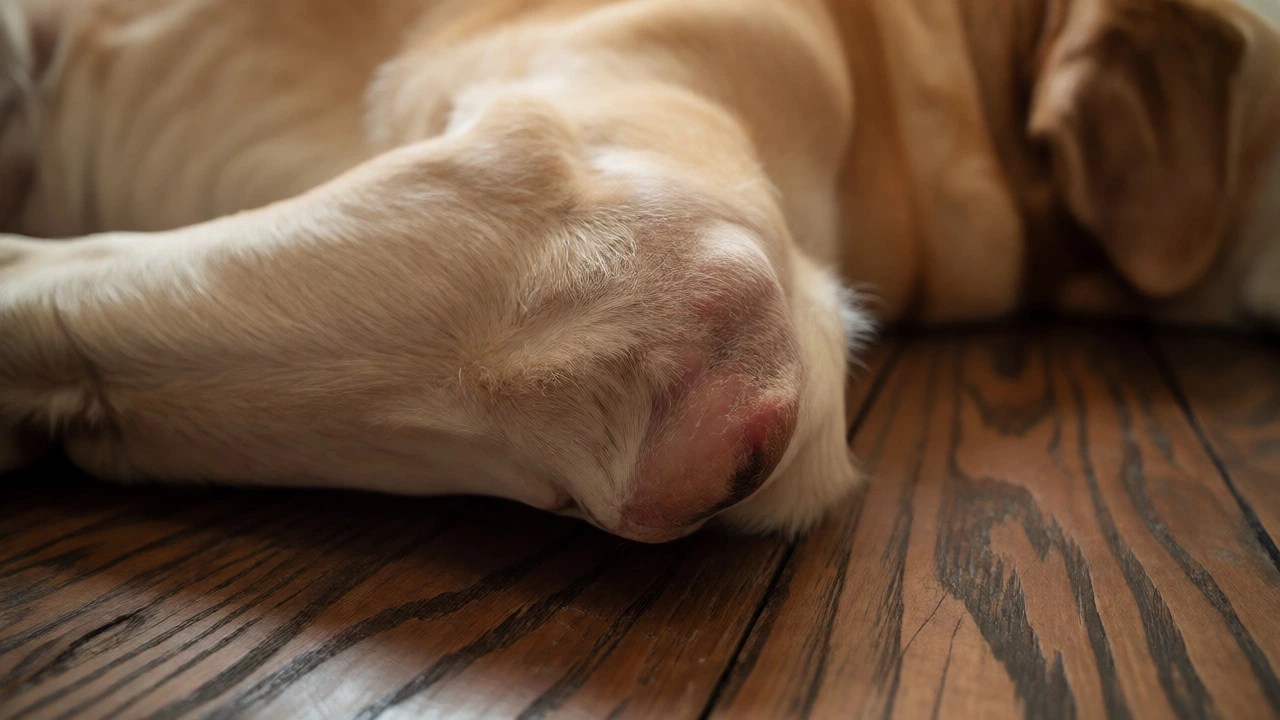
When an arthritic dog sleeps on a hard floor, gravity presses their bones directly against the unyielding surface. This creates pressure points at the hips, elbows, and shoulders. Over time, this constant pressure restricts blood flow to the skin and underlying tissues, leading to painful sores known as Hygromas. These are fluid-filled sacs that form over bony prominences due to repeated trauma or pressure. Once a hygroma forms, it can become infected and require draining or surgery. A supportive bed acts as a shock absorber, distributing weight evenly and keeping blood flowing.
Breed-Specific Needs: Not All Dogs Are Created Equal
Your dog’s breed plays a massive role in whether they need a bed. Large breeds like Great Danes, Mastiffs, and German Shepherds are prone to joint issues and hip dysplasia. Their heavy frames put immense stress on their joints when lying on hard surfaces. For these giants, a thin blanket on the floor is essentially useless. They need high-density foam or orthopedic support to keep their spines aligned.
Conversely, small breeds like Chihuahuas or Dachshunds have different needs. Dachshunds, with their long backs, are susceptible to intervertebral disc disease (IVDD). A sagging, soft bed can cause their spine to curve unnaturally, worsening back pain. For them, a firm, supportive bed that keeps the spine neutral is better than both a hard floor and a mushy beanbag.
| Dog Type | Floor Risk Level | Recommended Bed Type | Key Feature Needed |
|---|---|---|---|
| Senior / Arthritic | High | Orthopedic Memory Foam | Pressure relief & joint alignment |
| Large Breed (Adult) | Medium-High | High-Density Foam | Support & durability |
| Puppy / Young Adult | Low | Washable Bolster | Comfort & chew resistance |
| Short-Haired / Cold Climate | Medium | Insulated Donut Bed | Warmth & self-warming properties |
Signs Your Dog Is Uncomfortable on the Floor
Dogs are stoic. They won’t tell you their elbow hurts. You have to look for subtle cues. Watch how they move after waking up. Do they stiffen up? Do they hesitate before standing? Do they favor one side? These are red flags.
Another sign is restlessness. If your dog keeps changing positions, sighing heavily, or circling before settling, they might be struggling to find a comfortable posture. On a hard floor, this often manifests as "elbow dipping," where the dog rests their chest low but struggles to fully lay flat on their sides. This position puts extra strain on the shoulder joints.
Check their skin, too. Look at their elbows and hocks. If you see calluses forming, hair loss, or reddened skin, the floor is doing damage. Calluses are the body’s attempt to protect itself from friction and pressure. While some callusing is normal, cracked or bleeding calluses are a clear signal that the current sleeping arrangement isn’t working.
How to Transition Your Dog to a Bed
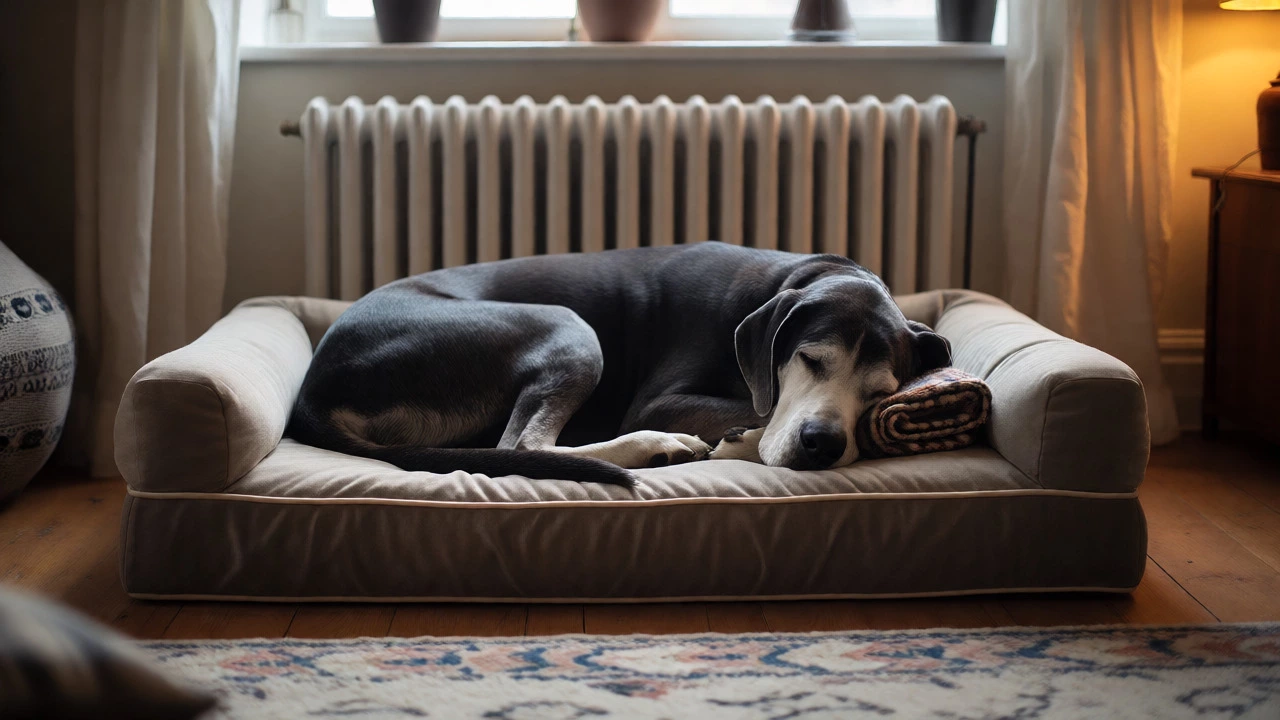
If you’ve decided your dog needs a bed, don’t just throw it in the corner and hope for the best. Many dogs ignore new beds because they smell unfamiliar or feel unstable. Start by placing the bed in an area your dog already likes, such as near the sofa or by the radiator.
- Make it inviting: Put a worn t-shirt of yours inside the bed. Your scent is the most comforting thing to your dog.
- Use treats: Toss a high-value treat onto the bed. When they step on it, praise them. Repeat until they voluntarily lie down.
- Check stability: Ensure the bed doesn’t slide around. Dogs dislike instability. Use a non-slip mat underneath if necessary.
- Be patient: It can take weeks for a habit to change. Don’t force them. Let them explore.
If your dog insists on the floor, compromise. Place a yoga mat or a folded blanket on the floor where they usually sleep. This provides a layer of insulation and cushioning without forcing them into a confined space they might dislike.
Environmental Factors: Temperature and Hygiene
Sleeping on the floor exposes your dog to drafts, dust mites, and cleaning chemicals. Hard floors can harbor bacteria if not cleaned regularly, which can irritate sensitive skin. Additionally, in winter, cold floors can lower a dog’s body temperature, especially in short-haired breeds or small dogs with high metabolisms. Hypothermia is rare indoors, but discomfort is real.
A raised bed helps isolate your dog from ground-level cold and allergens. It also makes it easier for older dogs to get up, as they don’t have to push off from a slippery surface. If you live in a multi-pet household, beds also provide personal space, reducing conflict over prime sleeping spots.
Frequently Asked Questions
Is it bad for my puppy to sleep on the floor?
Generally, no. Puppies have plenty of padding and are resilient. However, ensure the floor isn't too cold, as puppies struggle to regulate temperature. If they shiver or curl tightly, provide a blanket or a simple bed.
Why does my dog refuse to use his expensive bed?
It could be the material, the smell, or the location. Some dogs dislike synthetic fabrics. Try washing the bed to remove factory smells, adding your scent, or moving it to a quieter, draft-free zone. Sometimes, they just prefer the view from the floor.
Do senior dogs really need orthopedic beds?
Yes. Orthopedic beds provide critical support for aging joints and improve circulation. They reduce the risk of pressure sores and make getting up easier, which significantly improves quality of life for arthritic dogs.
Can sleeping on the floor cause hip dysplasia?
Hip dysplasia is primarily genetic. However, poor sleeping surfaces can exacerbate the pain and accelerate joint wear in predisposed dogs. A supportive bed won't cure dysplasia but will manage symptoms effectively.
What is the best alternative if my dog hates beds?
Try a low-profile mat or a heated pad placed directly on the floor. This gives them the security of the ground while providing necessary warmth and slight cushioning. Avoid tall bolsters if they feel trapped.