Pet Travel Cost Calculator
Estimate Your Pet's Travel Cost
Enter your details to get an estimate based on 2025 air travel rates
Estimated Total Cost
Planning to fly with your pet? You’re not alone. More than 1.2 million pets traveled by air in the U.S. alone in 2024, and the numbers are rising across Europe too. But the real question isn’t just if you can fly with your pet-it’s how much it’ll cost, and what you actually get for that price.
Basic Costs: Cargo vs. Cabin
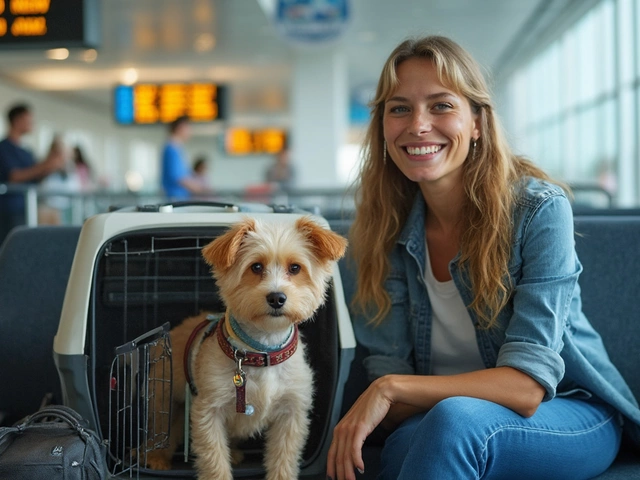
The biggest split in pet travel costs comes down to one choice: does your pet fly in the cabin with you, or in the cargo hold? This decision alone can change your bill by hundreds, sometimes over a thousand pounds.If your pet is a small dog or cat-under 8kg including the carrier-and you’re flying with a major airline like British Airways, KLM, or Ryanair, you might be able to bring them into the cabin. That usually costs between £50 and £120 each way, depending on the route. EasyJet charges £55 one-way within Europe. These prices are set by the airline and don’t change based on your destination.
But if your pet is too big for the cabin-or if the airline doesn’t allow cabin pets at all-then your pet flies as cargo. That’s where costs jump. Cargo fees start around £200 for short flights within Europe, but can easily hit £400-£700 for long-haul trips to the U.S., Australia, or Asia. Airlines like Lufthansa and Delta charge based on weight and container size. A 20kg dog in a medium crate could cost £550 from London to New York.
What’s Included in the Price?
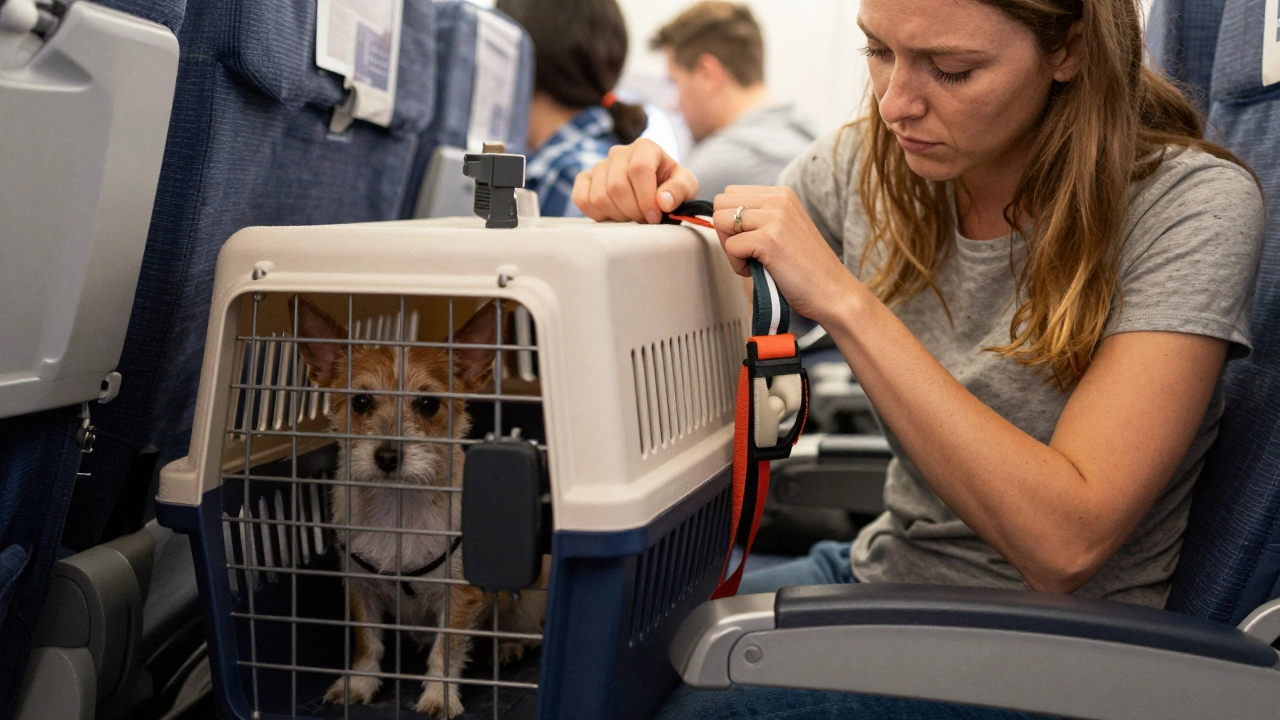
Don’t assume the airline fee covers everything. Most of the time, it’s just the flight slot. You’ll still need to pay for:- Travel crate: Airlines require IATA-approved crates. A good one for a medium dog costs £80-£150. You can rent one for around £30-£60 if you’re only flying once.
- Health certificate: Required by all airlines and most countries. Your vet will charge £50-£100 to examine your pet and fill out the paperwork. Some countries, like Japan or Australia, require additional tests that can add £150+.
- Microchip and rabies vaccination: If your pet isn’t already microchipped and vaccinated, you’ll need to get this done. Expect £30-£60 for the chip and £40-£80 for the rabies shot. The vaccine must be given at least 21 days before travel.
- Import permits: Countries like the UK, Australia, and New Zealand require advance permits. The UK’s DEFRA permit costs £225 for dogs and cats. Processing can take up to 10 working days.
- Airport handling fees: Some airports charge extra to process pets. Heathrow’s pet handling fee is £65 per flight. Manchester charges £40. These aren’t always obvious until you check in.
Country-Specific Rules Change the Price
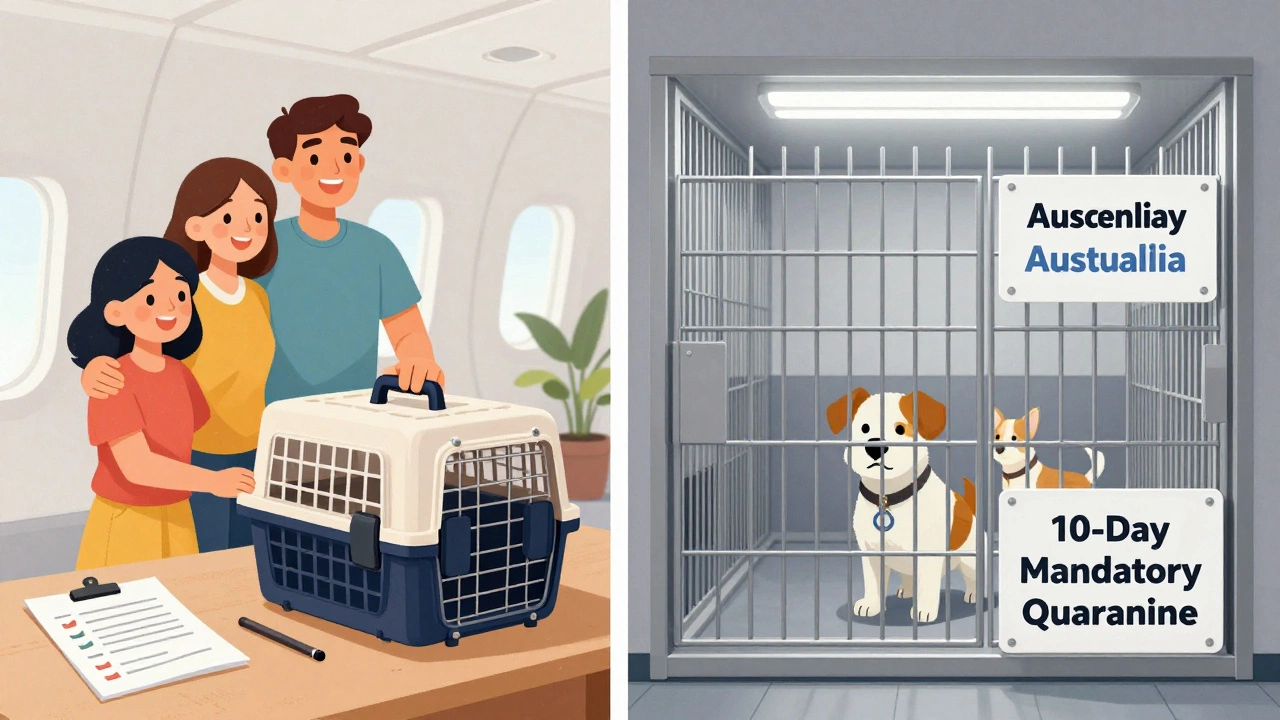
Flying within the EU is simpler. If your pet has an EU Pet Passport, up-to-date rabies vaccine, and microchip, you can travel without quarantine. But if you’re flying to the UK from outside the EU, you’re subject to the Pet Travel Scheme (PETS). That means your pet must have a blood titer test if coming from a non-listed country. That test alone costs £120-£200 and must be done at least 30 days after the rabies shot, with a 3-month waiting period before travel.Going to Australia? Prepare for a minimum 10-day quarantine in Melbourne or Sydney, which costs AUD $2,000-$3,000 (roughly £1,050-£1,575). New Zealand requires a 10-day quarantine too, plus pre-arrival testing. These aren’t optional. Skip them, and your pet gets turned away at the border.
Even within the U.S., rules vary. Hawaii has strict quarantine laws. If you’re flying there from the mainland, your pet will spend 5-120 days in quarantine unless you complete the state’s 5-Day-or-Less program-which still requires blood tests, vet visits, and paperwork. Total cost? Around $1,800-$2,500.
Hidden Fees You Can’t Ignore
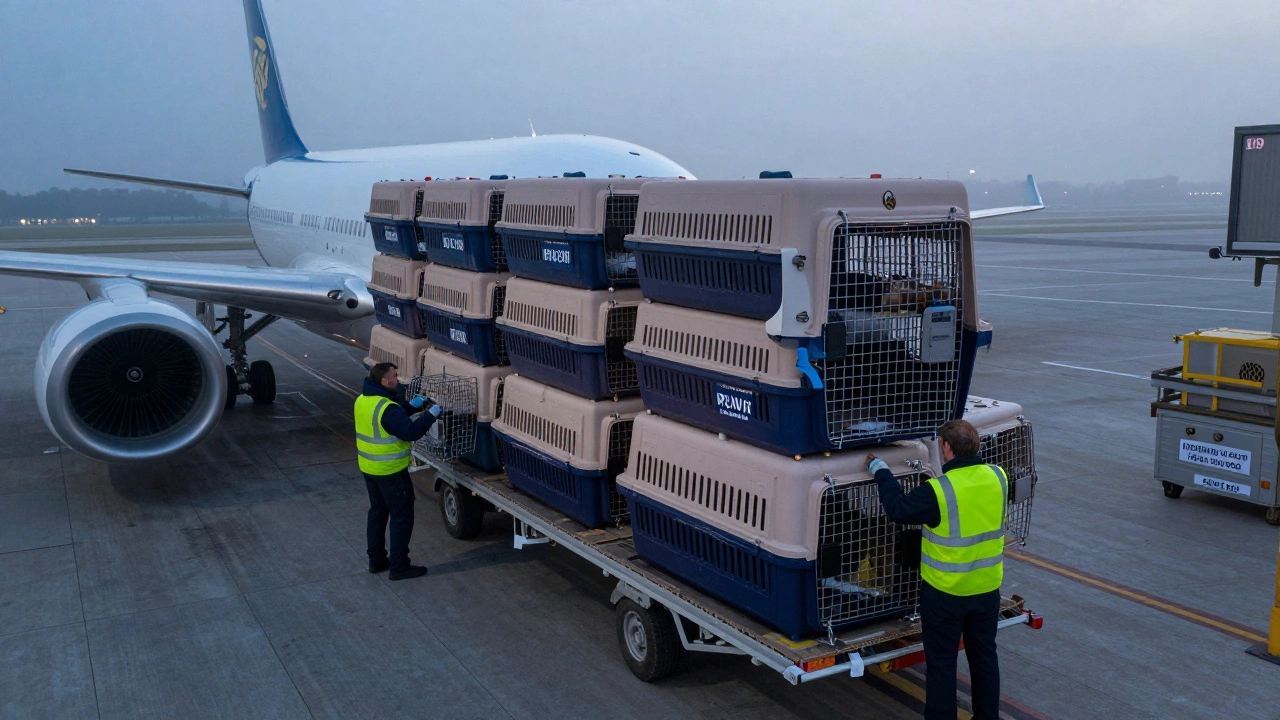
Some costs sneak up on you. Here are the ones people forget:- Flight changes: If you need to reschedule, many airlines charge £75-£150 just to rebook your pet’s flight. Some won’t let you change it at all.
- Overweight fees: If your crate weighs more than the airline allows, you’ll pay £30-£100 extra per kilo over the limit.
- Temperature restrictions: Most airlines ban pet cargo when temperatures drop below 7°C or rise above 29°C. If your flight gets delayed or canceled due to weather, you might need to pay for boarding or kenneling at the airport.
- Insurance: Airlines don’t cover injury, stress, or death during flight. Third-party pet travel insurance costs £30-£100 per trip and covers medical emergencies, lost pets, or delays.
How to Save Money on Pet Travel
You don’t have to pay full price. Here’s how to cut costs without cutting corners:- Book early: Airlines release limited cabin pet slots. Book as soon as you book your ticket. Last-minute pet flights cost more-or aren’t available.
- Use a pet-friendly airline: Some airlines like KLM, Lufthansa, and United have better pet policies and lower fees. Avoid budget carriers like Ryanair unless your pet is tiny-they’re strict on cabin size and charge more for cargo.
- Buy your crate in advance: Amazon and pet supply stores often have sales. A crate that costs £150 in a vet’s office might be £90 online.
- Combine vet visits: Schedule your health certificate, microchip, and rabies shot all in one visit. Some vets offer discounts for bundled services.
- Check for military or relocation discounts: If you’re moving for work or the armed forces, some airlines offer 10-20% off pet cargo fees.
What You Can’t Skip: The Paperwork
No matter how much you budget, missing one document can stop your trip. Make sure you have:- Microchip (ISO 11784/11785 standard)
- Valid rabies vaccination (with date and vet signature)
- EU Pet Passport or official health certificate (issued no more than 10 days before travel)
- Import permit (if required by destination)
- Blood titer test results (for non-EU countries entering the UK)
- Proof of tapeworm treatment (required for UK entry, done 1-5 days before arrival)
Keep digital and paper copies. Airlines will ask for them at check-in. Border officials will ask again. One missing page means your pet gets held at the airport-sometimes for days.
Real-World Example: Flying a 12kg Dog from Bristol to Barcelona
Let’s say you’re flying with your 12kg mixed breed from Bristol to Barcelona in June 2025. Here’s what you’d actually pay:- Flight (cabin): £85
- IATA-approved crate: £110 (bought on sale)
- Health certificate + vet exam: £75
- Microchip (already done): £0
- Rabies vaccine (already done): £0
- Tapeworm treatment (required for UK return): £25
- Travel insurance: £40
Total: £335
Now, compare that to flying the same dog as cargo from London to New York:
- Cargo fee: £620
- Crate: £140
- Health certificate: £90
- Rabies + microchip: £70
- USDA endorsement: £45
- Heathrow handling: £65
- Insurance: £50
Total: £1,080
Same pet. Two continents. Seven times the cost.
When It’s Better to Leave Your Pet Behind
Sometimes, the cost isn’t the only factor. Stress, heat, long layovers, and airline policies can make flying dangerous for older pets, brachycephalic breeds (like Bulldogs or Pugs), or pets with health issues. In those cases, hiring a professional pet sitter or boarding your pet locally might be the safer, cheaper option.Professional pet sitting in the UK costs £15-£30 per day. For a 2-week trip, that’s £210-£420. For a nervous dog, that’s worth every penny.
Can I fly with my pet in the cabin on any airline?
No. Only certain airlines allow cabin pets, and only if they’re small enough to fit under the seat in an approved carrier. Most budget airlines like Ryanair and EasyJet allow small cats and dogs in the cabin, but only on specific routes. Larger airlines like British Airways and KLM have stricter rules and limited spots. Always check the airline’s pet policy before booking.
Do I need a pet passport for flying within the UK?
No. Domestic flights within the UK don’t require a pet passport or health certificate. But most airlines still require a health certificate issued within 10 days of travel, especially if you’re flying as cargo. Always confirm with your airline-even for domestic trips.
How early should I start planning my pet’s flight?
At least 2-3 months ahead. Some countries require rabies vaccines to be given 21 days before travel, blood tests to be done 30 days before, and permits to be processed for 10+ days. If you’re flying to Australia or New Zealand, start planning 6 months in advance. Waiting until the last minute can mean your pet can’t fly at all.
Is pet travel insurance worth it?
Yes, especially for long-haul or cargo flights. Airlines don’t cover illness, injury, or delays. If your pet has a panic attack, gets lost during transit, or needs emergency vet care abroad, insurance can cover thousands in costs. Basic policies cost £30-£100 and are one of the smartest purchases you’ll make.
Can I bring my pet’s food and toys on the plane?
Yes, but only if your pet is flying in the cabin. You can bring small amounts of dry food, treats, and a favorite toy in your carry-on. For cargo pets, you can attach a small bag of food and water to the outside of the crate. Liquid food or water must be in sealed containers and may be subject to security checks. Never feed your pet right before the flight-it can cause nausea during turbulence.
What happens if my pet’s flight is delayed?
If your pet is flying in the cabin, you’ll be rebooked with them. If they’re in cargo, the airline will move them to the next available flight. But if the delay is overnight, you’ll need to pay for kenneling at the airport. Some airlines include 24-hour care in their fee; others charge £40-£80 per night. Always ask about their delay policy before booking.