
Elevated Dog Bed Suitability Checker
Not sure if an elevated bed is right for your pup? Fill in the details below to get a personalized recommendation.
You’ve probably seen those sleek, hammock-style beds hanging in modern homes or outdoor patios. They look stylish, sure, but are they just a trendy accessory for your pooch, or is there actual science behind lifting your dog off the floor? If you’re wondering why use an elevated dog bed, you’re not alone. Many owners hesitate because traditional plush beds feel cozier to us humans. But here’s the twist: what feels cozy to you might actually be trapping heat, harboring allergens, and putting unnecessary strain on your dog’s joints.
Elevated dog beds aren’t just about aesthetics. They solve specific physiological problems that flat beds create. From temperature regulation to hygiene, these raised platforms offer tangible benefits that can improve your dog’s quality of life. Let’s break down exactly why this simple change in elevation matters for your four-legged friend.
The Thermoregulation Advantage
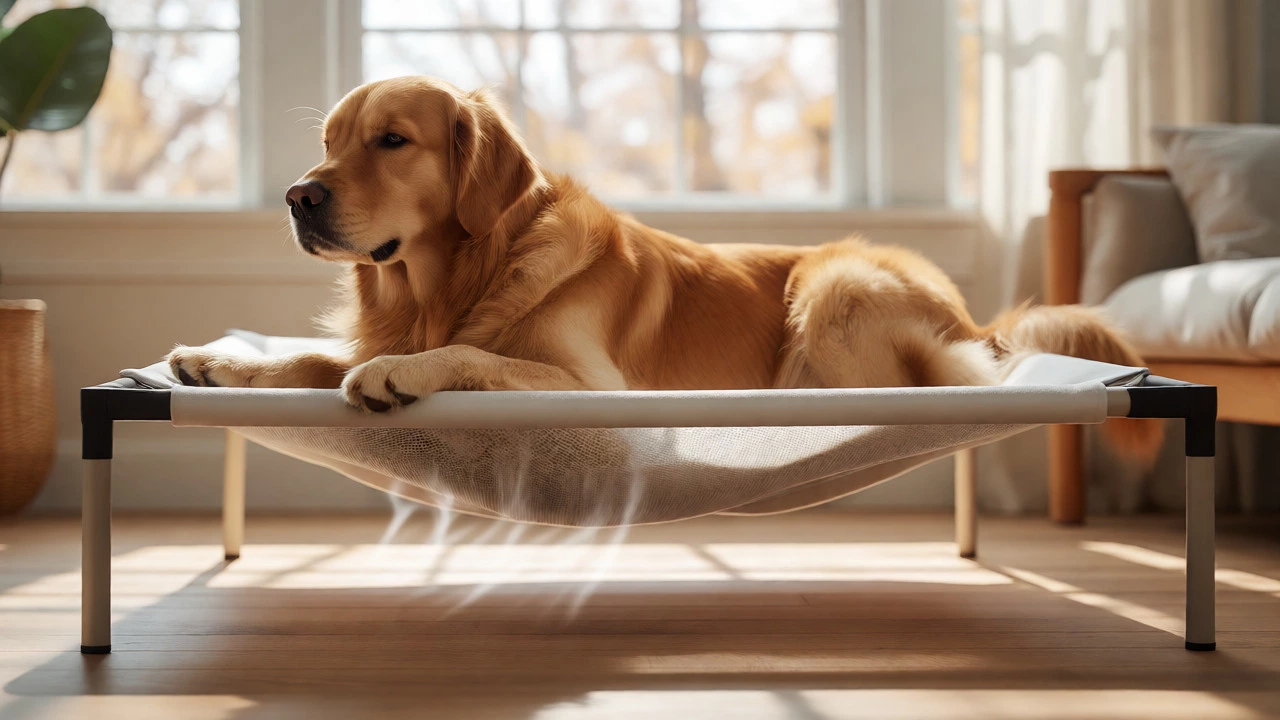
Dogs don’t sweat like we do. They primarily cool themselves through panting and by releasing heat from their paws and ears. When a dog lies directly on a thick, foam-filled mattress, that insulation works against them. The body heat gets trapped underneath, creating a microclimate that can lead to overheating, especially during warmer months.
An elevated bed allows air to circulate freely beneath the fabric. This passive cooling system is surprisingly effective. In my experience living in Bristol, where summers can get unexpectedly humid, dogs using raised cots sleep more soundly because they aren’t waking up panting. The mesh material used in most high-quality elevated beds is breathable, preventing that sticky, hot feeling that often accompanies synthetic foam pads. If your dog tends to sprawl out with their belly exposed, they are likely seeking this airflow naturally. Giving them a dedicated spot for it just makes sense.
Joint Relief and Orthopedic Support
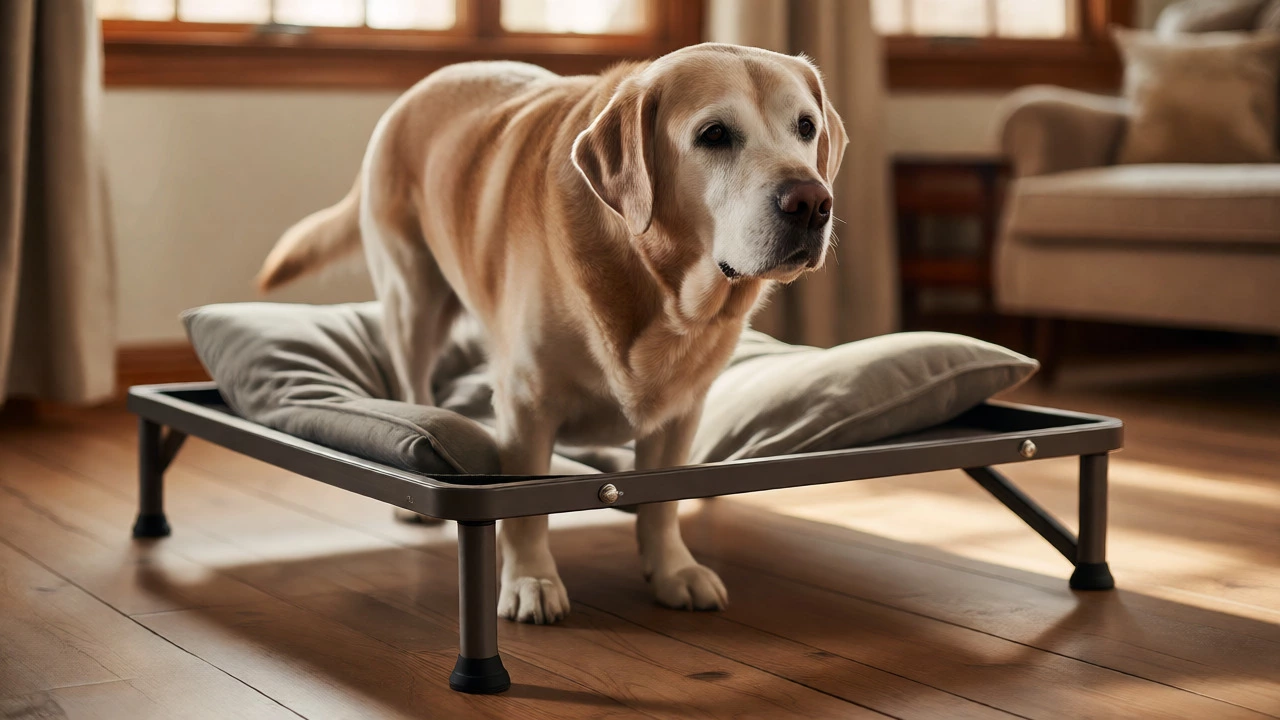
This is perhaps the biggest reason vets recommend elevated beds for older dogs or breeds prone to arthritis, such as German Shepherds or Labradors. Getting up from a soft, sinking surface requires significant effort from the hips and knees. It involves pushing up, stabilizing, and then standing-a motion that can be painful for arthritic joints.
Most elevated beds sit at a height that aligns closer to a dog’s natural standing position. This reduces the range of motion needed to stand up. Think of it like sitting on a sturdy chair versus sinking into a beanbag. The firm tension of the bed’s fabric provides uniform support across the body, rather than allowing the spine to curve unnaturally into soft foam. For senior dogs, this reduction in friction and effort can mean less morning stiffness and more willingness to move around.
| Feature | Traditional Foam Bed | Elevated Mesh Bed |
|---|---|---|
| Airflow | Low; traps heat underneath | High; 360-degree circulation |
| Cleaning | Difficult; absorbs odors/urine | Easy; hose down or wipe clean |
| Joint Strain | High; requires deep push-up | Low; stable standing height |
| Allergens | Traps dust mites and dander | Allows debris to fall away |
| Durability | Loses shape over time | Maintains structure longer |
Hygiene and Allergen Control
If you suffer from allergies, or if your dog does, floor-level beds are a nightmare. Carpets and rugs act as sponges for dust mites, pollen, and dead skin cells. A dog sleeping on the floor is essentially marinating in these irritants all night. An elevated bed lifts your dog above the primary layer of household dust.
Furthermore, cleaning an elevated bed is drastically easier. Most models feature removable, washable covers made from durable fabrics like Oxford cloth or heavy-duty polyester. Unlike memory foam, which holds onto moisture and smells (think accidents or drool), mesh and canvas surfaces dry quickly. You can literally take the bed outside and hose it down. This simplicity encourages more frequent cleaning, which keeps bacteria levels low. For dogs who love mud or have occasional bladder issues, this practical benefit alone often outweighs the aesthetic appeal.
Behavioral Security and Instincts
It might seem counterintuitive, but many dogs prefer being off the ground. In the wild, wolves and wild canines seek out slightly elevated positions-like logs or mounds-to rest while keeping watch. Being on the floor can make some dogs feel vulnerable or isolated, especially in busy households with lots of foot traffic.
An elevated bed places the dog at a height where they can see what’s happening without being stepped on or tripped over. This visibility reduces anxiety. I’ve noticed shy rescue dogs settling faster when given a raised cot near a window. It gives them a vantage point, satisfying their instinct to monitor their territory while remaining comfortable. It’s not just about physical comfort; it’s about psychological safety.
Who Should Avoid Elevated Beds?
While beneficial for many, elevated beds aren’t a one-size-fits-all solution. Puppies under six months old generally lack the coordination to jump safely onto a raised platform. Their joints are still developing, and the risk of falling and injuring themselves is higher. For young pups, stick to low-profile, padded mats until they gain better motor skills.
Additionally, very small toy breeds might struggle with the height depending on the frame design. If the legs are too tall, jumping up and down repeatedly could stress fragile patellas (kneecaps). Always measure the height of the bed relative to your dog’s shoulder height. Ideally, the top of the bed should be level with or slightly below their shoulders to allow for easy stepping on and off. If your dog has severe mobility issues or cannot lift their legs properly, consult your vet before switching, as they may need a ramp or a lower profile option.
Choosing the Right Elevated Bed
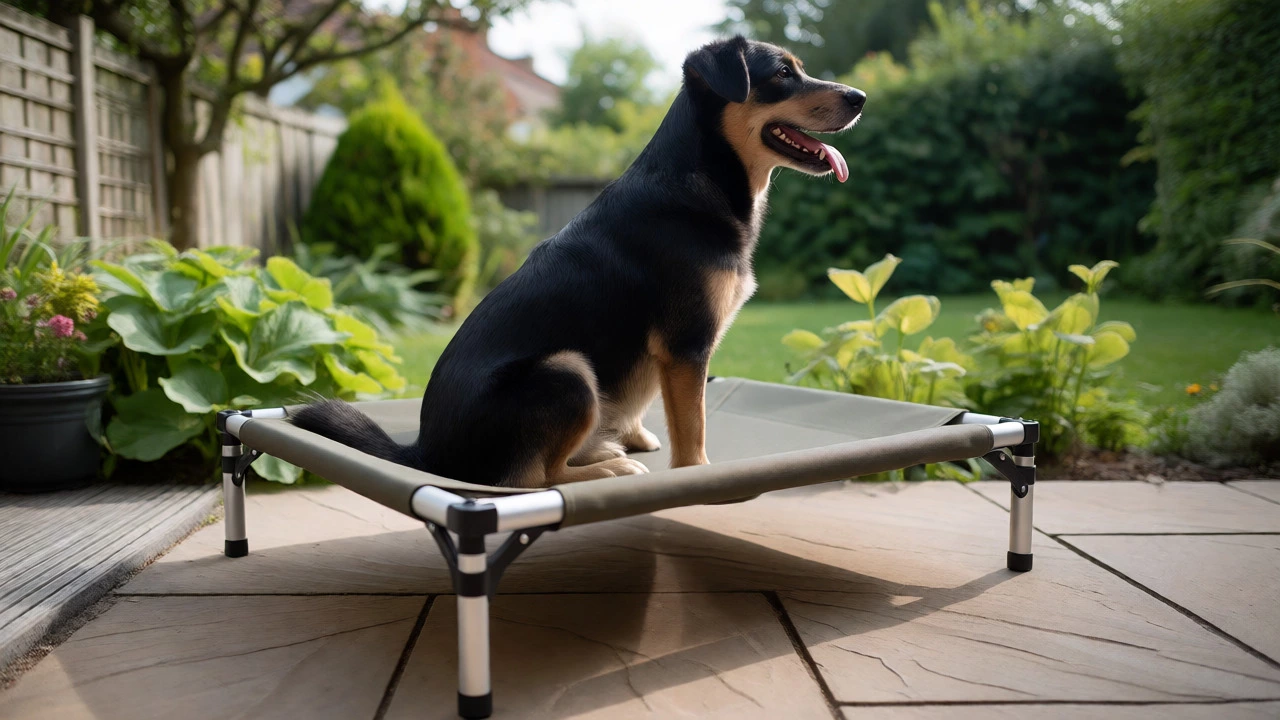
Not all raised beds are created equal. When shopping, look for frames made from powder-coated steel or aluminum. These materials resist rust, which is crucial if you plan to keep the bed outdoors or in a damp area. Plastic frames can become brittle over time, especially in cold weather.
Check the weight rating carefully. Some budget options claim to hold 50kg but sag significantly after a few weeks. Look for reinforced stitching at the corners where the fabric attaches to the frame. High-tension straps are better than simple clips, as they maintain the tautness required for proper spinal support. Also, consider the leg caps. Rubber feet prevent slipping on hardwood floors and protect your flooring from scratches.
Transitioning Your Dog
Your dog won’t automatically know what to do with this new contraption. Start by placing the elevated bed in a familiar spot. Put a favorite blanket or toy on it to encourage investigation. Use treats to lure them onto the bed. Keep the initial sessions short and positive. Never force a reluctant dog onto the frame, as this can create a negative association.
Some dogs take days, others take weeks. Patience is key. Once they realize the bed is cooler and easier to get out of, the transition usually sticks. If your dog prefers the edge of the bed, that’s fine-it means they’re finding the stability they need. Over time, most dogs will settle into the center once they trust the structure.
Are elevated dog beds good for puppies?
Generally, no. Puppies under six months old are still developing coordination and bone density. Jumping onto and off of an elevated bed poses a risk of injury. It is best to wait until the puppy is fully grown or at least over six months old, unless the bed is very low to the ground and specifically designed for small breeds.
How do I clean an elevated dog bed?
Most elevated beds have removable fabric covers that can be machine washed according to the manufacturer's instructions. The frame itself can usually be wiped down with a damp cloth or hosed off if it is made of metal or plastic. Because the bed is off the floor, it does not absorb spills or urine as deeply as foam mattresses, making cleanup much faster and more hygienic.
Do elevated beds help with hip dysplasia?
Yes, many veterinarians recommend elevated beds for dogs with hip dysplasia. The firm, suspended surface prevents the hips from sinking into soft foam, which can misalign the joints. Additionally, the reduced effort required to stand up from a raised height minimizes pain and strain on the hip joints during transitions from lying to standing.
Can I use an elevated bed outdoors?
Absolutely. In fact, elevated beds are ideal for outdoor use because they keep the dog off hot pavement or wet grass. Ensure the frame is made of rust-resistant materials like aluminum or powder-coated steel. However, bring the bed inside during extreme weather conditions or storms to prolong its lifespan.
Is the fabric strong enough for chewers?
Standard mesh is not chew-proof. Strong chewers can easily tear through typical fabric. If you have a power chewer, look for beds made with ballistic nylon or heavy-duty canvas. Even then, supervision is recommended. No fabric bed is truly indestructible, but tougher materials last significantly longer against gnawing.