Purina Product Finder & Health Checker
Dog Profile
Recommended Line
Fill in the details and click "Find Best Match" to see the recommended Purina product line for your dog.
Quick Health Check (The "Coat & Gut" Test)
Monitor these indicators after switching foods to ensure the diet is working:
The Great Dog Food Debate: Is Purina Actually Good?
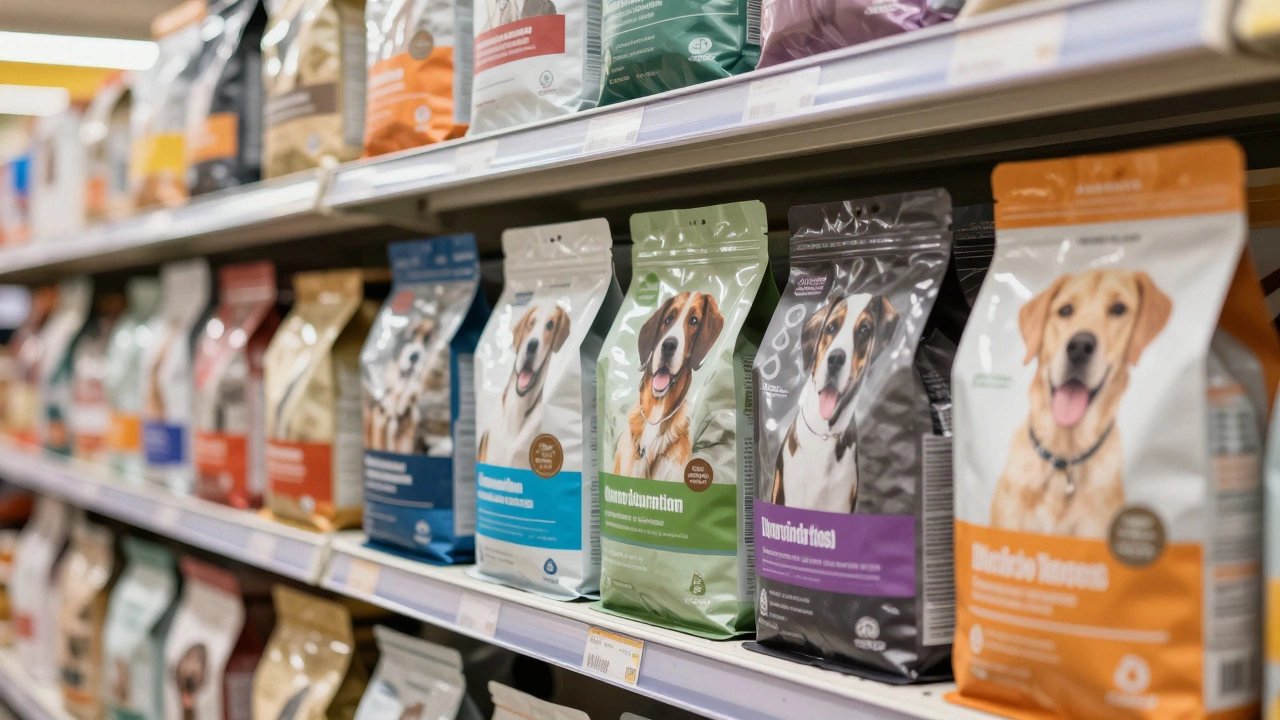
Walking down the pet food aisle can feel like a nightmare. You've got dozens of bags promising "superfoods," "grain-free wonders," and "veterinary-grade nutrition." Right in the middle of it all sits Purina is a global pet care brand owned by Nestlé Purina PetCare that produces a wide range of dog and cat foods. For some, it's the gold standard recommended by vets. For others, it's just a giant corporate brand with too many fillers. So, is it actually good for your dog, or are you just buying into a massive marketing machine?
The short answer is that it depends on which specific bag you're holding. Purina isn't just one food; it's a massive ecosystem of different product lines. A budget-friendly bag of Dog Chow is a completely different animal than a specialized bag of Pro Plan. To figure out if it's right for your pup, we need to look at the science, the ingredients, and why your vet keeps mentioning them.
| Product Line | Target Audience | Key Focus | Price Point |
|---|---|---|---|
| Pro Plan | Performance/Health Needs | Science-backed, Specialized | Premium |
| Purina ONE | Everyday Health | High protein, Balanced | Mid-range |
| Dog Chow | Budget-conscious | Basic Nutrition | Economy |
| Purina Pro Plan Veterinary Diets | Medical Conditions | Prescription-based | High (Prescription) |
The Science Behind the Kibble
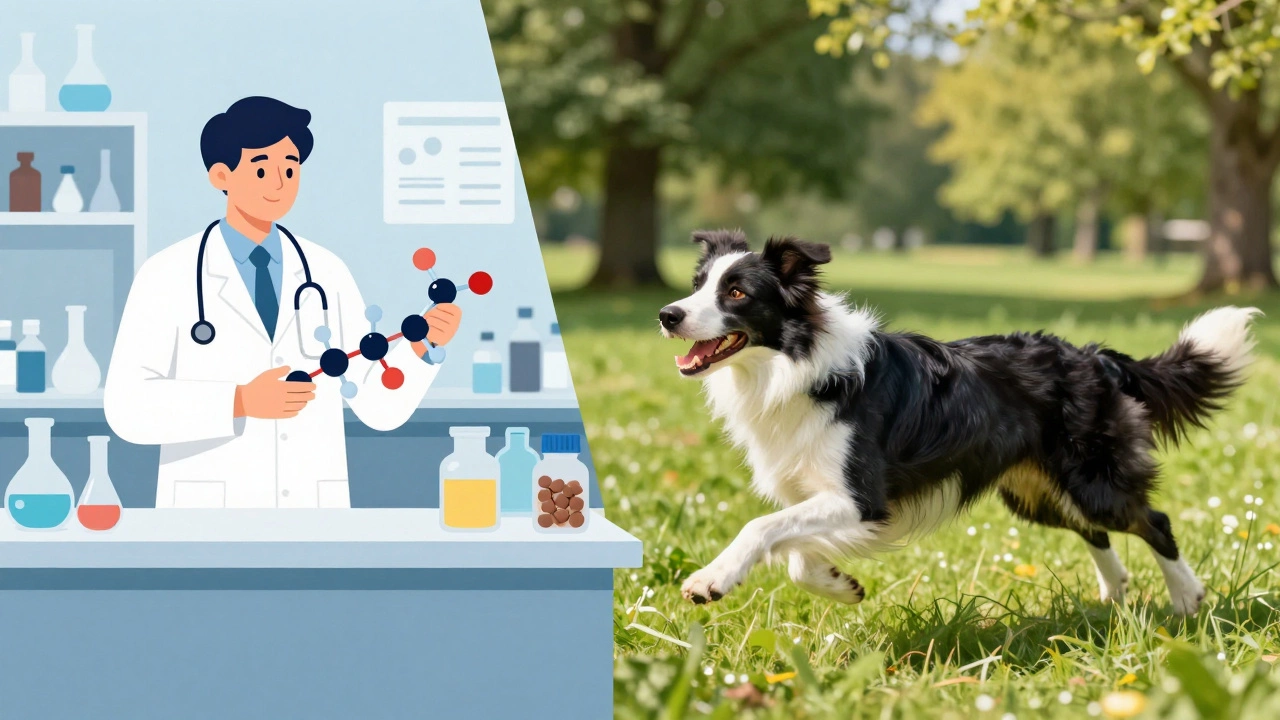
One of the biggest arguments in favor of Purina is their approach to Nutritional Science. Unlike many "boutique" brands that rely on a few trendy ingredients, Purina employs full-time veterinary nutritionists and conducts extensive feeding trials. This means they don't just look at the ingredients on the label; they look at how the dog's body actually processes the food.
Have you ever noticed that some brands claim to be "natural" but don't actually list the nutritional data from a real study? Purina focuses on AAFCO (Association of American Feed Control Officials) standards. This ensures that whether your dog is a 2lb Chihuahua or a 150lb Great Dane, they are getting the exact ratio of proteins, fats, and vitamins needed to keep their coat shiny and their joints moving.
The controversy usually starts with the ingredients list. You'll see things like "corn gluten meal" or "animal derivatives." To a human, that sounds like cardboard. But in the world of canine nutrition, these are often used to provide specific amino acids and energy sources that dogs need. The goal isn't to make the food look like a human dinner; it's to make it chemically complete for a carnivore with omnivorous tendencies.
Breaking Down the Pro Plan Line
If you're looking for the "best" version of Purina, you're likely looking at Purina Pro Plan. This is the line you'll see used by professional dog show handlers and agility trainers. Why? Because it's designed for high-energy output and muscle recovery.
Pro Plan often uses Real Meat as the first ingredient, such as chicken or lamb. They also have specialized formulas for sensitive skin and stomachs, which use a mix of salmon and oatmeal to reduce inflammation. If your dog spends their day sprinting through a park in Bristol, the higher caloric density and protein quality in Pro Plan help prevent muscle wasting and keep their energy levels stable.
One specific thing to look for is their "FortiPure" antioxidant blend. It's not just a marketing buzzword; it's designed to support the immune system, especially in older dogs who might be slowing down. When you compare the nutrient density of Pro Plan to a generic supermarket brand, the difference is clear in the quality of the dog's skin and the lack of "doggy smell" from their breath.
The Middle Ground: Purina ONE
Not everyone can afford the top-tier professional lines. That's where Purina ONE fits in. It's designed to be a "step up" from basic kibble without breaking the bank. It focuses heavily on high-protein ingredients, usually starting with real meat, and avoids some of the heavier fillers found in the economy lines.
Is it as good as Pro Plan? Not quite. But is it better than a random "grain-free" brand from a boutique store? Often, yes. The danger with many grain-free diets is the substitution of grains with high amounts of legumes (like peas and lentils), which has been linked by the FDA to DCM (Dilated Cardiomyopathy) in certain breeds. Purina ONE typically maintains a balanced approach that keeps the heart healthy while providing enough protein for a healthy weight.
Common Concerns: Fillers and By-Products
Let's address the elephant in the room: "meat by-products." This term makes people cringe. It sounds like something from a horror movie. However, in the nutrition world, by-products often include organ meats like liver, kidney, and spleen. These parts are actually more nutrient-dense than the muscle meat we prefer to eat as humans. They are packed with vitamins A, D, and B12.
When a brand removes all by-products, they often have to add synthetic vitamins to make up for the loss. By using organ meats, Purina provides naturally occurring nutrients. The real issue is usually corn and soy. While not "toxic," some dogs simply don't digest them well. If your dog has a sensitive stomach or chronic itching, a corn-based Purina food might be the culprit. In those cases, switching to their sensitive skin and stomach line is a smart move.

How to Tell if Purina is Working for Your Dog
Regardless of what the label says or what the internet claims, the only real test is your dog. Every dog's gut microbiome is different. Some dogs thrive on Purina, while others might struggle with the ingredients. Here is a quick checklist to monitor:
- The Coat Test: Is their fur soft and shiny, or is it dull and brittle? High-quality fats (like Omega-3s found in Pro Plan) should result in a glossy coat.
- The Energy Check: Does your dog have a consistent energy level, or do they crash shortly after eating?
- The Stool Sample: You don't need to be a scientist, but you should notice if the stool is firm and consistent. Constant diarrhea or overly soft stools can indicate a sensitivity to a specific filler.
- The Itch Factor: If your dog is constantly licking their paws or scratching their ears after a switch to a specific line, they might be reacting to a protein source like soy or corn.
Purina vs. Boutique and Raw Diets
You'll often hear people say, "I only feed my dog raw food" or "I use a small-batch organic brand." While these can be great, they come with risks. Raw diets can lead to bacterial contamination (like Salmonella) if not handled perfectly. Small-batch brands often lack the rigorous testing that a giant like Purina provides. If a small brand has a bad batch of ingredients, they might not find out until dogs start getting sick.
Purina's scale is actually an advantage here. They have strict quality control and safety protocols because a single recall on a global scale would be a financial disaster. When you buy from a massive, science-backed brand, you're paying for the peace of mind that the food is consistent from the first scoop to the last.
Is Purina dog food safe for puppies?
Yes, Purina offers specific puppy formulas (especially in the Pro Plan and ONE lines) that are designed with higher calcium and phosphorus levels to support bone growth and brain development. It is important to use a puppy-specific formula rather than adult food to ensure they get the correct DHA for brain health.
Does Purina contain too much corn and soy?
Some of their budget lines like Dog Chow use more corn and soy as fillers. While these are safe for most dogs, dogs with specific allergies may react poorly. For dogs with sensitivities, the Pro Plan sensitive skin and stomach line reduces these fillers in favor of more digestible ingredients.
Why do vets recommend Purina over boutique brands?
Vets prioritize evidence-based nutrition. Purina conducts extensive feeding trials and follows AAFCO guidelines, meaning the food is proven to be nutritionally complete. Many boutique brands rely on "marketing's'" idea of health rather than clinical trials.
Is Purina Pro Plan worth the extra money?
If you have a high-energy dog, a puppy, or a dog with health issues, yes. Pro Plan has higher quality protein sources and more targeted nutritional additives that support muscle mass and immune health better than the economy lines.
Can I mix Purina with fresh food?
Yes, adding fresh toppers like steamed carrots, blueberries, or plain boiled chicken is a great way to add moisture and vitamins. Just make sure the treats and toppers don't make up more than 10% of your dog's daily calories to avoid unbalancing their nutrient intake.
Next Steps for Your Dog's Diet
If you're thinking about switching your dog to a Purina line, don't just swap the bags overnight. Doing so can cause a massive stomach upset. Start by mixing 25% of the new food with 75% of the old food for a few days, then move to 50/50, and slowly transition over a week.
If you have a dog with a pre-existing medical condition, like kidney disease or severe allergies, skip the retail aisle and talk to your vet about Purina Pro Plan Veterinary Diets. These are prescription foods that manage specific health markers in a way that standard store-bought kibble simply cannot do. Your dog's health is a journey, and the right food is the foundation of that journey.