
Dog Vitamin D Toxicity Risk Checker
Disclaimer: This tool is for educational purposes only. If you suspect your dog has ingested a toxic substance, contact your veterinarian or an emergency animal clinic immediately.
Step 1: Potential Exposure
Step 2: Observed Symptoms
Quick Summary: What You Need to Know
- Vitamin D is essential for bone health but is toxic in high doses.
- Dogs can produce their own Vitamin D from sunlight, though inefficiently.
- Toxicity usually comes from human supplements or specific toxic foods.
- Hypercalcemia (too much calcium in the blood) is the primary danger.
- Always consult a vet before adding any vitamin D for dogs to their diet.
How Vitamin D Actually Works in Dogs
Most of us know that humans get Vitamin D by spending time outdoors. Dogs are a bit different. While they do have the ability to synthesize the nutrient through their skin, they aren't nearly as efficient at it as we are. Their thick fur and a different skin structure mean they rely much more on their diet than on the sun. In a healthy dog, Vitamin D is a fat-soluble vitamin that regulates the absorption of calcium and phosphorus in the gut. This process keeps their skeletons strong and their immune systems functioning.
Because it is fat-soluble, the body doesn't just flush out the excess through urine like it does with Vitamin C. Instead, it stores the extra in the liver and fatty tissues. This is exactly why it can become "bad." If a dog consistently consumes more than they need, the levels build up over time, leading to a condition called hypervitaminosis D. This isn't something that happens from a few pieces of sunlight, but it's a real risk with concentrated supplements.
The Danger Zone: Vitamin D Toxicity
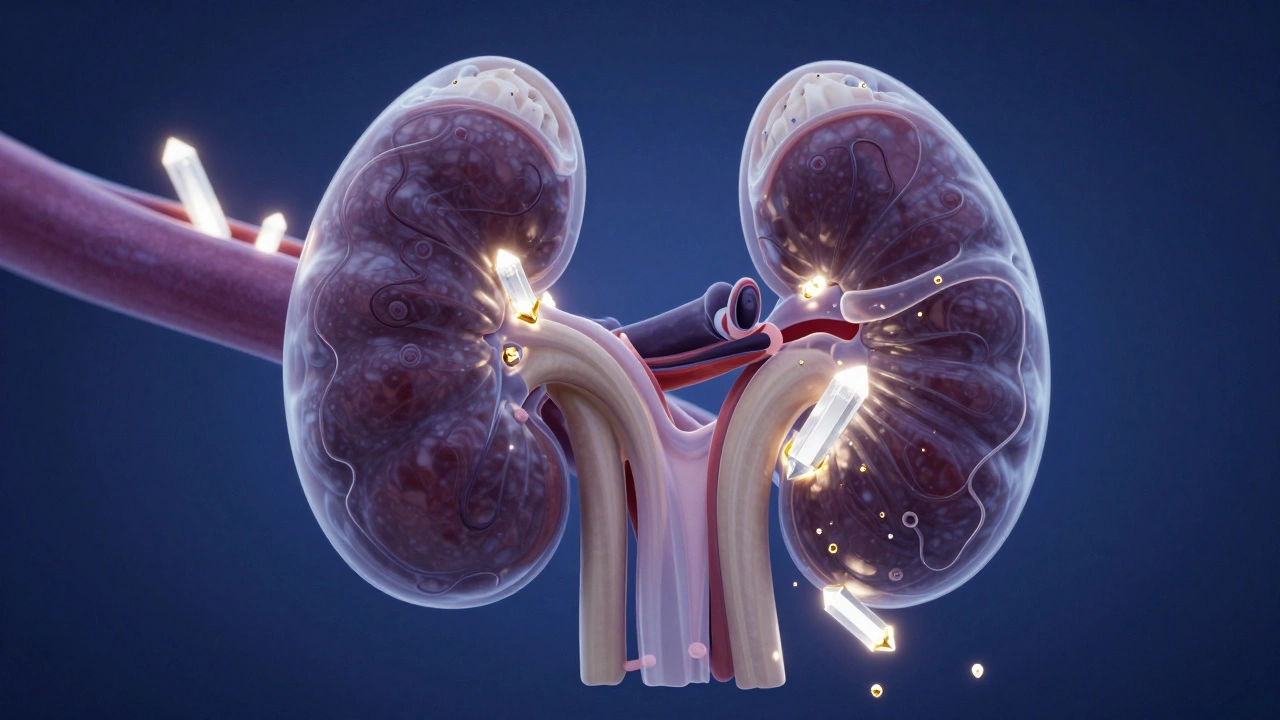
When a dog has too much Vitamin D, it triggers a chain reaction in the body. The vitamin forces the body to absorb massive amounts of calcium from the food and even pull calcium out of the bones and into the bloodstream. This state is known as Hypercalcemia. Now, you might think more calcium is good for bones, but when it's floating in the blood in extreme amounts, it starts to crystallize.
These crystals settle in the soft tissues, most notably the kidneys. This leads to Calcinosis, where the organs literally begin to harden. Once the kidneys are damaged by these mineral deposits, they can't filter waste from the blood, which can lead to acute renal failure. This is a medical emergency that requires immediate veterinary intervention.
| State | Physical Effect | Common Symptoms |
|---|---|---|
| Balanced | Strong bones and teeth | Normal energy, healthy coat |
| Mild Excess | Increased blood calcium | Increased thirst, frequent urination |
| Severe Toxicity | Kidney mineralization | Vomiting, lethargy, loss of appetite |
| Critical Stage | Organ failure | Seizures, coma, severe dehydration |
Hidden Sources of Vitamin D Poisoning
It's rarely just a supplement pill that causes the problem. Many pet owners are surprised to learn that some common foods are naturally toxic to dogs because they contain a specific form of Vitamin D called Ergocalciferol or other potent precursors. For example, certain types of mushrooms, like the Vitamin D-rich mushrooms found in some wild forests, can cause rapid poisoning.
The most common "invisible" culprit is human medication. Many high-potency Vitamin D3 supplements designed for adults contain doses that would be catastrophic for a 10kg terrier. Even "fortified" foods, if fed in excessive quantities, can contribute to the buildup. If your dog is on a prescription diet for kidney issues, they may actually need *less* Vitamin D than a healthy dog, making supplementation even riskier.
The Calcium and Phosphorus Balance
You can't talk about Vitamin D without talking about the Calcium-Phosphorus Ratio. These three elements work like a tripod; if one leg is too long, the whole thing falls over. Vitamin D is the manager that decides how much calcium and phosphorus get into the blood. If you supplement Vitamin D without knowing your dog's current calcium levels, you might accidentally trigger a spike in blood calcium that damages the heart and blood vessels.
This is why most high-quality dog foods are already balanced. The manufacturers follow guidelines set by AAFCO (Association of American Feed Control Officials) to ensure that the amount of Vitamin D is precisely calibrated to the amount of calcium and phosphorus in the kibble. Adding a supplement on top of a balanced diet is often like adding salt to a dish that's already perfectly seasoned-it just ruins the balance.
When is Vitamin D Actually Needed?
Despite the risks, there are cases where a vet will prescribe Vitamin D. This usually happens with dogs suffering from severe malabsorption issues or specific metabolic bone diseases. In these cases, the vet isn't just guessing; they are using blood tests to measure the serum levels of the vitamin and the concentration of calcium in the blood.
If you live in a place with very little sunlight (like a rainy city in the UK during November) and your dog doesn't get much outdoor time, you might worry about deficiency. However, true Vitamin D deficiency in dogs is incredibly rare because they get so much of it from animal-based proteins in their food. Instead of reaching for a pill, focus on a diet rich in fatty fish like salmon or sardines, which provide a natural, safer source of the nutrient.
What to Do If You Suspect Overdose
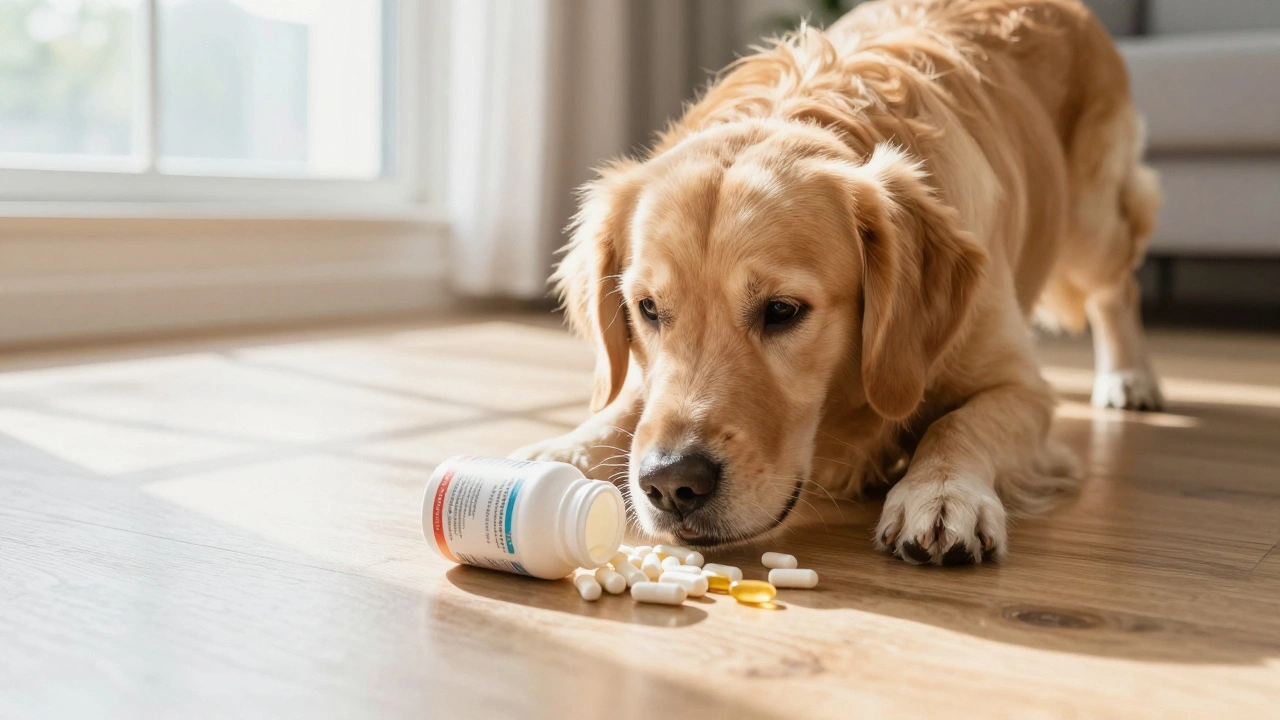
If your dog has eaten your vitamins, don't wait for symptoms to appear. By the time a dog is vomiting or acting lethargic, the kidney damage may already be underway. The first step is to identify exactly what was ingested and the dosage (e.g., "three 5,000 IU capsules").
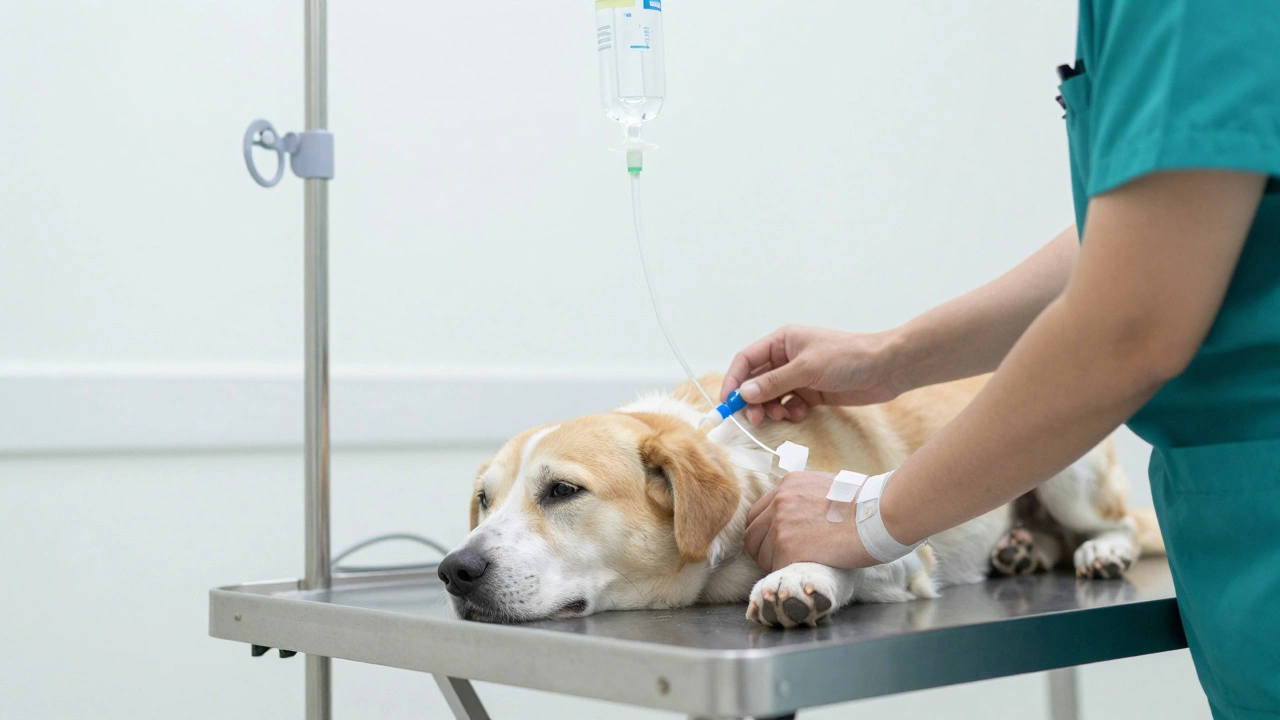
A vet will typically use several strategies to manage toxicity. They may induce vomiting if the ingestion was recent. More importantly, they will administer Intravenous Fluids to flush the kidneys and dilute the calcium in the blood. In severe cases, they might use specific medications to drive calcium back into the bones and out of the bloodstream. This is a time-sensitive process; the faster the calcium is lowered, the better the chance of saving the kidneys.
Can dogs get too much sun?
No, dogs cannot get Vitamin D toxicity from sunlight alone. Their skin is not efficient enough at synthesizing it to reach toxic levels. However, they can still get sunburned, especially on the nose and belly.
Are there safe Vitamin D supplements for dogs?
Yes, but only those specifically formulated for canines and approved by your vet. Human vitamins are far too concentrated and often contain other ingredients (like Xylitol) that are toxic to dogs.
What are the first signs of Vitamin D poisoning?
The earliest signs are often behavioral: increased thirst (polydipsia) and more frequent urination. As it progresses, you'll see a loss of appetite, lethargy, and eventually vomiting.
Do puppy diets need extra Vitamin D?
Generally, no. Puppies need a very specific balance of minerals for their growth plates to close correctly. Adding extra Vitamin D can interfere with this balance and cause skeletal deformities.
Which foods naturally contain Vitamin D for dogs?
Fatty fish like mackerel, salmon, and sardines are excellent natural sources. Egg yolks also provide some Vitamin D in a form that is generally safe when fed as part of a balanced diet.