Dog Hunching & Bed Selector Tool
Use this tool to help determine if your dog's hunching posture requires immediate attention and which type of bed will best support their recovery.
- Support Level:
- Best For:
Immediate Action Plan
Select symptoms above and click Analyze to see recommendations.
You’re watching your dog sleep or just standing by the kitchen door, and something looks… off. Their spine isn’t straight. It’s curved upward, like a cat arching its back in anger, but your dog isn’t angry. They look uncomfortable, stiff, or maybe just tired. This posture is called dog hunching, and it’s rarely just a quirky habit. In most cases, it’s a silent scream for help from their spine or abdomen.
If you’ve noticed this shape on your pet, don’t panic, but do pay attention. Hunching is a clinical sign, not a diagnosis. It tells you that something hurts-usually in the lower back (lumbar region) or the stomach. The good news? Many causes are manageable, especially if you catch them early. And yes, your choice of dog bed plays a huge role in both preventing and easing this discomfort.
Decoding the Curve: What Does Hunching Actually Look Like?
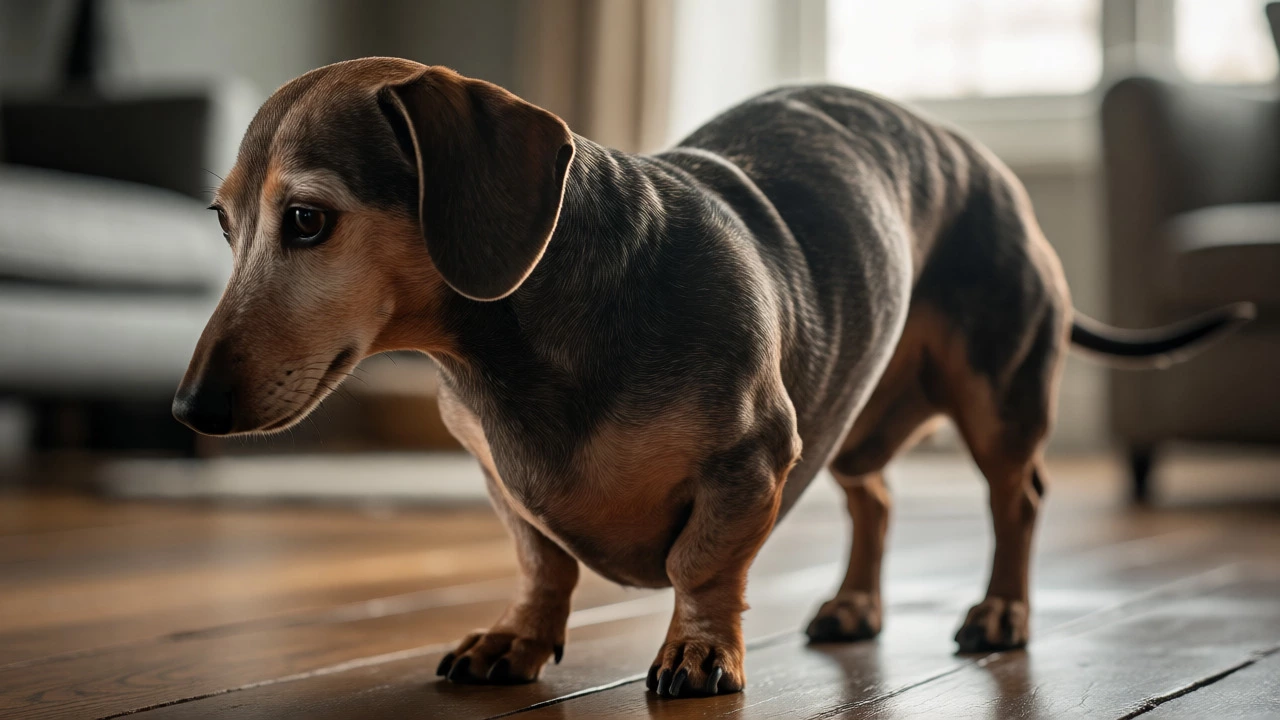
It’s easy to confuse normal stretching with problematic hunching. A dog might stretch their front legs forward and lift their rear slightly after a nap-that’s healthy mobility. True hunching, often referred to medically as kyphosis or simply spinal flexion due to pain, looks different.
- The Arch: The spine curves upward significantly, creating a convex shape along the back.
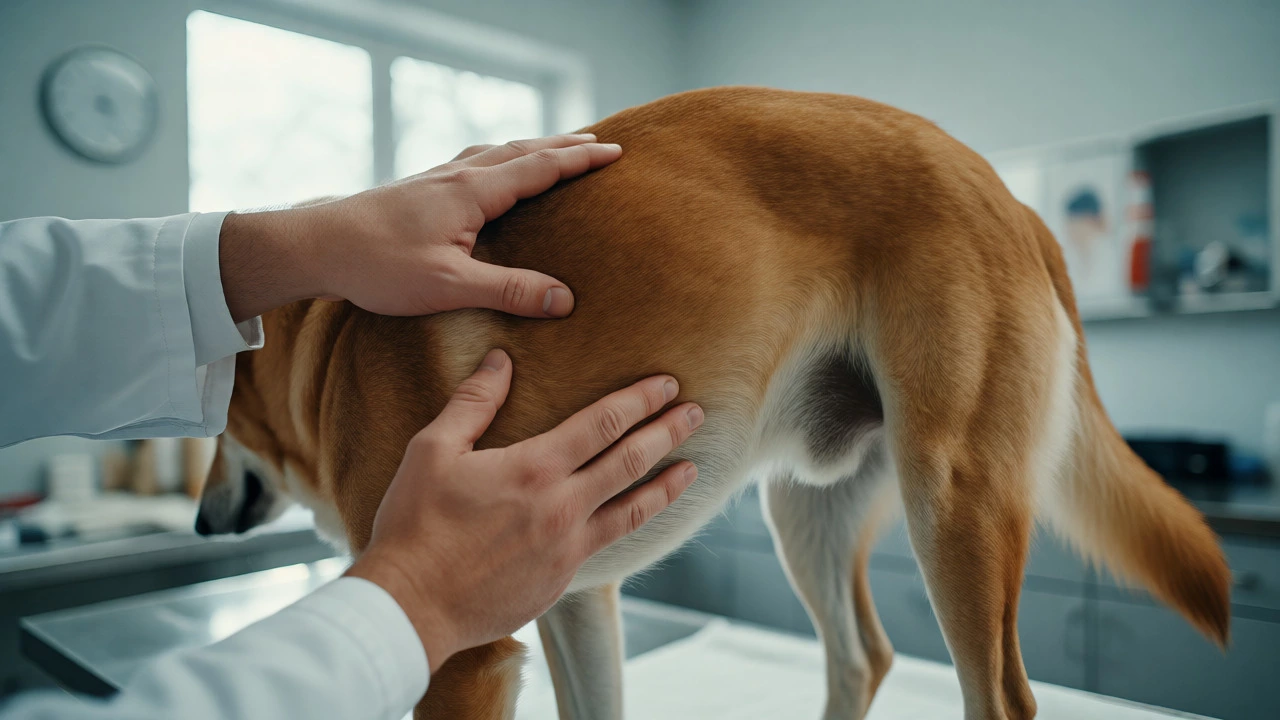
- Tight Muscles: The muscles alongside the spine feel hard to the touch, like a board.
- Reluctance to Move: Your dog might hesitate to jump into the car, climb stairs, or even walk normally.
- Abdominal Tension: If the cause is stomach-related, the belly might feel tight or sensitive when you gently press it.
Why does the body do this? Think of it as a protective reflex. When a joint or organ is inflamed, the surrounding muscles spasm to immobilize the area. By curving the spine, the dog reduces tension on the affected nerves or organs. It’s nature’s way of splinting an injury.
The Top Culprits Behind the Posture
While we can’t play vet over the internet, we can narrow down the usual suspects. If your dog is hunching, one of these five issues is likely at play.
1. Intervertebral Disc Disease (IVDD)
This is the big one, especially for breeds like Dachshunds, French Bulldogs, and Corgis. IVDD occurs when the cushioning discs between the vertebrae bulge or rupture, pressing on the spinal cord. The pain is sharp and sudden. You might see a dog yelp, refuse to eat, and immediately adopt that hunched stance. It’s an emergency if they start losing coordination in their hind legs.
2. Arthritis and Joint Degeneration
Older dogs often suffer from osteoarthritis. As cartilage wears down, bones rub together, causing inflammation. The hunch here is usually gradual. You’ll notice stiffness in the morning that eases up after a few minutes of movement. Orthopedic support becomes critical here because soft, sinking beds force the joints to work harder to maintain alignment.
3. Abdominal Pain (Pancreatitis or Gastroenteritis)
Not all hunching is skeletal. If your dog ate something bad, has pancreatitis, or has a blockage, they will curl up to protect their gut. Look for other signs: vomiting, diarrhea, lethargy, or a lack of appetite. If the hunch comes with a tucked tail and shaking, think tummy trouble first.
4. Muscle Strain or Trauma
Dogs are athletes without warm-ups. A rough game of fetch, a slip on hardwood floors, or jumping off a couch can strain the paraspinal muscles. This hunching is temporary. With rest and anti-inflammatory medication (prescribed by a vet), it usually resolves in a few days.
5. Kidney Issues
Infections or stones in the kidneys can cause referred pain to the lower back. Dogs with kidney disease might hunch while drinking water or urinating. If you notice increased thirst alongside the posture, get a urine test done.
How Your Dog’s Bed Can Make or Break Recovery
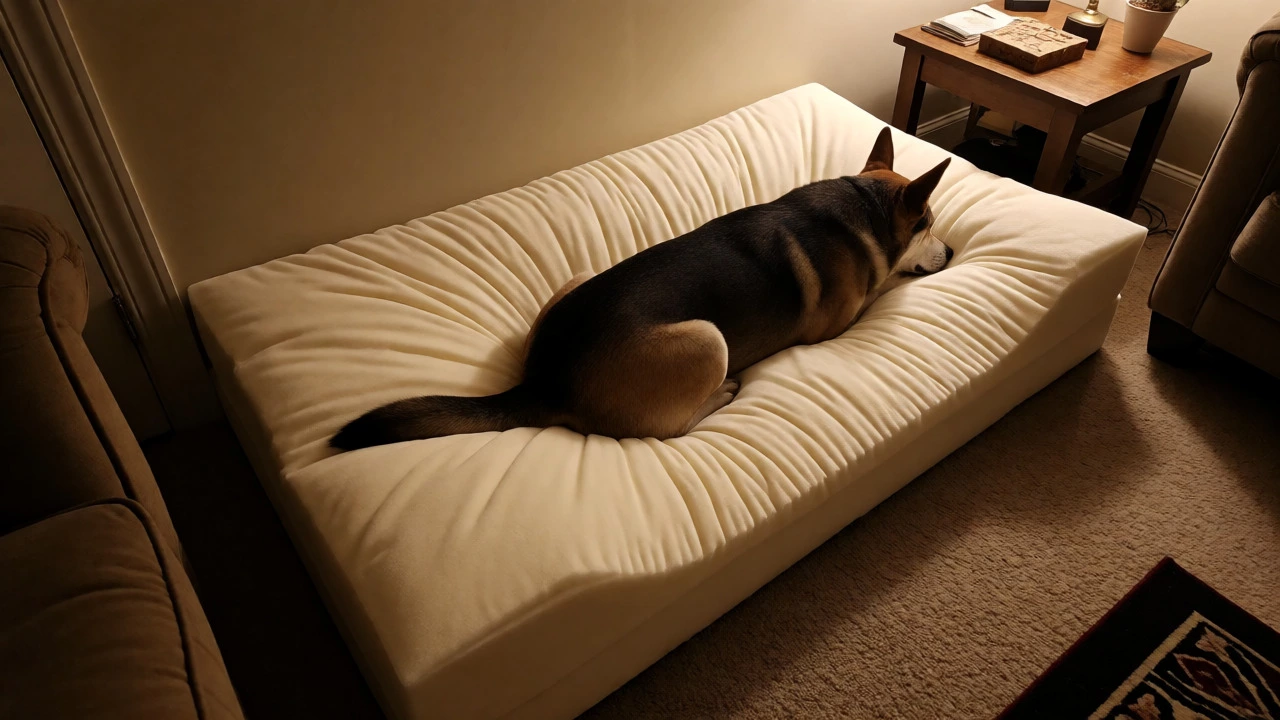
Here is where the dog bed category gets serious. Most people buy beds based on how cute they look in the living room. But for a dog with back pain, aesthetics don’t matter; biomechanics do.
| Bed Type | Support Level | Best For | Risk Factor |
|---|---|---|---|
| Standard Bolster | Low/Medium | Healthy puppies, small breeds | Sinks too much; misaligns spine |
| Egg-Crate Foam | Medium | Mild arthritis, short-term recovery | Breaks down quickly under heavy weight |
| Orthopedic Memory Foam | High | IVDD, chronic arthritis, senior dogs | Can be too soft if low density |
| Therapeutic Gel/Viscoelastic | Very High | Severe pain, post-surgery recovery | Expensive; may retain heat |
Why is memory foam better than standard stuffing? Standard polyester fill compresses instantly. Your dog’s hips sink, their shoulders sink, and their spine bows downward (lordosis) or twists. Over eight hours of sleep, this micro-trauma adds up. High-density memory foam contours to the body’s natural curves while providing resistance. It keeps the spine neutral. If your dog is already hunching during the day, a poor bed guarantees they won’t relax their muscles at night, leading to a cycle of chronic pain.
Immediate Steps: What To Do When You See Hunching
Don’t wait three weeks to call the vet. Here is your action plan.
- Check for Red Flags: Are they dragging their feet? Can they pee? Are they eating? If they are dragging feet or unable to urinate, go to the ER immediately. This suggests neurological damage.
- Restrict Activity: No jumping, no stairs, no zoomies. Crate rest is often prescribed for 2-4 weeks. Keep walks short and on a harness, not a collar, to avoid neck strain.
- Assess the Environment: Remove slippery rugs. Add ramps to cars and sofas. Reduce the height of food and water bowls so they don’t have to stretch their necks down sharply.
- Upgrade the Sleep Surface: If you haven’t switched to an orthopedic bed yet, do it now. Place it in a quiet, draft-free corner. Ensure it’s large enough for them to stretch out fully without hanging off the edge.
Prevention: Keeping the Spine Straight
You can’t prevent every genetic issue, but you can manage risk factors heavily. Obesity is the enemy of the canine spine. Every extra pound puts disproportionate pressure on the lumbar discs. If your dog is overweight, getting them to a healthy weight is the single most effective treatment for mild hunching.
Also, consider their daily routine. Are they jumping onto high furniture repeatedly? Install a set of sturdy pet stairs. It looks silly, but saving those vertical impacts saves thousands in vet bills later. Regular, low-impact exercise like swimming builds core muscle strength, which acts as a natural corset for the spine.
Frequently Asked Questions
Is dog hunching always an emergency?
No, not always. If your dog is acting normal otherwise-eating, playing, and moving freely-it might be mild muscle strain or minor indigestion. However, if the hunching is persistent, accompanied by crying, trembling, or reluctance to move, it requires veterinary attention within 24 hours. Sudden onset with paralysis signs is an immediate emergency.
Can I give my dog human painkillers for hunching?
Never give human NSAIDs like ibuprofen or acetaminophen (Tylenol) without explicit veterinary instruction. Ibuprofen can cause fatal stomach ulcers in dogs, and acetaminophen is toxic to their liver. Only use medications specifically formulated for canine use, such as carprofen or meloxicam, and only after a vet has ruled out contraindications like kidney disease.
Does my dog need surgery if they are hunching?
Surgery depends on the severity of the underlying cause. Mild disc herniations or arthritis are often managed with strict crate rest, anti-inflammatories, and physical therapy. Surgery is typically reserved for severe IVDD cases where there is loss of deep pain sensation, progressive paralysis, or if conservative management fails after several weeks.
How thick should an orthopedic dog bed be for a large breed?
For large breeds (over 50 lbs), look for a mattress with at least 4 to 6 inches of high-density foam. Thin mattresses bottom out, meaning the dog feels the floor. The key metric is density, not just thickness; higher density foam provides better support for heavier bodies and maintains its shape longer.
Can cold weather make dog hunching worse?
Yes, many arthritic dogs experience increased stiffness and pain in cold, damp weather. Cold temperatures can reduce blood flow to joints and increase muscle tension. Providing a heated orthopedic bed or keeping the sleeping area warm can significantly alleviate discomfort during winter months.