

Dog Fruit Safety Checker
Select a fruit to see if it's safe for your dog.
You’re sitting on the sofa, eating a bowl of mixed berries or maybe slicing up an apple. Your dog gives you that classic look-the one with wide eyes and a wagging tail that says, “Please, just one bite.” It’s hard to resist sharing healthy snacks with your furry friend, especially when they seem so harmless to us. But here is the uncomfortable truth: many fruits that are superfoods for humans can be genuinely dangerous, or even deadly, for dogs.
It isn’t just about sugar content or digestive upset. Some fruits contain specific toxins like cyanide precursors or persin that affect dogs differently than they affect us. Knowing exactly which fruits belong in the bin and which ones can go into your dog’s bowl is crucial for keeping them safe. Let’s break down the strict no-go list, the risky middle ground, and the safe options you can share without worry.
The Absolute No-Go List: Fruits That Are Toxic
These are the fruits you should never feed your dog under any circumstances. Even small amounts can cause serious health issues ranging from kidney failure to severe gastrointestinal distress.
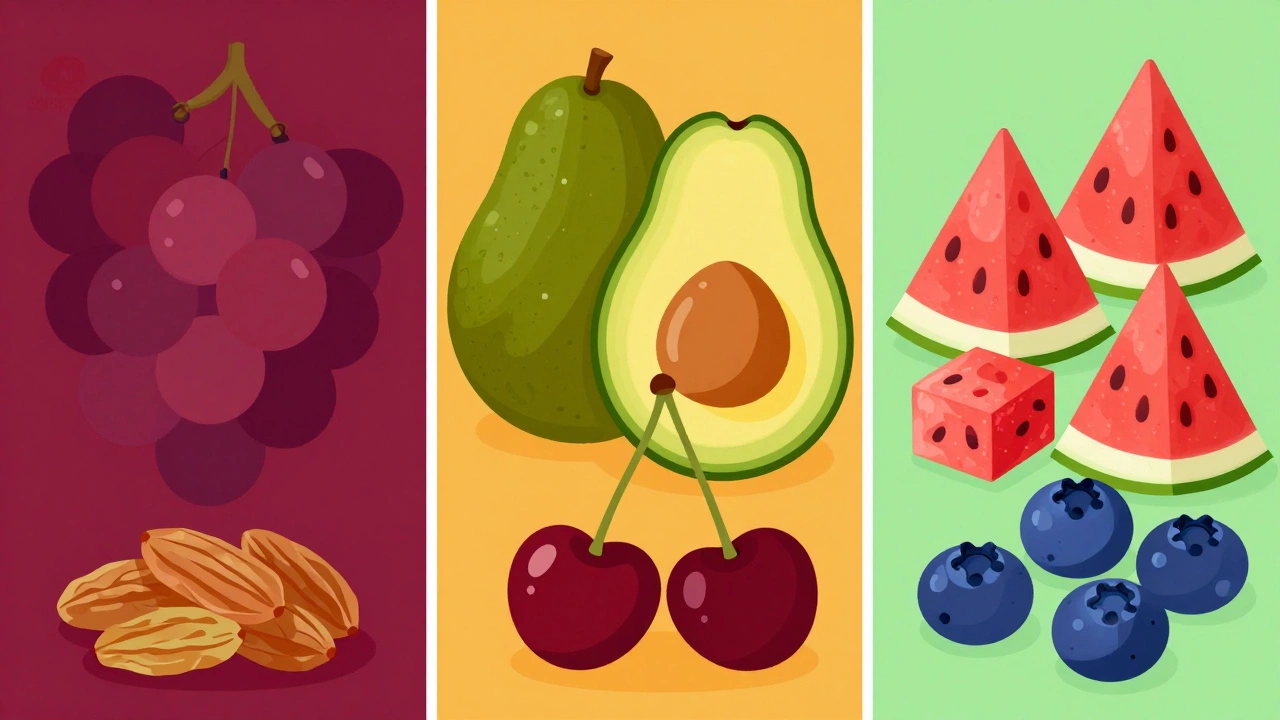
Grapes and Raisins are the most dangerous common fruits for dogs, capable of causing acute kidney failure even in tiny quantities. This is perhaps the most critical rule in dog nutrition. We still don’t know exactly what compound in grapes causes this reaction, but it doesn’t matter why-it matters that it happens. A handful of grapes or a few raisins can lead to vomiting, diarrhea, lethargy, and eventually complete kidney shutdown within 24 to 72 hours. There is no safe dose. If your dog eats even one grape, call your vet immediately. Do not wait for symptoms to appear.
Avocados are fruits containing persin, a toxin that can cause vomiting and diarrhea in dogs, along with high fat content leading to pancreatitis. While avocados aren’t as instantly lethal as grapes, they are far from safe. They contain persin, a fungicidal toxin found in the pit, skin, and leaves. In dogs, persin usually causes mild vomiting and diarrhea, but the real danger lies in the pit. It poses a choking hazard and can cause intestinal blockage if swallowed whole. Furthermore, the high fat content can trigger pancreatitis, a painful and potentially life-threatening inflammation of the pancreas.
Cherries are fruits whose stems, pits, and leaves contain cyanide, making them unsafe for dogs despite the flesh being technically edible. You might think, “I’ll just remove the pit,” but that’s tricky. Cherry stems, leaves, and pits all contain cyanide. When ingested, these parts release hydrogen cyanide gas, which interferes with how cells use oxygen. Symptoms include dilated pupils, difficulty breathing, red gums, and shock. Because it’s nearly impossible to ensure every trace of stem or pit residue is gone, it’s best to keep cherries completely off-limits.
| Fruit | Toxic Component | Primary Risk | Onset Time |
|---|---|---|---|
| Grapes/Raisins | Unknown (possibly tartaric acid) | Acute Kidney Failure | 1-3 days |
| Avocado | Persin & High Fat | Vomiting, Pancreatitis, Choking | Immediate to 24 hours |
| Cherries | Cyanide (in pits/stems) | Cyanide Poisoning | Rapid (minutes to hours) |
The Risky Middle Ground: Proceed With Extreme Caution
Some fruits aren’t strictly toxic in the same way grapes are, but they come with significant caveats. These require careful preparation or should generally be avoided due to other health risks.
Oranges and Lemons are citrus fruits that are technically non-toxic but often cause stomach upset due to their high acidity and essential oils. Citrus fruits fall into a gray area. The ASPCA lists them as mildly toxic because of the essential oils and acidity. While a small segment of orange flesh won’t kill your dog, it will likely cause nausea, vomiting, or diarrhea. The white pith and peel are particularly irritating to a dog’s digestive system. Given that there are plenty of safer fruit options, oranges and lemons aren’t worth the risk of an upset tummy.
Apples are safe fruits for dogs only when seeds and core are removed, as apple seeds contain amygdalin which converts to cyanide. Apples are great for dogs-crunchy, low-calorie, and rich in fiber and vitamins C and A. However, you must remove the core and seeds. Apple seeds contain amygdalin, which breaks down into cyanide when chewed. While a dog would need to eat a massive number of crushed seeds to suffer cyanide poisoning, it’s easy to accidentally let a seed slip through. Always slice apples into thin wedges and inspect them carefully.
Berries (Blueberries, Strawberries, Raspberries) are generally safe superfoods for dogs, but raspberries contain trace amounts of xylitol which limits safe consumption. Most berries are excellent treats. Blueberries and strawberries are packed with antioxidants and fiber. Raspberries and blackberries are also okay in moderation. However, raspberries contain small amounts of xylitol, a natural sweetener that is highly toxic to dogs. While the amount in a single raspberry is negligible, feeding large quantities could add up. Stick to a few berries as an occasional treat, not a daily staple.
Safe Fruits You Can Share Freely
Once you’ve cleared the toxic and risky items, there’s a wide variety of fruits that make healthy, tasty additions to your dog’s diet. Remember, these should always be given in moderation as part of a balanced diet, not as meal replacements.
Watermelon is a hydrating, low-calorie summer treat for dogs, provided all seeds and rind are removed to prevent choking and blockages. Watermelon is fantastic for hot days. It’s mostly water, helping with hydration, and contains vitamins A, B6, and C. Just make sure to remove the red flesh from the green rind (which is hard to digest) and check for seeds. Seeds can cause intestinal blockage or mild toxicity if swallowed in large numbers. Serve it cubed and seedless.
Bananas are high-energy treats rich in potassium and vitamins, but should be limited due to their high sugar content. Bananas are easy to prepare and most dogs love them. They’re good sources of potassium, biotin, vitamin C, and fiber. However, they are high in sugar. Too much banana can lead to weight gain or digestive issues. Offer small slices as a training reward or occasional snack, especially for active dogs who need a quick energy boost.
Pear is a crunchy, fiber-rich fruit similar to apples, requiring removal of seeds and core before serving to dogs. Pears are another great alternative to apples. They are high in fiber and vitamins C and K. Like apples, you must remove the core and seeds. Pears can be harder to digest for some dogs, so introduce them slowly to see how your dog’s stomach reacts.

How to Introduce New Fruits Safely
Even safe fruits can cause problems if introduced too quickly. Your dog’s digestive system is sensitive to sudden changes. Here is a simple protocol to follow:
- Start Small: Begin with a teaspoon-sized portion. This allows you to monitor for any adverse reactions without overwhelming their system.
- Observe for 24 Hours: Watch for signs of intolerance such as loose stools, gas, vomiting, or excessive scratching (which could indicate an allergic reaction).
- Check Ingredients: Ensure the fruit is fresh and plain. Avoid canned fruits in syrup, dried fruits with added sugars, or fruit juices which offer little nutritional value and high sugar loads.
- Consult Your Vet: If your dog has underlying health conditions like diabetes, kidney disease, or food allergies, always ask your veterinarian before adding new foods to their diet.
What to Do If Your Dog Eats a Toxic Fruit
If you suspect your dog has eaten something from the no-go list, act fast. Time is critical, especially with grapes and raisins.
- Do Not Induce Vomiting Unless Told To: Improperly inducing vomiting can cause aspiration pneumonia. Call your vet or an emergency poison control center first.
- Call the Pet Poison Helpline: In the UK, you can contact the Pet Poison Helpline or your local vet. Have the packaging or type of fruit ready to describe.
- Note the Time and Amount: Estimate how much was eaten and when. This information helps vets determine the severity of the situation.
- Watch for Symptoms: Look for vomiting, diarrhea, lethargy, loss of appetite, or difficulty breathing. Report these immediately.
Can dogs eat pineapple?
Yes, dogs can eat pineapple in moderation. Fresh pineapple chunks are safe and provide bromelain, an enzyme that aids digestion. However, avoid canned pineapple in syrup due to high sugar content. Remove the tough outer skin and core, as these are difficult to digest and pose choking hazards.
Is it safe for dogs to eat melon?
Cantaloupe and honeydew melons are safe for dogs. They are hydrating and contain vitamins A and C. Always remove the rind and seeds before serving. Cut the flesh into small, manageable cubes to prevent choking. Limit portions due to natural sugar content.
Why are grapes so dangerous for dogs?
The exact toxic agent in grapes and raisins remains unidentified, but they consistently cause acute kidney failure in dogs. Symptoms may not appear immediately, making early veterinary intervention crucial. Even small amounts relative to body weight can be fatal, so prevention is key.
Can dogs have fruit juice?
It is generally not recommended to give dogs fruit juice. Juices lack the beneficial fiber of whole fruit and are concentrated sources of sugar. This can lead to dental problems, weight gain, and digestive upset. Whole fruit pieces are a much healthier option.
Are dried fruits safe for dogs?
Most dried fruits are not ideal for dogs. The drying process concentrates sugars, increasing the risk of obesity and dental decay. Additionally, many commercial dried fruits contain added preservatives or sulfites which can be harmful. Stick to fresh, washed, and properly prepared fruits instead.