Dog Night Light Advisor
Most adult dogs see well in the dark, but specific conditions require illumination. Answer the questions below to get a personalized recommendation.
1. Dog Profile
2. Nighttime Behavior
Recommendation
Please select options above and click "Get Recommendation".
Recommended Lighting Type
Action Plan
You’re heading to bed, and your dog is staring at you with those big, soulful eyes. The house is dark, the hallway is pitch black, and suddenly you’re hit with a wave of guilt. Is it cruel to leave them in the dark? Will they get scared? Or are you just overthinking things because you know they can see better than you do?
This isn’t just about your own comfort; it’s about understanding how canine vision actually works versus what we assume based on our own human limitations. Most dogs don’t need a light on to navigate their home. In fact, leaving lights on when it’s not necessary can sometimes disrupt their natural sleep cycles or mask underlying issues like anxiety that need addressing, not illumination.
The Truth About Canine Vision in Low Light
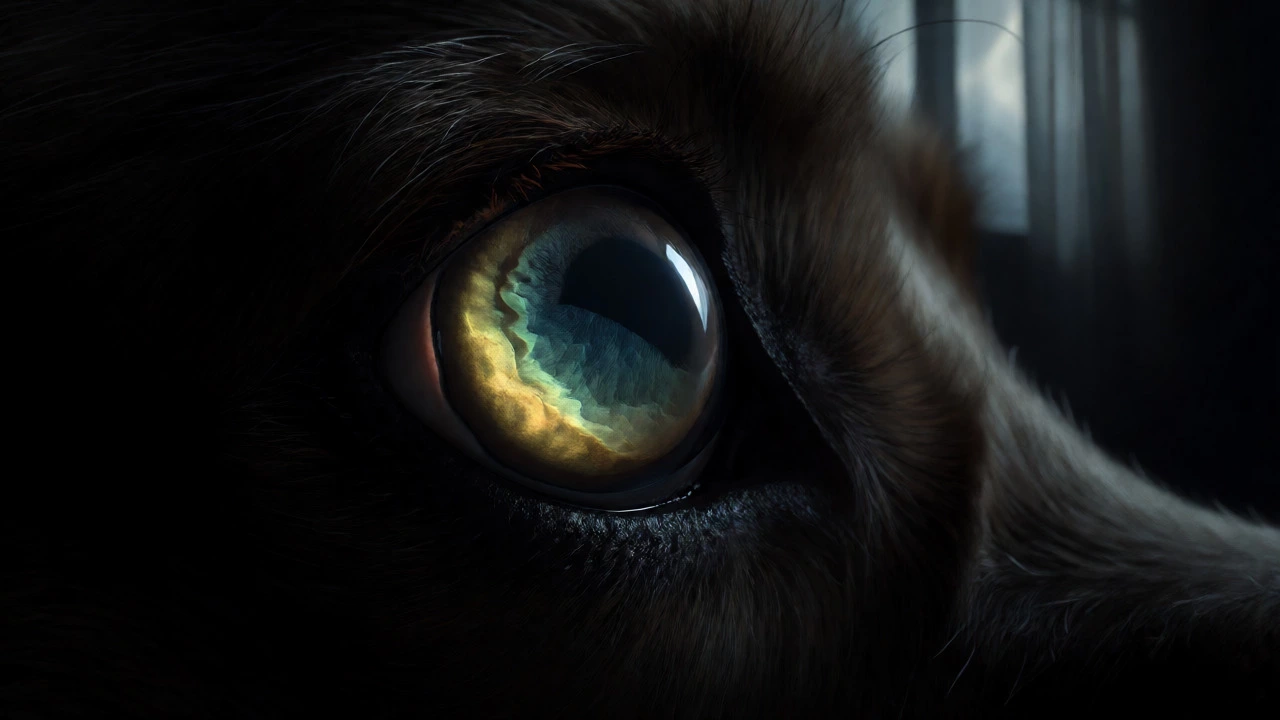
Here is the core biological fact that changes everything: dogs are not colorblind, but they are far superior to humans in low-light conditions. This is due to a structure behind their retina called the tapetum lucidum. Think of it as a built-in mirror. When light enters a dog’s eye, this layer reflects it back through the retina, giving the photoreceptor cells a second chance to catch the photons. It’s why their eyes glow in photos taken with a flash.
Because of this adaptation, a dog can see clearly in light levels that would render a human completely blind. If there is even a tiny amount of ambient light-like moonlight filtering through curtains or the standby light from a TV-a healthy adult dog can navigate their living room without bumping into furniture. So, if your primary worry is physical safety, you can usually relax. They aren’t stumbling around blindly.
When Darkness Is Actually Better for Sleep
Just like us, dogs have circadian rhythms. Their bodies produce melatonin in response to darkness, signaling that it’s time to rest. Constant artificial light, especially blue-rich light from LED bulbs or screens, can suppress melatonin production. If you leave a bright overhead light on all night, you might be inadvertently keeping your dog in a state of low-level alertness rather than deep, restorative sleep.
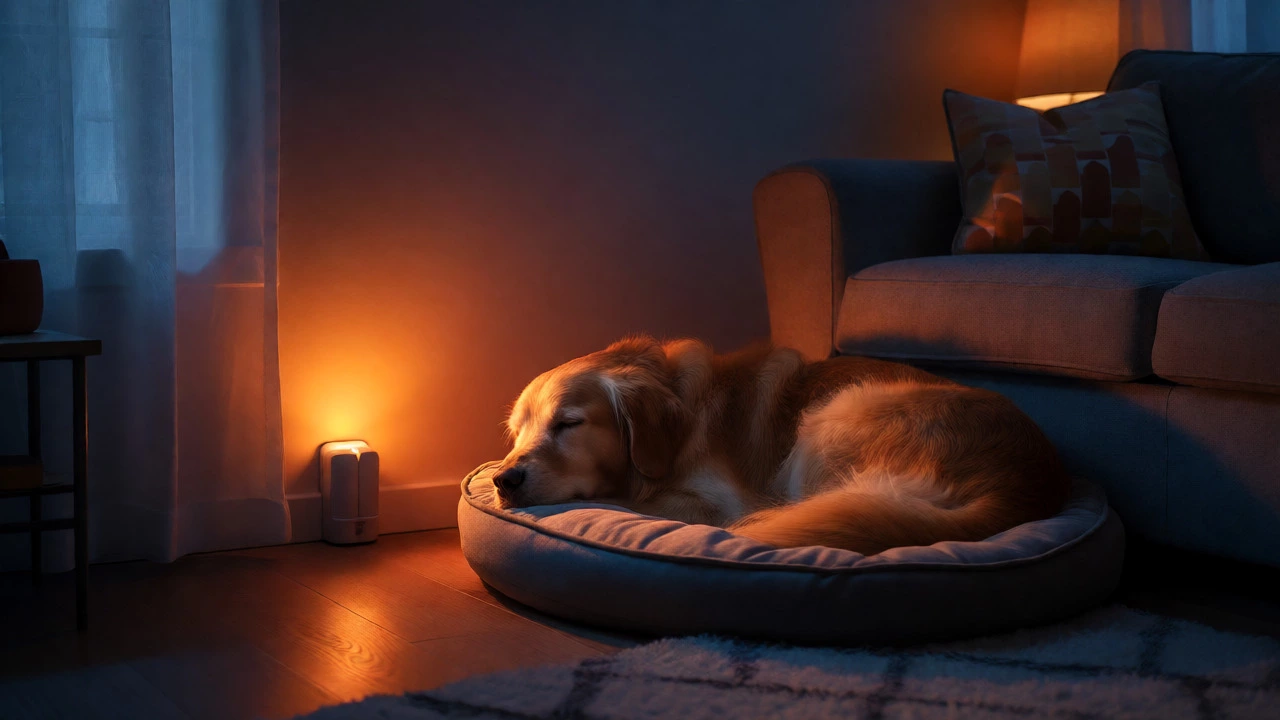
Consider where your dog sleeps. If they use a cozy dog bed in a crate or a dedicated corner, total darkness often promotes deeper REM cycles. You’ll notice this if you watch a sleeping dog twitch their paws or dream; these are signs of good quality sleep. Disrupting this environment with unnecessary brightness can lead to a groggy, less rested pup in the morning.
Signs Your Dog Might Need a Night Light
While biology says most dogs are fine in the dark, individual circumstances vary. There are specific scenarios where a soft light is genuinely helpful. It’s rarely about "vision" and more about comfort, age, or psychology.
- Puppies: Young pups are still learning the layout of the house. A faint glow helps them find their way to their bed or water bowl without getting lost or confused during the transition from day to night.
- Senior Dogs: As dogs age, their eyesight deteriorates. Conditions like cataracts or nuclear sclerosis (a normal clouding of the lens) reduce their ability to process light. An older dog might hesitate to move in the dark simply because they can’t judge depth or distance well anymore.
- Separation Anxiety: Some dogs associate darkness with isolation. If your dog whines, paces, or scratches at doors only when the house goes dark, they may be experiencing distress linked to the sensory deprivation of night. A small light can serve as a comforting anchor.
- Recent Trauma or Rescue Background: Dogs rescued from shelters or harsh outdoor environments might have negative associations with dark, enclosed spaces. For them, light equals safety.
Choosing the Right Type of Lighting
If you decide your dog needs some illumination, don’t just flip on the main bedroom lamp. The type of light matters significantly for both their eyes and their sleep quality.
| Light Type | Pros | Cons | Best For |
|---|---|---|---|
| Red LED | Does not suppress melatonin; preserves night vision | Might look eerie to humans initially | Deep sleep maintenance |
| Amber/Warm White | Softer on eyes than blue-white LEDs | Can still interfere with sleep if too bright | General reassurance |
| Standard Blue-White LED | Bright and efficient | High blue content disrupts sleep cycles | Avoid at night |
| Nightlight Plug-ins | Low intensity; directional | May flicker if cheap quality | Puppies and seniors |
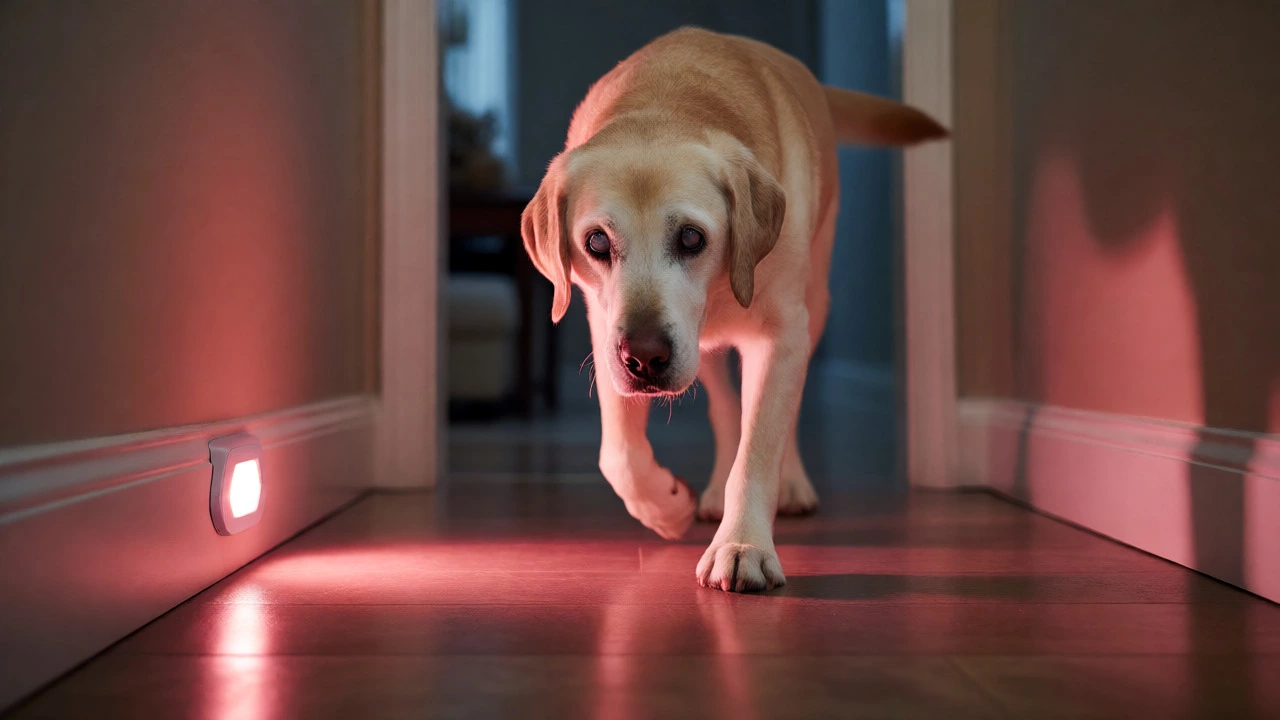
Experts generally recommend red or amber spectrum lights. Why? Because the tapetum lucidum reflects greenish-yellow light, but red light has a longer wavelength that doesn’t trigger the same alertness pathways in the brain. A simple plug-in nightlight in the hallway near their bed is usually sufficient. Avoid placing any light source directly in their line of sight while they lie down, as this can cause discomfort.
Troubleshooting: Is It Fear or Just Habit?
Sometimes, we project our own fears onto our pets. If you turn off the light and your dog sighs and settles down, they were probably fine. But if they start panting heavily, pacing in circles, or refusing to enter their crate, investigate further. Try turning off the light during the day for short periods. If they panic in daylight darkness, it’s likely a phobia or anxiety issue, not a vision problem. In that case, a light is a band-aid; behavioral training or consultation with a vet behaviorist might be the real cure.
Also, consider the location of their dog bed. If it’s in a high-traffic area, they might feel exposed. Moving the bed to a quieter, darker corner might solve the "need for light" by providing security instead. Security comes from enclosure and routine, not necessarily from photons.
Practical Tips for Setting Up a Dog-Friendly Night Environment
Ready to adjust your evening routine? Here is a quick checklist to ensure your setup supports your dog’s health and peace of mind.
- Assess Eyesight First: Take your dog to the vet for a basic eye exam if they are over 7 years old or seem hesitant in dim rooms. Rule out medical causes before buying gadgets.
- Use Dimmers: If possible, install dimmer switches in areas where your dog spends the evening. Gradually lowering the light mimics sunset and helps wind down their energy.
- Create a Safe Pathway: If your dog is elderly, keep the path from their bed to the door clear of toys and shoes. Use a low-level motion-sensor light in the hallway so they don’t have to navigate obstacles in the dark.
- Keep Routine Consistent: Dogs thrive on predictability. Turn off the main lights at the same time every night. This signals to their brain that the day is done.
- Monitor Behavior: Keep a log for a week. Note if they sleep better with or without light. Data beats intuition.
Do dogs get scared of the dark?
Most adult dogs do not fear the dark because their eyes are adapted to see in low-light conditions. However, puppies, senior dogs, or dogs with trauma histories may experience anxiety in the dark due to reduced visibility or negative past associations.
What color light is best for dogs at night?
Red or amber lights are considered best for dogs at night. These wavelengths have lower energy and are less likely to suppress melatonin production compared to blue or white lights, helping maintain natural sleep cycles.
Is it okay to leave a TV on for my dog?
Leaving a TV on can provide background noise and light, which may comfort some dogs. However, the flickering screen and changing images can also stimulate the brain. If used, set it to a static channel or nature documentary with volume turned low to avoid overstimulation.
How do I know if my dog is going blind?
Signs include bumping into walls, hesitation when navigating stairs, reluctance to go outside at night, and changes in pupil size. If you notice these symptoms, consult a veterinarian immediately to check for conditions like cataracts or progressive retinal atrophy.
Should I cover my dog's crate at night?
Covering a crate can create a den-like atmosphere that many dogs find secure. Ensure there is adequate ventilation and do not block airflow. For anxious dogs, a covered crate combined with a distant nightlight can provide the perfect balance of security and orientation.