Puppy First 48 Hours Schedule Generator
Configure Your Schedule
Your Customized Puppy Schedule
Click "Generate My Schedule" to create your personalized puppy routine.
Bringing a new puppy home is supposed to be magical. Instead, it often feels like managing a chaotic, tiny tornado that refuses to sleep and has no concept of boundaries. You are exhausted, the house smells slightly like wet dog, and you are wondering if you made a huge mistake. Take a deep breath. This is completely normal. The first 48 hours are not about perfection; they are about survival, routine, and building a foundation of trust.
The goal during this critical window is not to train your puppy to sit or stay. It is to help them decompress from their previous environment and understand where their bed is, where they eat, and most importantly, where they can go to the toilet. If you keep expectations low and structure high, you will both get through this weekend intact.
The Golden Rule: Do Nothing for 48 Hours
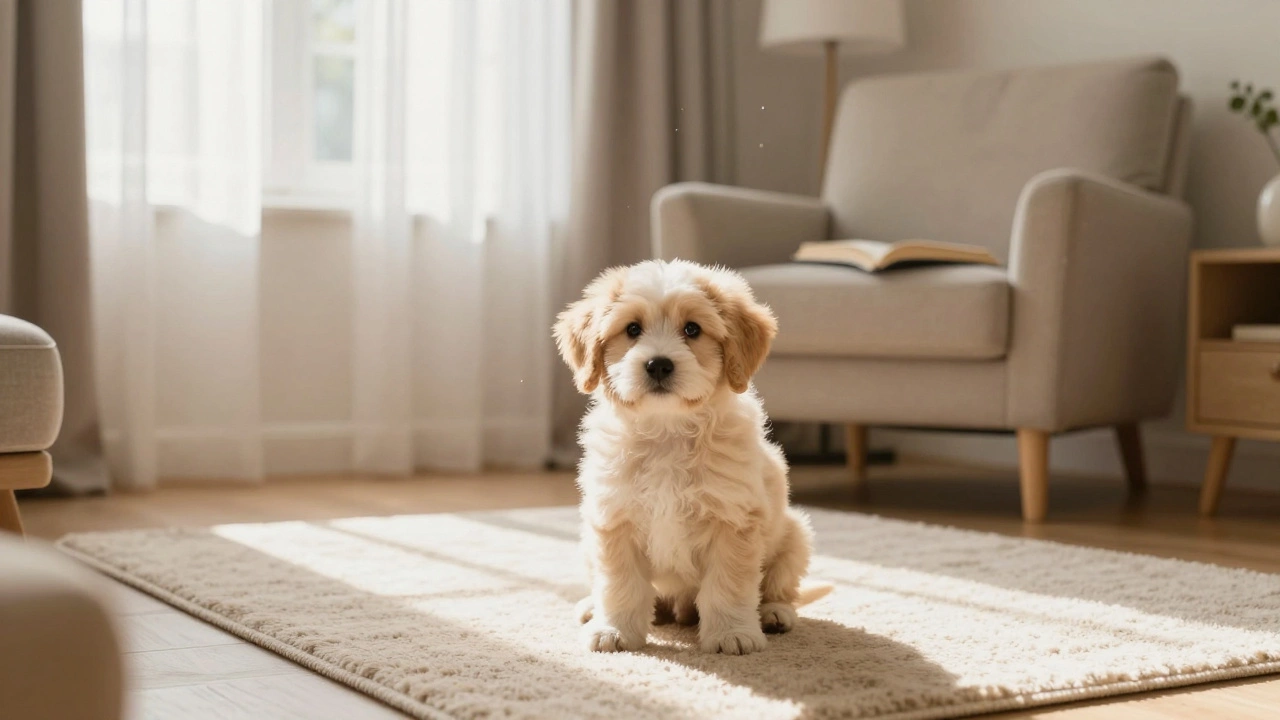
This advice might sound counterintuitive. You want to play, cuddle, and bond immediately. But separation anxiety and behavioral issues often stem from overwhelming a young dog too quickly. The "Do Nothing" rule means avoiding excessive excitement, loud noises, and introducing too many people or animals at once.
Think of it like moving into a new city. You wouldn’t expect someone to learn the subway system on day one. Your puppy is experiencing massive sensory overload. Their brain is processing new smells, sounds, and textures every second. By keeping interactions calm and predictable, you allow their nervous system to settle. Sit on the floor. Read a book aloud in a soft voice. Let them come to you. This passive bonding builds confidence far faster than frantic playing.
Setting Up the Safe Zone: Crate Training Basics
Before the puppy arrives, set up a designated safe space. For most owners, this is a crate. A crate is not a prison; it is a den. Dogs are naturally den animals who feel secure in enclosed spaces. If you use a crate correctly, it becomes their sanctuary, not a punishment zone.
- Size matters: The crate should be large enough for the puppy to stand up, turn around, and lie down comfortably, but not so large that they can use one corner as a bathroom. If you have a large crate for an adult dog, use a divider to shrink the space for the puppy.
- Comfort layering: Line the bottom with washable towels or blankets. Avoid loose bedding that could be shredded and swallowed if the puppy is teething.
- Location: Place the crate in a quiet area of the house, but still within earshot of family activity. Isolation causes stress; total immersion causes chaos. A hallway or spare bedroom works well.
On the first day, leave the crate door open. Toss treats inside. Let the puppy explore it voluntarily. Never force them inside. If they choose to nap there, great. If not, don't worry. The association with safety will build over time.
Potty Training: The Clock is Your Best Friend
Accidents will happen. Accept this now to save yourself frustration later. Puppies have tiny bladders and limited control. A general rule of thumb is that a puppy can hold their bladder for one hour per month of age, plus one. So, a three-month-old puppy can hold it for roughly four hours maximum, but only when fully awake and active. During sleep, they can last longer.
To manage this, you need a strict schedule. Here is how to handle the first two days:
- Immediate outdoor trips: Take the puppy outside the moment they wake up, after eating, after drinking, and after playing.
- The 15-minute rule: Give them 15 minutes to sniff and do their business. If they don't go, bring them back inside, confine them to the crate or a small pen, and try again in 15 minutes.
- Celebrate success: When they eliminate outdoors, offer calm praise and a small treat. Use a specific cue word like "go potty" while they are doing it.
- Ignore accidents: If they pee inside, do not yell, rub their nose in it, or punish them. They do not connect the punishment with the act. Simply clean it up with an enzymatic cleaner to remove the scent marker.
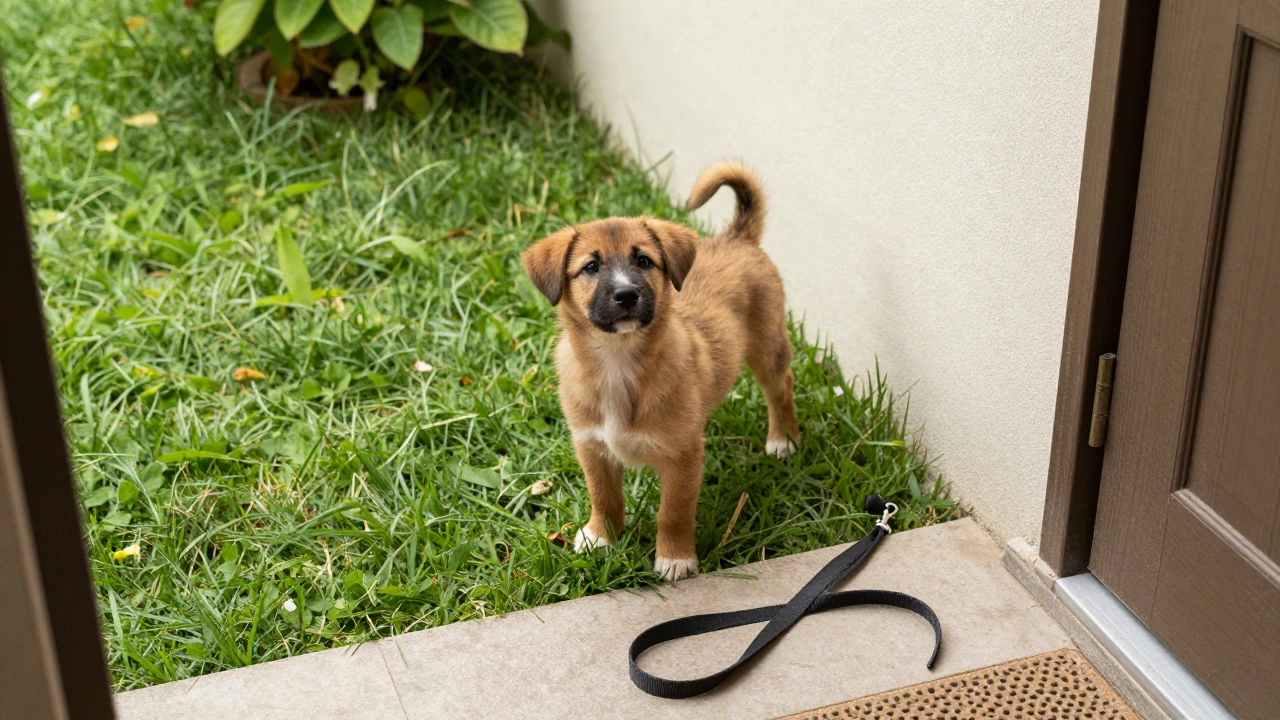
Supervision is key. If the puppy is not in the crate, they must be tethered to you with a leash or in a small exercise pen. Roaming free leads to hidden accidents behind the sofa.
Sleep Schedule: Nighttime Survival Tactics
The hardest part of the first 48 hours is usually night one. Puppies are social creatures used to sleeping in a pile with their littermates. Waking up alone in a big, dark house is terrifying for them. Crying is their way of calling for comfort.
Here is a strategy to minimize crying and maximize sleep for both of you:
- Pre-bed potty run: Take them out right before you go to bed. Keep lights dim and interaction minimal.
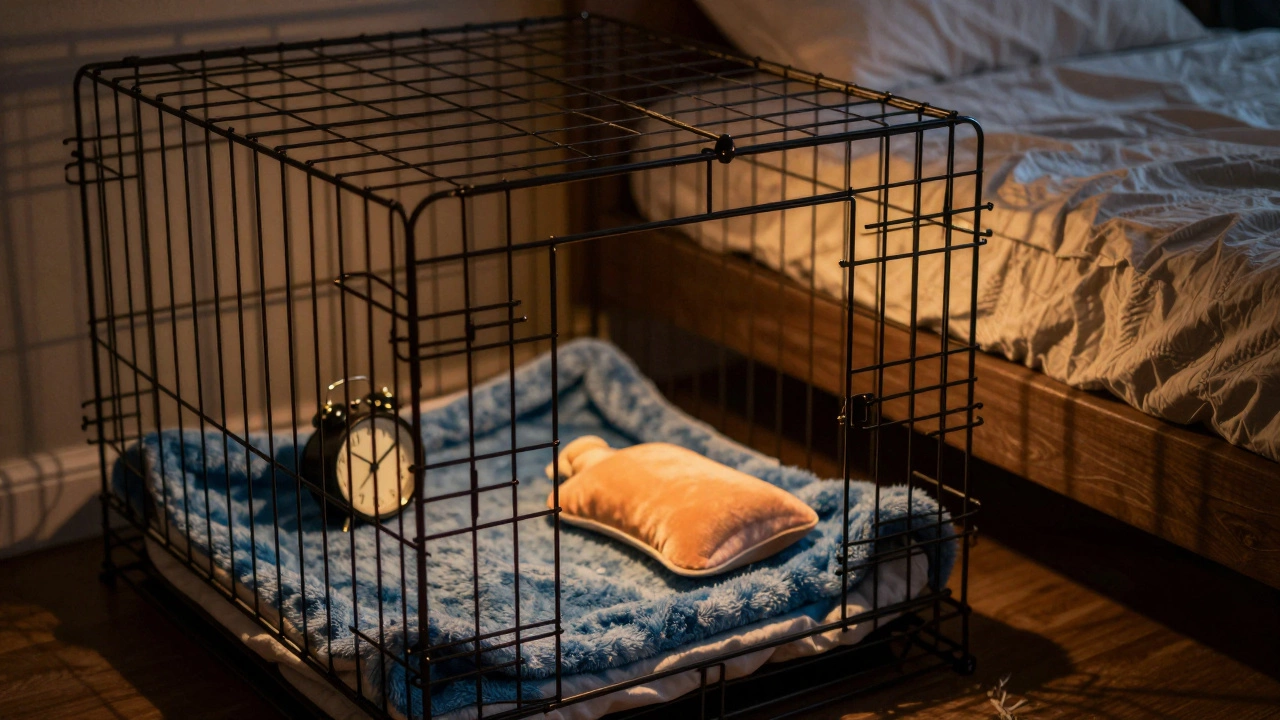
- Proximity: Place the crate next to your bed for the first week. Hearing your breathing and heartbeat is incredibly soothing for a puppy. You can move the crate further away gradually as they adjust.
- The timer method: If they cry, wait 30 seconds to see if they settle. If they continue, take them out to the potty spot immediately. Do not play. Do not talk. Just business. If they go, return them to the crate. If they don't, wait another 15 minutes inside, then try again.
- Comfort items: A ticking clock or a radio playing soft music can mimic the sound of a littermate's heartbeat. Some owners use a warm (not hot) water bottle wrapped in a towel to simulate body heat.
Avoid picking them up and bringing them into your bed unless you are prepared to co-sleep permanently. Mixed signals confuse puppies and make separation harder later.
Feeding and Nutrition: Stick to the Basics
Changing food too soon can cause digestive upset, leading to diarrhea, which complicates potty training. Ask the breeder or shelter what food the puppy was eating and buy the same brand and formula.
Feed small meals frequently. Adult dogs eat twice a day, but puppies need three to four meals a day to maintain energy levels and prevent hypoglycemia (low blood sugar). Here is a sample feeding schedule:
| Meal Time | Action | Note |
|---|---|---|
| 7:00 AM | Morning Meal | Take outside 15-20 mins after eating |
| 12:00 PM | Lunch | Small portion, monitor appetite |
| 5:00 PM | Dinner | Take outside 15-20 mins after eating |
| 9:00 PM | Light Snack | Optional, followed by final potty break |
Always provide fresh water, but consider removing the water bowl about two hours before bedtime to reduce nighttime accidents. This is temporary and should be reintroduced as they gain bladder control.
Socialization and Boundaries: Slow and Steady
You might be eager to introduce your new friend to the family cat, the neighbor's golden retriever, or all your friends. Hold off. The first 48 hours are for you and the puppy. Introduce other household pets slowly, on leashes if necessary, and under close supervision.
Establish basic boundaries early. If the puppy bites your hand during play, say "Ouch!" in a high-pitched voice and stop interacting for 10 seconds. This teaches bite inhibition without aggression. If they jump up, turn your back. Ignore is the most powerful tool you have.
Keep visitors to a minimum. If someone must come over, ask them to ignore the puppy initially. Let the puppy approach them. No forced hugs or kisses. This prevents fear-based aggression later.
Essential Supplies Checklist
Make sure you have these items ready before the puppy arrives to avoid last-minute panic runs:
- Crate and bedding: As discussed above.
- Food and water bowls: Stainless steel or ceramic is easier to clean than plastic.
- Puppy food: Same brand as before.
- Enzymatic cleaner: Essential for removing urine odors completely.
- Chew toys: Rubber toys like Kong or Nylabone to redirect biting.
- Leash and collar/harness: Ensure proper fit. Harnesses are better for pulling prevention.
- Poop bags: For outdoor cleanup.
When to Call the Vet
While some lethargy and picky eating are normal in the first 24 hours due to stress, watch for red flags. Contact your veterinarian if you notice:
- Diarrhea or vomiting that persists beyond the first day.
- Refusal to drink water for more than 12 hours.
- Extreme lethargy (unresponsive to stimuli).
- Difficulty breathing or coughing.
It is always better to err on the side of caution with a young animal. Have your vet's emergency number saved in your phone before the puppy arrives.
Should I let my puppy sleep in my bed?
It depends on your long-term goals. If you plan to co-sleep forever, start now. However, most experts recommend against it initially because it makes crate training and independence harder. A crate placed next to your bed offers proximity without the habit of sharing the mattress.
How often should I take my puppy out to pee?
Aim for every 1-2 hours during the day, plus immediately after waking up, eating, or playing. At night, you may need to wake up once or twice depending on the puppy's age. Consistency is key to successful potty training.
Aim for every 1-2 hours during the day, plus immediately after waking up, eating, or playing. At night, you may need to wake up once or twice depending on the puppy's age. Consistency is key to successful potty training.
My puppy won't eat. Should I be worried?
Mild loss of appetite is common due to stress. Offer food at regular times and remove the bowl if untouched after 20 minutes. Try warming the food slightly to enhance smell. If they refuse food for more than 24 hours or show signs of illness, consult your vet.
Mild loss of appetite is common due to stress. Offer food at regular times and remove the bowl if untouched after 20 minutes. Try warming the food slightly to enhance smell. If they refuse food for more than 24 hours or show signs of illness, consult your vet.
Can I introduce my puppy to other dogs immediately?
No. Wait at least a few days to a week. The puppy needs to bond with you and adjust to the new environment first. Early introductions can lead to fear or resource guarding. When you do introduce them, choose calm, vaccinated dogs in a neutral space.
No. Wait at least a few days to a week. The puppy needs to bond with you and adjust to the new environment first. Early introductions can lead to fear or resource guarding. When you do introduce them, choose calm, vaccinated dogs in a neutral space.
What if my puppy cries in the crate all night?
Check if they need to pee. If not, resist the urge to let them out just to stop the noise. This reinforces crying as a way to escape confinement. Instead, use white noise, cover the crate partially to create a den-like atmosphere, and ensure they had plenty of exercise earlier in the evening.
Check if they need to pee. If not, resist the urge to let them out just to stop the noise. This reinforces crying as a way to escape confinement. Instead, use white noise, cover the crate partially to create a den-like atmosphere, and ensure they had plenty of exercise earlier in the evening.