Puppy First Week Success Planner
Setup Details
Your Action Plan
Enter details and click Generate to see your customized guide.
The First Week Trap: Why Your Good Intentions Might Backfire
You’ve done the research. You’ve bought the crate, the chew toys, and that adorable little harness. You’re ready for the best friend of your life to walk through your door. But here is the hard truth: most people mess up the first week. They don’t do it on purpose. They do it because they are overwhelmed by love and excitement. And that overwhelm leads to mistakes that can take months to fix.
Bringing a puppy a young dog under six months old who requires specific socialization and training protocols home isn't just about cute photos. It’s about setting the foundation for the next fifteen years of your relationship. If you skip the boring stuff now, you’ll pay for it later in behavioral issues. Let’s look at exactly what you should avoid doing so you can start this journey right.
Don’t Overwhelm Them With Visitors Immediately
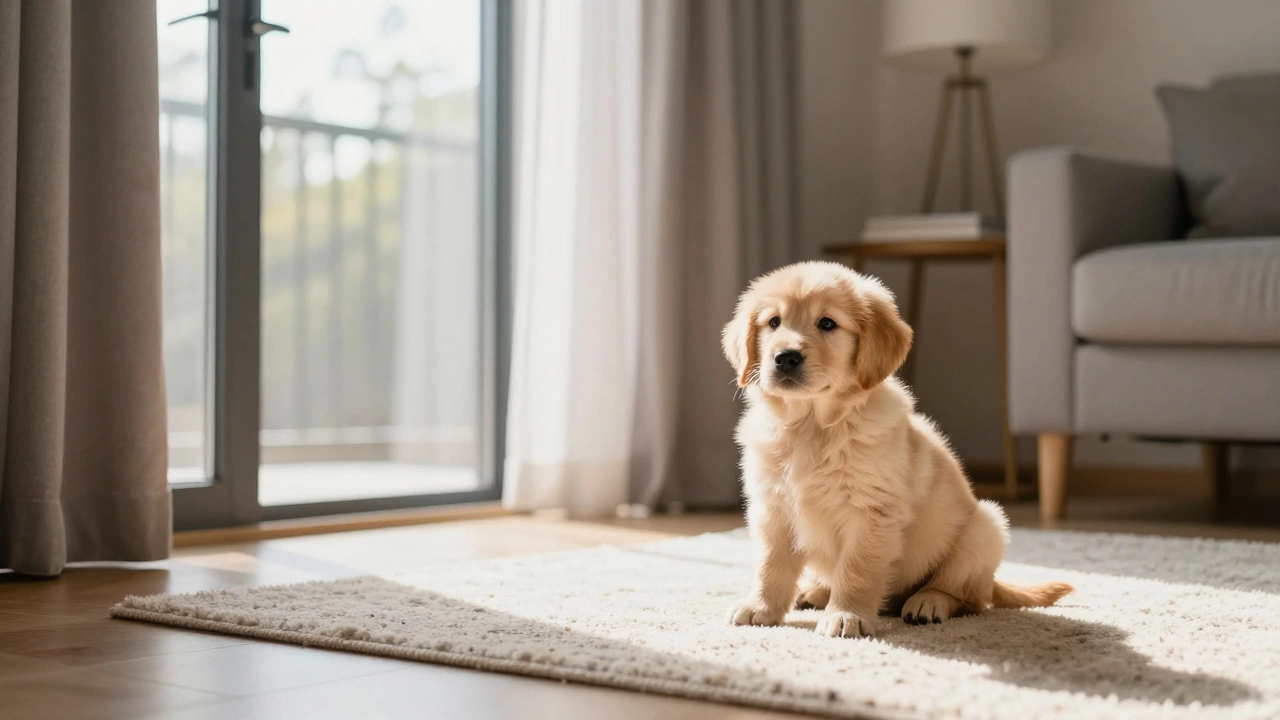
Your puppy has just left their mother and littermates. They are terrified. The world is loud, big, and confusing. The biggest mistake new owners make is treating the first few days like a party. "Everyone needs to meet the baby!" you say, inviting friends, family, and even neighbors over.
This is a disaster waiting to happen. A stressed puppy learns that humans = chaos. This can lead to fear-based aggression or extreme shyness later in life. Instead, keep the house quiet for the first three days. Let the puppy settle into their new territory with just you. Introduce other household members slowly, one by one, keeping interactions calm and low-energy. Save the guest list for when the puppy is confident in their new home.
Avoid Free-Feeding From Day One
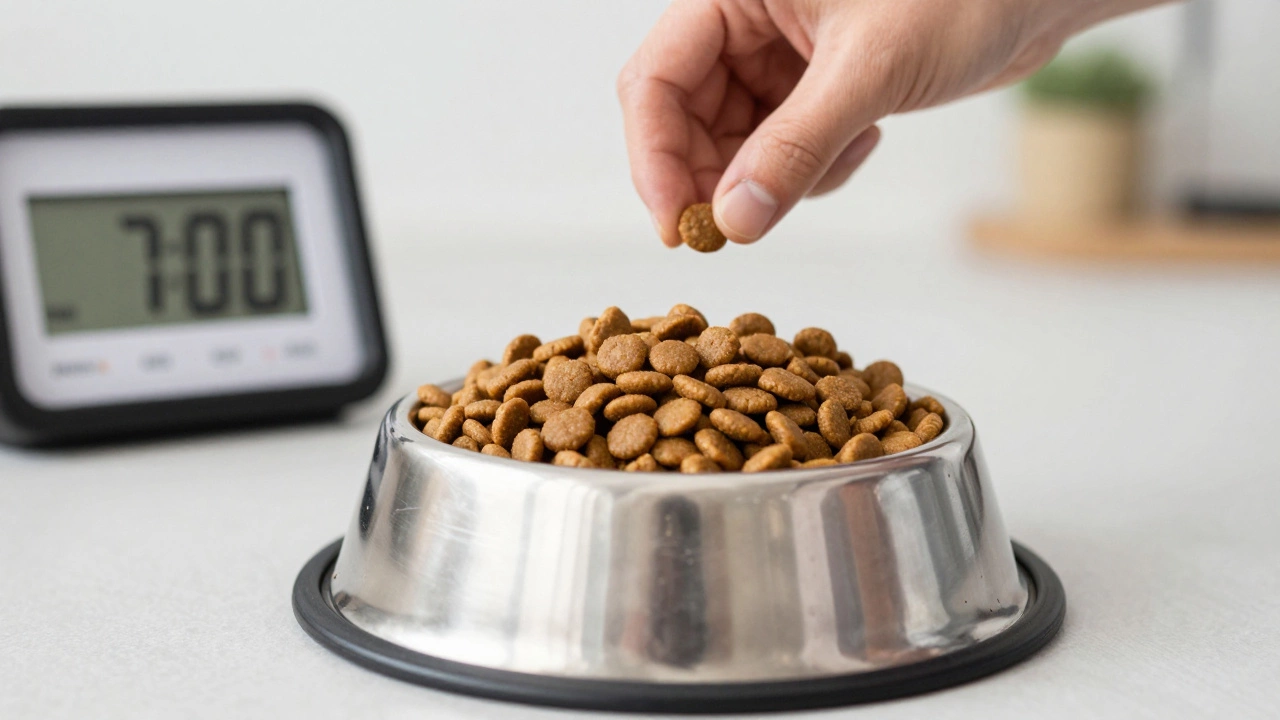
It feels nice to leave a bowl of food out all day, right? The puppy eats when they want, and you don’t have to worry about schedules. But free-feeding the practice of leaving dog food available at all times rather than scheduled meals is a trap. It makes potty training nearly impossible. How can you predict when your puppy needs to go outside if you don’t know when they ate?
Establish a feeding schedule immediately. Two to three small meals a day is standard for puppies. Feed them at the same times every day. This regulates their digestion and gives you control over their bathroom breaks. Plus, using mealtime as a tool for training (trading kibble for obedience) becomes much easier when you control the food bowl.
Stop Chasing Your Puppy Around the House
They run, you chase. They stop, you catch them. It’s playful, but it teaches the wrong lesson. When you chase your puppy, you are teaching them that running away from you is a fun game. Later, when you call them back from the street or away from a dangerous situation, they might just bolt because they think you’re playing.
Instead, play games where coming to you is the reward. Use high-value treats to lure them toward you. Make yourself interesting. Dance around, make silly noises, and reward them heavily when they approach you. You want to be the source of good things, not the predator chasing them down the hallway.
Don’t Punish Accidents After They Happen
You come home from work and find a puddle on the rug. You’re angry. You rub their nose in it. You yell. Stop. Right now. Puppies do not connect punishment with an action that happened ten minutes ago. To them, you are just being scary and unpredictable. This damages trust and can cause them to hide when they need to go, leading to more accidents in hidden spots.
Potty training is about prevention and positive reinforcement. Interrupt the accident if you see it happening, then rush them outside. When they finish outside, celebrate like they just won the lottery. Big cheers, treats, and praise. They need to understand that going outside is the job that pays well.
Avoid Leaving Them Alone for Long Periods
A common myth is that puppies sleep all day. While they do sleep a lot, they cannot hold their bladders for long periods. An eight-week-old puppy can typically only hold it for about two hours. Leaving them alone for a full workday (8+ hours) sets them up for failure. They will soil their crate or living space, which creates a negative association with being alone.
If you work full-time, you need a plan. Hire a dog walker for midday breaks, ask a neighbor to check in, or use a pet sitter. The goal is to ensure they have regular opportunities to relieve themselves and get short bursts of human interaction. Separation anxiety often starts because owners expect too much too soon.
Don’t Neglect Socialization Windows
Socialization is not just letting them sniff other dogs. It’s exposing them to everything: vacuum cleaners, umbrellas, men with hats, women with scarves, slippery floors, and car rides. The critical window for socialization closes around fourteen weeks of age. If you miss this, you might end up with a fearful adult dog.
However, there is a balance. Don’t force interactions. Keep experiences positive. If the puppy hides from a stranger, don’t pull them out. Let them observe from a distance while you give them treats. Gradually decrease the distance as they become comfortable. The goal is to build confidence, not trauma.
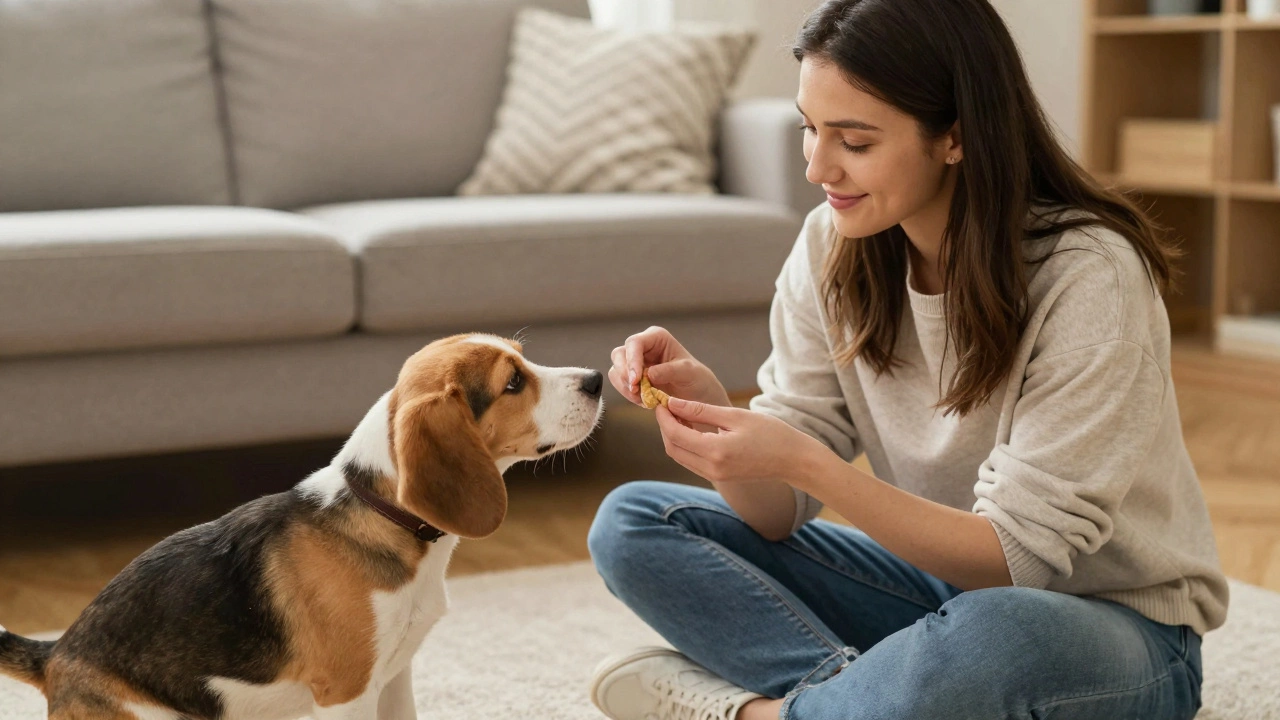
Table Scraps Are a Hard No
Those big, pleading eyes are designed to manipulate you. They work. But giving your puppy table scraps is a recipe for disaster. It teaches begging behavior, which is annoying and hard to break. More importantly, many human foods are toxic to dogs. Chocolate, grapes, onions, and garlic can be fatal. Even harmless foods like bread or cheese can upset their sensitive stomachs and lead to pancreatitis.
Stick to their formulated puppy food. If you want to give treats, use healthy options like small pieces of carrot or apple (no seeds). Consistency in diet helps you identify real health issues versus simple dietary indiscretions.
| Mistake | Why It’s Bad | Best Practice |
|---|---|---|
| Overloading with visitors | Causes stress and fear | Quiet first 3 days; slow introductions |
| Free-feeding | Hinders potty training | Scheduled meals (2-3x daily) |
| Chasing to catch | Teaches avoidance | Lure with treats; reward approach |
| Punishing accidents | Breaks trust; causes hiding | Prevent; interrupt; reward outside |
| Leaving alone too long | Bladder overflow; anxiety | Midday breaks; max 2-4 hours alone |
Don’t Skip the Vet Visit
Even if the breeder says the puppy is vaccinated, you need a vet check within the first week. Puppies can carry latent infections. A professional examination ensures they are healthy, identifies any congenital issues, and establishes a vaccination schedule tailored to your local area. In the UK, for example, rabies isn't mandatory, but distemper and parvovitis shots are critical. Delaying this visit risks serious illness.
Avoid Inconsistent Rules
Is the couch okay today? What about tomorrow? Dogs thrive on consistency. If one family member allows jumping on furniture and another doesn’t, the puppy gets confused. Confusion leads to testing boundaries. Soon, you have a dog who jumps on everyone regardless of permission.
Decide on the rules before the puppy arrives. Can they sleep in your bed? Can they eat off the counter? Can they jump on the sofa? Write these down. Share them with everyone in the household. Enforce them consistently. A clear structure makes a puppy feel safe because they know what is expected of them.
Don’t Ignore Early Warning Signs of Aggression
Playful biting is normal. Growling during toy disputes is normal. But resource guarding (growling when you approach their food or bed) or fear-based snapping is not. Ignoring these signs because "they’re just babies" is dangerous. Small nips today can become large bites tomorrow.
If you notice possessive behavior, consult a certified trainer or behaviorist immediately. Early intervention is key. Most aggression issues are manageable if caught early, but they require professional guidance to resolve safely.
How long should I wait before taking my puppy out in public?
Wait until your puppy has completed their core vaccination series, usually around 16 weeks of age. However, you can still socialize them by carrying them in a sling or stroller to expose them to sights and sounds without putting them on potentially contaminated ground.
Can I let my puppy roam free in the house immediately?
No. Puppies need supervision. Roaming free leads to chewing electrical cords, eating toxins, and having accidents. Use a crate or a puppy-proofed pen when you cannot actively supervise them. Gradually grant freedom as they prove they can handle it responsibly.
What should I do if my puppy cries in the crate at night?
Ensure they have gone potty right before crating. Place the crate near your bed so they can hear you. If they cry, wait a minute to see if they settle. If not, take them out quietly for a potty break, then return them to the crate. Avoid comforting them excessively, as this reinforces crying. Consistency is key.
Is it bad to pick up my puppy too much?
Yes. Puppies need to learn to navigate the world on four legs. Constantly picking them up prevents them from developing spatial awareness and confidence. Only pick them up for safety or medical reasons. Encourage them to explore independently.
How do I stop my puppy from biting my hands?
Redirect the bite to an appropriate toy. If they bite your hand, yelp sharply (like a sibling would) and stop playing for a few seconds. This teaches bite inhibition. Never use physical punishment. Consistency from all family members is essential.