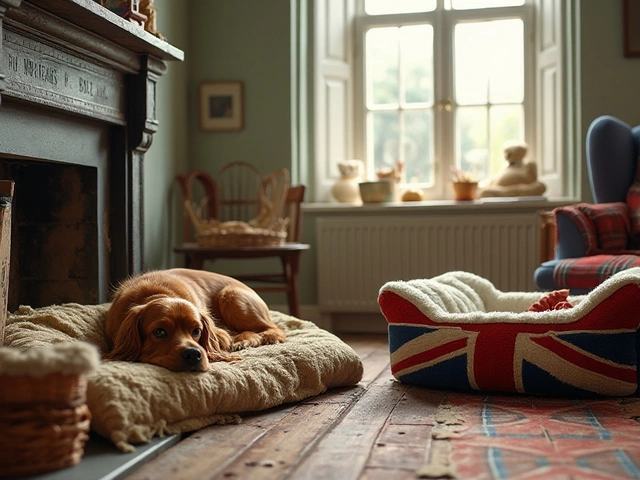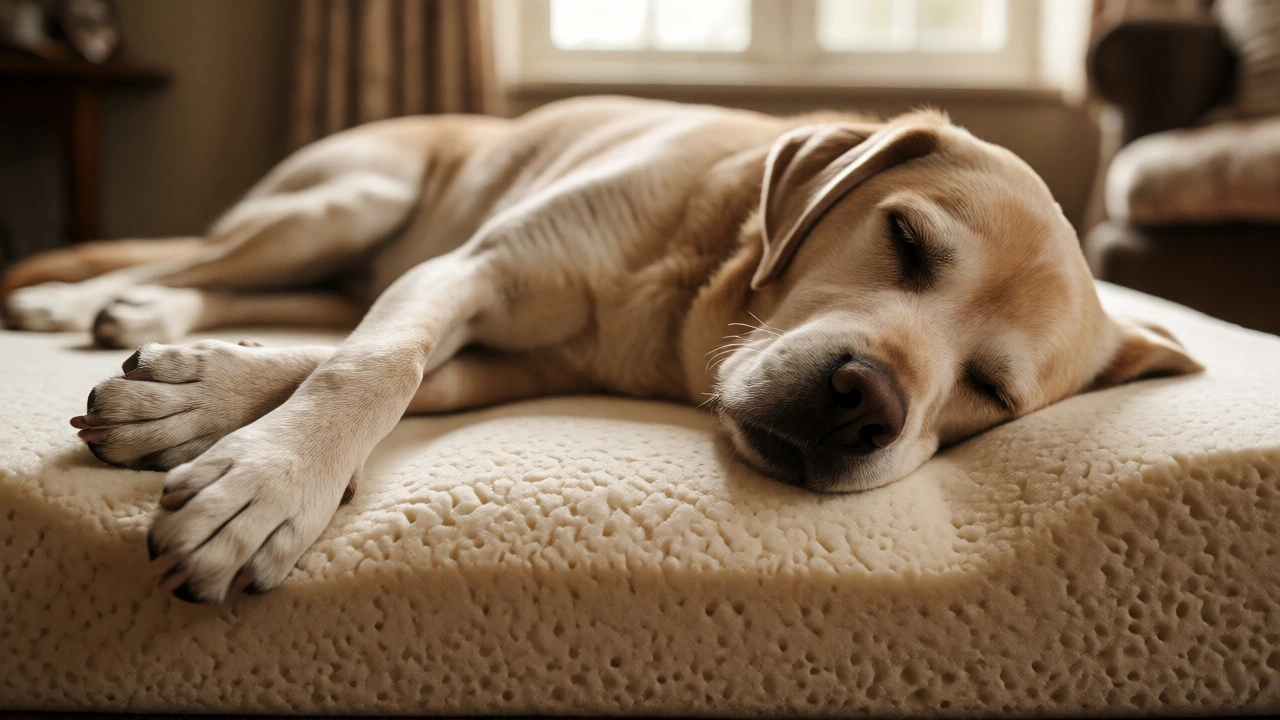
Find Your Dog's Perfect Bed
Answer these questions to get a personalized recommendation for your pup.
Your Custom Bed Profile
Recommended Type
Sizing Guide
Tip: Always check manufacturer dimensions, as 'Large' varies by brand.Maintenance & Durability
Ever watched your dog try to sleep on a slippery kitchen tile or squeeze into a box that’s clearly two sizes too small? It’s frustrating, and honestly, it breaks my heart a bit. We all want our pups to have the best, but "best" is tricky because it depends entirely on who your dog is. A high-energy Greyhound has totally different needs than a senior Bulldog with arthritis. Choosing the best dog bed isn’t just about picking something cute; it’s about supporting their joints, respecting their chewing habits, and matching their sleeping style.
I’ve spent years in Bristol testing everything from cheap foam slabs to memory monstrosities that cost more than my first car. The market is flooded with options, and most of them are just marketing fluff. But there are clear winners if you know what to look for. This guide cuts through the noise to help you find the right spot for your dog to rest their head.
Know Your Sleeper Before You Buy
You can’t buy the right bed if you don’t understand how your dog sleeps. Do they curl up tight like a cinnamon roll? Do they sprawl out on their back, legs akimbo? Or do they burrow under blankets like a mole? These behaviors dictate the shape and structure you need.
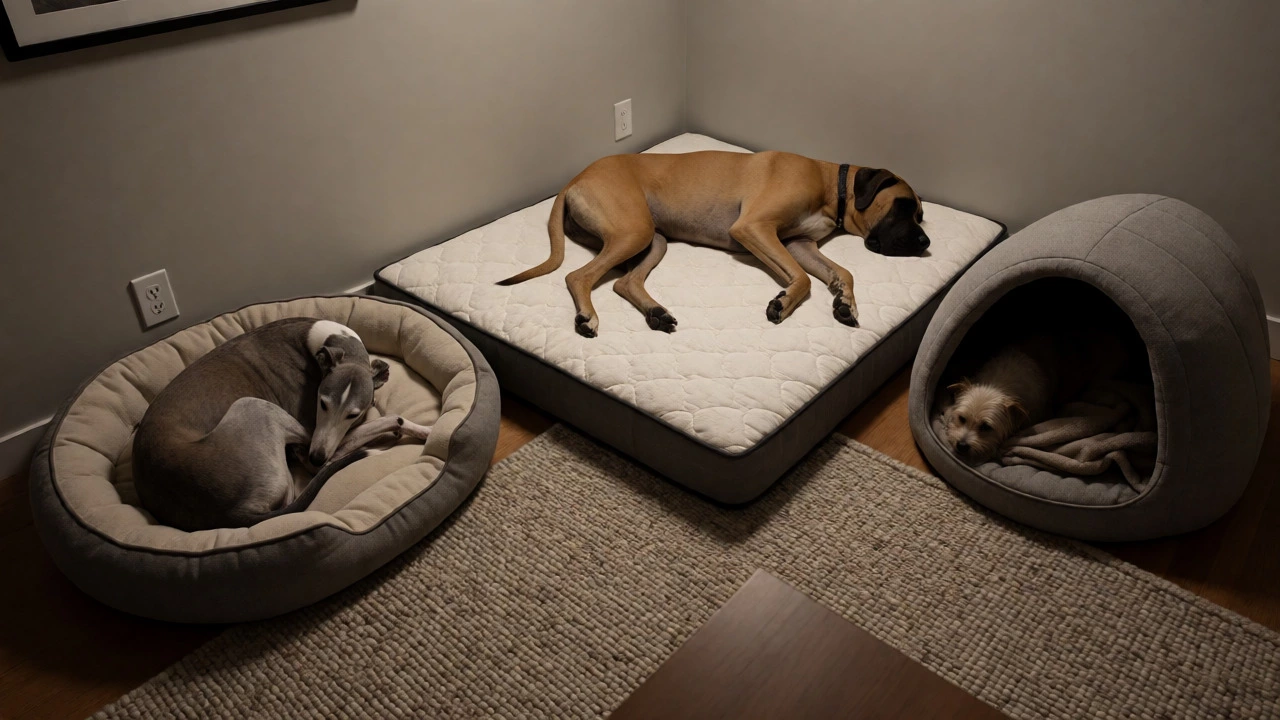
- The Burrower: If your dog digs at the sofa before lying down, they likely prefer enclosed spaces. Look for cave-style or igloo beds. They provide security and warmth.
- The Sprawl: Dogs that stretch out need flat, open surfaces. Bolster beds with low sides or simple mattress pads work best here so they aren’t fighting against raised edges.
- The Curler: Most dogs fall into this category. Round or oval beds with raised rims (donut beds) support their spine and give them something to lean against.
- The Lounger: Some dogs love to drape over furniture. Elevated cots or hammock-style beds are great for these dogs, especially in warmer months, as they allow airflow underneath.
Observing your dog for a week before buying anything saves money. I once bought a luxurious bolster bed for my rescue, only to realize she hated being confined by sides. She preferred a flat mat on the floor. Lesson learned: observe first, buy second.
Material Matters: Foam vs. Fill vs. Fabric
The filling inside the bed determines how long it lasts and how well it supports your dog. Cheap polyfill clumps up after three washes. Memory foam is better but varies wildly in quality.
Orthopedic Dog Beds use high-density memory foam that contours to your dog’s body, relieving pressure on hips and elbows. This is crucial for older dogs or breeds prone to joint issues like German Shepherds or Labradors. However, not all "memory foam" is created equal. Many budget brands use shredded foam scraps glued together. Check the density-if it feels like a sponge when you press it, it will flatten in six months. You want firm resistance that slowly returns to shape.
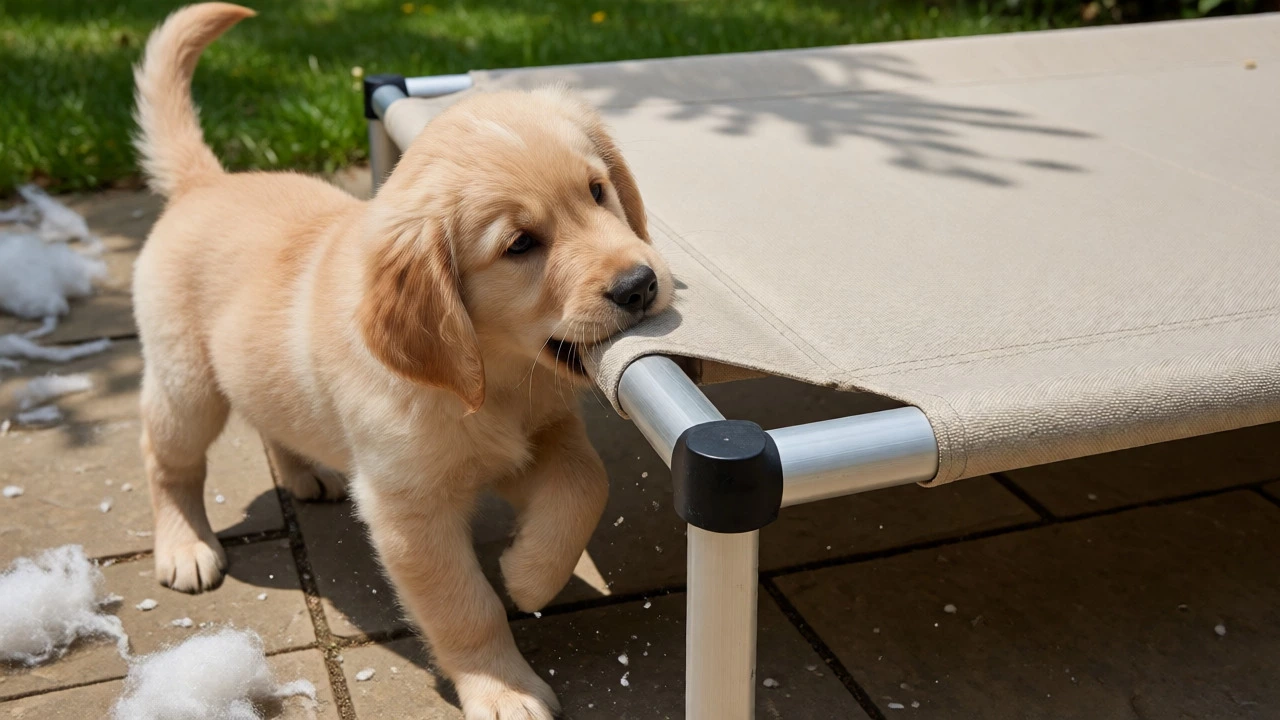
For puppies and aggressive chewers, foam is risky. They’ll shred it in minutes, leaving a mess of white flakes everywhere. For these dogs, look for beds filled with recycled polyester fiber or even waterproof vinyl mats. While less comfortable, they survive the destruction phase.
| Material Type | Durability | Comfort Level | Best For |
|---|---|---|---|
| High-Density Memory Foam | Medium-High | Excellent | Senior dogs, large breeds, joint pain |
| Egg Crate Foam | Low-Medium | Good | Budget-conscious owners, short-term use |
| Recycled Polyester Fill | Low | Fair | Puppies, light sleepers, travel |
| Canvas/Vinyl | Very High | Basic | Chewers, outdoor use, crate training |
Sizing Up: Don’t Guess, Measure
This is where most people get it wrong. They measure their dog while it’s sitting and buy a bed based on that. Wrong. Dogs sleep stretched out. Measure from the tip of the nose to the base of the tail (not the end of the tail bone, but where the tail starts). Then add 4-6 inches of wiggle room.
If you have a Great Dane, you’re looking at extra-large dimensions, often exceeding 50 inches in length. Standard "Large" beds might be too short. Always check the manufacturer’s specific dimensions, not just the label "XL." Sizes vary between brands. A "Large" from one company might be a "Medium" from another. When in doubt, go bigger. A dog can always curl up in a big bed, but they can’t stretch in a small one.
Durability and Chew Resistance
If you own a Labrador, Rottweiler, or any breed with a jaw strength comparable to a hydraulic press, comfort takes a backseat to survival. No amount of plush velvet will stop a determined chewer.
Look for features like double-stitched seams, reinforced corners, and ripstop nylon fabrics. Brands like K9 Ballistics or Kuranda specialize in these tough designs. Their elevated cots use aluminum frames and marine-grade fabric, which stands up to teeth much better than soft foam boxes.
Another trick is the "toughness test." Before buying online, see if the brand offers a guarantee against chewing. Some companies offer a 30-day chew trial. If your dog shreds it, you return it. This is a lifesaver for new puppy owners who don’t yet know their pet’s destruction level.
Cleanliness: The Hidden Factor
Dogs get dirty. Mud, slobber, drool, and occasional accidents happen. If your bed cover doesn’t come off easily, you’re going to hate cleaning it. Look for removable covers with hidden zippers. Why hidden? Because exposed zippers are easy targets for curious mouths and claws.
Washable covers should be machine-washable at 30°C or higher to kill bacteria and mites. Some beds have waterproof liners underneath the cover. This is non-negotiable for house-training puppies or incontinent seniors. Without a liner, urine soaks into the foam, and no amount of washing gets that smell out. Replace the foam, not just the cover, if this happens.
Placement and Environment
Where you put the bed matters as much as what the bed is. In the UK, drafts can be a real issue. Placing a thin bed on cold laminate flooring in winter will leave your dog stiff and unhappy. Consider adding a heated pad or placing the bed on a rug or carpet.
Conversely, in summer, avoid thick insulation. Elevated beds allow air circulation, keeping dogs cooler. If your home is warm year-round, a cooling gel-infused foam bed might be worth the investment. These beds dissipate heat rather than trapping it.
Also, consider the location within the house. Does your dog suffer from separation anxiety? They might need a bed in the bedroom near yours. Are they independent? A quiet corner away from foot traffic might be better. Observe where they naturally gravitate towards resting spots in your current setup and place the new bed there initially.
Budget vs. Value: What Are You Really Paying For?
You can spend £15 or £150 on a dog bed. Is the expensive one ten times better? Not necessarily. But the cheap ones often fail quickly, costing you more in replacements.
A good rule of thumb: spend more on support (foam quality) and durability (fabric/stitching), and less on aesthetics. Fancy patterns and faux fur are nice, but they don’t help your dog’s hips. Invest in a high-quality inner core and buy multiple cheap, washable outer covers if you want variety. This way, when one cover gets muddy, you swap it out without replacing the whole structure.
How often should I replace my dog's bed?
It depends on usage and quality. High-quality orthopedic foam can last 3-5 years with proper care. Cheaper poly-fill beds may need replacing every 6-12 months as they lose support. Signs it’s time to replace include visible flattening, lumpy fillings, persistent odors that won’t wash out, or torn fabric exposing the inner material.
Are human beds okay for dogs?
Yes, many dogs sleep comfortably on human mattresses. However, human beds are designed for bipedal weight distribution, whereas dogs distribute weight differently. Orthopedic dog beds are specifically engineered to support canine anatomy, particularly the elbows and hips. If using a human bed, ensure it’s firm enough to prevent sinking, which can strain joints.
What is the best bed for a dog that chews?
Elevated cots with metal frames and heavy-duty canvas or ballistic nylon fabric are the best options. Avoid foam-filled beds entirely until the chewing habit stops. Look for products labeled "chew-proof" or "indestructible," though keep in mind that nothing is truly indestructible-just highly resistant.
Do dogs need beds with bolsters?
Not all dogs. Bolsters provide head and neck support, which is great for dogs that like to lean or curl up. However, dogs that sleep sprawled out or those who feel trapped by walls may prefer flat, bolster-free mats. Observe your dog’s natural sleeping position to decide.
Is memory foam safe for dogs?
Generally, yes. High-quality memory foam is inert and safe. However, some cheaper foams may contain volatile organic compounds (VOCs) that emit a chemical smell. Let new foam beds air out in a well-ventilated area for 24-48 hours before letting your dog use them to reduce any initial odor.