First Year Puppy Cost Calculator
Initial Costs (One-time)
Recurring Monthly Costs
Your Financial Reality
Upfront Investment
£0
Purchase, supplies, initial vet, spay/neuter & emergency fundMonthly Commitment
£0
Food, insurance, meds, training & replacementsTotal Year 1 Cost
£0
The true price of a new best friendYou’ve seen the photos. The tiny paws, the wet nose, the way they curl up like a loaf of bread in your lap. It’s adorable. It’s heartwarming. It is also, quite frankly, exhausting. We live in an era of curated social media feeds where puppy ownership looks like endless cuddles and Instagram-worthy walks. But there is a massive gap between the highlight reel and the reality of bringing a living, breathing, chewing creature into your home. If you are thinking about getting a puppy, or if you just brought one home yesterday, you need to know what no one tells you. The brochures don’t mention the 3 AM accidents. They don’t talk about the cost of vet bills when things go wrong. And they certainly don’t prepare you for the emotional rollercoaster of trying to raise a well-adjusted dog while losing your mind over shredded furniture.
I’ve been around dogs my whole life, living here in Bristol where we have plenty of green spaces but also plenty of rainy days that test your resolve. I’ve seen friends cry because their golden retriever ate their shoes, and I’ve seen others quit entirely because they weren’t prepared for the sheer volume of work involved. This isn’t meant to scare you off. Dogs are worth it. But being blind-sided by the challenges makes everything harder. Let’s strip away the fluff and look at the real jobs you’re signing up for.
The Sleep Debt Is Real
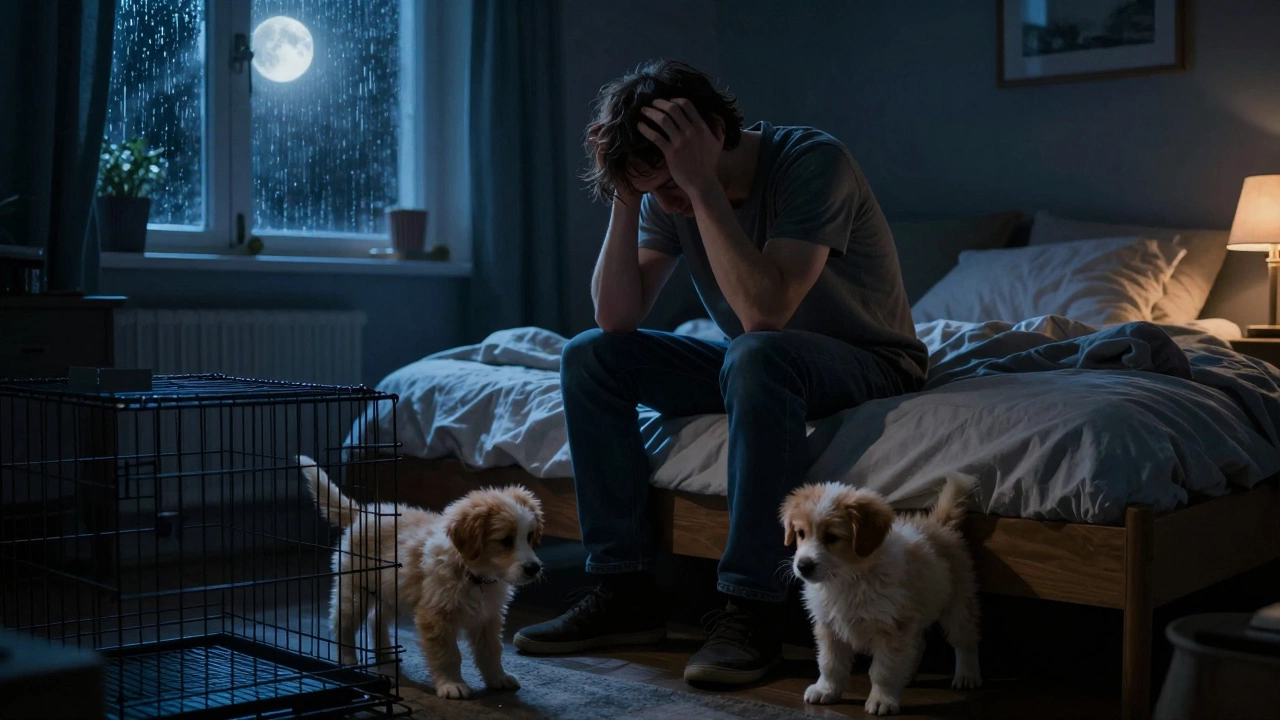
The first thing nobody warns you about is the sleep deprivation. You might think, “It’s just a baby animal; it’ll sleep through the night.” Wrong. Puppies have bladders the size of walnuts and nervous systems that are easily triggered by shadows, sounds, and their own imagination. For the first few months, you will not sleep through the night. Period.
A general rule of thumb is that a puppy can hold their bladder for one hour per month of age, plus one. So, a three-month-old puppy can theoretically hold it for four hours. In practice? Maybe two. That means if you go to bed at 10 PM, you’re likely waking up at midnight, again at 2 AM, and again at 4 AM. Every. Single. Night. For months.
This isn’t just annoying; it affects your health, your mood, and your patience. When you are exhausted, you are less tolerant of nipping, jumping, and barking. This creates a vicious cycle where the puppy senses your stress and becomes more anxious, leading to more nighttime disturbances. The solution isn’t magic; it’s routine. Crate training helps, but only if done correctly. You want the crate to be a safe den, not a prison. Place it next to your bed initially so you can hear them whine and comfort them without letting them out to play. Eventually, you move the crate further away, then into another room. But those first six weeks? Prepare for a serious lack of REM sleep.
The Hidden Costs Add Up Fast
People budget for the purchase price of the puppy. They budget for food. Rarely do they budget for the rest. A puppy is not a one-time expense; it is a recurring financial commitment that spikes heavily in the first year. Beyond the initial adoption fee or breeder cost, you need to consider vaccinations, microchipping, spaying or neutering, and flea/tick prevention. These are non-negotiable basics.
Then there is the “oops” fund. How much does it cost to replace a sofa cushion after a chew session? What about the emergency vet visit when they eat something they shouldn’t have? In the UK, veterinary fees can be steep. A simple fracture repair or surgery for intestinal blockage can run into thousands of pounds. Many owners forget to set aside an emergency fund specifically for pet health. It’s wise to look into pet insurance early on, before any pre-existing conditions develop. However, even with insurance, you still pay excesses and monthly premiums. Factor this into your monthly budget. If the thought of spending £50-£100 a month on a dog stresses you out, you might not be ready for the responsibility.
Socialization Is Not Just ‘Meeting People’
There is a misconception that socialization means taking your puppy to the park and letting them run wild. Actually, uncontrolled exposure to other dogs can be harmful if the puppy hasn’t learned basic manners or if the other dogs are poorly behaved. True socialization is about controlled, positive experiences with a wide variety of stimuli. This includes different surfaces (grass, concrete, gravel), sounds (vacuum cleaners, thunderstorms, traffic), people (children, elderly individuals, people in uniforms), and other animals.
The critical window for socialization is between three and fourteen weeks of age. After this period, fear periods can set in, making new experiences threatening rather than exciting. You need to actively seek out these experiences. Go to quiet streets during peak hours. Have friends come over with hats and umbrellas. Reward calm behavior. If you skip this step, you risk raising a fearful or reactive adult dog. Reactive dogs are difficult to manage, expensive to train, and often face rehoming. Socialization is proactive parenting, not passive hanging out.

Housebreaking Is a Marathon, Not a Sprint
Let’s talk about poop. Specifically, the poop that ends up on your rug, your bed, and sometimes, inexplicably, inside your shoe. Housebreaking a puppy is arguably the most frustrating part of early ownership. You will do everything right. You will take them out every thirty minutes. You will reward them enthusiastically. And yet, they will still have an accident indoors. Why? Because puppies are unpredictable. They get distracted. They wake up from a dream and pee instantly. They hold it too long because they were playing hard, then explode the moment they settle down.
Patience is key. Never punish a puppy for an indoor accident unless you catch them in the act, and even then, punishment is rarely effective. Instead, focus on management. Use baby gates to restrict access. Keep them on a leash indoors so you can watch their body language. Look for signs like sniffing, circling, or sudden stillness. When you see these, immediately take them outside. Consistency is your best friend. If you let them roam free unsupervised, you are inviting accidents. It can take six months to a year for a puppy to be fully housebroken. Some dogs never achieve 100% reliability in extreme weather or high-stress situations. Acceptance of this reality saves you a lot of anger.
The Boredom Destruction Cycle
Puppies have teeth. Lots of them. And they use them to explore the world. Your coffee table leg? Chew toy. Your favorite pair of trainers? Chew toy. The baseboard of your hallway? Chew toy. This isn’t malice; it’s biology. Teething causes discomfort, and chewing relieves it. Without appropriate outlets, your home becomes the outlet.
You cannot simply buy a basket of toys and hope for the best. You need to rotate toys to keep them interesting. Freeze Kong toys stuffed with peanut butter or yogurt to provide long-lasting relief. Provide puzzle feeders to engage their minds. Mental stimulation is just as tiring as physical exercise. A tired puppy is a good puppy. An under-stimulated puppy is a destructive force of nature. Learn to read your puppy’s cues. If they start staring intensely at a piece of furniture, redirect them immediately to an approved chew item. Praise them lavishly when they choose the right object. This teaches them what is acceptable to chew, rather than just punishing them for what isn’t.
Your Life Will Change (And That’s Okay)
Getting a puppy means surrendering some of your spontaneity. You can’t just decide to go out for dinner at the last minute. You can’t leave for a weekend trip without arranging care. Your weekends will revolve around training classes, vet appointments, and long walks. This loss of freedom can feel suffocating at first. But it also brings structure. Many owners find that having a puppy forces them to slow down, appreciate the present moment, and build deeper connections with their community through dog parks and local groups.
It’s important to acknowledge that there will be bad days. Days when you’re tired, frustrated, and wondering why you did this. On those days, remember that this phase is temporary. The chewing stops. The nighttime accidents end. The biting fades. What remains is a loyal companion who loves you unconditionally. The bond you form during those tough early months is incredibly strong. You are teaching them how to navigate the world, and they are teaching you patience, empathy, and resilience.
If you ever feel overwhelmed, remember that you are not alone. There are countless resources available, from professional trainers to online communities. Sometimes, looking at how others manage specific logistical challenges can offer fresh perspective. For instance, if you travel frequently for work, understanding how different cities handle pet-friendly accommodations or even discreet companionship options for when you're away can help ease anxiety about leaving your home empty. While most of us focus on dog sitters, exploring broader lifestyle resources like this directory can sometimes reveal unexpected insights into urban service economies and planning, though for most of us, a trusted neighbor or professional sitter remains the gold standard for peace of mind.
| Aspect | Myth | Reality |
|---|---|---|
| Sleep | Puppies sleep all night quickly. | Expect 3-4 wake-ups per night for 6-8 weeks. |
| Cost | Food and toys are the main expenses. | Vet bills, insurance, and replacement items dominate costs. |
| Training | Dogs naturally know how to behave. | Every behavior must be taught and reinforced consistently. |
| Socialization | Playing with other dogs is enough. | Controlled exposure to diverse stimuli is crucial. |
| Destruction | They’ll outgrow chewing in a few weeks. | Teething lasts months; redirection is essential. |
Frequently Asked Questions
How long does it take for a puppy to stop chewing everything?
Most puppies go through intense teething phases between 3 and 6 months of age. Chewing typically decreases significantly after 6 months, but many dogs retain a love for chewing throughout their lives. Providing appropriate chew toys and rotating them regularly helps manage this behavior permanently.
Is it normal for a puppy to cry in its crate at night?
Yes, it is very common. Puppies are den animals but are also separated from their littermates for the first time. Crying is a distress signal. Respond by comforting them calmly without letting them out to play. Gradually increase the distance between the crate and your bed over several weeks to encourage independence.
What is the most expensive part of owning a puppy in the first year?
Veterinary care is usually the largest expense. This includes initial vaccinations, microchipping, spaying/neutering, and potential emergency visits. Unexpected illnesses or injuries can lead to bills ranging from hundreds to thousands of pounds. Pet insurance can mitigate these costs but adds a monthly premium.
Can I leave my puppy alone for 8 hours a day?
No, it is not advisable for young puppies. They cannot hold their bladder for that long and suffer from separation anxiety. Ideally, puppies should not be left alone for more than 2-4 hours depending on age. Arrange for a midday walk or hire a dog walker if you work full-time.
When should I start training my puppy?
Start training the day you bring them home. Basic commands like sit, stay, and come, along with housebreaking rules, should be introduced immediately. Puppies learn through repetition and consistency. Early training builds a foundation for good behavior and strengthens your bond.