Dog Bed Replacement Checker
Check all conditions that currently apply to your dog or their bed.
Detailed Analysis:
Recommended Action Plan
Your dog’s bed is more than just a place to nap; it’s their primary source of physical recovery. Yet, most owners only replace the bedding when it looks visibly torn or smells bad. By then, the support structure has often failed long ago, leading to joint pain and poor sleep quality. Knowing exactly when to swap out an old cushion for a fresh one can save your dog from chronic discomfort.
Unlike human mattresses, which have clear lifespan guidelines, dog beds degrade based on usage, body weight, and material quality. A large breed sleeping on a cheap foam pad might need a replacement every six months, while a small senior cat-friendly orthopedic base could last three years. The key isn't just age-it's function. If the bed no longer supports your dog’s natural posture, it’s time to act.
The Physical Warning Signs
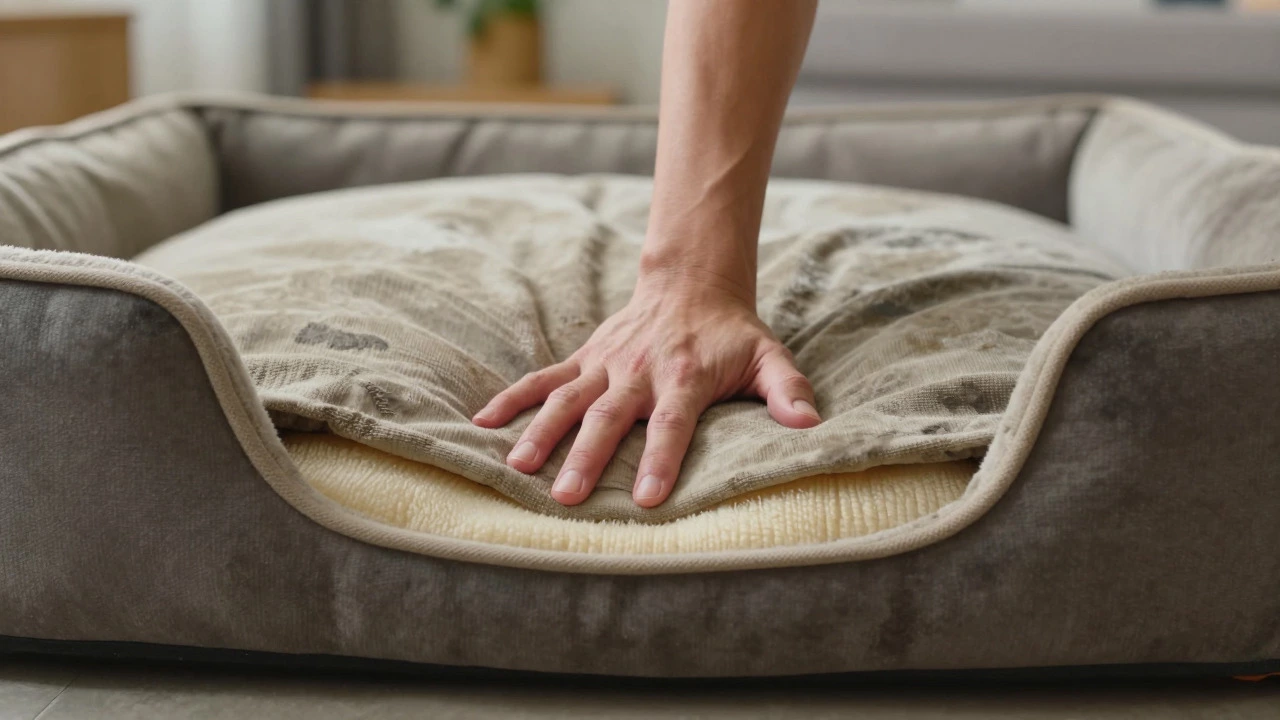
The most obvious indicator is visual wear. Check the filling regularly. If you press down on the center of the mattress and it doesn’t bounce back within two seconds, the foam has lost its elasticity. This compression means your dog is sinking into a hollow rather than resting on a supportive surface. For older dogs or those with arthritis, this lack of rebound increases pressure points on hips and elbows.
Look closely at the fabric cover as well. Pilling, thinning threads, or holes are not just cosmetic issues. They create friction that can irritate sensitive skin, especially in breeds with short coats like Greyhounds or Dobermans. If your dog has started chewing the edges of the bed, it’s often a sign that the texture feels wrong or uncomfortable against their paws.
Behavioral Changes That Signal Discomfort
Dogs rarely complain verbally, so you have to read their body language. Have you noticed your dog circling excessively before lying down? While some circling is instinctual, excessive pacing suggests they are struggling to find a comfortable position. If they finally settle but shift positions every few minutes, the bed likely lacks consistent support.
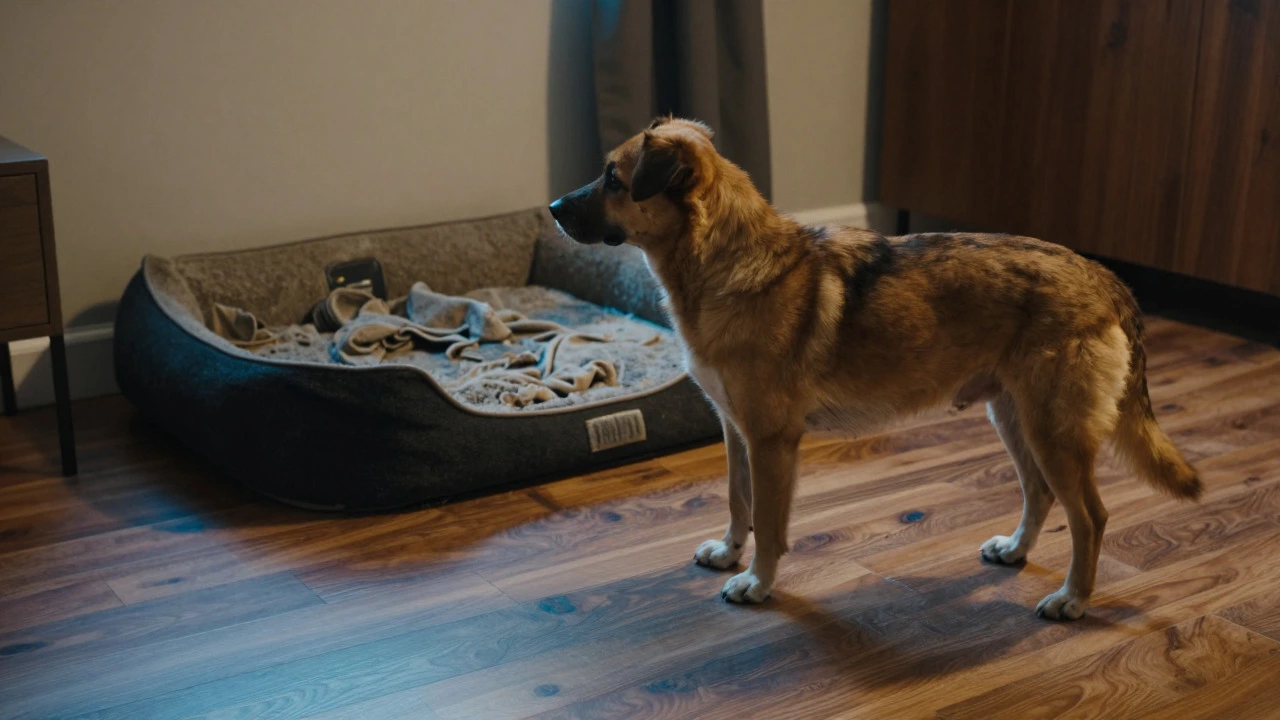
Watch where they choose to sleep. If your dog stops using their designated bed and starts napping on the kitchen floor, the sofa, or even your lap, they may be seeking a firmer surface. Hard floors provide uniform pressure distribution, whereas a sagging bed creates uneven zones. Conversely, if a dog who used to love their plush donut bed now refuses it, the stuffing may have clumped together, creating lumps that dig into their joints.
Age and Breed-Specific Considerations
Your dog’s life stage dictates how quickly a bed degrades. Puppies grow rapidly, meaning a bed that fits perfectly today will be too small in six months. More importantly, puppies chew aggressively, destroying covers faster than adult dogs. Senior dogs, on the other hand, need maximum orthopedic support. As cartilage wears down, the tolerance for a soft, unstructured surface drops significantly.
Breed matters too. Deep-chested breeds like Great Danes or German Shepherds put immense weight on their spines. If their bed compresses under this weight, it forces the spine into a C-shape during rest, exacerbating spinal issues. Flat-faced breeds like Bulldogs struggle with airflow and heat retention. If their old bed traps heat, they may become restless and pant heavily while sleeping, signaling a need for a breathable, cooler alternative.
Material Lifespan: What Lasts and What Fails
Not all dog beds are created equal. Memory foam is popular for its contouring ability, but low-density memory foam can break down in as little as 18 months. High-density medical-grade foam lasts longer but costs more. Polyester fiberfill, common in budget beds, tends to mat and clump after frequent washing, losing its loft permanently. Orthopedic gel-infused layers offer better temperature regulation but can leak if the outer shell tears.
Cover materials also affect longevity. Machine-washable cotton blends are durable but can shrink if not dried properly. Waterproof liners protect against accidents but can trap moisture if not aired out regularly, leading to mold growth that smells musty even after washing. If your bed smells damp despite cleaning, the internal filling may be harboring bacteria that standard washing can’t reach.
| Material Type | Average Lifespan | Key Failure Mode | Best For |
|---|---|---|---|
| Low-Density Foam | 6-12 months | Compression set (won't bounce back) | Puppies, light dogs |
| High-Density Memory Foam | 2-4 years | Heat retention, off-gassing | Senior dogs, arthritic joints |
| Polyester Fiberfill | 1-2 years | Clumping, loss of loft | Small dogs, budget options |
| Gel-Infused Orthopedic | 3-5 years | Shell tearing, gel leakage | Large breeds, heavy sleepers |
When Washing Isn’t Enough
Sometimes, a bed looks clean but still fails. If your dog has allergies, dust mites can accumulate deep inside the filling over time. Regular vacuuming helps, but it doesn’t eliminate them. If your dog’s sneezing or itching worsens when they use their bed, consider replacing it entirely rather than trying to sanitize it further. Similarly, if the zipper breaks repeatedly, the risk of your dog escaping the protective cover increases, exposing them to direct contact with potentially degraded foam.
Practical Tips for Extending Bed Life
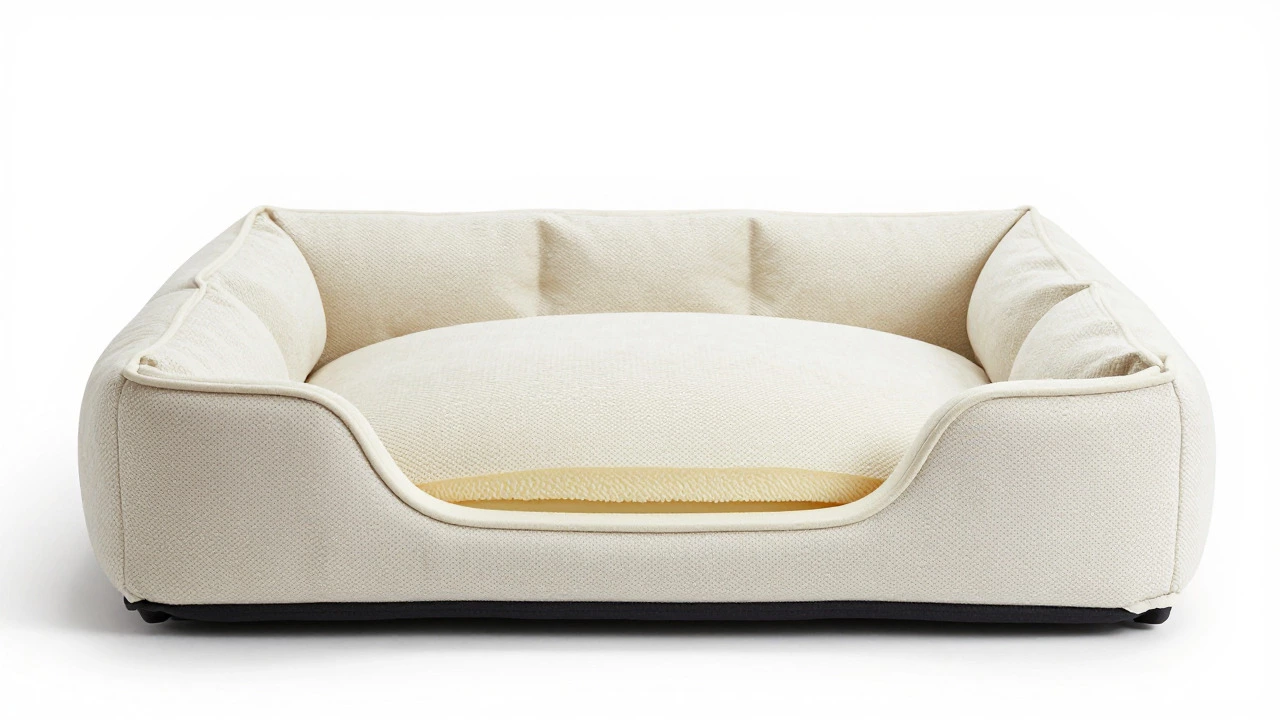
You can delay replacement by maintaining proper hygiene and rotation. Use a waterproof protector underneath the washable cover to prevent urine or vomit from soaking into the core foam. Rotate the bed 180 degrees every month to ensure even wear across the surface. Store spare covers in a dry place to avoid mildew. These simple habits can add six to twelve months to the functional life of most quality beds.
Frequently Asked Questions
How often should I replace my dog’s bed?
There is no fixed timeline. Lightly used small-dog beds may last 2-3 years, while heavily used large-breed orthopedic beds typically need replacement every 18-24 months. Always prioritize function over age-if it no longer supports posture, replace it.
Can I reuse the old cover on a new mattress?
Yes, if the cover is still intact, zips smoothly, and fits the new dimensions. However, check for hidden wear like stretched elastic or thin fabric. Reusing covers saves money but only if they haven’t lost structural integrity.
Why does my dog sleep on the floor instead of their bed?
This usually indicates the bed is too soft, too hot, or has developed lumps. Dogs seek firm surfaces for joint relief. If the floor is cool and flat, it provides even pressure distribution that a sagging bed cannot match.
Is it safe to leave a decomposing foam bed in the house?
While not immediately toxic, broken-down foam can release microplastics and harbor dust mites. It’s best to remove visibly degraded beds promptly to maintain air quality and reduce allergen exposure.
What type of bed is best for senior dogs?
Orthopedic beds with high-density memory foam or gel infusion are ideal. Look for raised bolsters for head and neck support, and easy-access sides for dogs with mobility issues. Avoid overly thick cushions that make it hard for them to climb in and out.