Dog Collar Safety & Comfort Assessor
Answer the questions below to get personalized advice on whether to leave your dog's collar on all the time.
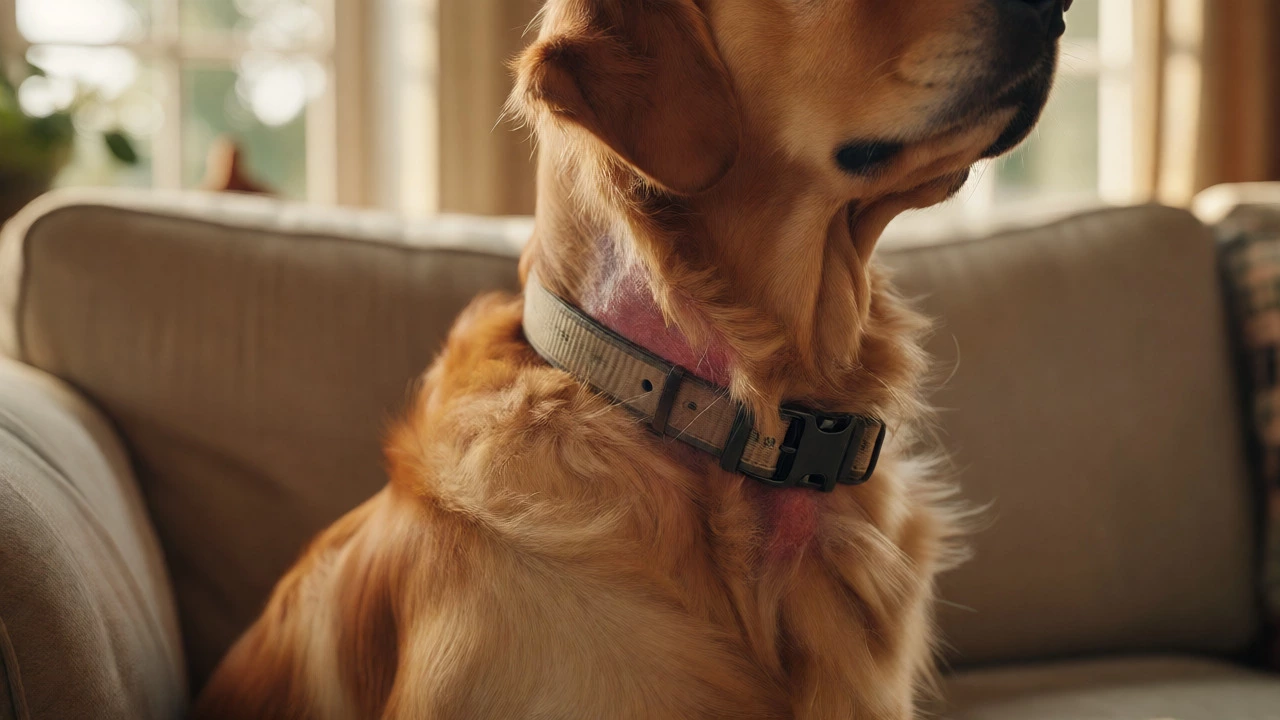
You come home from a long day at work, kick off your shoes, and head straight to the sofa. Your dog greets you with a wagging tail, but then you notice something concerning: their neck fur is matted, or worse, there’s a red rash developing where the dog collar sits. It’s a common dilemma for pet owners in Bristol and beyond. We love our dogs, we want them safe, and we want them identifiable. But does that mean the plastic buckle around their neck needs to stay on 24/7?
The short answer isn't a simple yes or no. It depends entirely on your living situation, your dog's behavior, and the type of collar they wear. Leaving a collar on all the time can lead to serious skin issues, while taking it off might leave you vulnerable if your dog escapes. Let’s break down exactly when you should keep it on, when you must take it off, and how to avoid the "collar rash" nightmare.
The Real Risks of Constant Wear
Think about wearing a tight belt or a scarf for three days without washing it. Now imagine you can’t tell anyone it’s itching. That’s the reality for many dogs. The primary risk of leaving a collar on constantly is contact dermatitis, often called "collar rash." This happens when dirt, moisture, shampoo residue, and dead skin cells get trapped under the band. Bacteria thrive in this warm, damp environment, leading to inflammation, hair loss, and sometimes secondary yeast infections.
Beyond hygiene, there’s the mechanical risk. If your dog plays roughly with other dogs, a collar can get caught on another dog’s teeth or claws. In extreme cases, this leads to dental fractures for the playing partner or neck injuries for your dog. For puppies who are still teething, chewing on a nylon collar can result in ingesting small pieces of plastic or fabric, which poses an intestinal blockage risk.
Then there is the issue of fit. Dogs grow, gain weight, and lose weight. A collar that fit perfectly in January might be choking your dog by June. If you never remove the collar, you miss the chance to check the fit. The "two-finger rule"-where you can comfortably slide two fingers between the collar and your dog’s neck-is hard to enforce if the collar is permanently attached.
When You Absolutely Must Keep It On
There are specific scenarios where removing the collar creates more problems than it solves. The most obvious is identification. If your dog lives in a house with a garden, or if you live in an apartment building where doors are frequently open, a collar with ID tags is non-negotiable. According to UK law, specifically the Control of Dogs Order 1992, any dog in a public place must wear a collar displaying the owner's name and address. While this doesn't strictly apply inside your private home, the habit of keeping it on ensures you’re always ready for an emergency walk or vet visit.
Another critical scenario involves training tools. If you use a prong collar or a head halter for leash reactivity, these should generally not be worn indoors. However, if you are working on recall training and need to attach a long line occasionally, a standard flat collar remains useful. But here is the nuance: if you have a fenced yard, do you really need the collar on while they are just lounging? Probably not.
Consider your dog’s escape artist status. Some breeds, like Huskies or Border Collies, are notorious for slipping out of collars or finding weak points in gates. If your dog has a history of bolting through an open front door, keeping the collar on provides peace of mind. In these cases, however, safety mechanisms become vital.
Safety First: Breakaway vs. Standard Collars
If you decide to leave the collar on for extended periods, the type of collar matters immensely. Not all collars are created equal. A standard buckle collar is strong but unforgiving. If your dog gets snagged on a crate wire, a fence post, or even a branch in the garden, a standard collar will hold firm. This can lead to strangulation or severe neck trauma. They cannot free themselves because they lack opposable thumbs to undo the buckle.
This is where the breakaway collar comes into play. Designed primarily for cats, breakaway collars feature a special clasp that releases under pressure. For dogs, especially those left unsupervised indoors or in secure yards, a breakaway collar is a safer bet for constant wear. It allows the dog to slip out if caught, preventing injury.
| Collar Type | Best Use Case | Risk Level (Unsupervised) | Material Recommendation |
|---|---|---|---|
| Standard Nylon Buckle | Walks, Public Areas | High (Strangulation risk) | Nylon or Leather |
| Breakaway | Indoor/Home Wear | Low (Releases under tension) | Nylon with Safety Clasp |
| Flat Leather | Long-term Comfort | Medium (Can stiffen/wear) | Genuine Leather |
| Prong/Martingale | Training Only | Very High (Injury risk) | Metal Chain |
Leather collars offer a middle ground. Genuine leather softens over time, reducing friction against the skin. However, leather absorbs water and sweat. If your dog swims or rolls in mud, a wet leather collar left on overnight becomes a breeding ground for bacteria. Always dry leather collars thoroughly before putting them back on.
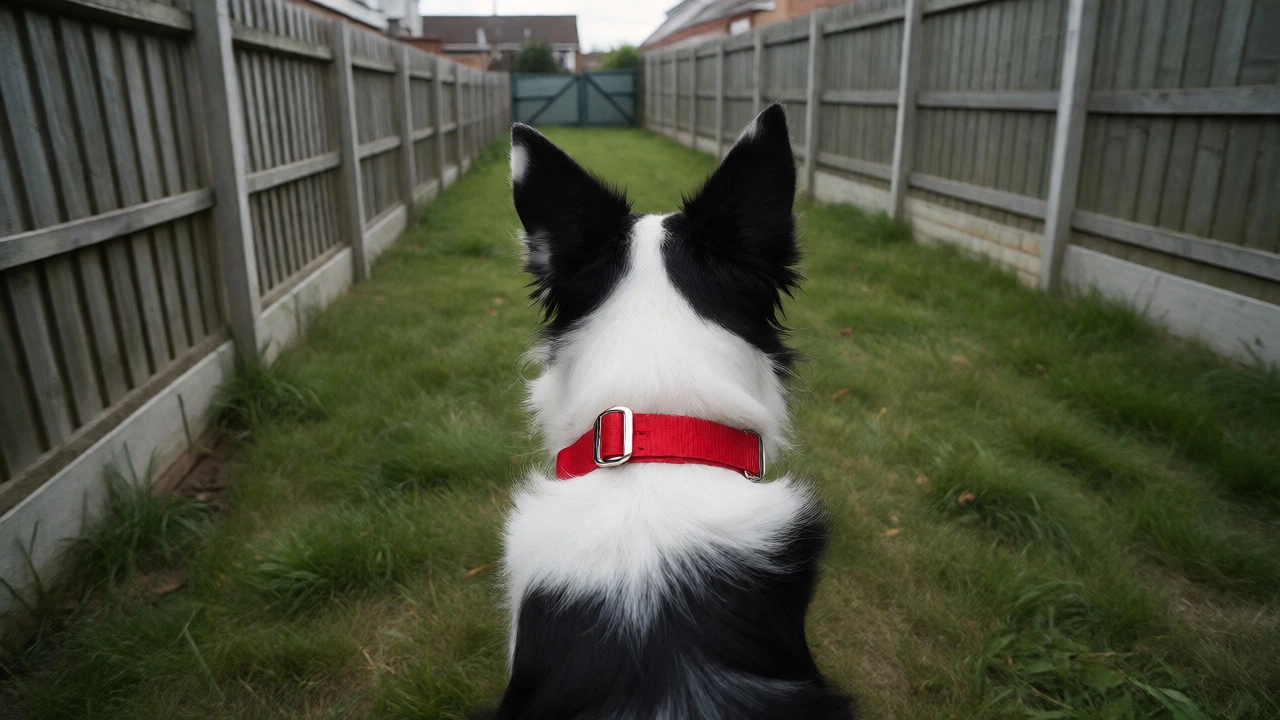
The Hygiene Protocol: Cleaning and Checks
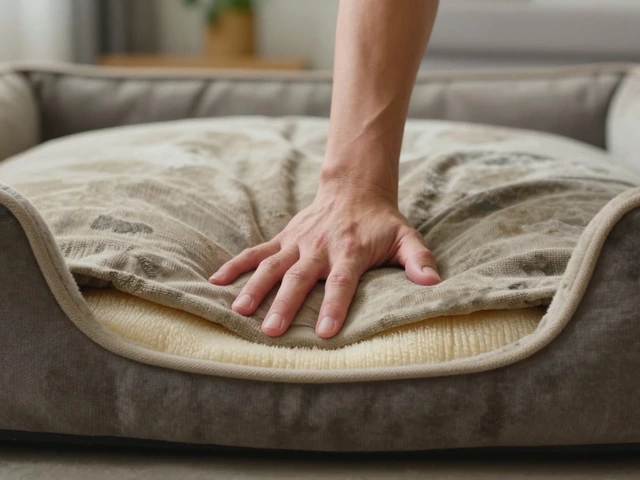
If you choose to keep the collar on, you cannot simply ignore it. Treat it like a piece of clothing. You wouldn't wear the same shirt for a week after a muddy hike, right? Your dog deserves the same consideration. Remove the collar once a week-or more often if your dog is active-and wash it. Nylon collars can usually go in the washing machine on a gentle cycle. Leather requires hand-washing with saddle soap and conditioning.
While the collar is off, inspect your dog’s neck. Look for:
- Hair Loss: Patches of missing fur indicate friction or irritation.
- Redness or Scabs: Signs of dermatitis or allergic reaction.
- Odor: A sour smell suggests bacterial or yeast buildup.
- Lumps: Check for tick bites or swollen lymph nodes.
A quick trick used by vets in Bristol is to part the fur along the neck daily. Even if the collar stays on, brushing the area underneath disrupts matting and improves airflow. If you notice mats forming, switch to a shorter-haired breed cut or consider switching to a harness for walks, reserving the collar only for ID purposes during supervised times.
Alternatives to Constant Collar Wear
Do you actually need a collar on your dog at home? Many owners assume yes because of microchips, but a microchip is not visible. If you have a securely fenced garden and a dog that doesn’t bolt through doors, you might find that a dog harness is better for walks, allowing you to remove the collar entirely when indoors.
For dogs prone to skin issues, consider rotating collars. Buy two identical collars. Wear one for a week, then swap it for the clean one. Wash the dirty one immediately. This rotation ensures the skin gets a break from the exact same material sitting in the same spot, reducing localized pressure points.
Another option is the "indoor/outdoor" system. Keep a lightweight, soft breakaway collar with minimal ID tags for home wear. Reserve the sturdy, reflective walking collar for outings. This minimizes bulk and discomfort during rest periods while maintaining safety protocols.
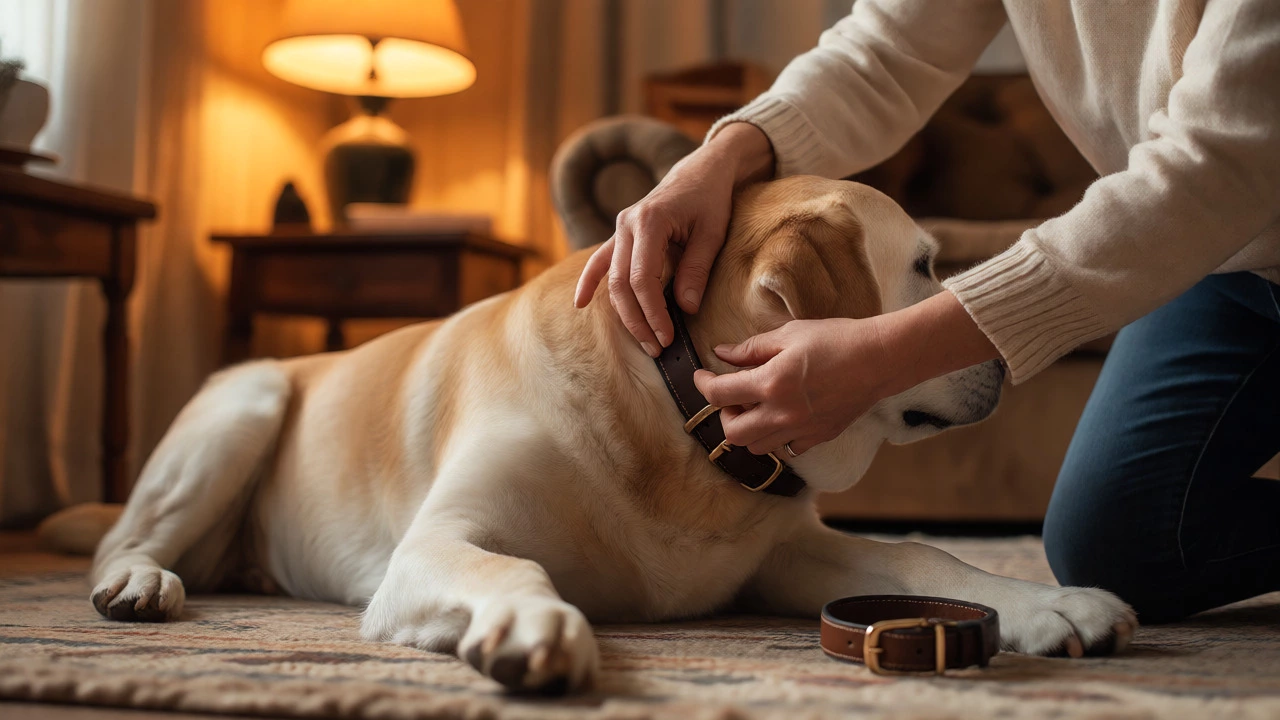
Special Considerations for Puppies and Seniors
Puppies grow rapidly. A collar that fits today might be too tight in two weeks. Tight collars can cause tracheal collapse or thyroid damage in growing dogs. For puppies, I recommend checking the fit every seven days. If you see any indentation in the fur, loosen it immediately. Because puppies chew everything, a durable nylon collar is often safer than expensive leather until they pass the chewing phase.
Senior dogs face different challenges. Older dogs may have thinner skin or existing arthritis in the neck. Heavy buckles or wide collars can cause discomfort. For seniors, opt for ultra-lightweight materials. Also, older dogs are more prone to unnoticed skin tears. If a senior dog spends most of its time resting, removing the collar during nap times can significantly improve their comfort levels.
Final Verdict: Listen to Your Dog
So, should dog collars be left on all the time? For most indoor dogs with secure fencing, no. It’s better for their skin, their coat, and their overall comfort. However, if you live in an apartment, have an escape-prone dog, or travel frequently, keeping a well-fitted, clean, breakaway-style collar on is a reasonable compromise.
The key is vigilance. Don't let the collar become invisible to you. Check it weekly. Clean it monthly. Watch for signs of distress. If your dog scratches at their neck excessively, takes it off immediately and let the skin breathe for a few days. Your dog can’t tell you it hurts, so you have to be the detective.
Is it illegal to walk my dog without a collar in the UK?
Yes, under the Control of Dogs Order 1992, any dog in a highway or place of public resort must wear a collar with the owner's name and address inscribed on it or on a plate/badge attached to it. Microchipping alone does not satisfy this legal requirement for public visibility.
Can my dog choke on their own collar?
Yes, particularly if they get their leg caught in the collar or if the collar snags on furniture or fences. Standard buckle collars do not release under pressure, which can lead to strangulation or neck injury. Breakaway collars are designed to mitigate this risk for unsupervised wear.
How often should I wash my dog's collar?
Ideally once a month, or more frequently if your dog rolls in mud, swims, or sweats heavily. Dirt and oils trapped under the collar cause skin infections. Nylon collars can usually be machine washed; leather requires careful hand cleaning and conditioning.
What is the best collar for a dog that leaves it on all the time?
A breakaway collar made of soft nylon or a lightweight leather collar is best. These minimize the risk of strangulation if snagged and reduce skin irritation compared to heavy metal or thick synthetic options. Ensure it has clear ID tags.
Do dogs prefer collars or harnesses?
Most dogs prefer harnesses for walking as they distribute pressure across the chest rather than the neck. However, for constant indoor wear, a light collar is less cumbersome than a harness. Many owners use a harness for walks and remove it, keeping only a light ID collar on at home.