
Budget Dog Food Calculator & Meal Planner
Dog Details
Based on 2-3% of body weight:
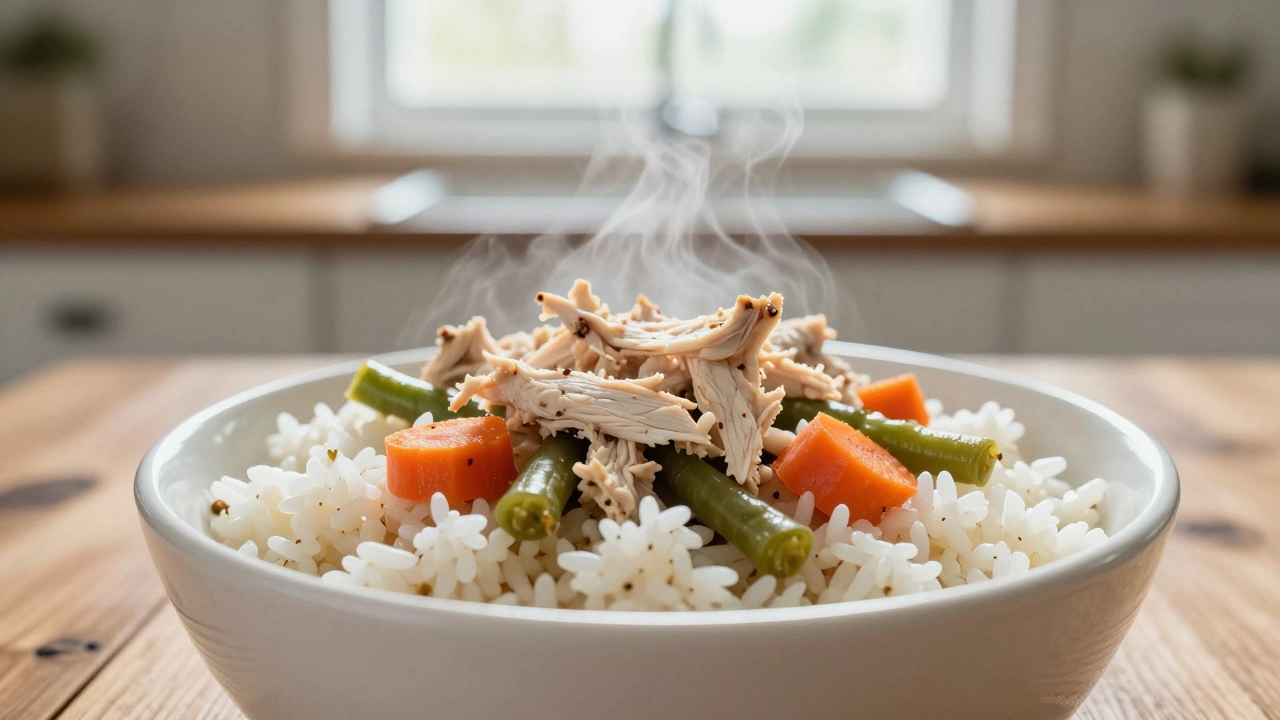
Emergency Meal Ratio (50/40/10)
Plain boiled rice or potatoes
Boiled chicken, turkey, or canned tuna (in water)
Steamed carrots or green beans
Enter your dog's details to see their daily food needs.
Running out of money for pet supplies is a stressful situation that many owners face. It happens suddenly, whether due to unexpected bills or a drop in income. The fear is real: you love your dog, but the cupboard is bare and the bank account is empty. You might be tempted to feed them whatever is left over from your own meals. While this can work in a pinch, it requires knowing exactly what is safe and what is dangerous. This guide covers practical, affordable ways to keep your dog fed and healthy without breaking the bank.
First, let’s address the immediate crisis. If you have no commercial dog food is a formulated diet designed to meet the specific nutritional needs of dogs, do not panic. Dogs are omnivores with flexible digestive systems. They can survive on simple, plain human foods for a short period. The goal is to provide protein, some carbohydrates, and hydration while avoiding toxic ingredients. Long-term, we need a sustainable plan that doesn’t rely on expensive kibble bags.
The Emergency Plate: Safe Human Foods for Dogs
If today is day one of the budget crunch, look at your kitchen cupboards and fridge. You likely have enough to make a few meals. The key is simplicity. Avoid heavy seasoning, oils, and spices. Garlic and onion powder, common in human cooking, are toxic to dogs and can cause anemia even in small amounts.
Here is a list of safe, cheap staples you probably already own:
- Plain Cooked Rice: White or brown rice is an excellent source of carbohydrates. It’s easy to digest and provides energy. Boil it in water without salt or butter.
- Boiled Chicken or Turkey: If you have raw chicken breasts or thighs, boil them until fully cooked. Shred the meat. Remove all skin and bones. Bones can splinter and cause internal injuries.
- Potatoes: Plain boiled potatoes (not fried) are a good filler. They provide vitamins and fiber. Peel them first to remove any potential solanine in the skin, though this is rare in fresh potatoes.
- Canned Tuna or Sardines: Look for tins packed in water, not oil. These are high in protein and omega-3 fatty acids. A little goes a long way, so mix it with rice to stretch it out.
- Cooked Carrots or Green Beans: Steamed or boiled vegetables add bulk and nutrients. They are very cheap per kilogram compared to meat.
A simple emergency meal ratio is 50% carbohydrate (rice/potato), 40% protein (chicken/tuna), and 10% vegetable. This isn’t perfect nutrition, but it will keep your dog stable for a week or two while you sort out finances.
Understanding Basic Canine Nutrition
To feed your dog safely on a budget, you need to understand what they actually need. Unlike cats, which are obligate carnivores, dogs are facultative carnivores. This means they can thrive on a mixed diet. However, they still require specific nutrients that are hard to get from just scraps.
| Nutrient | Function | Budget Sources |
|---|---|---|
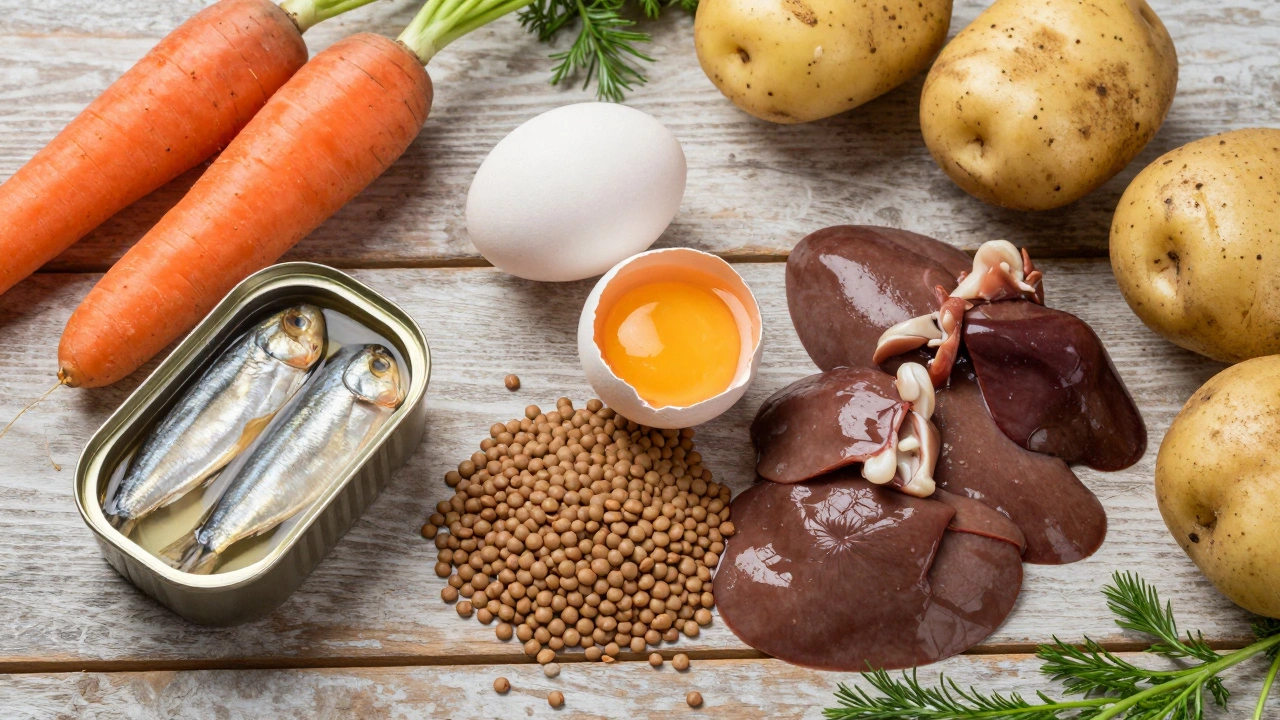
| Protein | Muscle repair, immune function | Eggs, lentils, chicken livers, canned fish |
| Fat | Energy, coat health | Olive oil (small amount), salmon oil, chicken skin (occasionally) |
| Carbohydrates | Energy, digestion | Rice, oats, sweet potatoes, pumpkin |
| Calcium | Bone health | Crushed eggshells, yogurt (plain) |
| Vitamins/Minerals | Overall health | Mixed vegetables, organ meats |
The biggest mistake people make when switching to homemade diets is skipping calcium. Meat has almost no calcium. If you feed only meat and rice, your dog will develop bone issues over time. Adding a teaspoon of crushed eggshell powder per large meal helps balance this. Another critical missing piece is taurine, an amino acid found in muscle meat. Ensure your protein sources include heart or liver occasionally, as these are nutrient-dense organs often sold cheaply by butchers.
Cost-Effective Protein Alternatives
Meat is usually the most expensive part of a dog’s diet. To save money, you need to diversify your protein sources. Here are some underrated, affordable options:
Eggs: One of the cheapest complete proteins available. Boil them whole, including the shell if you crush it finely for calcium. Scramble them without oil or salt. Eggs are highly bioavailable, meaning your dog absorbs the nutrients easily.
Lentils and Beans: Dried lentils are incredibly cheap. Soak them overnight, then boil until soft. They provide plant-based protein and fiber. Make sure they are fully cooked to destroy enzymes that can upset a dog’s stomach. Mix them with rice for a hearty stew.
Chicken Livers: Often sold at a fraction of the price of breast meat. Liver is a superfood for dogs, packed with Vitamin A and iron. However, too much Vitamin A can be toxic. Limit liver to 5-10% of the total diet. Mix it with leaner meats or grains.
Canned Mackerel or Herring: In the UK, these are often cheaper than tuna. They offer similar benefits with less risk of mercury accumulation. Always choose varieties in spring water.
Stretching Your Budget: Bulk Buying and Foraging
If you have access to a freezer, buying in bulk is your best friend. Visit local butchers and ask for "scraps" or trimmings. Many butchers will give you fat trimmings or boneless cuts for a very low price because they aren’t pretty enough for retail display. Freeze these in portions.
Consider growing your own vegetables. Potatoes, carrots, and green beans are relatively easy to grow in small spaces. Even a few plants can supplement your dog’s diet significantly over the summer months.
Also, check local community groups. Sometimes people have excess produce from their gardens or leftover cooked meals that are safe for pets. Building a network can help in times of scarcity.
What to Avoid: The Danger Zone
When you’re desperate to fill your dog’s bowl, it’s easy to overlook dangers. Some human foods are strictly forbidden:
- Chocolate: Contains theobromine, which is toxic to dogs. Even small amounts can be fatal for small breeds.
- Grapes and Raisins: Can cause sudden kidney failure. The mechanism isn’t fully understood, so avoid them entirely.
- Xylitol: An artificial sweetener found in sugar-free gum and some peanut butters. It causes rapid insulin release and liver failure.
- Macadamia Nuts: Cause weakness, vomiting, and hyperthermia.
- Alcohol and Caffeine: Both are toxic and should never be given to dogs.
- Cooked Bones: They become brittle and splinter, posing a choking hazard or risk of puncturing the gut.
Always check ingredient labels on any human food you consider feeding. If it has added sugar, salt, or preservatives, it’s better to skip it.
Long-Term Strategies for Affordable Pet Care
Emergency feeding is temporary. For long-term sustainability, consider these strategies:
Switch to Budget Brands: Not all commercial food is expensive. Look for store-brand kibble or brands that use simpler ingredients like chicken and rice. Avoid premium marketing hype. Check the guaranteed analysis on the bag; if it meets AAFCO or FEDIAF standards, it’s likely adequate.
Homemade Diet Plans: Once you’re past the emergency phase, you can transition to a planned homemade diet. Use online calculators to ensure you’re meeting nutritional requirements. This often costs less than premium kibble but requires more preparation time.
Charity Support: Organizations like the RSPCA or local animal welfare charities sometimes offer pet food banks or financial assistance for vet bills. Don’t hesitate to reach out. There’s no shame in asking for help to keep your pet cared for.
Preventive Health: Keeping your dog healthy prevents costly vet visits. Regular exercise, mental stimulation, and basic grooming can prevent behavioral issues and minor health problems. A healthy dog is a cheaper dog.
Transitioning Safely
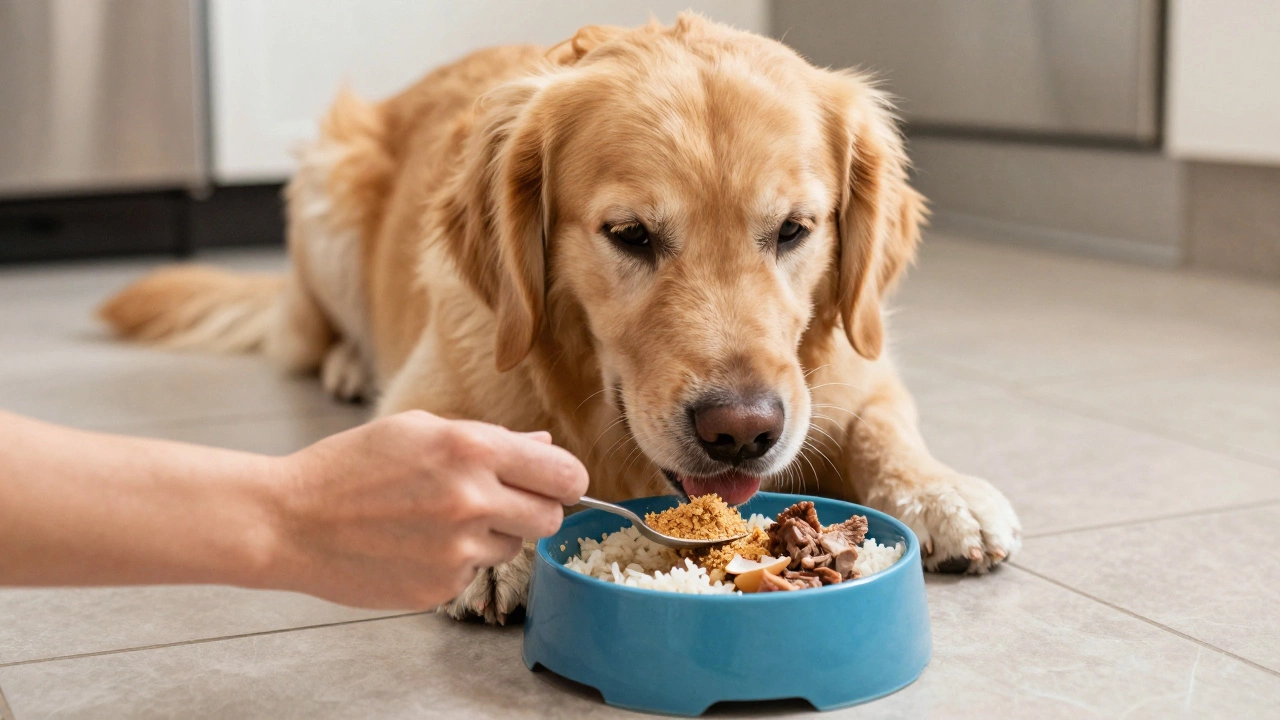
If you switch from commercial food to homemade meals, do it gradually. Sudden changes can cause diarrhea or vomiting. Over seven days, mix increasing amounts of the new food with decreasing amounts of the old. Start with 25% new food, then 50%, then 75%, before going 100%.
Monitor your dog’s weight and coat condition. If they lose weight rapidly or their coat becomes dull, they may be missing essential nutrients. Adjust the ratios or consult a veterinarian if possible. Some vets offer low-cost consultations for nutrition advice.
Can I feed my dog only bread?
No. Bread lacks essential proteins, fats, and vitamins. While a small amount of plain bread won’t hurt, relying on it will lead to malnutrition and serious health issues over time.
Is dry kibble cheaper than homemade food?
Generally, yes. Dry kibble is mass-produced and has a long shelf life, making it cost-effective. Homemade food requires purchasing fresh ingredients, which can be more expensive unless you buy in bulk or use surplus produce.
How much food does a dog need per day?
It depends on size, age, and activity level. A general rule is 2-3% of their body weight in food daily. For example, a 10kg dog needs about 200-300g of food. Adjust based on whether they are gaining or losing weight.
Are there free pet food programs?
Yes. Many countries have pet food banks run by charities. In the UK, organizations like Blue Cross and RSPCA may assist. Local churches and community centers also sometimes host food drives for pets.
Can I give my dog dairy products?
Many dogs are lactose intolerant. Small amounts of plain yogurt or cheese might be okay, but milk often causes diarrhea. It’s safer to stick to non-dairy alternatives or limit dairy to occasional treats.