Puppy Nighttime Potty Schedule Calculator
The Golden Rule: One Hour per Month
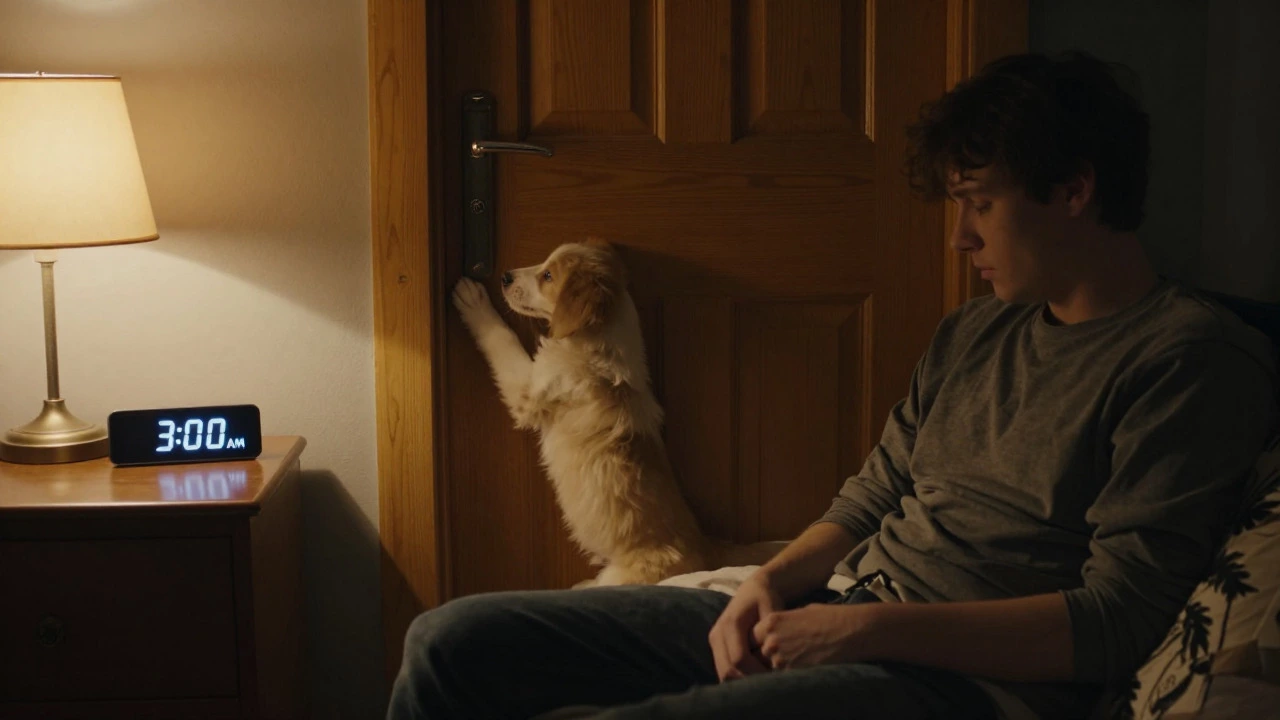
You are likely exhausted. It is 3 AM, and your 8-week-old puppy is whining at the door. You wonder if you missed a cue or if this is just how life works now. The short answer to "how many times a night should I take my puppy out?" is usually two. But it isn't that simple.
At eight weeks, a puppy's bladder can hold urine for roughly one hour per month of age. Since your dog is two months old (in terms of development), they can theoretically hold it for two hours. However, puppies have small bladders and high metabolisms. In practice, most 8-week-olds need to go every 1 to 2 hours while awake. At night, their metabolism slows down slightly, allowing them to hold it a bit longer, but rarely more than three to four hours without an accident.
Why Two Breaks Are the Standard
Most veterinarians and professional trainers recommend two overnight potty breaks for puppies under four months old. This creates a safe window where you sleep for about four hours, wake up, let the puppy out, and then sleep for another four hours until morning.
- First break: Around 2:00 AM or 3:00 AM. This covers the first half of the night.
- Second break: Immediately upon waking up in the morning (e.g., 6:00 AM or 7:00 AM).
If your puppy is very young (under 8 weeks) or has a sensitive stomach, you might need three breaks. If your puppy is older (over 12 weeks) and well-trained, you might get away with just one mid-night break plus the morning.
Building the Perfect Nighttime Routine
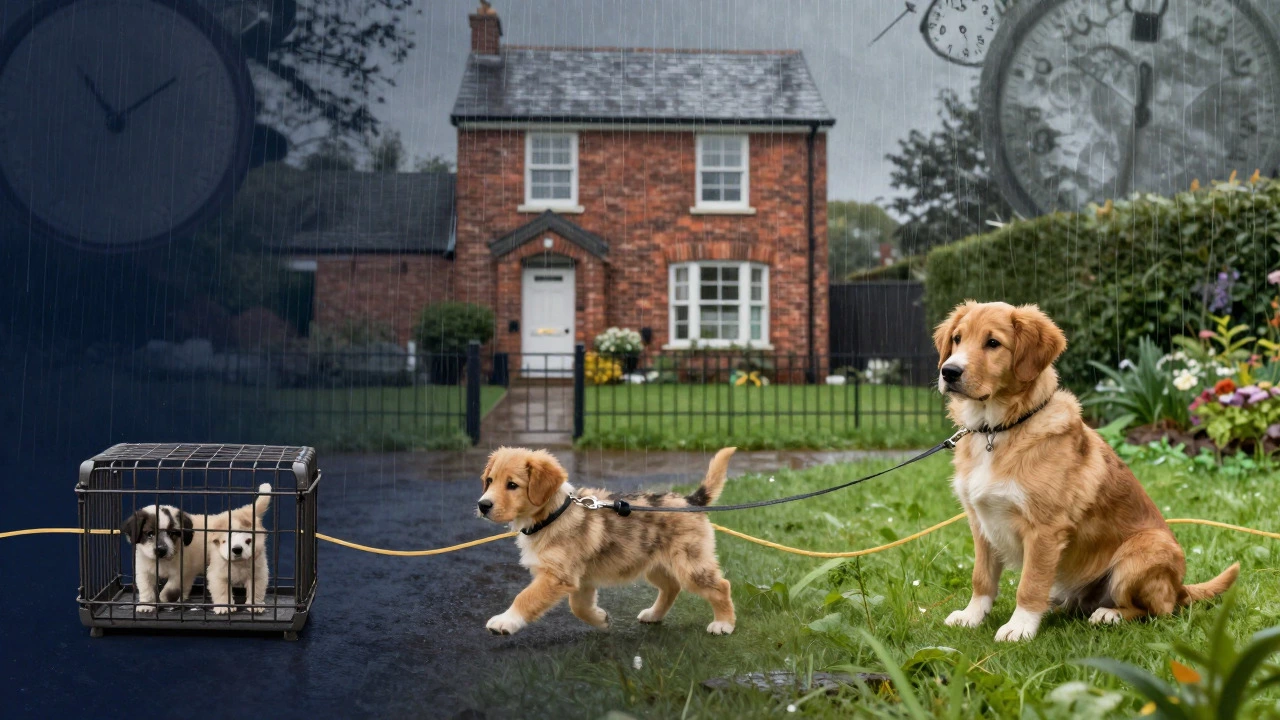
Consistency is key to house training. Your puppy learns through repetition. Here is a step-by-step routine that works for most households in the UK, especially considering our weather patterns.
- Final Meal Time: Stop feeding your puppy by 7:00 PM or 8:00 PM. No food after this time. Water is okay, but limit it if necessary.
- Last Potty Before Bed: Take your puppy out right before you go to bed. Give them 5-10 minutes to sniff around. If they go, praise them. If not, keep them on a leash so they don't mark territory randomly.
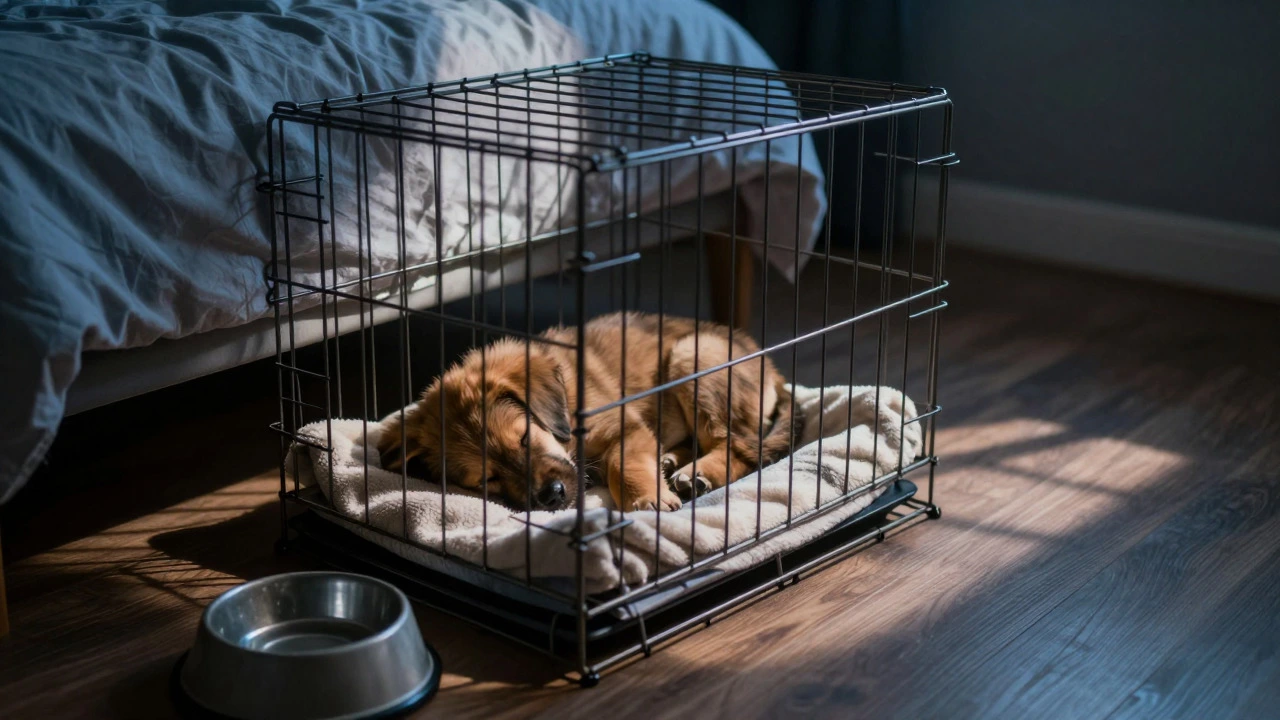
- Crate Training: Place your puppy in a crate near your bed. The crate size should be just big enough for them to stand, turn around, and lie down. Dogs naturally avoid soiling their sleeping area. This instinct helps with bladder control.
- Sleep Schedule: Set an alarm for your mid-night break. Don't rely on hearing the whining; it often means they already had an accident or are desperate.
Signs Your Puppy Needs to Go vs. Just Wants Attention
One of the biggest challenges is distinguishing between a real need to pee and a puppy seeking comfort. Whining is the universal signal, but context matters.
| Signal | Likely Meaning | Action |
|---|---|---|
| Whining + Circling/Sniffing | Needs to eliminate | Take out immediately |
| Whining + Looking at Door | Needs to eliminate | Take out immediately |
| Soft whimpering + Head resting on paw | Might be lonely or cold | Check temperature, offer comfort, wait 5 mins |
| Restless pacing | Could be anxiety or need to pee | Take out as a precaution |
Common Mistakes That Delay House Training
Even with the best intentions, owners make errors that confuse the puppy. Avoid these pitfalls to speed up the process.
- Leaving the water bowl out all night: While dehydration is bad, limiting water intake after dinner can help reduce nighttime accidents. Remove the bowl at bedtime and refill it in the morning.
- Reprimanding accidents: If you find a mess in the morning, clean it with an enzyme cleaner. Punishing the puppy later doesn't help because they don't connect the punishment to the accident from hours ago.
- Inconsistent schedules: If you take them out at 2 AM one night and 4 AM the next, the puppy gets confused. Stick to the same time every night.
- Ignoring the pre-bed potty: Skipping the last trip before bed is the #1 cause of early morning accidents.
When to Worry: Health Considerations
Most accidents are behavioral or developmental. However, frequent accidents despite a strict routine could indicate a medical issue. Watch for these signs:
- Straining to urinate
- Blood in urine
- Frequent licking of the genital area
- Drinking excessive amounts of water
If you notice any of these, consult your vet. Urinary tract infections (UTIs) are common in young dogs and can disrupt house training progress significantly.
Adjusting the Schedule as They Grow
Your puppy's needs will change rapidly. Use this timeline to adjust your expectations:
- 8-10 Weeks: 2-3 overnight breaks. High frequency is normal.
- 12-16 Weeks: 1-2 overnight breaks. Bladder capacity increases.
- 4-6 Months: Most puppies can hold it for 6-8 hours. One morning break may suffice.
Remember, every dog is different. Some breeds, like Chihuahuas or Yorkshire Terriers, have smaller bladders and may need more frequent breaks than larger breeds like Labradors or German Shepherds.
Frequently Asked Questions
Can I leave my 8-week-old puppy home alone all day?
No. An 8-week-old puppy can only hold its bladder for about 2 hours. Leaving them alone for 8+ hours will almost certainly result in accidents. You need a sitter, daycare, or flexible work arrangement.
Should I give my puppy water at night?
It is generally recommended to remove the water bowl 1-2 hours before bedtime. This reduces the amount of urine produced during the night. Always provide fresh water in the morning.
What if my puppy still has accidents after 6 months?
If accidents persist beyond 6 months despite consistent training, see a vet to rule out medical issues. Behavioral problems may require a professional trainer to address anxiety or marking behaviors.
Do male and female puppies have different bladder capacities?
There is no significant difference in bladder capacity based on sex. However, males may mark territory more frequently, which can look like frequent peeing. Spaying/neutering can sometimes reduce marking behavior.
Is it better to use pee pads or take them outside?
For long-term house training, taking them outside is superior. Pee pads can confuse puppies about where they should eliminate. If you must use pads, place them consistently in one spot and gradually move them toward the door.