Dog Walker Cost Calculator
Service Details
Estimated Expenses
Enter your details and click calculate to see the breakdown.
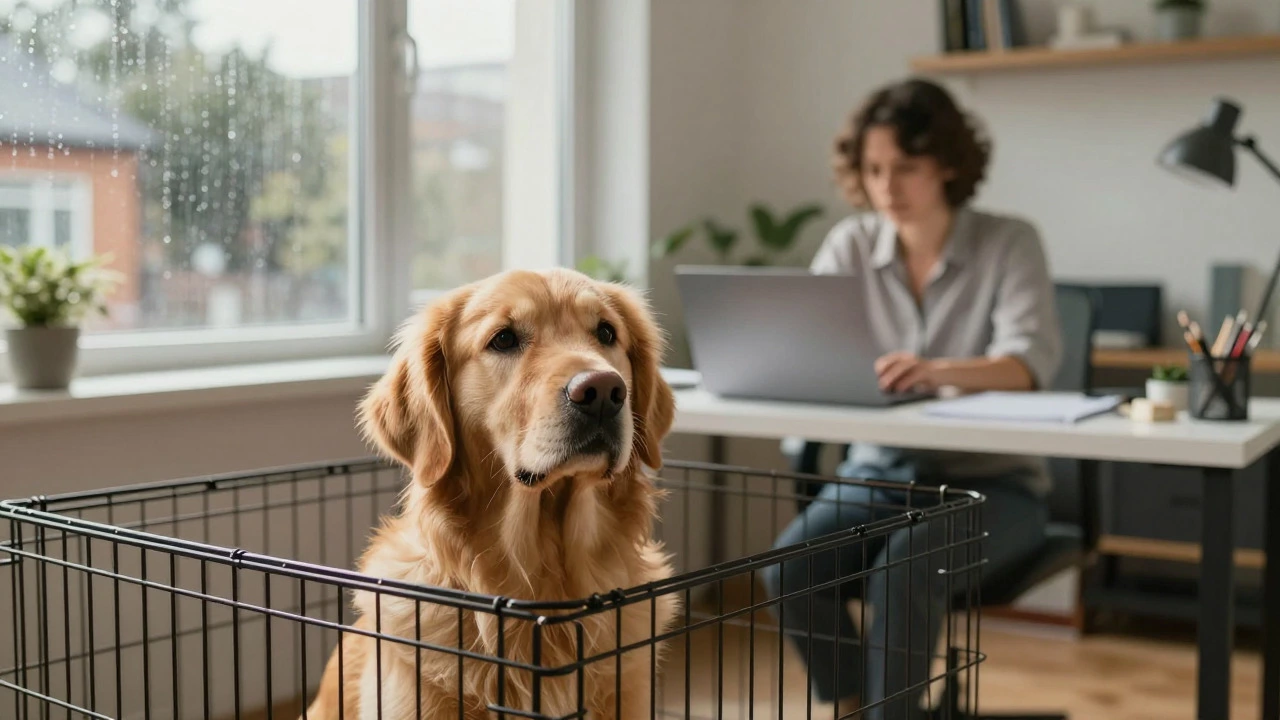
Picture this: You’ve been stuck in back-to-back Zoom meetings since 9 AM. It’s now 2 PM. Your golden retriever, who usually bursts out the door with tail-wagging enthusiasm, is currently staring at you with sad eyes from behind his crate. He needs to go out. You need to finish that report. This is the exact moment where dog walkers become more than just a luxury-they become a lifeline for modern pet owners.
But are they actually a good idea? Or do you risk handing over your best friend to someone who might not care as much as you do? The answer isn’t a simple yes or no. It depends entirely on your dog’s personality, your schedule, and how well you vet the person holding the leash.
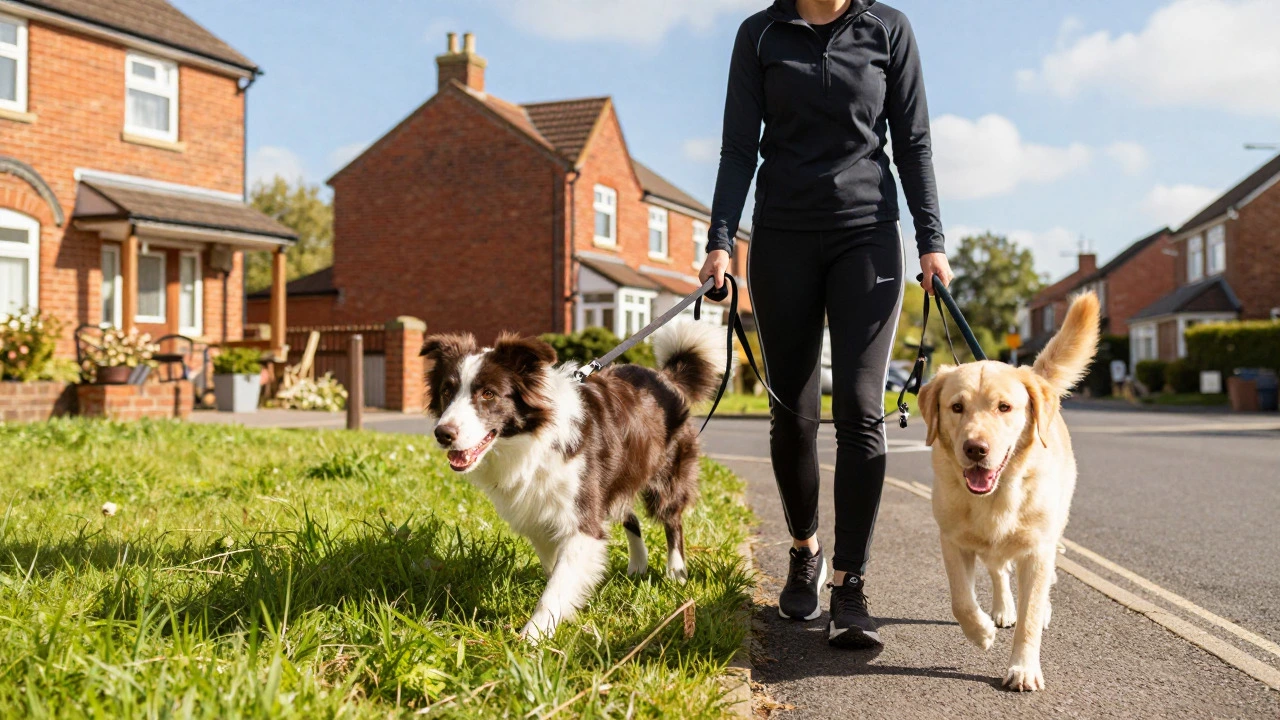
Professional dog walking is a service where trained individuals exercise dogs on behalf of their owners, typically during work hours. Unlike casual friends dropping by, professional walkers often carry liability insurance, use GPS tracking, and follow specific protocols for behavior management. In 2026, the demand for these services has skyrocketed as remote work blurs the lines between home and office, leaving many pets bored and anxious during the day.
The Physical and Mental Health Boost
Let’s start with the obvious: dogs need movement. But it’s not just about burning off energy so they don’t chew your sofa. Regular walks provide critical mental stimulation. Sniffing the neighborhood fire hydrant is like reading the morning newspaper for a dog-it tells them who was there, what they were doing, and when they left.
Without this daily routine, dogs can develop behavioral issues. Barking, digging, and destructive chewing are often signs of pent-up frustration rather than bad behavior. A consistent walk schedule helps regulate their circadian rhythm, leading to better sleep at night. For high-energy breeds like Border Collies, Huskies, or Labrador Retrievers, a single 30-minute stroll isn’t enough. They need an hour or more of vigorous activity. If you’re working a standard nine-to-five, finding two hours a day for proper exercise is nearly impossible without help.
Moreover, socialization plays a huge role. Group walks allow dogs to interact with other canines in a controlled environment. This teaches them impulse control and appropriate play behaviors. Dogs that miss out on these interactions may become fearful or aggressive toward other animals later in life.
The Risks: What Could Go Wrong?
No one likes to think about the worst-case scenario, but you have to consider it before letting a stranger into your home or taking your dog out. The biggest fear for most owners is injury or escape. Dogs can slip out of collars, react unpredictably to squirrels, or suffer joint pain if walked too aggressively on hard surfaces.
Then there’s the issue of trust. Have you ever met the person walking your dog? Do they know how to handle a reactive dog? Some independent walkers operate with little oversight. While many are passionate animal lovers, others treat it as a quick cash job. Without proper training, they might ignore warning signs of stress in your dog, such as lip-licking, whale eye, or tucked tails.
There’s also the financial aspect. Professional dog walking isn’t cheap. Depending on your location, rates can range from $15 to $30 per half-hour walk. Add up those costs over a month, and it starts to rival a part-time salary. Is it worth it? For many professionals, yes. For retirees or stay-at-home parents, maybe not.
Independent Walkers vs. Established Companies
When looking for help, you’ll generally find two types of providers: independent walkers and established companies. Each has distinct advantages and drawbacks.
| Feature | Independent Walker | Established Company |
|---|---|---|
| Cost | Lower ($15-$20/walk) | Higher ($20-$35/walk) |
| Insurance | Varies (ask for proof) | Usually included |
| Backup Support | Limited (sick days mean no walk) | High (team coverage) |
| Personalization | High (consistent face) | Low (different walkers each time) |
| Vetting Process | Owner’s responsibility | Company handles background checks |
Independent walkers offer a personal touch. You build a relationship with one person who learns your dog’s quirks. However, if they get sick or call in late, you’re left scrambling. Companies provide reliability. If one walker calls out, another steps in. They also typically require background checks and carry liability insurance, which protects you if your dog injures someone or gets hurt while under their care. The trade-off is less consistency and higher prices.
How to Vet a Dog Walker Like a Pro
If you decide to hire help, don’t just pick the first name you see on an app. Treat it like hiring a babysitter. Here’s what you need to check:
- Insurance and Bonding: Ask for a certificate of insurance. It should cover general liability and pet care. If they say they’re “self-insured,” be cautious.
- References: Talk to current clients. Ask specifically about punctuality, communication, and how they handled any emergencies.
- Training Background: Do they know basic canine body language? Can they handle a dog that pulls on the leash? Look for certifications from organizations like the National Association of Professional Pet Sitters (NAPPS).
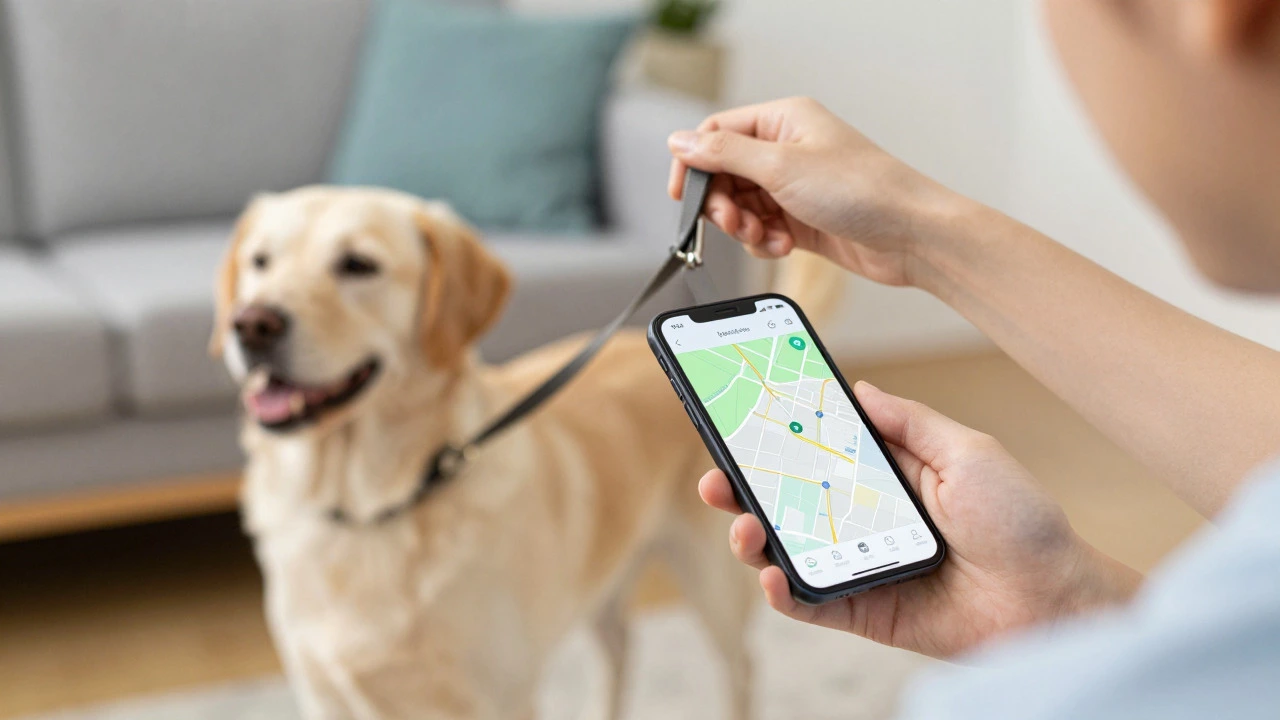
- Technology Use: Modern walkers often use apps that send GPS-tracked photos and updates after every walk. This gives you peace of mind and proof that the walk actually happened.
- Emergency Plan: Where will they take your dog if it gets injured? Do they have access to your vet’s number? Will they administer first aid if needed?
Always do a trial run. Invite the walker to meet your dog while you’re home. Watch how they interact. Do they approach calmly? Do they let the dog sniff them first? Do they use positive reinforcement? If your dog seems stressed or the walker ignores your instructions, keep looking.
Alternatives to Traditional Dog Walking
Maybe you’re not ready to hand over the keys to a stranger. That’s okay. There are other options that still give your dog the exercise they need.
Doggy Daycare is a popular alternative. Your dog spends the day playing with other dogs under supervision. It’s great for socialization and burns a lot of energy. However, it’s not suitable for dogs that are shy, aggressive, or older with mobility issues. It’s also significantly more expensive than a single walk.
Neighborhood Swaps work well if you have friendly neighbors with dogs. You walk their dog, they walk yours. It’s free and builds community. Just make sure both dogs are compatible and agree on terms upfront.
In-Home Exercise involves setting up indoor games like flirt poles, puzzle toys, or tug-of-war sessions. This works for short breaks but doesn’t replace the mental stimulation of outdoor exploration. It’s a supplement, not a replacement.
Robotic Walkers are emerging in 2026, but they’re still niche. Devices like robotic leashes or automated fetch machines exist, but they lack the human interaction and decision-making required for safe walks. Stick to humans for now.
Signs Your Dog Needs a Walker
Not every dog needs a professional walker. If you live near a park and have a flexible schedule, you might manage on your own. But watch for these red flags:
- Your dog destroys furniture or shoes when left alone.
- They pace or whine excessively when you leave.
- They seem overweight or lethargic despite your efforts.
- You feel guilty every time you leave for work.
- Your dog reacts poorly to other dogs due to lack of socialization.
If any of these sound familiar, a walker could improve your dog’s quality of life-and yours. A happy, tired dog is a well-behaved dog.
Making the Decision Work for You
Hiring a dog walker is an investment in your pet’s health and your peace of mind. Start small. Try twice-a-week walks and see how your dog responds. Adjust based on their energy levels and your budget. Communicate clearly with your walker about routes, commands, and boundaries. And never hesitate to switch providers if something feels off.
Your dog relies on you for everything. Making sure they get enough exercise and attention is one of the most important jobs you have. Whether you choose a walker, daycare, or a neighbor swap, the goal is the same: a healthy, happy companion who greets you at the door with joy, not anxiety.
Is it safe to leave my dog with a dog walker?
Yes, if you properly vet the walker. Look for insurance, references, and training in canine behavior. Always do a trial meeting before leaving your dog alone with them. Established companies often provide extra safety nets like GPS tracking and backup staff.
How much does a professional dog walker cost?
Prices vary by location and service type. In 2026, expect to pay $15-$20 for a 30-minute walk with an independent walker, and $20-$35 with a company. Group walks are cheaper, while private walks for reactive or large dogs cost more.
Can I hire a dog walker for just one day a week?
Absolutely. Many walkers offer flexible packages. Some charge per walk, while others require weekly commitments. Independent walkers are often more open to occasional bookings than companies with set schedules.
What should I tell my dog walker before they start?
Share your dog’s medical history, triggers, favorite treats, and preferred walking routes. Provide clear instructions on leash handling, recall commands, and emergency contacts. A written care sheet ensures consistency even if different walkers rotate in.
Are group walks better than private walks?
Group walks are great for social dogs who enjoy interacting with others. They’re also more affordable. Private walks are better for dogs that are shy, aggressive, or need focused training. Choose based on your dog’s temperament, not just price.