Cat Food Moistening Calculator
Input Parameters
Recommended Mix
Enter values and click calculate to see recommendations
Most indoor cats suffer from chronic low-grade dehydration. Their ancestors were desert dwellers who got almost all their moisture from prey, but modern commercial dry cat food, also known as kibble, contains only about 10% moisture. When you feed your cat exclusively dry food, they have to drink significantly more water to compensate. The problem is that many cats simply don’t drink enough. This gap in hydration can lead to urinary tract issues and kidney strain over time. So, is it safe to add water to their bowl? The short answer is yes. In fact, it’s one of the easiest ways to boost their fluid intake without forcing them to lick from a tap or fountain.
Why Hydration Matters More Than You Think
Cats have a notoriously low thirst drive. Evolutionarily, they didn’t need to seek out water sources because their natural diet-mice, birds, and rabbits-is roughly 70% water. When you switch them to a bowl of crunchy pellets, you remove that primary source of hydration. According to veterinary nutritionists, this shift is a major contributor to feline lower urinary tract disease (FLUTD) and chronic kidney disease (CKD), especially in older cats.
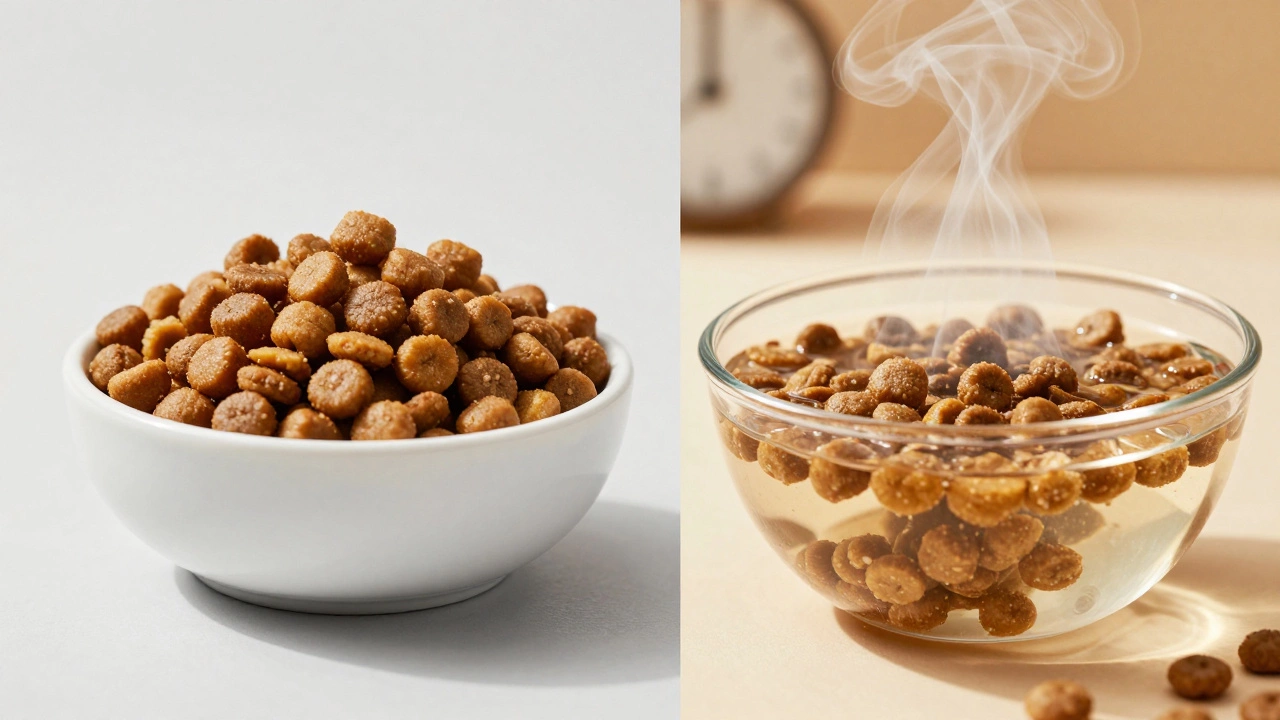
Adding water to dry cat food bridges this gap. It doesn’t replace the nutritional value of wet food, but it makes the meal more palatable and increases the total volume of liquid your cat consumes during feeding. For a cat that ignores its water bowl, every sip counts. By moistening their kibble, you’re essentially tricking them into drinking while they eat, which aligns closer to their natural instinct than expecting them to drink separately.
The Pros and Cons of Adding Water to Kibble
| Aspect | Benefit / Risk | Details |
|---|---|---|
| Hydration | Positive | Increases daily water intake by up to 50ml per meal if fully soaked. |
| Dental Health | Negative | Softened kibble loses its abrasive texture, reducing mechanical plaque removal. |
| Palatability | Positive | Releases aromas better; warmer food smells stronger, encouraging picky eaters. |
| Bacterial Growth | Risk | Wet food spoils faster. Must be removed after 20-30 minutes to prevent bacteria. |
| Digestion | Positive | Easier to chew for senior cats or those with dental pain. |
The biggest trade-off involves dental health. Many people believe dry food cleans teeth, but studies show that unless the kibble is specifically designed to break down plaque (like certain prescription diets), regular dry food doesn’t do much for oral hygiene. However, soaking it makes it even softer, eliminating whatever minor scrubbing effect it had. If dental health is a concern, you’ll need to supplement with tooth brushing or dental treats. On the flip side, the benefits for hydration and digestion often outweigh the dental downside, particularly for older cats with sensitive mouths.
How to Properly Moisten Dry Cat Food
You might think you just dump water on the bowl and walk away, but there are a few techniques to make it effective and safe. Here is how to do it right:
- Choose the Right Water: Use fresh, clean water. If your tap water tastes strong or has high mineral content, your cat might reject it. Filtered or bottled water works best for picky eaters.
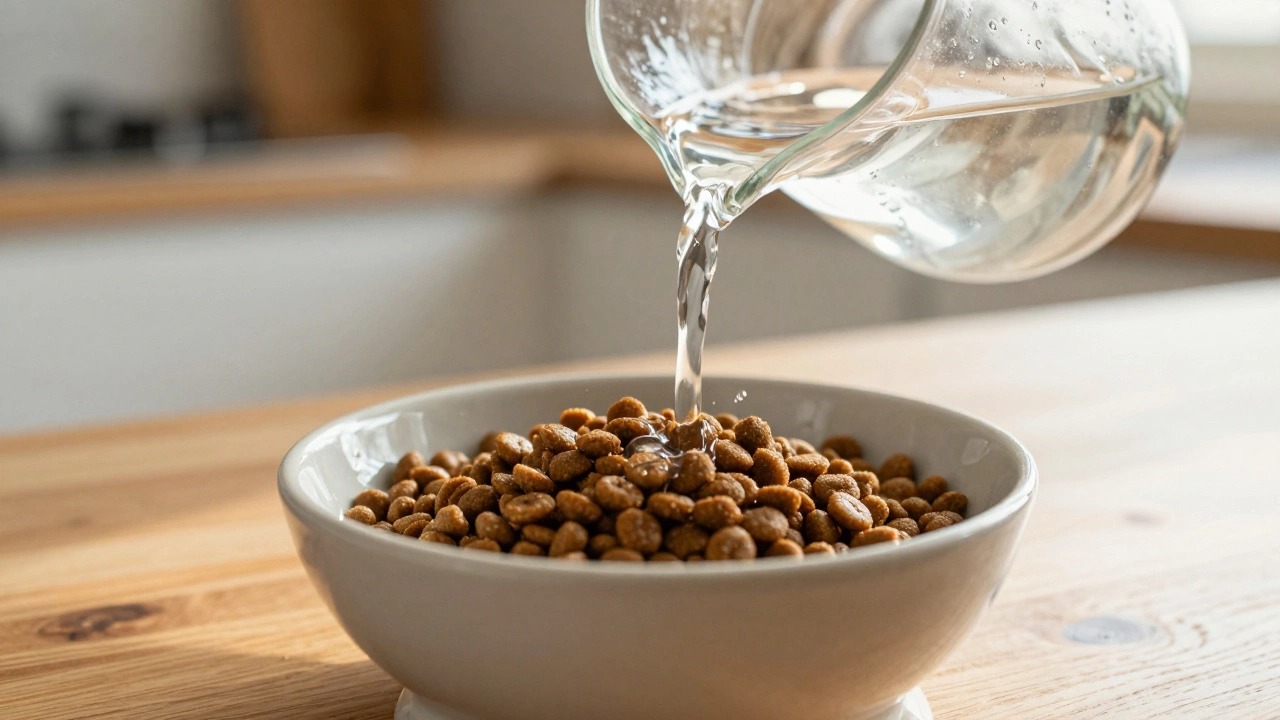
- Temperature Matters: Lukewarm water releases more aroma than cold water. Heat the water slightly (not hot, just warm to the touch) before adding it. This mimics the body temperature of fresh prey, making the food smell irresistible.
- The Ratio: Start small. Add about one tablespoon of water per quarter cup of kibble. Let it sit for 5-10 minutes so the kibble absorbs the liquid rather than just sitting at the bottom of the bowl.
- Don’t Overdo It Initially: Some cats hate mushy food. Start by lightly sprinkling water over the top so the kibble stays crunchy on the outside but soft inside. Gradually increase the amount as your cat gets used to it.
If you want to take it a step further, you can use low-sodium chicken broth instead of plain water. Just ensure it contains no onions, garlic, or excessive salt, as these are toxic to cats. The savory scent can encourage reluctant drinkers to consume more fluids.
Common Mistakes to Avoid
One of the biggest errors owners make is leaving moistened food out for hours. Dry kibble can sit in a bowl all day without spoiling, but once you add water, the clock starts ticking. Bacteria multiply rapidly in moist environments at room temperature. After 20 to 30 minutes, any uneaten moistened food should be discarded. Leaving it longer risks causing gastrointestinal upset or worse.
Another mistake is assuming this replaces wet food entirely. While moistening kibble helps, it doesn’t provide the same protein density or nutrient profile as high-quality canned food. Wet food typically contains higher levels of animal-based proteins and fewer carbohydrates. Think of moistening dry food as a helpful hack, not a complete nutritional overhaul. If your cat has kidney issues, consult your vet about transitioning to a primarily wet diet instead.
Also, watch out for "bottom-feeders." If your cat eats quickly, they might scoop up the dry bits and leave the soggy ones behind, defeating the purpose. Stirring the water in thoroughly or using a shallow bowl can help ensure they get a mix of both textures.
Who Benefits Most from This Trick?
This method isn’t just for lazy owners; it’s a strategic tool for specific scenarios. Senior cats often develop arthritis or dental pain, making the crunching of hard kibble difficult. Softened food requires less effort to eat, ensuring they maintain their weight and energy levels. Kittens, on the other hand, sometimes struggle with the transition from mother’s milk to solid food. A gradual introduction of softened kibble can ease this dietary shift.
Cats recovering from illness also benefit. When a cat is sick, their appetite drops, and their sense of smell diminishes. Warm, moist food is easier to swallow and smells stronger, which can stimulate appetite when nothing else will. Even healthy adult cats with a history of urinary crystals may find that increased water intake through their meals helps flush their system and prevent recurrence.
Alternatives to Plain Water
If your cat refuses plain water-soaked kibble, try these alternatives:
- Low-Sodium Broth: As mentioned, chicken or turkey broth adds flavor. Ensure it’s onion-free and garlic-free.
- Tuna Juice: The liquid from a can of tuna in water (not oil) is highly motivating for most cats. Use sparingly due to mercury concerns, but a little goes a long way.
- Warm Milk (Lactose-Free): Most adult cats are lactose intolerant, so regular cow’s milk causes diarrhea. However, specialized lactose-free cat milk is safe and can be used to moisten food.
- Gravy Pouches: Mix a bit of gravy pouch sauce with water and pour it over the kibble. This combines the appeal of wet food with the convenience of dry.
Experimenting with these flavors can help you find what your individual cat prefers. Remember, consistency is key. Once you find a method that works, stick with it to build a routine.
Frequently Asked Questions
Can I use hot water to moisten my cat's food?
You should avoid using boiling or very hot water. Extreme heat can destroy some of the vitamins and nutrients in the kibble, such as taurine and certain B vitamins. Additionally, it could burn your cat’s mouth. Lukewarm water is ideal because it enhances the aroma without damaging the nutritional content or posing a safety risk.
How long can moistened cat food sit out?
Moistened dry food should not be left out for more than 20 to 30 minutes. Once water is added, the food becomes a breeding ground for bacteria like Salmonella and E. coli. If your cat hasn’t finished eating within half an hour, discard the remaining food and wash the bowl thoroughly before offering fresh portions.
Does adding water reduce the nutritional value of dry food?
No, adding water does not reduce the nutritional value. In fact, it can improve digestibility by pre-hydrating the food, which helps your cat’s stomach process it more efficiently. The calorie count remains the same, so you don’t need to adjust portion sizes unless your vet advises otherwise for weight management.
Will moistening kibble help with hairballs?
Yes, it can help indirectly. Proper hydration keeps the digestive tract moving smoothly, which helps pass hair through the system rather than accumulating it in the stomach. Well-hydrated fur is also less likely to clump together. Combining moistened food with regular brushing provides the best defense against hairballs.
Is it better to feed wet food or moistened dry food?
Pure wet food is generally considered superior for hydration and dental health because it has higher moisture content (around 70-80%) and fewer carbohydrates. However, moistened dry food is a practical compromise if cost or convenience is a factor. It offers more hydration than plain kibble but less than canned food. For optimal health, many vets recommend a mixed diet or transitioning fully to wet food if possible.