Collar Safety Scenario Simulator
Select a Situation
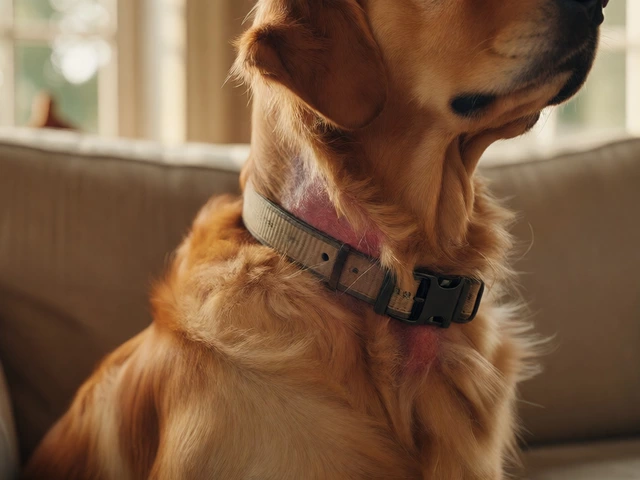
Imagine this: your dog is off-leash in the park, chasing a squirrel with pure joy. Suddenly, they slip under a low-hanging branch or get tangled in some garden fencing. The leash isn't attached, but their collar is caught. What happens next depends entirely on the hardware around their neck. This is where the confusion between breakaway and quick release collars becomes critical for every dog owner.
You might assume these terms mean the same thing because both involve a buckle that opens. But in the world of canine safety, the distinction is massive. One is designed to save a life by snapping open under pressure; the other is designed to keep the collar securely fastened during daily wear while allowing you to remove it quickly. Mixing them up can lead to a loose collar-or worse, a trapped dog.
The Core Difference: Automatic vs. Manual Release
To understand which collar fits your dog’s lifestyle, we need to look at how the buckles actually function. The fundamental difference lies in what triggers the opening mechanism.
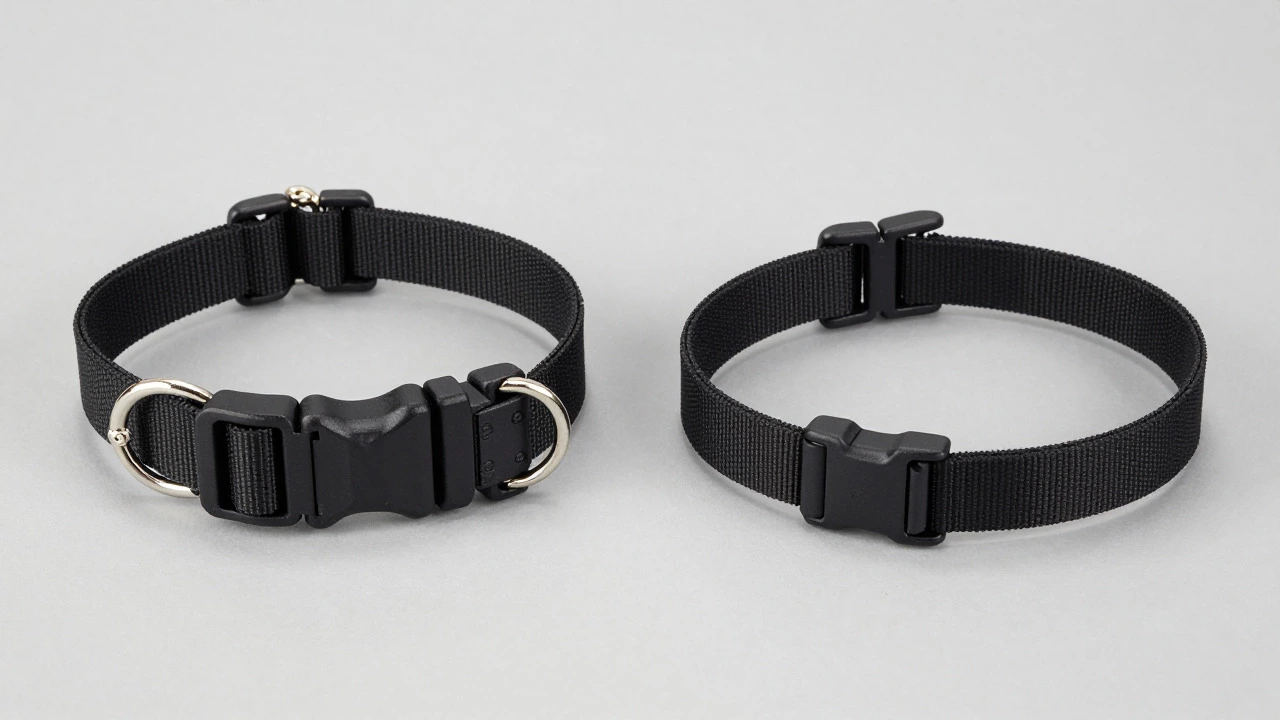
A Breakaway collar is a safety device featuring a buckle that automatically pops open when subjected to sudden, strong tension. Think of it as a seatbelt airbag for your dog’s neck. If the collar gets snagged on a fence post, a tree root, or even another dog’s leg, the force applied exceeds the buckle’s threshold, and it releases instantly. There is no human intervention required. The goal is freedom from entanglement.
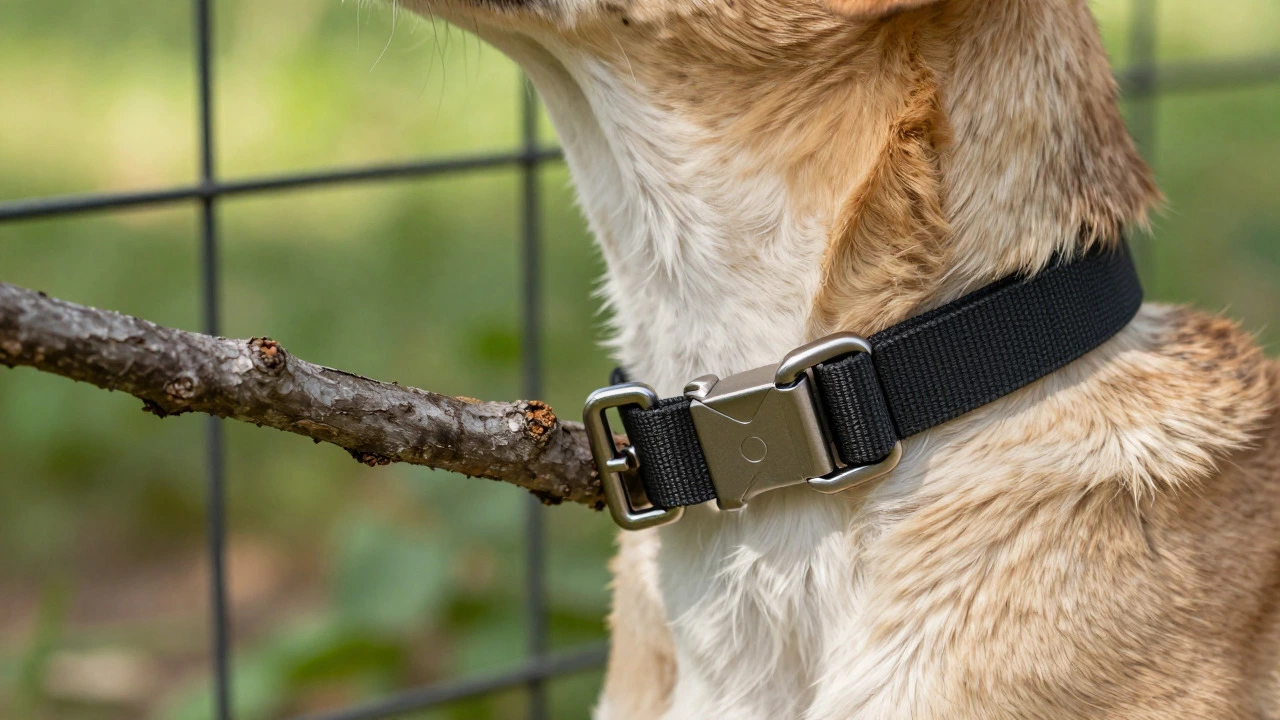
In contrast, a Quick release collar uses a standard side-release buckle (often plastic) that requires manual manipulation to open. You press two tabs together to unclip it. It does not open on its own if pulled tight. In fact, most quick-release buckles are designed to resist accidental opening. They stay closed until you actively decide to take the collar off. This makes them ideal for attaching leashes, ID tags, and keeping the collar secure during active play, provided there is no risk of snagging.
How Breakaway Mechanisms Work
Breakaway collars rely on specific engineering principles to ensure they release only when necessary. There are generally two types of mechanisms used:
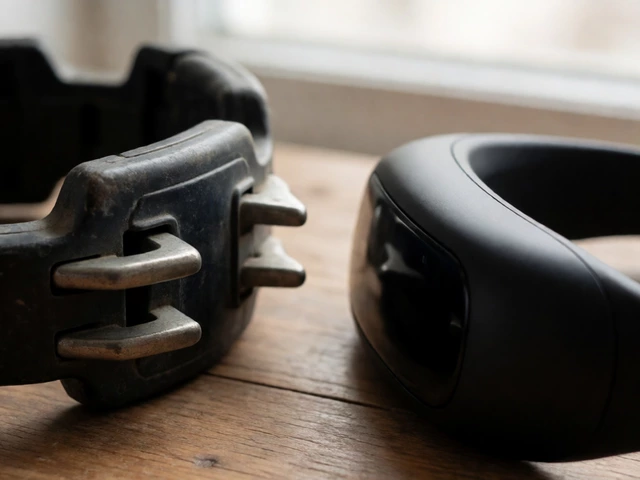
- Magnetic Buckles: These use strong magnets to hold the collar closed. When significant force pulls against the magnetic field, the connection breaks. They are smooth, silent, and often reusable, though they can be sensitive to metal objects like car keys or zippers nearby.
- Spring-Loaded Pins: This is the more common design. A pin holds the buckle shut, held in place by a spring or friction. When lateral or vertical pressure is applied (like being jerked sideways), the pin slides out of its socket, releasing the strap. These are robust and less likely to open accidentally than magnetic ones.
The key attribute here is sensitivity. A good breakaway collar must balance security with safety. If it’s too sensitive, your dog could lose the collar every time they shake their head vigorously or jump into water. If it’s not sensitive enough, it fails its primary purpose during an emergency. Manufacturers typically test these buckles to withstand normal pulling forces (like a tug-of-war game) but yield to sustained snagging pressure.
When to Use a Quick Release Collar
Quick release collars are the workhorses of everyday dog ownership. They are versatile, durable, and widely available. You’ll find them on everything from simple nylon webbing collars to heavy-duty leather harnesses.
This type of collar is best suited for dogs that are:
- Leashed frequently: Since you attach a leash to the D-ring, you need a buckle that won’t pop open if the dog lunges forward. A quick release buckle stays put under high tension.
- Indoor pets with controlled access: If your dog never goes off-leash in unsecured areas, the risk of snagging is minimal. The convenience of easily slipping the collar on and off for grooming or sleep is valuable.
- Strong pullers: Dogs that pull heavily on walks require a secure attachment point. A breakaway collar might release unexpectedly if the dog makes a sudden, powerful dash, leaving you holding just the leash.
However, remember that "quick release" refers to your ability to remove it, not the collar’s ability to save your dog from a trap. If a quick-release collar gets stuck behind a gate, it will remain closed until someone finds your dog and manually presses the tabs-a scenario that can turn deadly in minutes.
Safety Scenarios: Why the Choice Matters
Let’s look at real-world situations to see how each collar performs. Understanding these contexts helps you match the gear to your dog’s environment.
| Scenario | Breakaway Collar Outcome | Quick Release Collar Outcome |
|---|---|---|
| Dog snags collar on a fence while off-leash | Buckle pops open; dog escapes safely | Buckle stays closed; dog risks strangulation or panic |
| Dog pulls hard on leash during a walk | Risk of accidental release if tension spikes sharply | Buckle remains secure; control maintained |
| Dog shakes head vigorously after swimming | Possible accidental release if mechanism is overly sensitive | Collar stays firmly in place |
| Grooming session requiring collar removal | Easy to unclip, but may feel less "secure" to handle | Fast and familiar manual release |
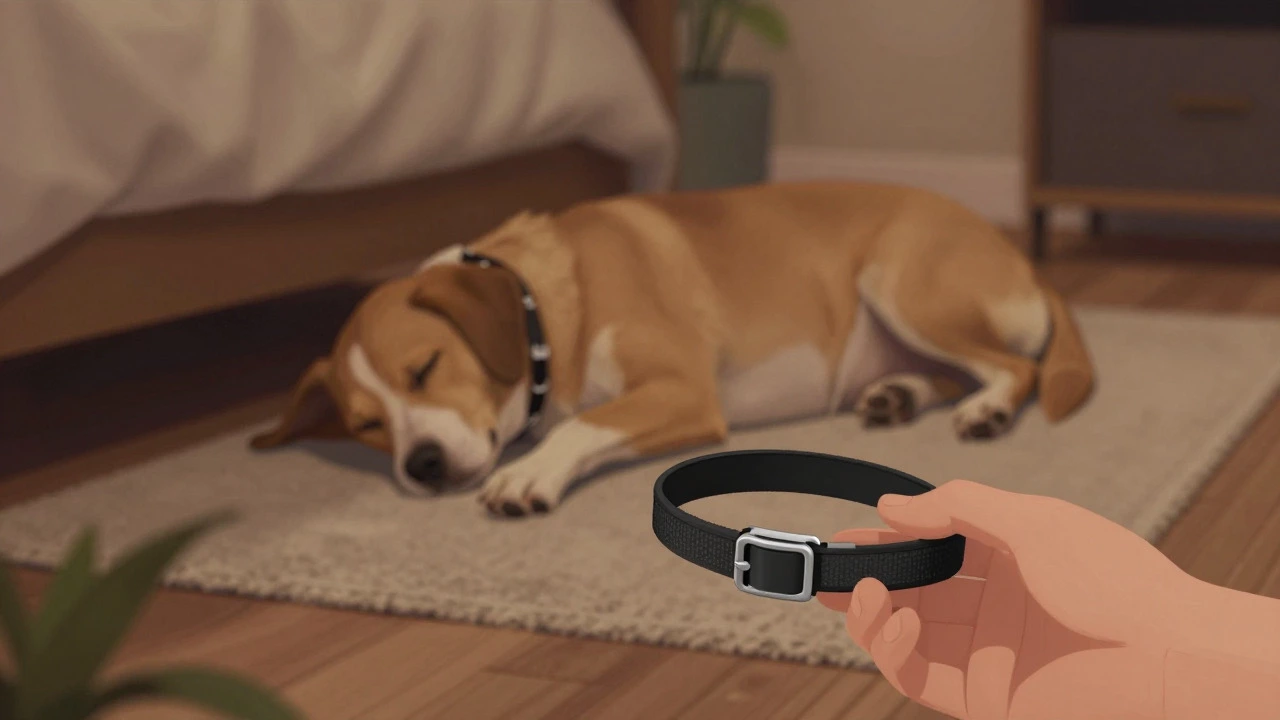
| Nighttime indoor wear | Ideal safety net if dog gets tangled in bed frames or toys | Safe if supervision is constant, but higher risk if unsupervised |
Notice the trade-off. Breakaway collars prioritize escape from danger over retention during activity. Quick release collars prioritize retention and control over automatic safety. There is no "perfect" collar; there is only the right tool for the specific job.
Choosing Based on Your Dog’s Lifestyle
Your decision should hinge on three factors: where your dog spends time, how they behave, and whether they are leashed.
Choose a Breakaway Collar If:
- Your dog is off-leash in parks, woods, or beaches regularly.
- You live in an area with dense vegetation, fences, or debris where snagging is likely.
- Your dog wears the collar 24/7, including during sleep and unsupervised indoor time.
- You have a small breed or puppy with a delicate neck structure.
Choose a Quick Release Collar If:
- Your dog is always on a leash when outside.
- You use the collar primarily for walking and training exercises.
- Your dog is a strong puller who needs a secure anchor point for the leash.
- You prefer the tactile feedback of a traditional buckle that feels solid and locked.
Common Misconceptions About Collar Safety
Many owners believe that any collar with a plastic buckle is a "breakaway." This is incorrect. Most standard plastic side-release buckles are quick-release only. They are designed to be sturdy, not fragile. To verify if a collar is truly breakaway, check the product description for keywords like "auto-release," "safety snap," or "breakaway mechanism." Look for diagrams showing the internal pin or magnet system.
Another myth is that breakaway collars are weak. While they do release under pressure, the straps themselves are often made from high-strength nylon or polyester. The weakness is intentional and localized to the buckle. A well-made breakaway collar can withstand hours of normal wear without failing. The failure mode is triggered specifically by directional force that mimics a snag, not general wear and tear.
Maintenance and Inspection Tips
Regardless of which type you choose, regular maintenance is non-negotiable. A broken buckle is useless, whether it’s supposed to stay closed or pop open.
- Check the Mechanism Monthly: For breakaway collars, gently pull the buckle apart to ensure the pin or magnet engages and disengages smoothly. Listen for a clean click. If it sticks, replace the collar.
- Inspect for Wear: Look for fraying straps near the buckle. Frayed edges can jam the release mechanism, preventing a breakaway collar from popping open when needed.
- Clean Regularly: Mud, dirt, and hair can clog the moving parts of both buckle types. Wipe down the hardware with a damp cloth after muddy walks.
- Test Fit: Ensure you can fit two fingers comfortably between the collar and your dog’s neck. A collar that is too tight restricts breathing; one that is too loose increases the chance of snagging.
Final Thoughts on Canine Safety Gear
The choice between a breakaway and a quick release collar isn’t about which is "better" in a vacuum. It’s about matching the equipment to the environment. If your dog’s world involves freedom and potential hazards, the breakaway mechanism is an essential insurance policy. If your dog’s life revolves around structured walks and controlled interactions, the reliability of a quick release buckle provides peace of mind.
Consider owning both. Many responsible owners keep a breakaway collar for off-leash adventures and nighttime wear, and a quick release collar for daily walks and training sessions. This dual approach ensures your dog is protected from entanglement when unsupervised and secure when under your direct control. After all, the best collar is the one that keeps your dog safe in the specific moments that matter most.
Can I attach a leash to a breakaway collar?
It is generally not recommended to attach a leash to a breakaway collar for walking. Because the buckle is designed to release under tension, a sudden lunge by your dog could cause the collar to pop open, resulting in an escaped pet. Use breakaway collars primarily for off-leash activities, identification, and indoor wear. For walks, switch to a quick release collar or a harness.
Are breakaway collars safe for aggressive dogs?
If your dog is aggressive towards other dogs or people, a breakaway collar poses a risk of escape during an incident. In such cases, a secure quick release collar or a head halter/harness is safer for control. However, if the aggression leads to tangling risks, consult a professional trainer to weigh the benefits of containment versus strangulation risk.
How do I know if my current collar is breakaway?
Examine the buckle closely. If it looks like a standard plastic clip with two tabs you press together, it is likely a quick release. If it has a single piece of metal or plastic that seems to slide or separate with a gentle pull (without pressing tabs), it is probably breakaway. Check the manufacturer’s label for "auto-release" or "safety breakaway" terminology.
Do breakaway collars come off too easily?
High-quality breakaway collars are engineered to withstand normal movement, shaking, and jumping. They only release under specific directional pressure that simulates a snag. Cheaply made versions may be overly sensitive. Invest in reputable brands that test their buckles for durability to avoid accidental loss during routine play.
Is a harness better than either collar type?
Harnesses distribute pressure across the chest rather than the neck, reducing strain and injury risk. Many modern harnesses feature quick release buckles. For off-leash safety, some harnesses have breakaway clips. Harnesses are often preferred for pullers and dogs with tracheal issues, but collars remain useful for ID tags and legal compliance in many regions.