Puppy Routine Calculator
Your Puppy's Daily Schedule
Why This Matters
ℹ️ At 8 weeks, puppies can only hold it 2-3 hours. Consistent schedules prevent accidents and build confidence.
Potty Break Frequency
Every 2 hours
(Including after meals and naps)
Feeding Schedule
3 times daily
Small meals every 8 hours
Next Recommended Activity
Check your puppy's schedule below to see when their next potty break should occur.
Start by entering the times above.
Bringing home an 8-week-old puppy is exciting, but it’s also a big responsibility. At this age, your puppy is still a baby - their body is growing fast, their brain is learning everything for the first time, and their bladder control? Still pretty weak. A good routine isn’t just about keeping them busy - it’s about setting them up for a calm, confident, and well-behaved adult dog. And yes, that starts with structure.
Start with a Simple Daily Schedule
Most 8-week-old puppies can’t hold it for more than 2-3 hours, so you need to plan for frequent bathroom breaks. A basic routine looks like this:- First thing in the morning: potty break, then breakfast
- Every 2 hours: potty break, even if they just went
- After meals: potty break (this is non-negotiable)
- After naps: potty break
- Before bedtime: potty break, then sleep
That’s about 6-8 trips outside a day. Yes, it’s a lot. But skipping even one can lead to accidents indoors, and that teaches the puppy it’s okay to go in the house. You’re not being strict - you’re being clear.
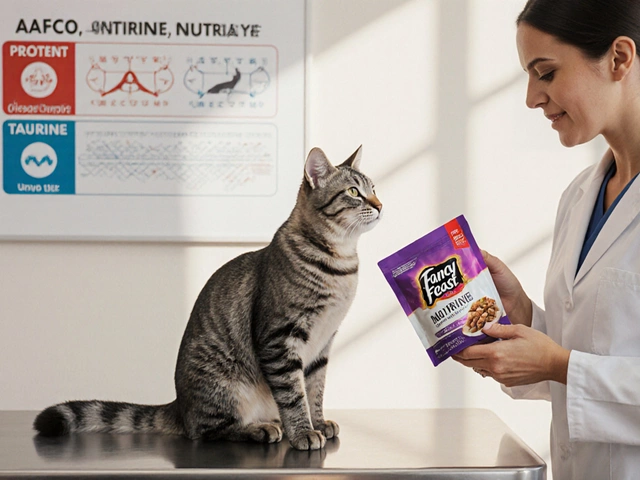
Feed your puppy three times a day. Use a high-quality puppy food, preferably one labeled for small or medium breeds. Check the label - the first ingredient should be a named meat like chicken or lamb, not ‘meat meal’ or ‘by-products’. A good brand like Royal Canin Puppy or Hill’s Science Diet Puppy gives them the right balance of protein, fat, and DHA for brain development. Don’t switch foods often. Sudden changes cause loose stools, and at 8 weeks, that’s a recipe for stress.
Potty Training Is the Foundation
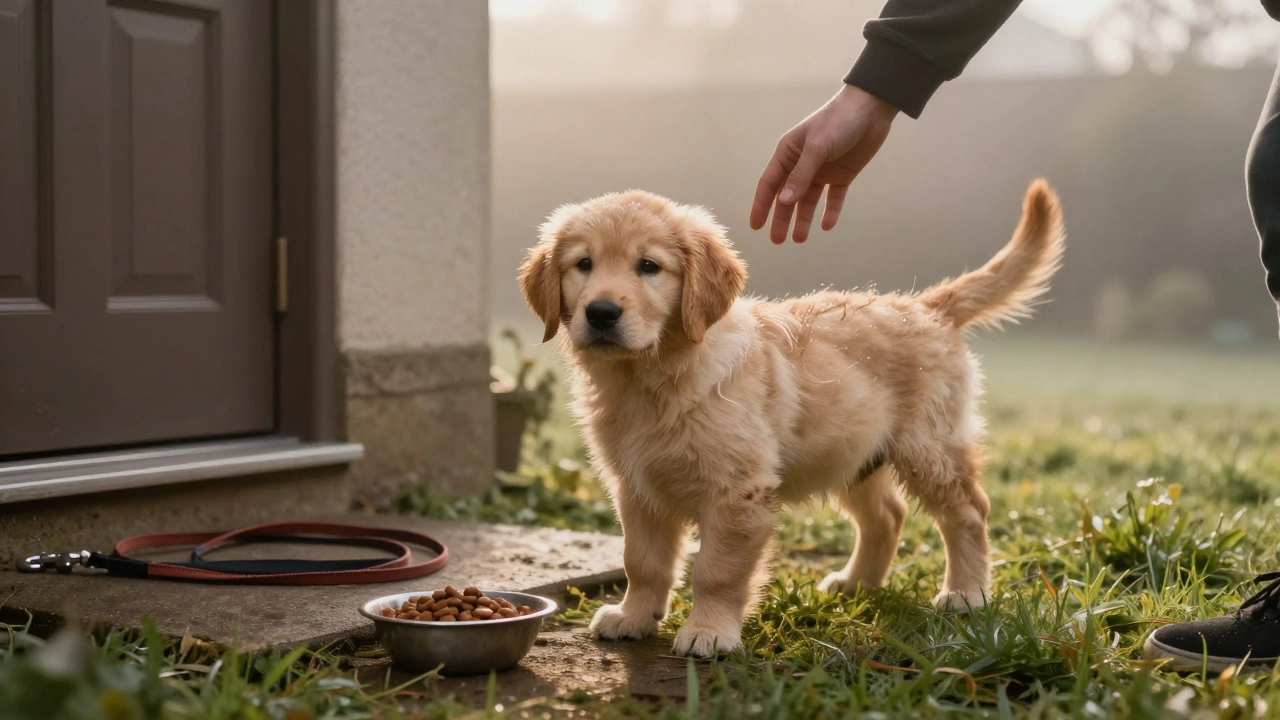
Take them to the same spot every time. Grass is ideal - it smells familiar and feels different than indoor floors. Wait quietly. Don’t talk, don’t play, just stand still. When they go? Immediate praise. Not a treat yet - just enthusiastic, happy words: “Good job!” Then, take them back inside. No playtime until the next potty break. This teaches them that going outside = work, not fun.Watch for signs they need to go: sniffing the floor, circling, squatting, or suddenly darting away from play. If you catch them starting to go inside, gently pick them up and carry them outside. Don’t yell. They don’t understand punishment. They just know you’re angry, and now they’re scared to go near you.
Puppy Playtime: Not Just Fun, But Learning
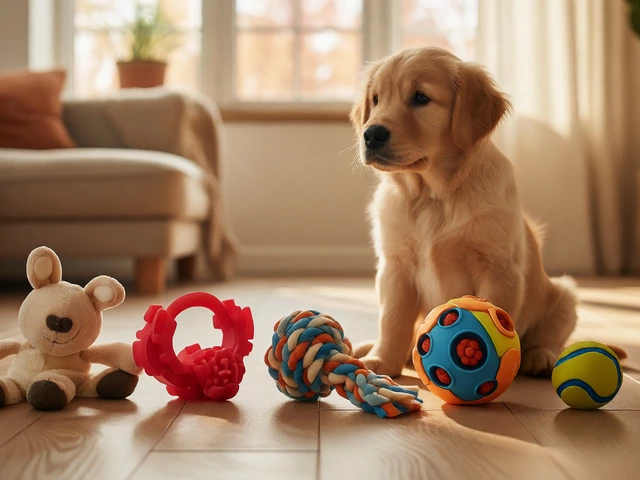
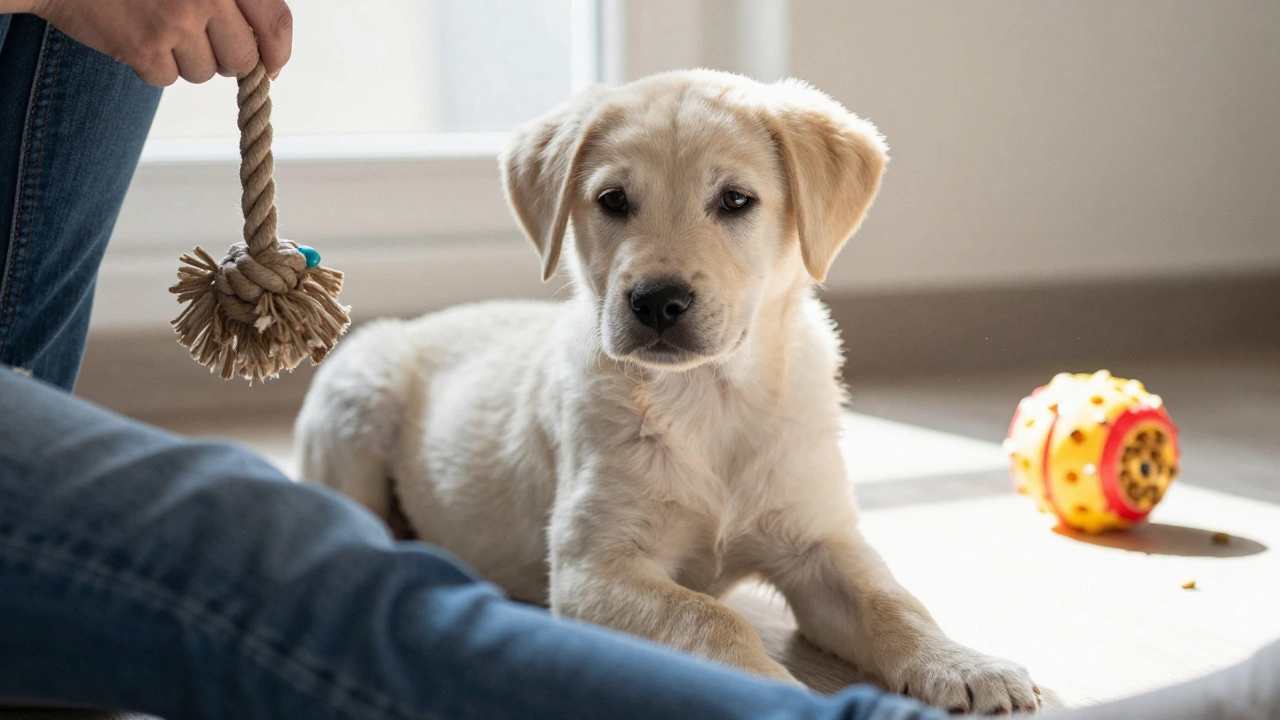
At 8 weeks, your puppy’s brain is like a sponge. Every interaction teaches them something. Playtime isn’t just about burning energy - it’s about teaching bite inhibition, impulse control, and how to be calm.Use soft toys. Avoid hard plastic bones or rubber balls that are too tough. A stuffed puppy is perfect - it’s cuddly, safe, and helps them learn what’s okay to chew. A soft rope toy for gentle tugging teaches them how to play without biting skin. And a Kong toy filled with frozen kibble gives them a quiet, focused activity while you’re cooking or on the phone.
Limit play sessions to 10-15 minutes, then let them nap. Overstimulation leads to hyperactivity - and that’s when accidents and chewing happen. If they start biting your hands or feet, say “Ouch!” in a firm tone, then walk away. No eye contact. No yelling. Just silence. They’ll learn fast: biting = play ends.
Sleep Is Non-Negotiable
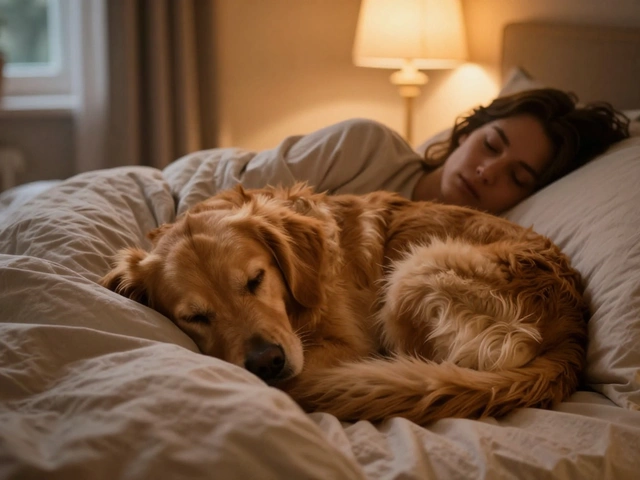
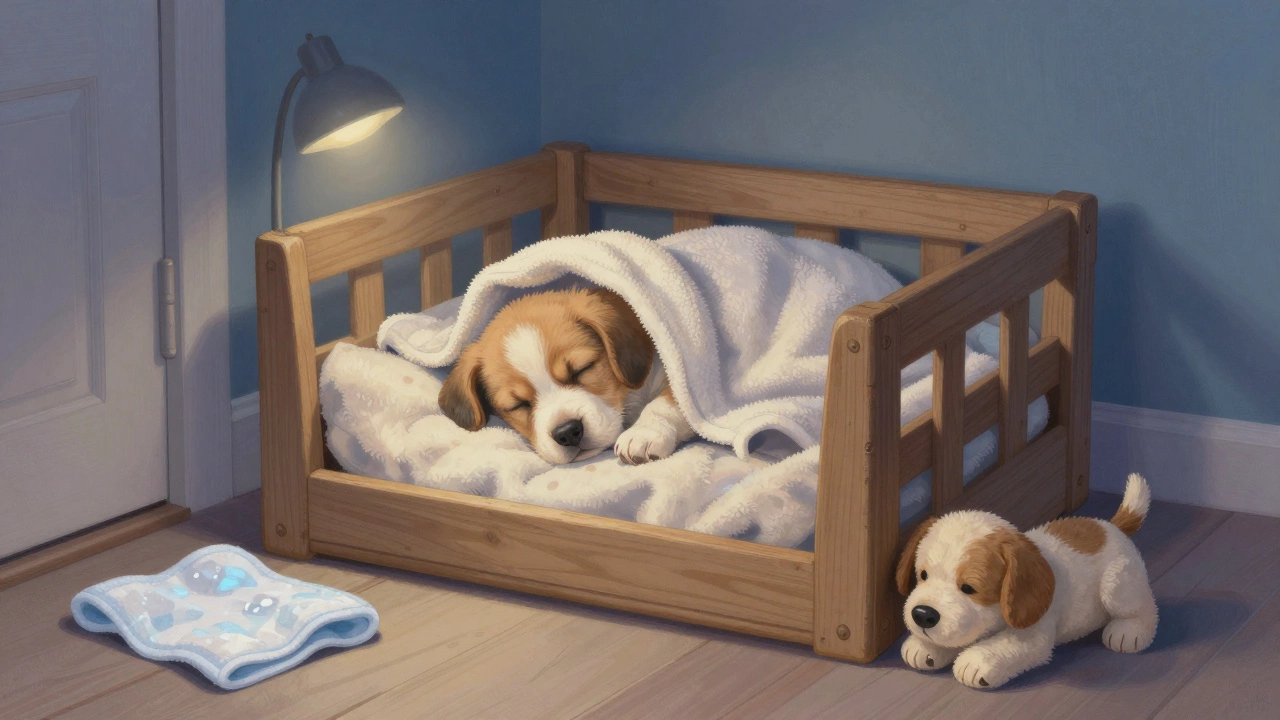
Puppies need 18-20 hours of sleep a day. That’s not a suggestion - it’s biology. Their bodies are growing bones, muscles, and immune systems. If they’re not napping, they’re over-tired. And an over-tired puppy is a chewer, a barker, and a potty accident waiting to happen.Set up a quiet, cozy crate or bed in a low-traffic area. Line it with a soft blanket. Don’t leave toys inside - too much stimulation keeps them awake. Cover the crate with a light towel to make it feel like a den. At night, keep the crate near your bedroom. They’ll cry at first. That’s normal. Don’t rush in. Wait 5-10 minutes. If they’re still crying, take them outside for a quick potty break, then put them back. No cuddling. No treats. Just quiet.
By week 3 of this routine, most puppies sleep through the night. It’s not magic - it’s consistency.
Socialization: The Hidden Key to a Calm Dog
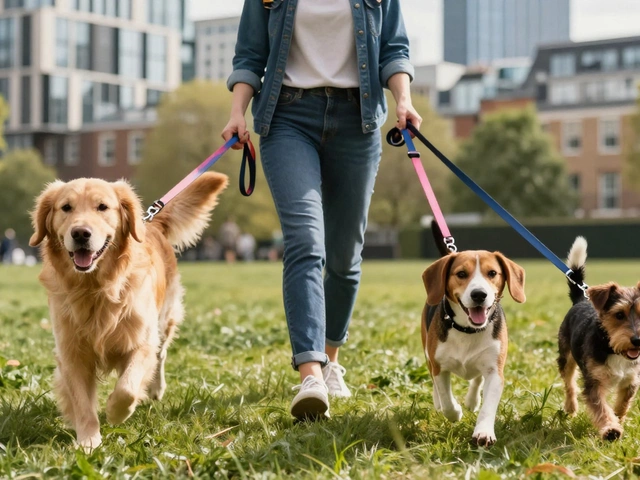
At 8 weeks, your puppy is in their critical socialization window. This is the last time they’ll accept new people, sounds, and surfaces without fear. Missing this window means a nervous, reactive dog later on.Take them to quiet parks, walk on different surfaces (grass, pavement, gravel), meet one calm adult dog at a time, and invite friends over. Let them explore at their own pace. Don’t force interactions. If they hide? Let them. Petting a scared puppy teaches them that being touched means pressure. Let them sniff first.
Play recordings of vacuum cleaners, doorbells, and thunder. Keep the volume low. Reward them with a treat when they don’t flinch. This isn’t training - it’s exposure. Think of it like teaching a child not to fear the dentist. You don’t force them in - you make the experience safe, one step at a time.
What to Avoid
Don’t use punishment. Yelling, rubbing their nose in accidents, or using shock collars doesn’t teach - it terrifies. At this age, your puppy doesn’t understand cause and effect. They only learn that you’re scary.Don’t leave them alone for more than 2 hours. Even if they’re sleeping, a puppy this young needs human presence. If you work full-time, arrange for a trusted neighbor or dog sitter to check in midday.
Don’t let kids run around with them. Puppies are fragile. A rough hug or sudden grab can hurt their spine or teach them that kids are unpredictable. Always supervise.
When Things Go Wrong
If your puppy is still having accidents after 3 weeks of a strict routine, check for a UTI. It’s common. Take them to the vet - don’t assume it’s bad behavior.If they’re chewing everything - shoes, wires, furniture - they’re likely bored or teething. Provide frozen washcloths (wring them out and freeze them) to soothe gums. Rotate toys every few days. Keep one special toy only for quiet time.
If they bark nonstop at night, it’s not spite. It’s loneliness. Try a white noise machine or a warm water bottle wrapped in a towel (like a surrogate mother). But don’t bring them into your bed. That creates a habit you’ll regret later.
What to Expect by Week 8
By the end of 8 weeks, if you’ve stuck to this routine:- They’ll go outside to potty 90% of the time
- They’ll nap on cue, without resistance
- They’ll stop biting hands when you say “Ouch”
- They’ll sit quietly for 5 seconds when you ask
- They’ll recognize their name and turn to you
That’s not perfection. But it’s progress. And progress is what turns a wild, yipping ball of fur into a calm, loving companion.
How often should I take my 8-week-old puppy outside to pee?
Take them out every 2 hours, plus right after meals, naps, and playtime. That’s usually 6-8 times a day. Their bladder is still small - they can’t hold it longer than 2-3 hours, even at night. Consistency is key. If you wait too long, they’ll learn to go inside.
Can I leave my 8-week-old puppy alone while I work?
No, not for more than 2 hours. At this age, they need human interaction, potty breaks, and supervision. If you work full-time, hire a dog walker or ask a neighbor to check in midday. Leaving them alone too long leads to anxiety, accidents, and destructive chewing.
What toys are safe for an 8-week-old puppy?
Soft plush toys, rubber chew toys designed for puppies, and frozen washcloths are ideal. Avoid hard plastic bones, rawhide, or toys with small parts. A stuffed puppy or a Kong filled with frozen kibble keeps them calm and focused. Rotate toys every few days to keep them interested.
Should I crate train my 8-week-old puppy?
Yes - but make it positive. Use the crate as a safe space, not a punishment. Line it with a soft blanket, leave it near your bed at night, and feed meals inside. Never force them in. Let them explore it on their own. With time, they’ll see it as their den - not a jail.
My puppy won’t stop biting. What do I do?
Say “Ouch!” in a firm voice and walk away. No eye contact. No yelling. Just silence. This teaches them biting ends play. Offer a toy instead. If they bite your hand again, repeat. Most puppies learn within a few days. Also, give them frozen washcloths to chew - it soothes teething pain and redirects the urge.
By now, you’ve got a clear picture: routine isn’t about control - it’s about communication. Your puppy doesn’t understand words yet, but they understand patterns. They learn from repetition, calmness, and consistency. Stick to this schedule, and by 16 weeks, you won’t believe how far they’ve come.