Dog Collar Safety Calculator
Personalized Collar Safety Assessment
This tool helps you determine whether your dog should wear a collar overnight based on their specific situation. Select the most accurate answers for your dog.
Results
Many dog owners wonder if they should take off their dog’s collar at night. It seems like a simple question, but the answer isn’t one-size-fits-all. Your dog’s collar isn’t just a place to hang tags-it’s part of their identity, safety, and sometimes even their comfort. But leaving it on all night might cause more harm than good in some cases. So, should you remove it? Let’s break down the real risks, benefits, and what experts actually recommend.
Why Dogs Wear Collars in the First Place
Dogs wear collars for practical reasons: identification, leash attachment, and sometimes medical alerts. If your dog has a tag with your phone number, it’s their best chance of getting home if they slip out the door or bolt during a thunderstorm. A collar with a microchip registration tag adds another layer of safety. In the UK, it’s legally required for dogs to wear a collar with the owner’s name and address when in public places. But that rule doesn’t say anything about nighttime.
Some collars also hold anti-flea or training devices. Others are decorative or part of a breed standard. But none of these are meant to be worn 24/7 without checking for wear, fit, or irritation.
The Risks of Leaving a Collar On All Night
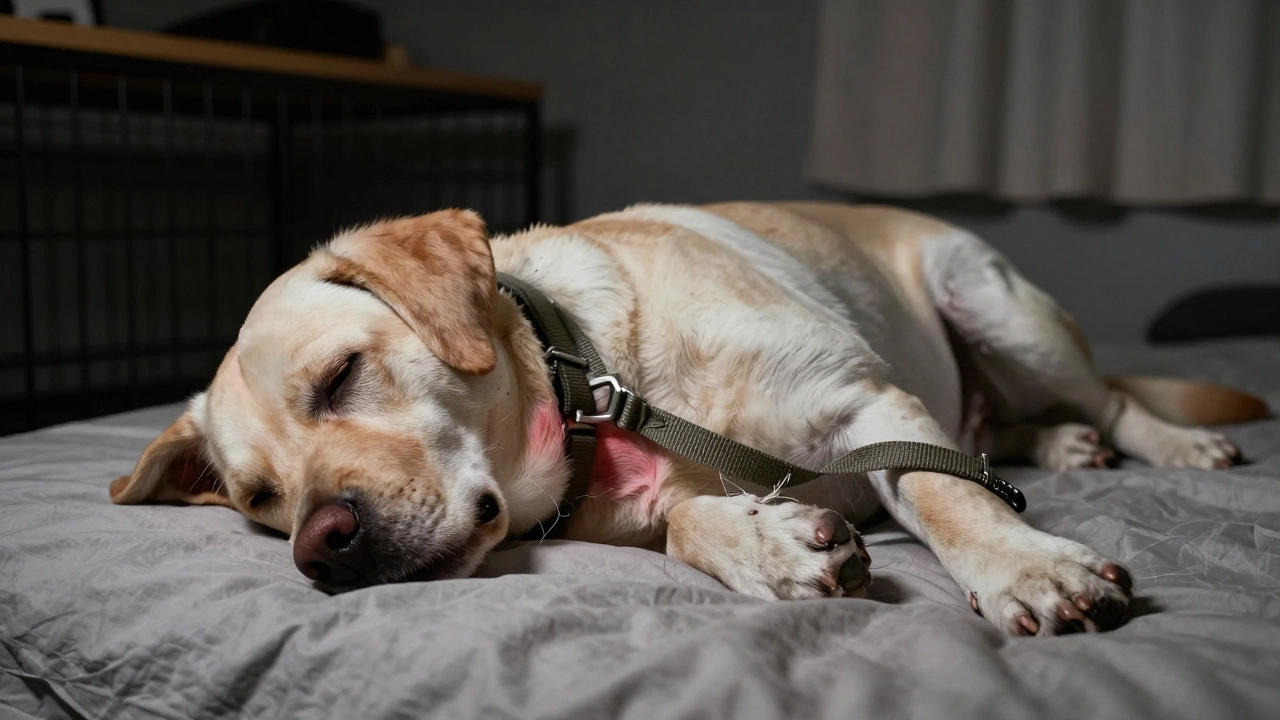
Leaving a collar on overnight isn’t harmless. Dogs don’t sleep like humans. They twitch, roll, scratch, and sometimes get tangled in bedding or furniture. A loose collar can snag on a crate bar, a blanket loop, or even their own paw. I’ve seen dogs with red, raw necks from collars that rubbed too tight while they slept. One owner in Bristol told me her Labrador developed a chronic skin infection because the collar stayed on for months without being cleaned or adjusted.
Choke collars, prong collars, or electronic collars are especially dangerous at night. Even if they’re not activated, they can tighten accidentally. A dog dreaming of chasing a rabbit might jerk its head-and suddenly, the collar digs in. That’s not just uncomfortable; it can damage the trachea or restrict blood flow.
There’s also the risk of entanglement. Dogs that sleep in crates, on elevated beds, or near curtains or toys can get their collars caught. In rare but serious cases, this has led to choking or suffocation. While these incidents are uncommon, they’re preventable.
When It’s Safe (and Smart) to Leave the Collar On
There are situations where keeping the collar on overnight makes sense. If your dog is prone to escaping-whether from your yard, during walks, or even from inside the house-then a secure, well-fitted collar with up-to-date ID tags is a lifesaver. Dogs with medical conditions like epilepsy or diabetes should always wear a collar with emergency info. Some owners use smart collars that track location or heart rate. If your dog’s collar has a GPS tracker, removing it at night means losing that safety net.
Also, if your dog sleeps in a shared space with other pets, especially cats or small animals, a collar with a tag can help you quickly identify who’s who during a midnight scuffle. And if you live in a high-risk area-near busy roads, farms with livestock, or places with wandering wildlife-keeping the collar on gives you peace of mind.
What Experts Say: Vets and Trainers Weigh In
Most UK-based vets I’ve spoken with agree: remove the collar at night unless there’s a clear safety reason not to. Dr. Helen Moore, a small animal veterinarian in Bristol, says, “We see collar-related injuries more often than people realize. A loose collar on a sleeping dog is a ticking time bomb.” She recommends checking the fit daily-two fingers should slide easily under the collar. If it’s tight enough to leave a mark after an hour, it’s too snug.
Professional dog trainers echo this. Sarah Jennings, a certified dog behaviourist in Bath, says, “Dogs need downtime. Their collars aren’t part of their natural state. If they’re not on a walk or in a situation where they could get lost, let them relax without it.” She adds that dogs who sleep without collars often show less stress in their body language-less neck tension, fewer head shakes, and deeper sleep cycles.
Alternatives to All-Night Collars
You don’t have to choose between safety and comfort. There are better options:
- Breakaway collars: These snap open under pressure. Great for indoor use or if your dog is a chewer or tangle-prone sleeper. Look for ones certified to EN 13259 standards.
- Microchips: The gold standard for permanent ID. In the UK, it’s mandatory for all dogs to be microchipped by 8 weeks old. Make sure your details are up to date with the database. A microchip doesn’t need to be worn-it’s inside your dog.
- Smart ID tags: Some tags now connect to apps via Bluetooth. You can update your contact info remotely, and they’re lightweight enough to leave on without risk.
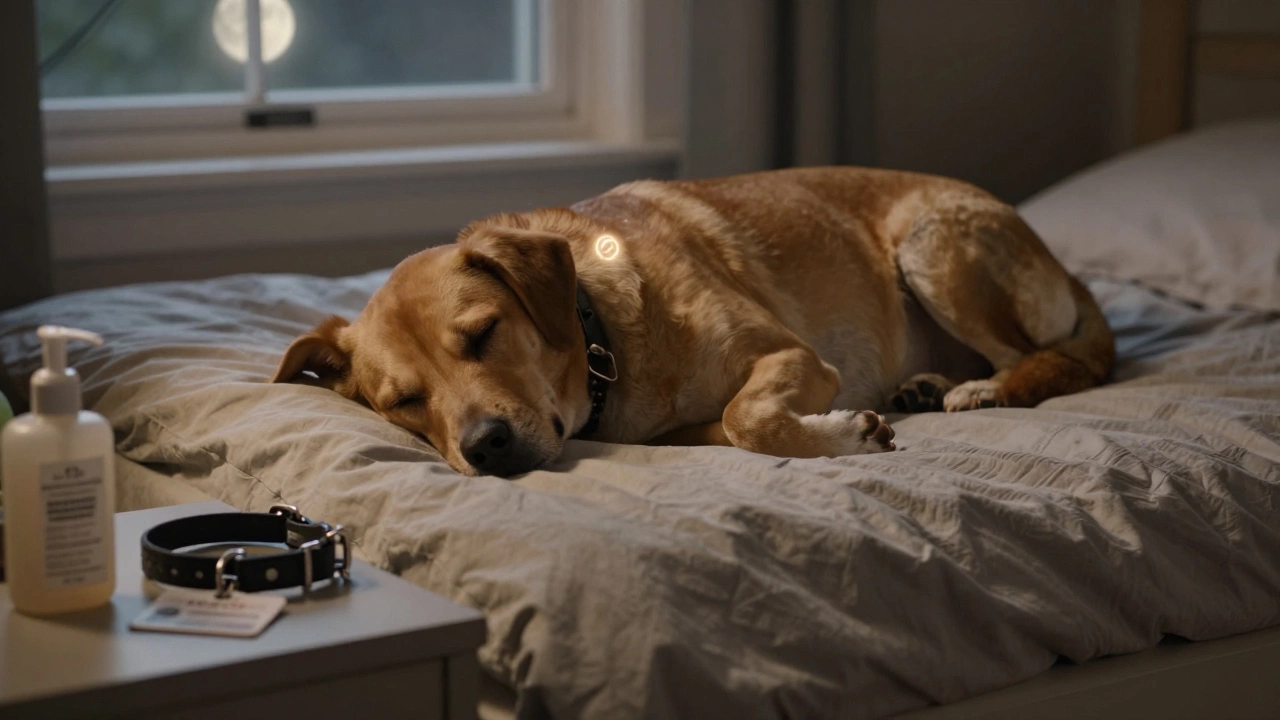
- Bedside tags: Keep a printed tag with your phone number and your dog’s name near their bed. If they get out, someone can find you quickly without needing the collar.
How to Remove and Store a Collar Properly
If you decide to take it off, do it right. Don’t just yank it over the head-unbuckle it slowly. Check the collar for fraying, loose stitching, or stuck hair. Clean it weekly with mild soap and water. Let it dry fully before putting it back on.
Store it in a dry place away from direct sunlight. Heat and moisture can weaken the material. Keep it separate from other collars to avoid tangling. If your dog has multiple collars (one for walks, one for tags), rotate them so no single collar gets worn down.

Signs Your Dog’s Collar Is Causing Problems
Watch for these red flags:
- Redness, swelling, or hair loss around the neck
- Excessive scratching or head shaking
- Refusal to wear the collar in the morning
- Wet or foul-smelling skin under the collar
- Visible marks or indentations after removal
If you see any of these, stop using the collar immediately. Visit your vet. What looks like a minor irritation could be a bacterial infection or allergic reaction to the collar material. Nylon and plastic collars are common culprits. Leather can be better-but only if it’s properly treated and cleaned.
What About Puppies or Senior Dogs?
Puppies are curious and clumsy. Their necks are still growing, and collars can rub or restrict development. For puppies under 6 months, use a lightweight, adjustable harness for walks and remove the collar at night. For senior dogs, arthritis or thinning skin makes collars more dangerous. A soft, padded collar might be okay if it’s loose and clean-but many owners switch to microchips and ID tags clipped to harnesses instead.
Final Decision: Should You Remove It?
Here’s a quick guide:
- Remove the collar at night if: Your dog sleeps safely indoors, has a microchip, doesn’t escape, and shows signs of irritation.
- Keep the collar on if: Your dog is an escape artist, lives near roads, has a medical condition, or uses a GPS tracker.
There’s no universal rule. But the safest default is: take it off unless you have a strong reason not to. Your dog’s comfort and long-term health matter more than convenience.
Try a week without the collar. Observe your dog’s sleep. Check their neck. See if they seem more relaxed. If nothing bad happens-and you’ve got a microchip-then you’ve made a smart, simple change that could prevent a serious problem down the line.
Is it cruel to take a dog's collar off at night?
No, it’s not cruel. Dogs don’t think of collars as part of their identity like humans do. They don’t feel embarrassed or unsafe without one. In fact, many dogs sleep more deeply and comfortably without a collar. Removing it at night is about reducing risk, not punishment.
Can a dog choke on its collar while sleeping?
Yes, it’s possible. If the collar is too loose, it can slip over the head. If it’s too tight or gets caught on something, it can restrict breathing. This is rare but has happened with dogs sleeping in crates or near curtains. Breakaway collars reduce this risk significantly.
Do I still need a collar if my dog is microchipped?
Yes, you still need a collar with an ID tag. Not everyone who finds a lost dog will take them to a vet to scan for a microchip. A visible tag with your phone number means someone can call you right away. Microchips are backup; tags are immediate.
What type of collar is safest for overnight wear?
If you must leave a collar on, choose a breakaway collar made of soft, breathable material like nylon or neoprene. Avoid metal, leather, or choke-style collars. Make sure it fits with two fingers under it and has no dangling tags or charms that could snag.
How often should I clean my dog’s collar?
Clean it at least once a week, especially if your dog sleeps with it on. Dirt, saliva, and skin oils build up and can cause skin irritation. Use mild soap and water, then dry it completely before putting it back on.