Dog Collar Safety Checker
Assess Your Dog's Collar Safety
Answer these questions to get personalized advice based on veterinary guidelines
Many dog owners leave collars on their pets day and night-whether it’s for identification, leash attachment, or just habit. But is that really safe? The short answer: it depends. Some dogs can wear collars 24/7 without issue. Others develop skin problems, injuries, or even behavioral stress from constant wear. The key isn’t whether a collar is necessary-it’s whether it’s the right type, the right fit, and the right situation.
Why Dogs Wear Collars All Day
Most dogs wear collars because they’re required by law. In the UK, the Control of Dogs Order 1992 states that any dog in a public place must wear a collar with the owner’s name and address. That’s why you see so many dogs with tags jingling around their necks. But beyond legal requirements, collars serve practical purposes: attaching leashes, holding ID or medical tags, and sometimes even tracking devices.Many owners assume that if the collar isn’t hurting the dog, it’s fine to leave it on. But dogs don’t tell us when something’s irritating them. They don’t say, ‘This collar’s too tight’ or ‘My neck’s been rubbing raw since Tuesday.’ They just lick their skin more, scratch at their neck, or act a little quieter than usual.
When Leaving a Collar On Is a Bad Idea
There are clear situations where constant collar wear puts your dog at risk.Choking hazards are the most obvious. If your dog’s collar gets caught on a fence, crate, toy, or even another dog’s teeth, it can tighten and restrict breathing. This isn’t rare. The RSPCA gets dozens of calls each year about dogs found with collars tangled in bushes or stuck in play equipment. Even a well-fitted collar can become dangerous in a moment of panic.
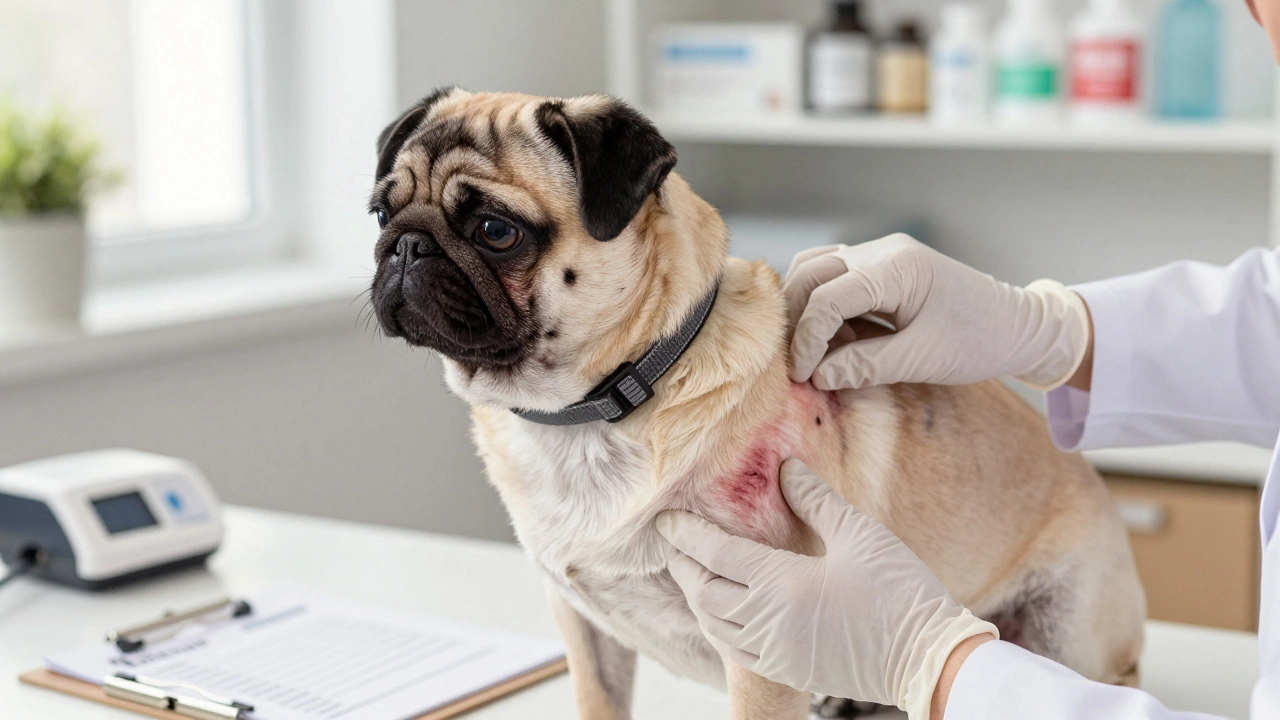
Skin irritation is more common than you think. Constant friction from a collar-especially if it’s made of synthetic materials or has metal hardware-can cause redness, hair loss, or even open sores. Dogs with thin coats or sensitive skin (like Greyhounds, Whippets, or Bulldogs) are especially vulnerable. One 2023 veterinary survey of 1,200 dogs found that 18% of dogs wearing collars 24/7 showed signs of neck dermatitis, compared to just 3% of dogs that only wore collars during walks.
Neck pressure from tight collars can also affect the trachea and thyroid gland. Over time, this can lead to coughing, hoarseness, or even hypothyroidism in rare cases. Collars that are too tight or worn constantly can compress the carotid arteries, reducing blood flow to the brain. That’s why many vets recommend harnesses for dogs that pull on leash-they take the pressure off the neck entirely.
When It’s Okay to Leave a Collar On
That doesn’t mean you should never leave a collar on. For some dogs, it’s perfectly safe-if done right.Breakaway collars are the gold standard for indoor or unsupervised wear. These collars have a safety clasp that releases under pressure, preventing choking. If your dog is in a fenced yard, at home, or sleeping in a crate, a breakaway collar with ID tags is a smart choice. They’re designed to let go before harm happens.
Proper fit matters more than you think. You should be able to slip two fingers snugly under the collar. Not loose enough to slide over the head, not tight enough to leave a mark. Check the fit every few weeks-puppies grow fast, and adult dogs gain or lose weight. A collar that fit last month might be too tight now.
Medical ID is another reason to keep a collar on. If your dog has epilepsy, diabetes, or a severe allergy, a collar with clear medical tags can save their life. In an emergency, a stranger or paramedic needs to know instantly. For these dogs, a breakaway collar with a durable, waterproof tag is non-negotiable.
Alternatives to Traditional Collars
If you’re worried about constant collar wear, there are better options.Microchips are the most reliable form of permanent ID. A tiny chip, about the size of a grain of rice, is inserted under the skin between the shoulder blades. It holds your contact info and can be scanned at any vet clinic or shelter. In the UK, microchipping is mandatory for all dogs over eight weeks old. But a microchip doesn’t replace a collar-it complements it. If your dog gets lost, someone might not have a scanner handy. A collar with a tag is still the fastest way to reunite you with your pet.
Harnesses with ID tags are another option. Some harnesses now come with built-in D-rings for attaching tags. You can remove the collar entirely and still have ID attached where it’s safer-on the chest instead of the neck. This is especially good for dogs with tracheal collapse, brachycephalic breeds, or those recovering from neck surgery.
Smart collars like Fi or Tractive track your dog’s location and activity. But they’re bulky, often heavy, and not meant for constant wear. Most manufacturers recommend taking them off during sleep or bath time. Don’t assume a tech collar is safer-it’s just another collar, with extra features.
What to Look for in a Safe Dog Collar
Not all collars are created equal. Here’s what to choose:- Material: Nylon or leather. Avoid plastic, rubber, or cheap polyester-they trap moisture and cause irritation.
- Hardware: Stainless steel or nickel-plated. Avoid brass or zinc alloy, which can corrode and stain skin.
- Clasp: Breakaway or quick-release. No buckles that require two hands to open.
- Width: 1-1.5 inches for medium to large dogs. Too wide can be uncomfortable; too narrow can cut into skin.
- Weight: Keep it light. A collar with five heavy tags is worse than one with two lightweight tags.
Wash collars weekly with mild soap. Dirt, saliva, and sweat build up and cause bacterial growth. A dirty collar is a health hazard.

When to Take the Collar Off
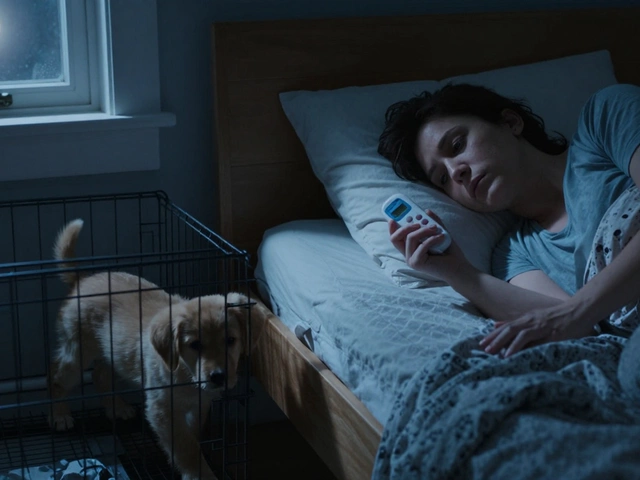
You don’t need to be perfect. But here are clear times to remove it:- During sleep-especially if your dog sleeps in a crate or with other pets
- During bath time-wet collars can cause fungal infections
- During playtime with other dogs-collars can get tangled in roughhousing
- After a long walk-give the neck a 15-minute break
- If you notice redness, hair loss, or your dog keeps scratching at the neck
Some owners take collars off at night and put them back on in the morning. That’s a good routine. Others leave them on but switch to a breakaway collar for indoor use. There’s no one-size-fits-all answer-but there is a smart, safe middle ground.
What Vets Say
Dr. Eleanor Finch, a veterinary dermatologist in Bristol, sees about 20 cases a month of collar-related skin damage. She says: "Most owners don’t realize how much pressure a collar puts on the neck. We’ve seen dogs with deep neck sores from collars that looked fine to their owners. If your dog has no medical need for constant ID, consider removing the collar at night. Let the skin breathe. It’s not just about comfort-it’s about preventing long-term damage."She also recommends checking the collar fit every time you groom your dog. That’s a simple habit that catches problems early.
Final Rule: Think Like Your Dog
Ask yourself: If I wore a collar 24 hours a day, seven days a week, would I be comfortable? Would I feel itchy? Would I get tired of the weight? Would I panic if it got stuck?Most dogs don’t mind their collars. But they don’t need them on all the time. You don’t need to leave it on for convenience. You need to leave it on only when it’s truly necessary-and always, always make sure it’s the right fit, the right type, and the right situation.
There’s no shame in taking it off. In fact, doing so might just give your dog the comfort they never asked for-but desperately need.
Is it safe for dogs to wear collars while sleeping?
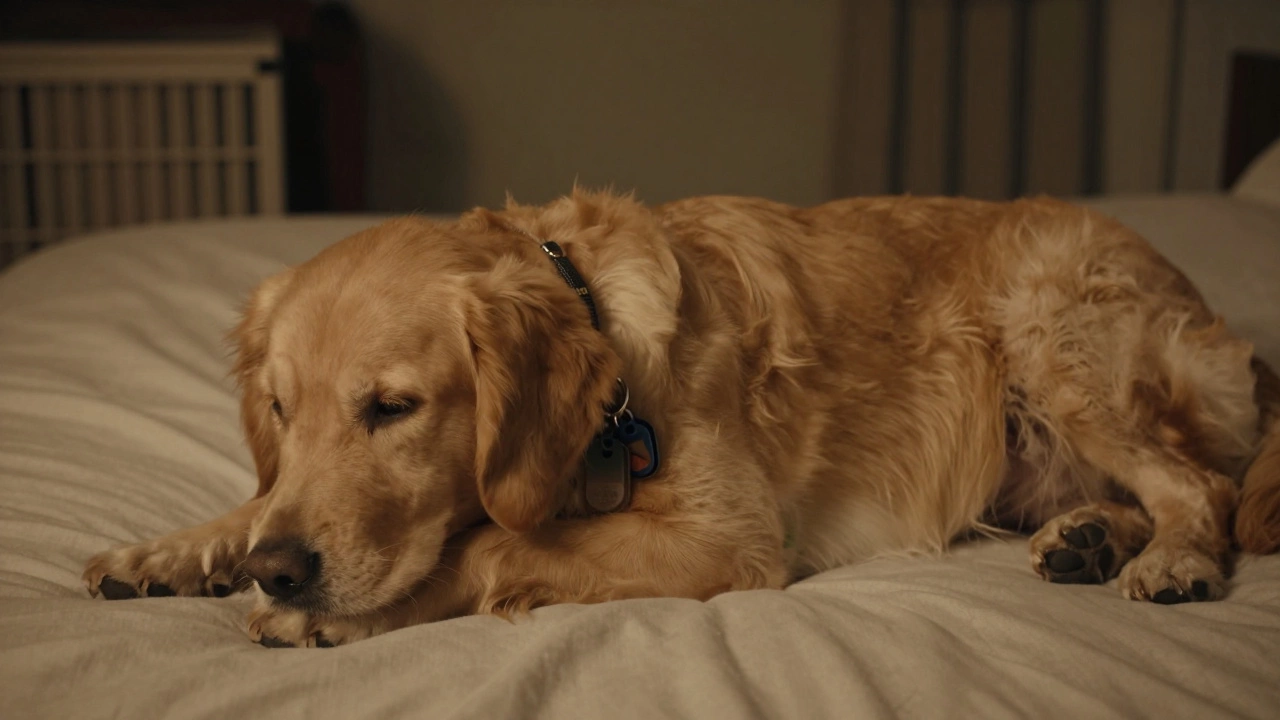
It’s not recommended. Collars can get caught on crate bars, bedding, or another dog’s teeth during sleep. Even a breakaway collar isn’t foolproof in the dark. If your dog needs ID on at all times, use a microchip and a breakaway collar only when outside or in public. At night, remove the collar to prevent choking risks and let the skin breathe.
Can a collar cause neck damage in dogs?
Yes. Constant pressure from a tight collar can lead to tracheal collapse, especially in small or brachycephalic breeds like Pugs or Shih Tzus. It can also cause skin ulcers, hair loss, and thyroid irritation. A 2023 study published in the Journal of Small Animal Practice found that dogs wearing collars 24/7 were 5.7 times more likely to develop neck skin lesions than dogs that wore collars only during walks.
Should I use a harness instead of a collar?
For walking, yes-especially if your dog pulls. Harnesses distribute pressure across the chest and shoulders, not the neck. For identification, you can attach tags to a harness with a D-ring. But a harness doesn’t replace a collar for legal ID requirements in public places. The best solution? Use a harness for walks and a breakaway collar with tags for indoor or outdoor time.
Do dogs need collars if they’re microchipped?
Yes. Microchips are vital, but they’re useless if no one scans your dog. A collar with a tag is the fastest way for a stranger, neighbor, or passerby to identify your dog and contact you. In the UK, it’s still legally required for dogs in public to wear a collar with the owner’s name and address. Microchipping doesn’t replace that requirement-it supports it.
How often should I check my dog’s collar fit?
Check it every time you groom your dog-that’s usually once a week or every two weeks. Puppies grow fast, and adult dogs gain or lose weight. A collar that was perfect last month might now be too tight. You should be able to slide two fingers easily under the collar without forcing it. If you can’t, it’s time to adjust or replace it.
Are smart collars safe for 24/7 wear?
No. Most smart collars are designed for daytime use only. They’re heavier, bulkier, and often contain electronics that can overheat or irritate the skin. Manufacturers like Fi and Tractive recommend removing them during sleep, bathing, or extended indoor time. Don’t assume technology makes a collar safer-it just adds weight and complexity.