
Dog Collar Safety Risk Calculator
Assess Your Dog's Profile
Safety Assessment Result
Complete the form
Select your dog's characteristics and click calculate to see their collar safety risk level.
It’s a Tuesday morning in Bristol, and I’m watching my neighbor walk his Golden Retriever. The dog is dragging its lead, head down, collar digging slightly into the fur at the base of the neck. It looks uncomfortable. This scene plays out on streets across the UK every day. We assume that because we wear watches or necklaces, our dogs should wear collars too. But is it actually safe for your dog to wear a collar 24 hours a day?
The short answer is: it depends on the collar, the dog, and how you use it. For many dogs, wearing a collar constantly is harmless if fitted correctly. For others, it can lead to serious injury, skin infections, or behavioral issues. Let’s break down the real risks so you can decide what’s best for your pup.
The Hidden Dangers of Constant Collar Wear
We often think of collars as simple accessories, but they are mechanical devices that apply pressure to a sensitive area. When worn all the time, several problems can arise.
Tracheal Damage: If your dog pulls on the lead while wearing a standard flat collar, the force goes directly to the trachea (windpipe). Over time, this can cause collapsed tracheas, especially in small breeds like Pugs, Chihuahuas, and Yorkshire Terriers. Even without pulling, constant friction from a loose collar can irritate the throat.
Skin Irritation and Hot Spots: Moisture, dirt, and saliva get trapped under a collar. If your dog gets wet from rain or swimming and doesn’t dry off properly, bacteria thrive. This leads to hot spots-painful, inflamed patches of skin that itch intensely. You might notice redness, hair loss, or a foul smell around the neck area.
Choking Hazards: Collars can snag on fences, tree branches, or even other dogs’ teeth. A quick jerk can tighten the collar instantly. In severe cases, this causes strangulation or fractures to the neck vertebrae. This risk increases with chain collars or those with large buckles.
Behavioral Stress: Some dogs develop anxiety when wearing a collar. They may paw at it constantly, refuse to eat, or become lethargic. This isn’t just fussiness; it’s a sign that the collar feels restrictive or painful.
When Is It Okay to Leave a Collar On?
Not all collar wear is bad. There are specific scenarios where keeping a collar on makes sense.
- Identification: A collar with an ID tag is crucial if your dog escapes. Microchips are great, but they require scanning. An ID tag provides immediate contact info.
- Training Sessions: During walks or obedience training, a well-fitted collar helps guide behavior. Just ensure it’s removed afterward.
- Short-Term Use: If your dog is indoors and supervised, leaving a lightweight nylon collar on for a few hours is usually fine, provided it fits loosely.
However, “all the time” includes sleeping, playing alone, and resting. These are times when removal is safer.
Harnesses vs. Collars: Which Is Safer?
If you’re worried about neck strain, consider switching to a harness. Here’s how they compare:
| Feature | Standard Flat Collar | No-Pull Harness |
|---|---|---|
| Pressure Point | Neck/Throat | Chest/Shoulders |
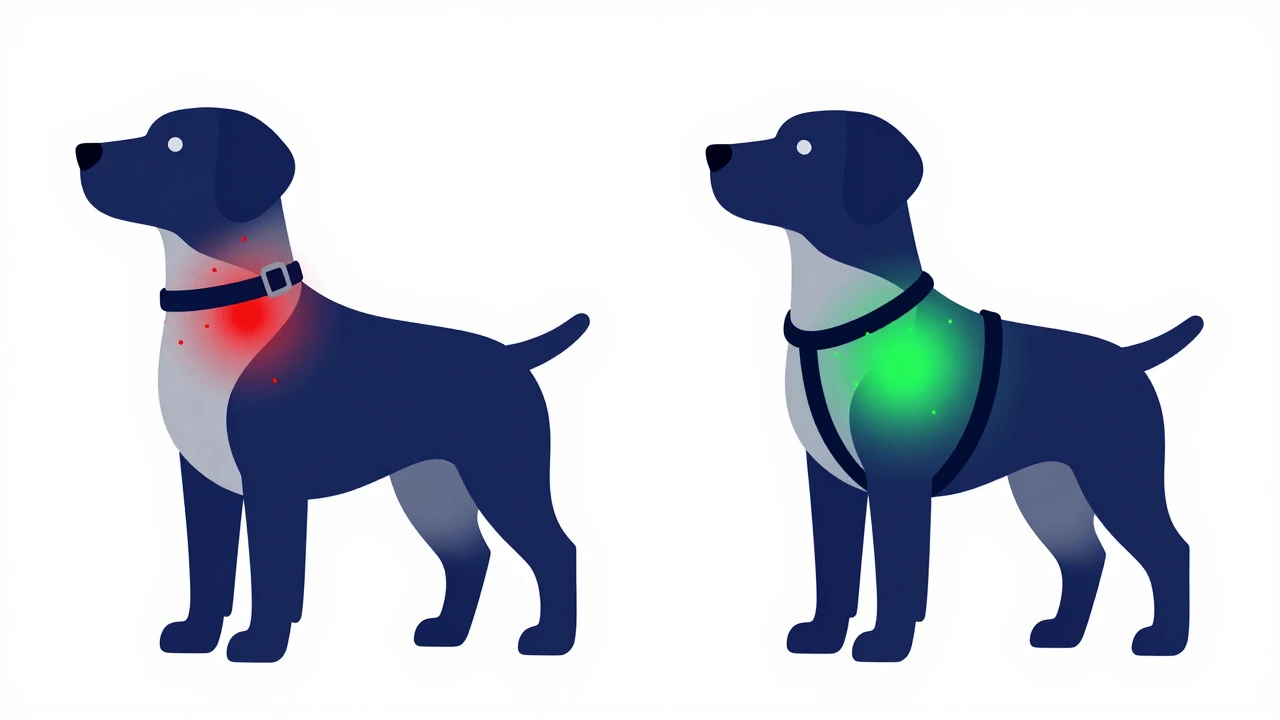
| Risk of Tracheal Injury | High (if pulling) | Very Low |
| Comfort for Long Walks | Moderate | High |
| Snagging Risk | Moderate | Low (if designed well) |
| Best For | ID tags, calm dogs | Pulling dogs, small breeds |
Harnesses distribute force across the chest, protecting the neck. They’re ideal for dogs who pull, have respiratory issues, or are prone to slipping out of collars. However, some dogs find harnesses restrictive initially. Training them to accept a harness takes patience.
How to Check If Your Dog’s Collar Fits Correctly
A poorly fitted collar is worse than no collar. Follow these steps:
- The Two-Finger Rule: Slide two fingers between the collar and your dog’s neck. If you can’t fit them, it’s too tight. If more than two fingers fit easily, it’s too loose.
- Check for Redness: Look for marks, bald spots, or scabs after removing the collar. These indicate friction or pressure points.
- Observe Behavior: Does your dog shake its head violently? Paw at the neck? Avoid eating? These are signs of discomfort.
- Test the Buckle: Ensure the buckle clicks securely but doesn’t pinch skin. Plastic buckles can crack over time; metal ones are durable but heavier.
Adjust the collar regularly. Puppies grow quickly, and adult dogs gain or lose weight. A collar that fit last month might be choking now.
Alternatives to Traditional Collars
If you want to minimize risks, explore these options:
- Breakaway Collars: Designed to snap open under pressure. Great for indoor use or cats, but less reliable for outdoor adventures.
- GPS Trackers: Attachable to harnesses or collars. Provide location data without needing a physical tag. Useful for escape artists.
- Tattooing: Old-school but effective. Place a phone number inside the ear or leg. Not visible to humans, but readable by vets.
- Microchipping: Mandatory in the UK. Works globally. Combine with a collar for dual protection.
You don’t need to choose one method exclusively. Layering safety measures-like a microchip plus a breakaway collar with ID-is smart.
Special Cases: Breeds and Conditions That Need Extra Care
Some dogs are more vulnerable to collar-related issues:
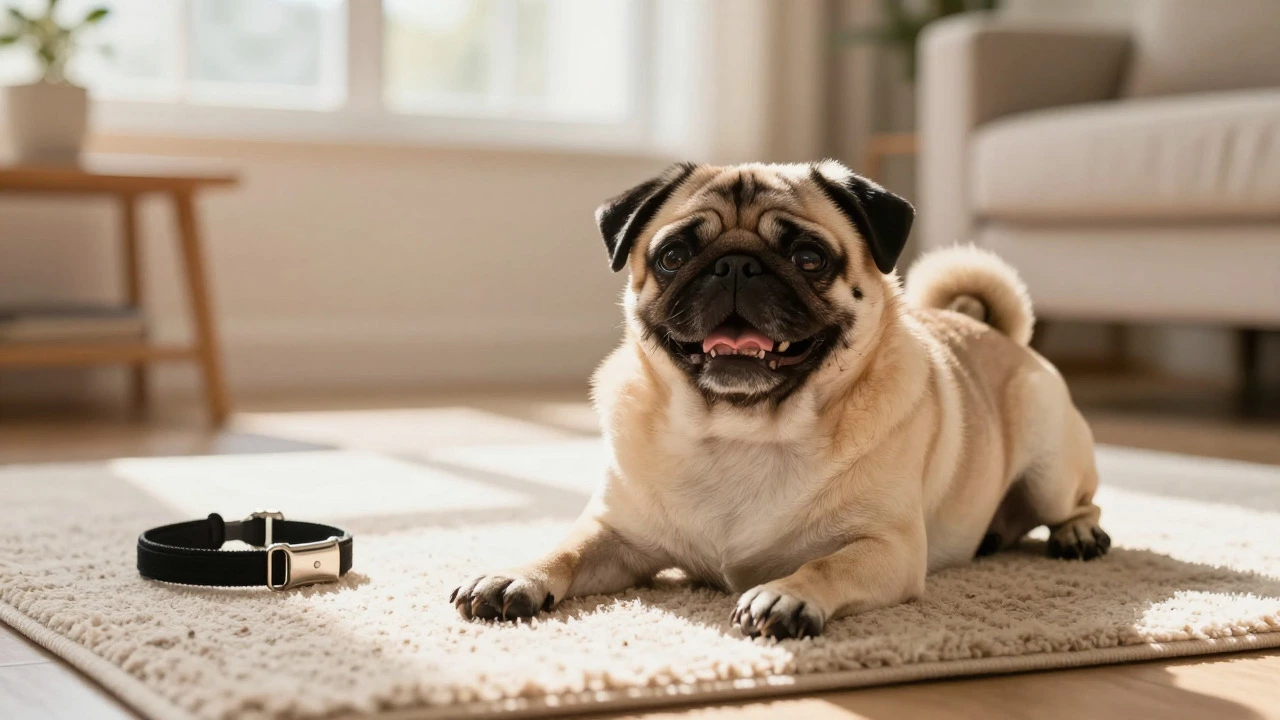
- Brachycephalic Breeds: Bulldogs, Pugs, and Boxers have short snouts and narrow airways. Any pressure on the neck can worsen breathing difficulties. Use a harness instead.
- Dogs with Thyroid Issues: Pressure on the thyroid gland (located in the neck) can disrupt hormone production. Consult your vet before using any neck gear.
- Senior Dogs: Older dogs have thinner skin and weaker muscles. Collars can cause bruising or pain. Opt for soft, padded materials.
- Hyperactive Puppies: They jump, climb, and snag things everywhere. A breakaway collar prevents accidents during play.
If your dog falls into any of these categories, talk to your veterinarian. They may recommend specific brands or styles tailored to your dog’s needs.
Practical Tips for Daily Collar Management
Here’s how to balance safety and convenience:
- Remove Before Bed: Let your dog sleep collar-free. It reduces nighttime irritation and gives the skin a chance to breathe.
- Clean Regularly: Wipe the collar with a damp cloth weekly. Wash fabric collars monthly to remove bacteria and odors.
- Rotate Styles: Alternate between a flat collar for walks and a breakaway collar for home. This prevents constant pressure on the same spot.
- Monitor Weather: In humid climates, moisture builds up faster. Dry your dog thoroughly after baths or rain, including under the collar.
- Inspect Weekly: Check for fraying straps, cracked buckles, or rusted hardware. Replace damaged collars immediately.
Small habits make a big difference. Think of collar care like brushing your teeth-it’s routine, but essential for long-term health.
Can I leave my dog's collar on while sleeping?
It’s generally better to remove the collar at night. Sleeping with a collar can cause skin irritation, restrict movement, or pose a choking hazard if the dog rolls onto it. Breakaway collars are safer for overnight wear, but removal is still recommended for most dogs.
What type of collar is safest for puppies?
A lightweight, adjustable nylon collar with a breakaway buckle is ideal for puppies. It grows with them and releases if caught on objects. Avoid heavy leather or metal chains until the puppy is older and trained.
Do collars hurt dogs' necks?
Yes, if ill-fitted or used incorrectly. Pulling on a lead attached to a collar puts direct pressure on the trachea and spine. This can lead to chronic pain, coughing, or even nerve damage. Using a harness for walks reduces this risk significantly.
How do I know if my dog hates their collar?
Signs include excessive scratching, shaking the head, refusing to wear it, or acting anxious when you pick it up. If your dog shows these behaviors, try a different material, adjust the fit, or switch to a harness temporarily.
Is it okay to use a prong collar daily?
No. Prong collars are training tools meant for short sessions under professional guidance. Daily use can cause physical pain, fear, and aggression. Most modern trainers recommend positive reinforcement methods with harnesses instead.