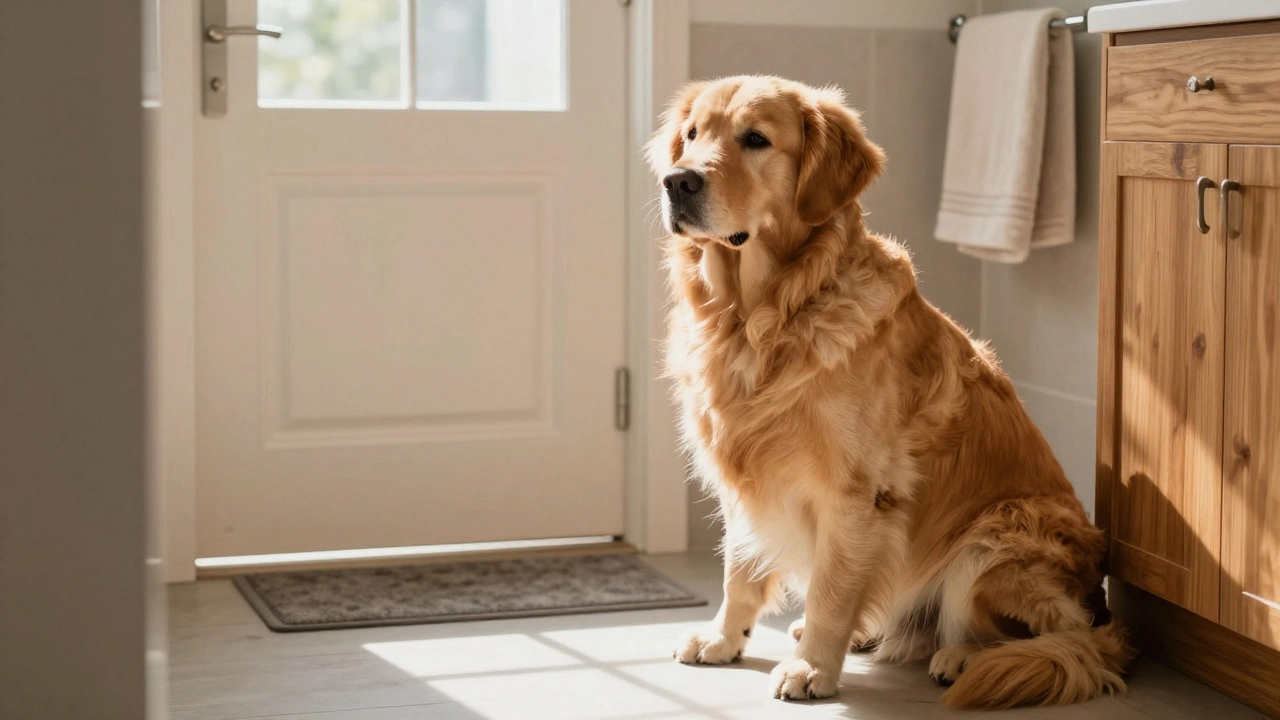
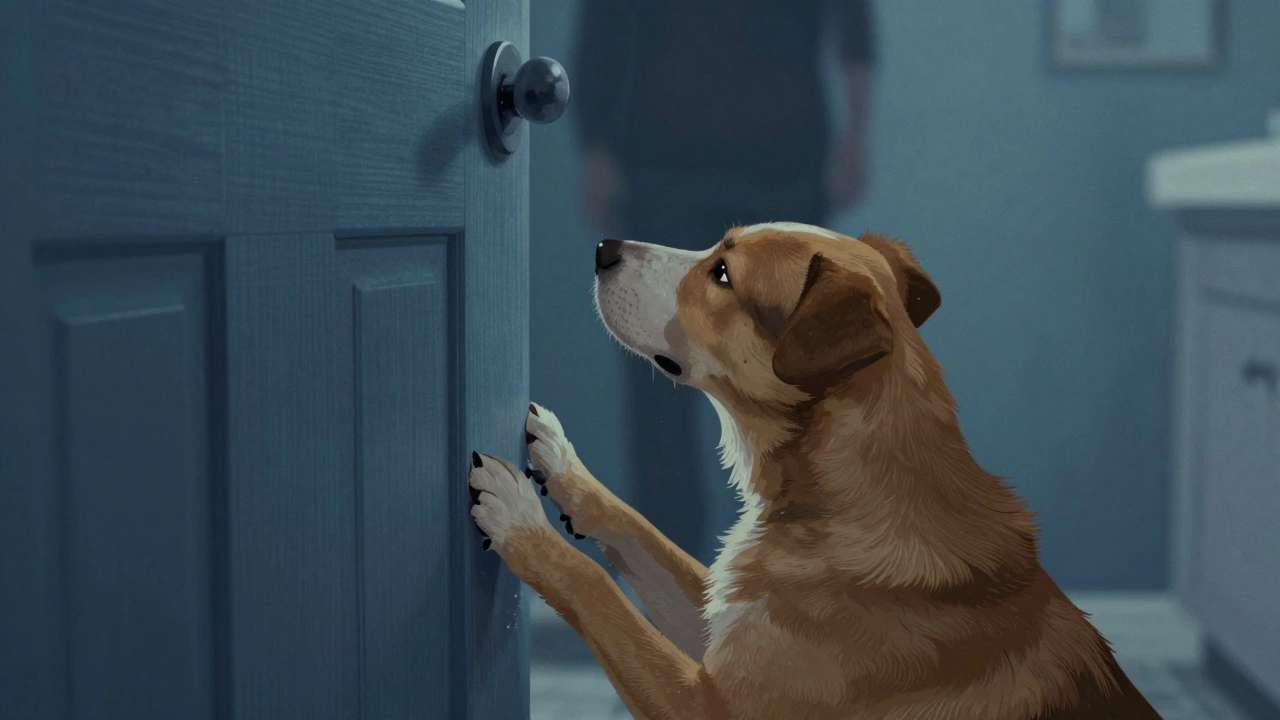
Ever walked into the bathroom and found your dog waiting right outside the door? Or worse-watching you from the edge of the tub like it’s part of your daily routine? You’re not alone. Millions of dog owners wonder why their dogs follow them everywhere, even to the toilet. It’s not just about needing to go out. It’s deeper than that. And it’s not always about love.
It’s Not About the Bathroom-It’s About You
Dogs don’t care about your privacy. They care about your presence. To them, you’re the center of their world. When you move from room to room, your dog follows because your movement signals safety, routine, and connection. Dogs evolved as pack animals. In the wild, staying close to the leader meant survival. Your dog isn’t being weird-it’s acting on a 15,000-year-old instinct.
Studies show that dogs form strong attachment bonds with their owners, similar to how human babies bond with caregivers. A 2019 study from the University of Veterinary Medicine in Vienna found that dogs showed higher levels of oxytocin-the bonding hormone-when interacting with their owners than with strangers. That’s why your dog sits right beside you while you pee. It’s not about the toilet. It’s about you.
Separation Anxiety Is a Common Culprit
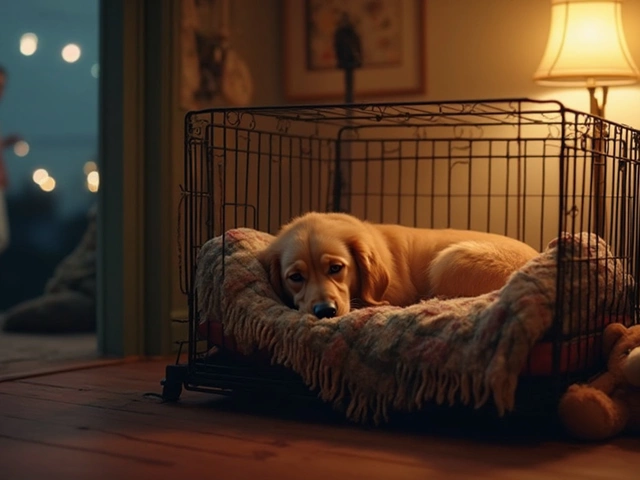
But sometimes, this behavior goes beyond attachment. It becomes distress. If your dog whines, scratches at the door, or panics when you close it-even for a minute-you might be dealing with separation anxiety. This isn’t just clinginess. It’s a stress response.
Signs include:
- Excessive barking or howling when left alone
- Pacing, drooling, or chewing on furniture
- Accidents in the house despite being house-trained
- Overexcitement when you return
Separation anxiety affects up to 20% of dogs, according to the American Veterinary Medical Association. And it’s often worsened by inconsistent routines, sudden changes in schedule, or lack of mental stimulation. Dogs that were rescued, rehomed, or spent long periods in shelters are especially prone.
How Dog Health Supplements Can Help
While training and behavior modification are the foundation for fixing separation anxiety, many owners turn to dog health supplements to support calmness and emotional balance. Not all supplements work the same way, and not all are backed by science.
Three ingredients have shown real results in clinical trials:
- L-theanine - An amino acid found in green tea. It increases alpha brain waves, promoting relaxation without drowsiness. A 2021 study in the Journal of Veterinary Behavior found dogs given L-theanine showed 37% less anxiety during thunderstorms and vet visits.
- Chamomile extract - A natural sedative. It’s gentle, non-addictive, and works well for mild anxiety. Look for supplements with standardized chamomile extract, not just dried herb.
- Phosphatidylserine - A compound that helps regulate cortisol, the stress hormone. Dogs with high cortisol levels are more reactive and fearful. Supplementing with phosphatidylserine can reduce stress responses within 2-4 weeks.
Always choose supplements labeled as “veterinary-formulated” and avoid products with fillers like corn syrup or artificial colors. Brands like Adaptil and Zesty Paws Calming Bites have third-party testing and clear dosing guidelines based on weight.
What Doesn’t Work (And Why)
Many owners try punishment, yelling, or leaving the dog outside the bathroom. These don’t fix the root problem-they make it worse. Dogs don’t understand shame. They only learn that being near you leads to being shut out. That increases their anxiety.
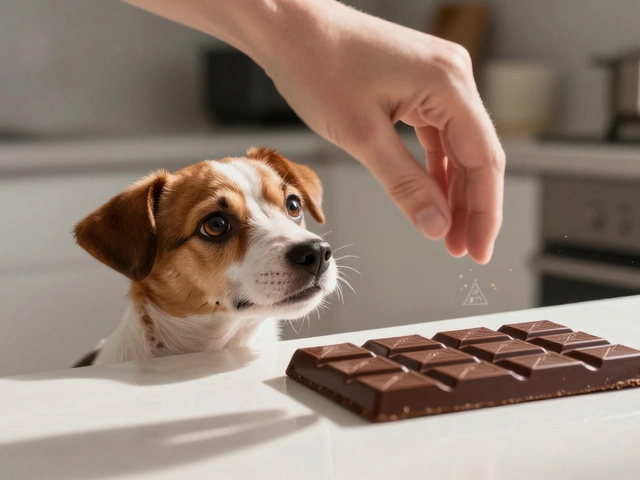
Same goes for over-the-counter human supplements. Melatonin, for example, is sometimes used for sleep in dogs, but it’s not safe without vet guidance. Some human calming products contain xylitol, which is deadly to dogs. Always check with your vet before giving anything new.
How to Break the Cycle
Supplements help, but they’re not magic. You need to retrain your dog’s expectations. Start with small steps:
- Practice short absences. Go into the bathroom, close the door for 10 seconds, then come out. Reward calm behavior.
- Gradually increase time. Work up to 2 minutes, then 5, then 10. Don’t rush it.
- Give a puzzle toy or stuffed Kong before you go. It distracts and occupies your dog.
- Don’t make a big deal when you leave or return. Calm exits and entrances reduce emotional triggers.
Consistency matters more than speed. It can take 3-6 weeks to see real change. If your dog’s anxiety is severe-barking for hours, destroying things-consult a certified dog behaviorist. They can create a customized plan.

Is This Normal? When to Worry
Following you to the bathroom is normal if your dog is relaxed, doesn’t panic, and waits quietly. It becomes a problem if:
- They break things trying to get in
- They urinate or defecate out of stress
- They seem physically tense-panting, trembling, tucked tail
These are signs your dog is in distress, not just being affectionate. And untreated anxiety can lead to chronic health issues: weakened immune system, digestive problems, even heart strain from constant stress.
That’s why dog health supplements aren’t just a quick fix-they’re part of a long-term wellness strategy. Think of them like a multivitamin for your dog’s emotional health.
What Else Can You Do?
Supplements work best when paired with daily structure:
- Feed at the same times every day
- Walk your dog before you leave for work
- Use background noise-TV or calming music-to mask silence
- Rotate toys weekly to keep things interesting
Also, consider a dog camera with two-way audio. Some owners use it to talk to their dog during the day. It helps the dog know you’re still nearby-even if you’re not in the room.
Final Thought: It’s Not Just a Quirk. It’s a Signal.
Your dog following you to the toilet isn’t annoying. It’s a message. It’s saying, ‘I trust you. I need you. I’m scared when you’re gone.’
Addressing this behavior isn’t about stopping your dog from being close. It’s about helping them feel safe when they’re alone. With the right supplements, routine, and patience, your dog can learn to relax-even when you’re behind a closed door.