
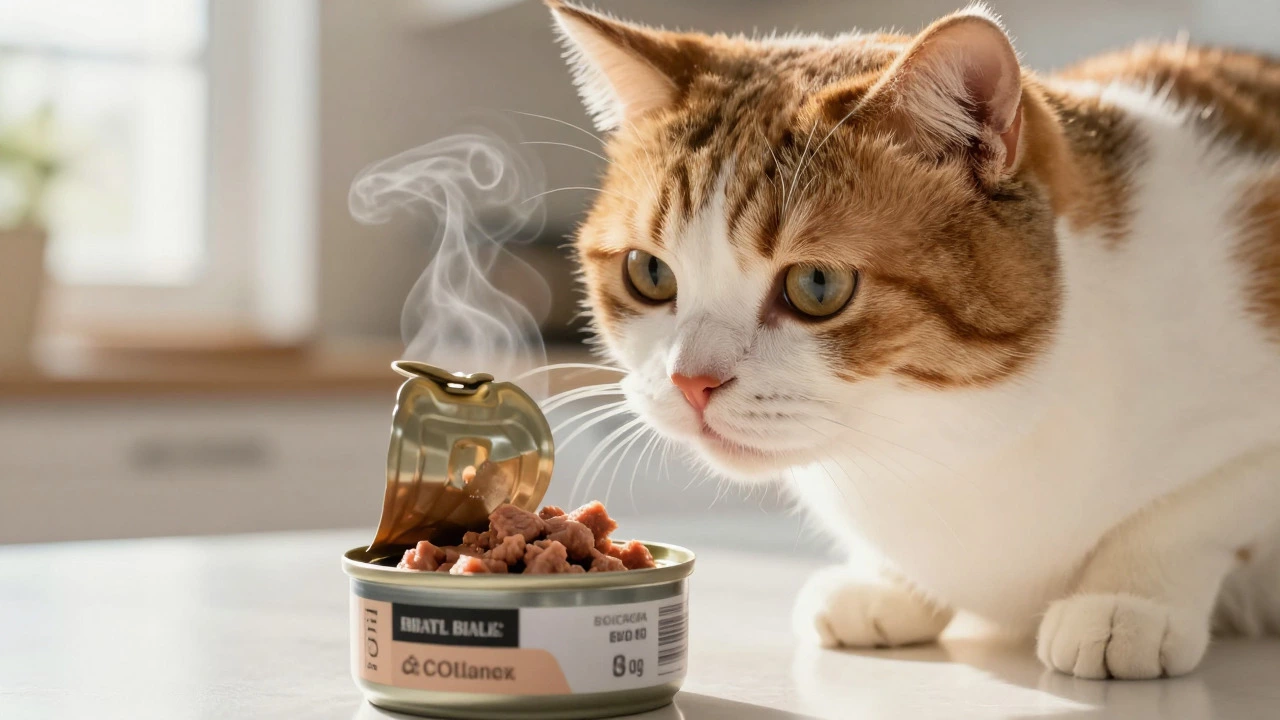
Cat Food Health & Hydration Calculator
Walk down any pet aisle in a UK supermarket or visit a specialist pet shop, and you are hit with a wall of colorful bags. From "wild-caught salmon" to "grain-free chicken," the marketing claims are overwhelming. You want the best for your feline friend, but how do you separate genuine nutrition from clever packaging? The short answer is that the healthiest store-bought cat food isn't defined by a brand name alone, but by its ingredient quality, moisture content, and adherence to your cat's biological needs as an obligate carnivore.
Finding the right food requires looking past the front-of-pack hype. It involves reading the small print, understanding what cats actually need to thrive, and recognizing that "healthy" looks different for a playful kitten than it does for a senior cat with kidney issues. This guide cuts through the noise to help you make an informed choice based on veterinary science and nutritional standards applicable in 2026.
Understanding Feline Biology: Why Cats Are Obligate Carnivores
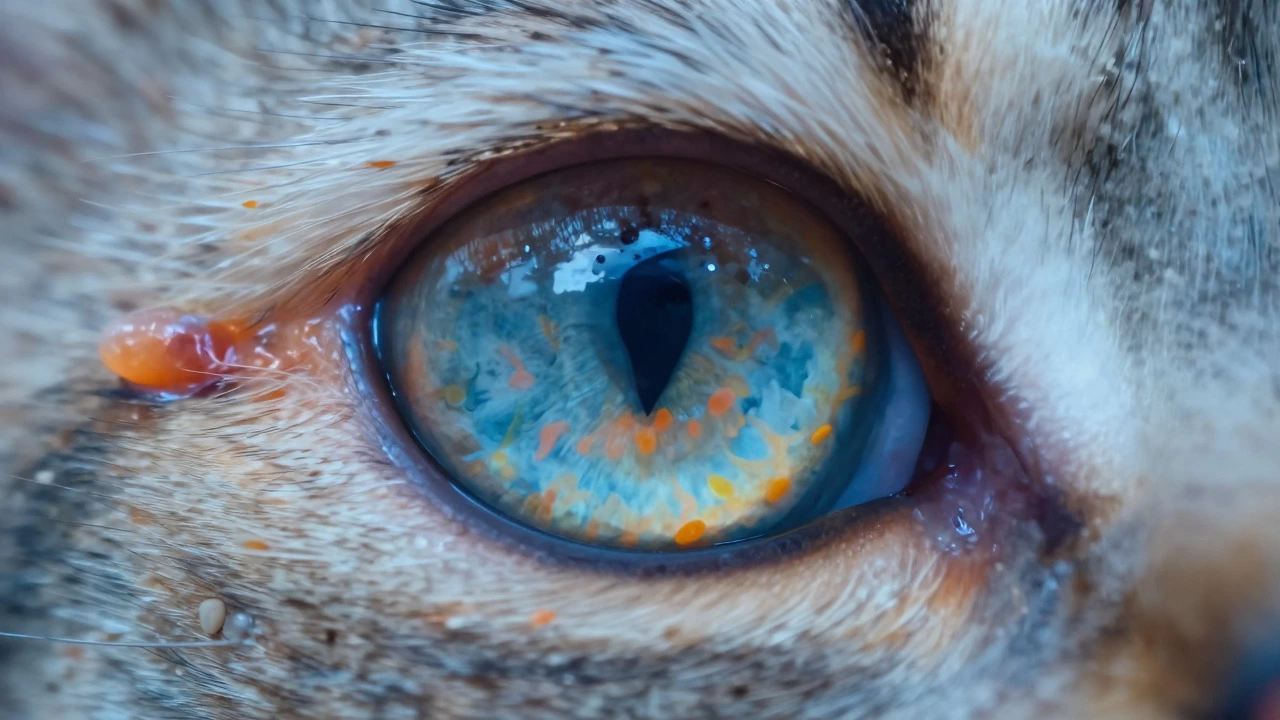
To pick the healthiest food, you first need to understand who is eating it. Unlike dogs or humans, who can survive on a mixed diet, cats are obligate carnivores. This means their bodies are biologically wired to derive essential nutrients primarily from animal tissue. They require specific amino acids like taurine, which is found abundantly in meat but scarce in plants. Without adequate taurine, cats risk developing heart disease and blindness.
This biological reality dictates that the primary ingredient in any healthy cat food must be recognizable meat. When you look at the ingredient list, the first item should be a named meat source-such as "chicken," "salmon," or "turkey"-rather than vague terms like "meat meal" or "animal derivatives." While meat meals (like chicken meal) are concentrated sources of protein and acceptable in moderation, fresh or deboned meat indicates higher quality and better digestibility. Avoid foods where plant proteins like corn gluten meal or soybean meal appear near the top; these are often used to bulk up cheap kibble rather than provide optimal nutrition for a predator.
The Moisture Debate: Wet Food vs. Dry Kibble
If there is one universal agreement among veterinarians and nutritionists regarding the healthiest option, it is the importance of hydration. Cats have a low thirst drive, a trait inherited from their desert-dwelling ancestors who got most of their water from prey. In the wild, a mouse is roughly 70% water. Commercial dry food, however, contains only about 10% moisture. This discrepancy contributes significantly to urinary tract issues and chronic kidney disease, two of the most common ailments in older cats.
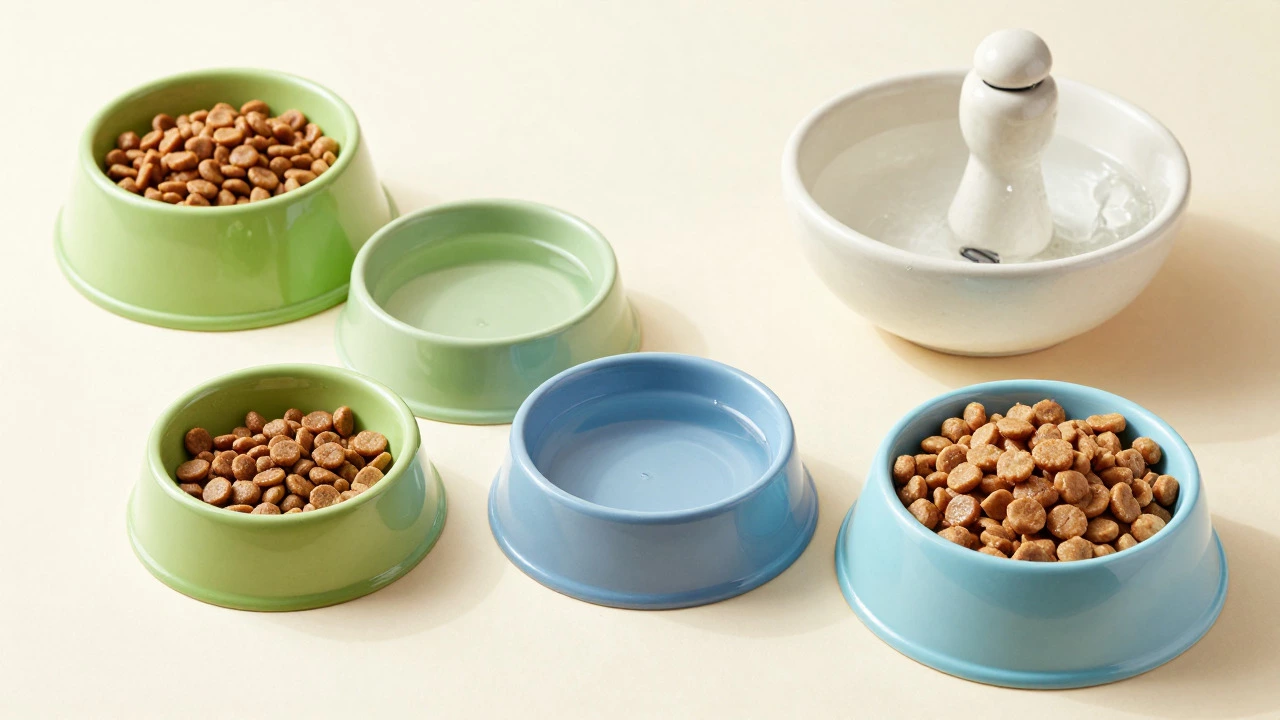
Wet cat food, whether canned or pouch-based, typically contains 75-80% water. Feeding a predominantly wet diet helps flush toxins from the kidneys and keeps the urinary system hydrated. If budget or convenience forces you to feed dry food, consider mixing water into the kibble or using a fountain to encourage drinking. However, for pure health benefits, a wet-food-heavy diet is superior. Many owners adopt a hybrid approach: feeding wet food for the majority of calories and using high-quality dry kibble as a treat or dental aid, though dental health benefits of kibble are often overstated compared to regular brushing.
| Attribute | Wet Food (Canned/Pouch) | Dry Food (Kibble) |
|---|---|---|
| Moisture Content | 75-80% | 10-12% |
| Protein Source | Often higher quality, named meats | Varies; can rely on plant fillers |
| Carbohydrate Level | Low to moderate | High (needed for extrusion process) |
| Cost per Calorie | Higher | Lower |
| Dental Impact | No mechanical cleaning | Minor abrasive effect |
Decoding the Label: Ingredients to Seek and Avoid
Reading labels is a skill that pays off. In the UK and EU, regulations are strict, but manufacturers still find ways to obscure quality. Here is what to look for:
- Named Protein Sources: Look for "Deboned Chicken" or "Fresh Salmon." Avoid generic "Meat" or "Fish."
- Limited Carbohydrates: Cats don't need carbs for energy. High-carb diets contribute to obesity and diabetes. Avoid recipes heavy in wheat, corn, rice, or potatoes.
- Healthy Fats: Omega-3 fatty acids, often from fish oil, support skin, coat, and brain health. Look for these listed explicitly rather than just "animal fat."
- No Artificial Additives: Steer clear of artificial colors (like Red 40), flavors, and preservatives like BHA/BHT. Natural preservatives like mixed tocopherols (Vitamin E) are preferable.
A controversial topic is grain-free cat food. For cats without specific allergies, grains themselves aren't inherently evil. The issue arises when grain-free formulas replace grains with high amounts of peas, lentils, or potatoes, which can still spike blood sugar. Some studies have linked certain grain-free diets to dilated cardiomyopathy (DCM) in pets, though the link is stronger in dogs. Unless your cat has a diagnosed grain allergy, a small amount of whole grain like oats or barley is not harmful and can provide fiber.
Life Stage Nutrition: Kittens, Adults, and Seniors
A cat's nutritional needs shift dramatically over its lifespan. Feeding a senior cat kitten food will lead to obesity, while feeding a growing kitten adult food may stunt development.
Kittens (0-12 months): They are essentially tiny engines requiring massive fuel. Their food must be calorie-dense, high in protein, and rich in DHA (an omega-3 fatty acid) for brain and eye development. Look for formulas specifically labeled "Growth" or "All Life Stages" if you prefer simplicity, though dedicated kitten foods are usually optimized for this rapid growth phase.
Adult Cats (1-7 years): Maintenance is key. Adult food balances protein with controlled calories to prevent weight gain. Since many indoor cats are less active, portion control becomes more important than ever. Look for moderate protein levels and lower fat content compared to kitten food.
Senior Cats (7+ years): As cats age, their kidneys and digestive systems slow down. Senior formulas often feature highly digestible proteins and reduced phosphorus levels to support kidney health. They may also include added antioxidants like Vitamin E and C to combat cellular aging. If your senior cat has lost weight, a higher-calorie, palatable wet food might be necessary to maintain muscle mass.
Budget-Friendly Options That Don't Compromise Health
Quality cat food doesn't always mean premium boutique brands costing £2 per can. Supermarket own-brands in the UK have improved significantly. Look for mid-tier options that meet FEDIAF (European Pet Food Industry Federation) standards. FEDIAF guidelines ensure that the food meets minimum nutritional requirements for cats.
You can save money by buying larger cans or multipacks of wet food, which reduces the cost per gram. Dry food is cheaper upfront but may lead to higher vet bills later due to urinary or dental issues. Consider rotating between two or three reputable brands to keep costs manageable while ensuring variety, which can prevent picky eating habits. Always check for sales on staple items, but never compromise on the core ingredient: real meat.
Transitioning Your Cat to a New Diet
Cats are notoriously finicky eaters. Switching food abruptly can cause gastrointestinal upset, including vomiting and diarrhea. To transition smoothly, follow a gradual mixing schedule over 7-10 days:
- Days 1-2: Mix 25% new food with 75% old food.
- Days 3-4: Increase to 50% new food and 50% old food.
- Days 5-6: Use 75% new food and 25% old food.
- Day 7 onwards: Feed 100% new food.
If your cat refuses the new food, try warming the wet food slightly to release aromas, or sprinkle a little of their favorite treat on top. Patience is crucial; some cats take weeks to accept a new taste profile.
Is raw food healthier than cooked commercial cat food?
Raw food diets mimic a natural prey diet and can offer high moisture and protein. However, they carry risks of bacterial contamination (Salmonella, E. coli) and nutritional imbalances if not carefully formulated. For most households, commercially prepared wet food offers a safer, balanced alternative with similar nutritional benefits.
Do I need to supplement my cat's commercial food?
High-quality commercial cat foods are complete and balanced, meaning they contain all necessary vitamins and minerals. Supplementation is usually unnecessary unless prescribed by a vet for specific conditions. Over-supplementing, especially with calcium or vitamin A, can be toxic.
How much cat food should I feed my cat daily?
Feeding amounts depend on your cat's weight, age, and activity level. Most packages provide a guideline based on ideal body weight. Generally, an average indoor adult cat needs about 200-300 kcal per day. Use a kitchen scale for accuracy, as cup measurements vary wildly in density.
Are organic cat foods worth the extra cost?
Organic certification ensures ingredients are grown without synthetic pesticides or fertilizers. While beneficial for environmental reasons, the nutritional difference for your cat is minimal. Prioritize high meat content and moisture over the organic label if budget is tight.
Can I feed my cat human food leftovers?
Small amounts of plain, unseasoned meat or fish are fine as treats. However, avoid onions, garlic, chocolate, grapes, and bones, which are toxic to cats. Human food lacks the precise balance of taurine and other nutrients cats need, so it should not replace their main diet.