Puppy Sleep & Crate Timer Calculator
Enter Your Puppy's Details
Sleep Readiness Checker
Click the signs you observe in your puppy right now:
No signs detected
Your Puppy's Daily Schedule
Recommended Tonight's Schedule:
It happens to almost every new dog owner. You’ve spent the evening playing fetch, doing some basic recall training, and generally keeping your new puppy entertained. Now, you’re winding down for the night. You notice his eyelids drooping, his movements slowing, and that distinct yawn that signals he’s about to crash. The question pops into your head: "Do I carry him to his bed, or do I put him in his crate?" It feels like a small decision, but it sets the tone for how your dog sleeps-and behaves-for years to come.
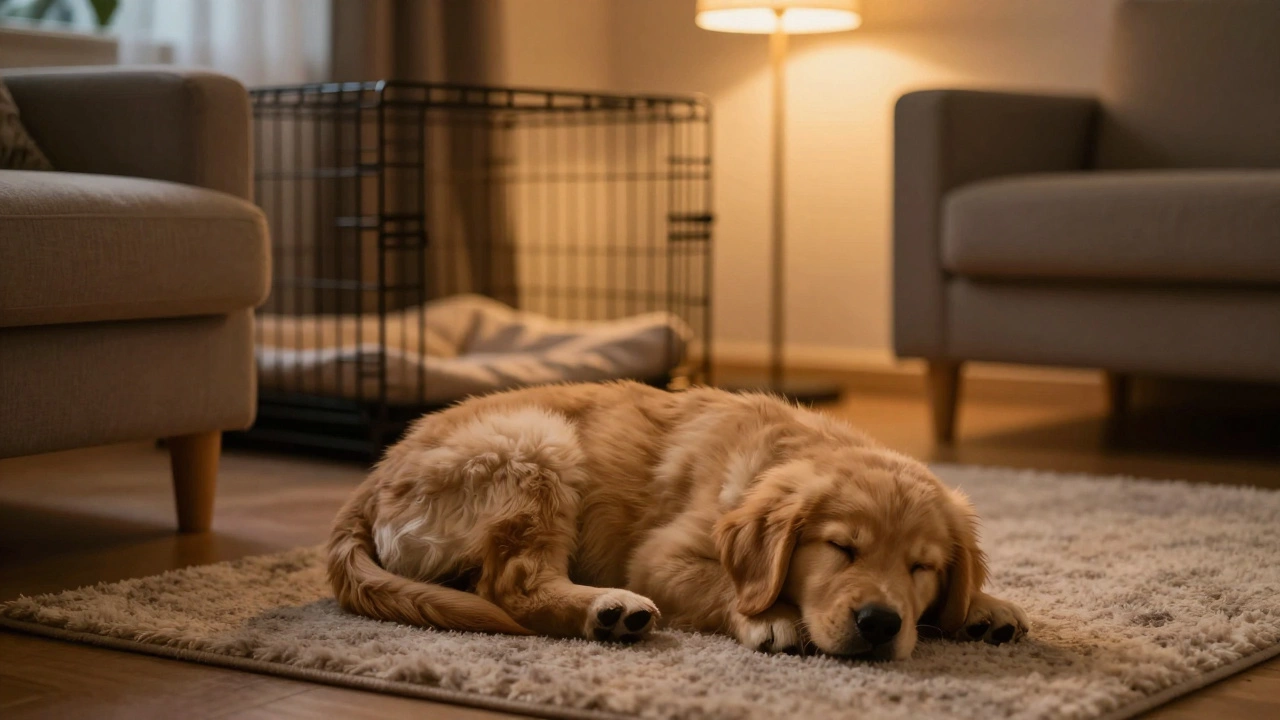
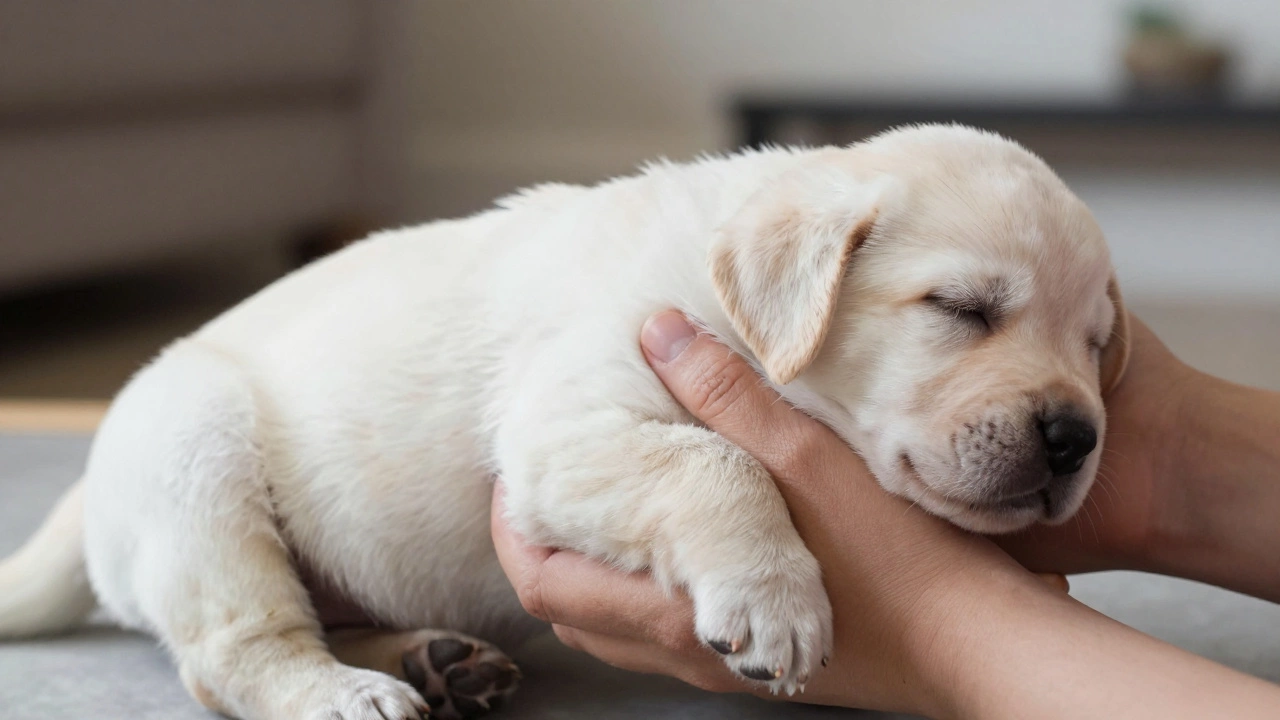
The short answer is yes. If your puppy falls asleep while awake, you should gently move him to his crate. But there’s a lot more nuance to this than just picking up a sleepy ball of fur. Doing it right prevents accidents, builds independence, and stops separation anxiety before it starts. Doing it wrong can lead to confusion, whining, and a dog who refuses to settle anywhere but on your lap.
Why Moving a Sleeping Puppy Matters
You might think, "He’s asleep now, so it doesn’t matter where he is." That’s a common misconception. Puppies are creatures of habit. Where they fall asleep becomes their anchor point for rest. If you let them drift off on the sofa, the rug, or your feet, they learn that sleep happens wherever they happen to be tired. This creates a lack of boundaries.
By moving them to the crate, you teach a specific routine: Playtime happens out here; rest time happens in there. This distinction is crucial for house training. When a puppy wakes up from a nap, they often need to pee immediately. If they wake up in the middle of the living room, they might just go there because it’s convenient. If they wake up in the crate, their natural instinct is to hold it until they are taken outside. This simple act reinforces bladder control and keeps your floors clean.
The Science Behind Puppy Sleep Cycles
To understand why timing matters, we need to look at how puppies actually sleep. Unlike adult dogs, who can sleep deeply for long stretches, puppies have very different sleep patterns. They spend a significant amount of time in REM (Rapid Eye Movement) sleep, which is the stage associated with dreaming and brain development. During this phase, they twitch, whimper, and move their paws as if chasing squirrels in their dreams.
If you interrupt this cycle by picking them up or moving them roughly, you jolt them out of deep developmental rest. This isn’t just annoying for you; it can leave the puppy groggy and irritable. However, if you wait until they are fully asleep-past the initial drowsy stage-you can move them without waking them. Most puppies will continue sleeping peacefully in the new location if the transition is smooth.
- 0-3 months: Puppies sleep 18-20 hours a day. Their naps are frequent and short.
- 3-6 months: Sleep reduces to 12-14 hours. Naps become longer and deeper.
- 6+ months: Approaching adult schedules, but still require consistent bedtime routines.
How to Move a Sleeping Puppy Without Waking Him
Timing is everything. You don’t want to pick up a puppy who is just starting to get sleepy. At that stage, they are still aware of their surroundings. If you lift them then, they’ll likely perk up, realize they’re being moved, and start whining or resisting. Wait for the signs of deep sleep.
- Watch for the cues: Look for slow blinking, relaxed muscles, and steady breathing. If their eyes are closing slowly but they still respond when you touch them, wait a few more minutes.
- The "Heavy" Test: Gently press down on their shoulder. If they sink into the floor and don’t push back, they are ready to move.
- Lift with support: Always support their chest and hindquarters. Never pick a puppy up by the scruff or under the armpits alone, as this can cause injury and discomfort.
- Keep it calm: Avoid talking loudly or making sudden movements. Speak in a low, soothing monotone if you must speak at all.
- Place gently: Lower them into the crate slowly. Don’t drop them in. Let them land softly on their bedding.
Once they are in the crate, close the door quietly. Do not fuss over them. Do not pet them until they settle. Your goal is to make the crate a boring, safe place, not a party zone.
Crate Training Basics: Making It a Positive Space
If your puppy hates the crate, moving him there-even when asleep-will be a battle. Crate training isn’t about confinement; it’s about creating a den-like sanctuary. In the wild, dogs seek out small, enclosed spaces to feel safe from predators. A crate taps into this instinct.
Start by leaving the crate door open during the day. Toss treats inside. Feed meals near it. Let the puppy explore it on their own terms. Never use the crate as punishment. If your puppy associates the crate with anger or isolation, they will develop separation anxiety, leading to destructive chewing and excessive barking.
The size of the crate matters too. It should be large enough for the puppy to stand up, turn around, and lie down comfortably, but not so large that they can use one corner as a bathroom area. If you buy a crate that will fit their adult size, use a divider to shrink the space as they grow.
Common Mistakes Owners Make
Even well-meaning owners trip up on these details. Here are the most frequent errors that derail crate training.
| Mistake | Why It Fails | Best Practice |
|---|---|---|
| Putting the puppy in when they are hyperactive | The puppy has excess energy and will associate the crate with frustration. | Exercise the puppy first. Let them tire out before crating. |
| Letting the puppy out when they whine | This teaches them that whining = freedom. They will whine louder next time. | Wait for a moment of silence before releasing them. |
| Using the crate for long periods | Puppies cannot hold their bladders for 8+ hours. This leads to accidents and stress. | Limit crate time to 1 hour per month of age, plus one extra hour. |
| Ignoring nighttime needs | Puppies need to pee frequently at night. Ignoring this causes health issues. | Set an alarm to take them out every 2-3 hours initially. |
Another major mistake is inconsistency. If you crate them on Tuesday but let them sleep on your bed on Wednesday, they won’t understand the rules. Consistency builds confidence. Dogs thrive on predictability.
What If the Puppy Whines?
Whining is normal. It’s how puppies communicate distress, boredom, or need. But responding to every whine reinforces the behavior. Here’s how to handle it.
First, check if they need to go to the bathroom. If they haven’t been out recently, take them outside on a leash. Keep it boring-no play, no treats, just business. Then return them to the crate.
If they’ve just been out, the whining is likely attention-seeking or adjustment-related. Wait. Give them a few minutes to settle. Often, the whining peaks and then subsides as they realize no one is coming. If you rush in, you reward the peak whining. Instead, praise them when they are quiet. This positive reinforcement teaches them that silence gets attention, not noise.
Be patient. The first week is the hardest. By week two, most puppies stop whining within minutes of being crated.
Nighttime Routines for Success
Your evening routine sets the stage for a good night’s sleep. Start winding down an hour before bed. Dim the lights. Reduce loud noises. Take the puppy out for a final potty break right before crating.
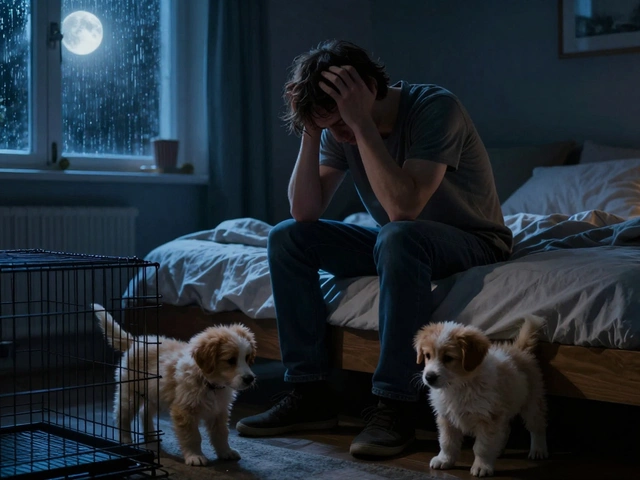
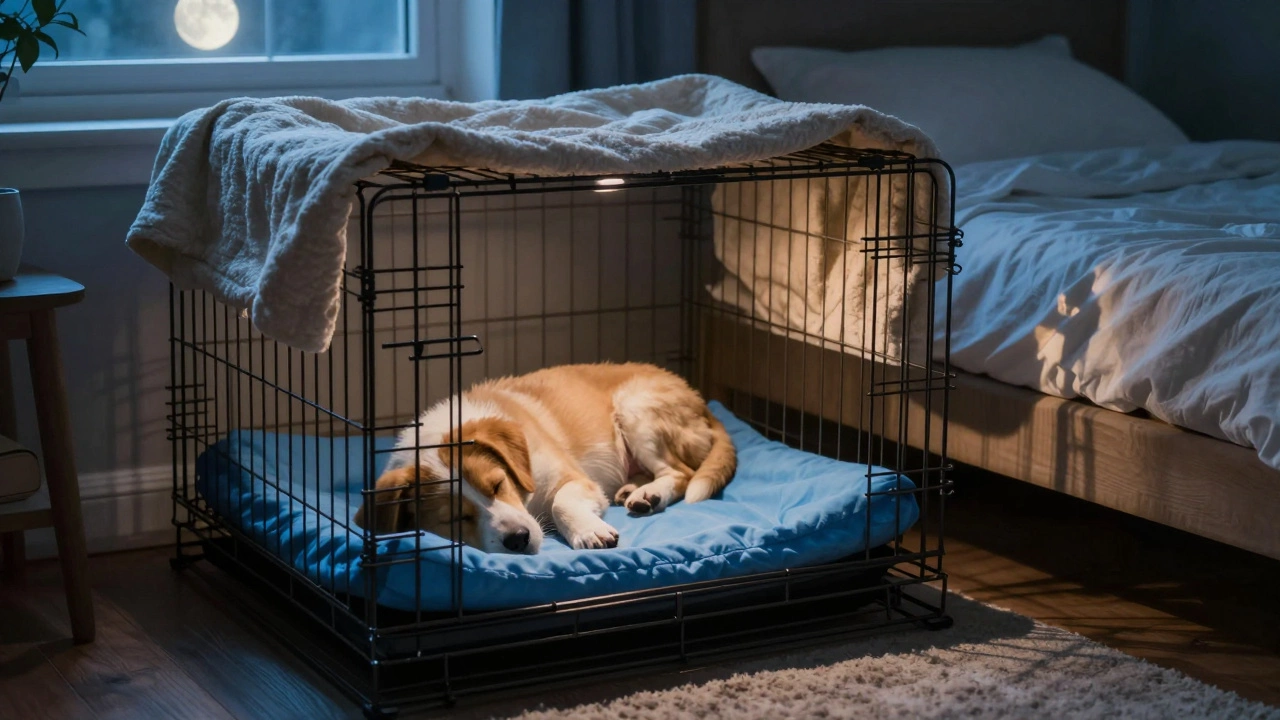
Place the crate in your bedroom initially. The proximity to your scent and sound helps reassure the puppy. As they get older and more confident, you can move the crate to another room if desired. But for the first few months, having them nearby allows you to hear if they need to go out, preventing accidents and reducing anxiety.
Use a comfortable, washable bed in the crate. Add a piece of clothing with your scent to provide comfort. Avoid plush toys that can be destroyed and ingested, which is a choking hazard.
When to Skip the Crate
There are times when crating isn’t appropriate. If your puppy is sick, injured, or showing signs of extreme distress (vomiting, panting excessively), consult your veterinarian before forcing them into a confined space. Also, if you are leaving the puppy alone for more than four hours, a crate is not suitable. They need space to move, stretch, and relieve themselves. In these cases, puppy-proofed rooms or playpens are better alternatives.
Long-Term Benefits of Crate Training
Investing time in crate training pays off beyond the puppy stage. Adult dogs who are crate-trained travel easier. They stay calm in the car, at the vet, and during grooming sessions. The crate becomes a safe haven during stressful events like thunderstorms or fireworks.
It also protects your home. When you’re away, the crate prevents destructive chewing of furniture, wires, and shoes. This saves money and preserves your relationship with your dog. A dog who destroys your belongings out of anxiety is harder to bond with than one who rests peacefully in their crate.
Frequently Asked Questions
Is it cruel to put a sleeping puppy in a crate?
No, it is not cruel if done correctly. Crates mimic natural dens and provide security. Cruelty involves using the crate for punishment, leaving the puppy in for excessive periods, or ignoring their physical needs. Proper crate training enhances safety and comfort.
How long can I leave my puppy in the crate at night?
Puppies have limited bladder control. A general rule is one hour per month of age. For example, a 3-month-old puppy can hold it for about 3-4 hours. Most puppies need to be let out once or twice during the night until they are 6 months old.
What if my puppy pees in the crate?
If your puppy pees in the crate, it usually means the crate is too big, they were crated too long, or they had water too close to bedtime. Clean the crate thoroughly with an enzymatic cleaner to remove odors. Adjust the routine to prevent recurrence. Never punish the puppy for accidents.
Should I cover the crate with a blanket?
Yes, covering three sides of the crate with a light blanket can create a darker, cave-like environment that promotes sleep. Ensure proper ventilation and monitor temperature to prevent overheating. Many puppies find the covered crate more calming.
At what age can I stop crate training?
You don’t necessarily stop crate training entirely. As your dog matures, you can gradually increase their freedom in the house. However, many owners keep crates available for travel, vet visits, or as a safe retreat. Most dogs choose to sleep in their crates voluntarily if trained positively.