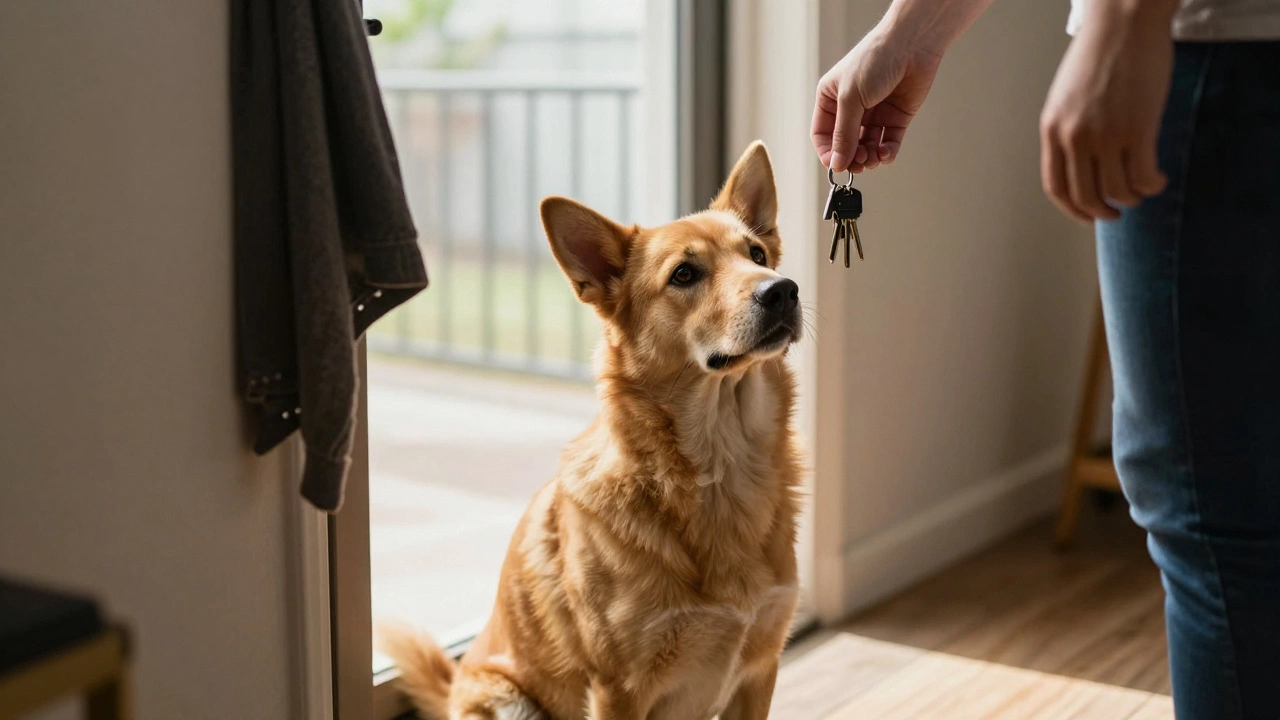
Ever walked out the door and caught your dog staring at you like you just dropped a bomb? That quiet sigh, the way their ears twitch, the slow tail drop-it’s hard not to wonder: does my dog know I’m leaving?
The answer isn’t just yes. It’s deeper than that. Dogs don’t just notice you’re leaving-they feel it. They don’t understand your 9-to-5 schedule, but they know the rhythm of your life. The way you grab your keys. The way you put on your coat. The way you pause at the door, even for a second, before stepping out. To them, these aren’t random actions. They’re signals. Loud, clear, and emotional ones.
How Dogs Recognize Your Departure Rituals
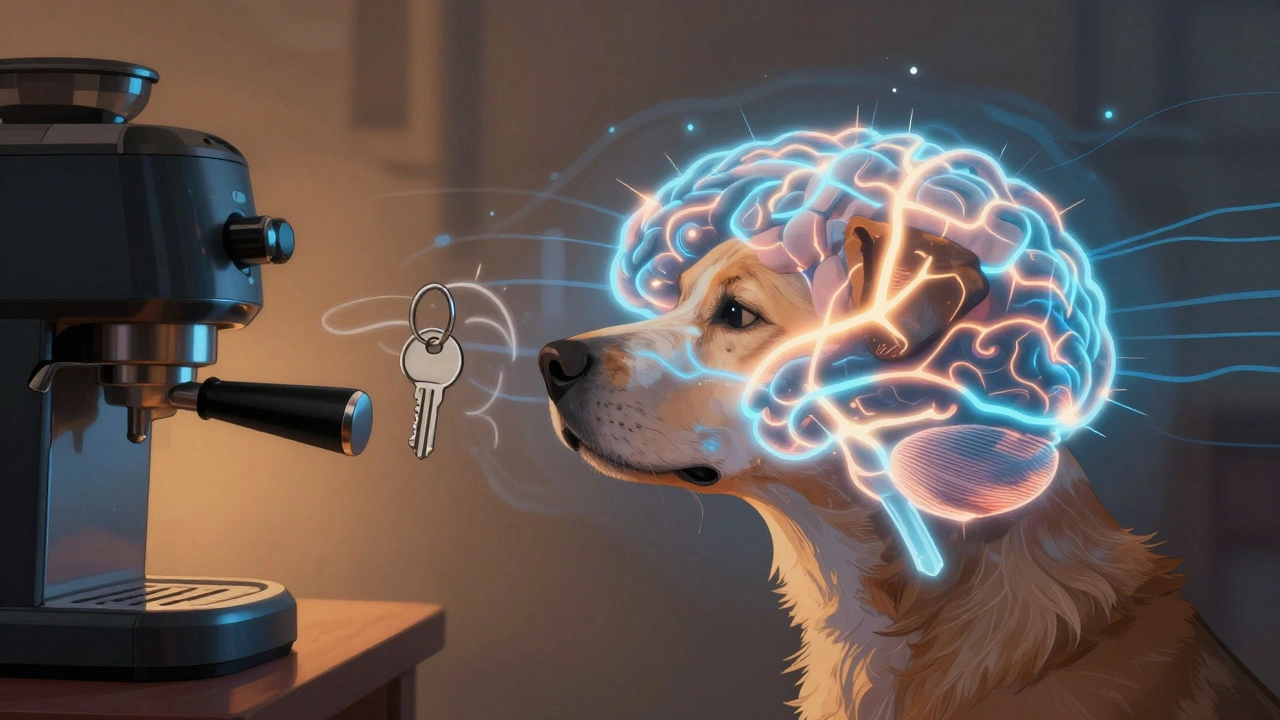
Dogs don’t read clocks, but they read routines. If you leave at 8 a.m. every weekday, your dog learns that the sound of the coffee machine, the jingle of your keys, or the rustle of your briefcase means you’re about to go. A 2020 study from the University of Lincoln found that dogs showed increased stress behaviors-panting, pacing, whining-when exposed to audio recordings of their owner preparing to leave, even before the owner physically walked out the door.
It’s not about the door closing. It’s about the sequence. The same dog that sits calmly when you put on your slippers might start trembling when you put on your boots. Why? Because boots mean you’re leaving for longer. Your dog has learned to associate certain cues with your absence. And that’s not just instinct. It’s memory. It’s anticipation. It’s emotional conditioning.
Do Dogs Understand Time? Yes, But Not Like You Do
People often say, “My dog doesn’t mind when I’m gone for hours.” But that’s not true. Dogs don’t experience time the way humans do. They don’t count minutes or hours. But they do sense duration.
Research from Eötvös Loránd University in Budapest showed that dogs greet their owners with more intensity after being left alone for two hours than after just 30 minutes. That doesn’t mean they’re counting. It means their stress builds over time. The longer you’re gone, the more their body reacts. Their cortisol levels rise. Their heart rate increases. Their brain lights up in areas linked to emotion and memory.
So if you’re planning a weekend getaway or a holiday trip, your dog doesn’t think, “Oh, they’ll be back in three days.” They think, “They left. Again. When will they come back?” That’s why some dogs howl for hours after you leave. It’s not attention-seeking. It’s panic.
The Difference Between Boredom and Separation Anxiety
Not every dog that barks when you leave has separation anxiety. But many owners confuse boredom with anxiety. Here’s how to tell the difference:
- Boredom: Your dog chews on a toy, naps in the sun, and waits. They might scratch at the door, but they’re not destructive. They’re just waiting for something to happen.
- Separation anxiety: Your dog destroys furniture, scratches at walls, pees on the rug, or tries to escape. They’re not mad-they’re terrified. They can’t calm down. Their body is stuck in fight-or-flight mode.
Separation anxiety isn’t a bad habit. It’s a neurological response. It’s the same as a human having a panic attack when they’re alone. And just like with humans, it doesn’t go away by yelling or ignoring it.
What Your Dog Feels When You Leave
Dogs form attachments to people the same way babies do. In fact, studies using fMRI scans show that dogs’ brains light up in the same reward centers when they smell their owner as when humans see a loved one. Your dog doesn’t just like you. They’re bonded to you.
When you leave, they don’t think, “I’ll see them later.” They think, “Are they coming back?” And if they’ve been left alone before with no warning, no routine, or no comfort, their brain assumes the worst. That’s why some dogs cry when you walk out, even if you’ve only been gone for five minutes before.
It’s not about being “clingy.” It’s about trust. If your dog has never learned that your leaving is temporary, they’ll treat every departure like a permanent loss.
What You Can Do Before Your Next Holiday
If you’re planning a dog-friendly holiday and want your dog to be calm while you’re away, here’s what actually works:
- Practice short absences. Leave for 5 minutes. Then 10. Then 20. Don’t make a big deal when you leave or come back. Just walk out. Walk back. Repeat. This teaches them that you always return.
- Change your departure cues. Pick up your keys and sit down. Put on your coat and make tea. Do these things without leaving. This breaks the link between your routine and your absence.
- Leave something that smells like you. A worn T-shirt, a blanket you slept on. Your scent is calming. Studies show dogs are more relaxed when exposed to their owner’s scent.
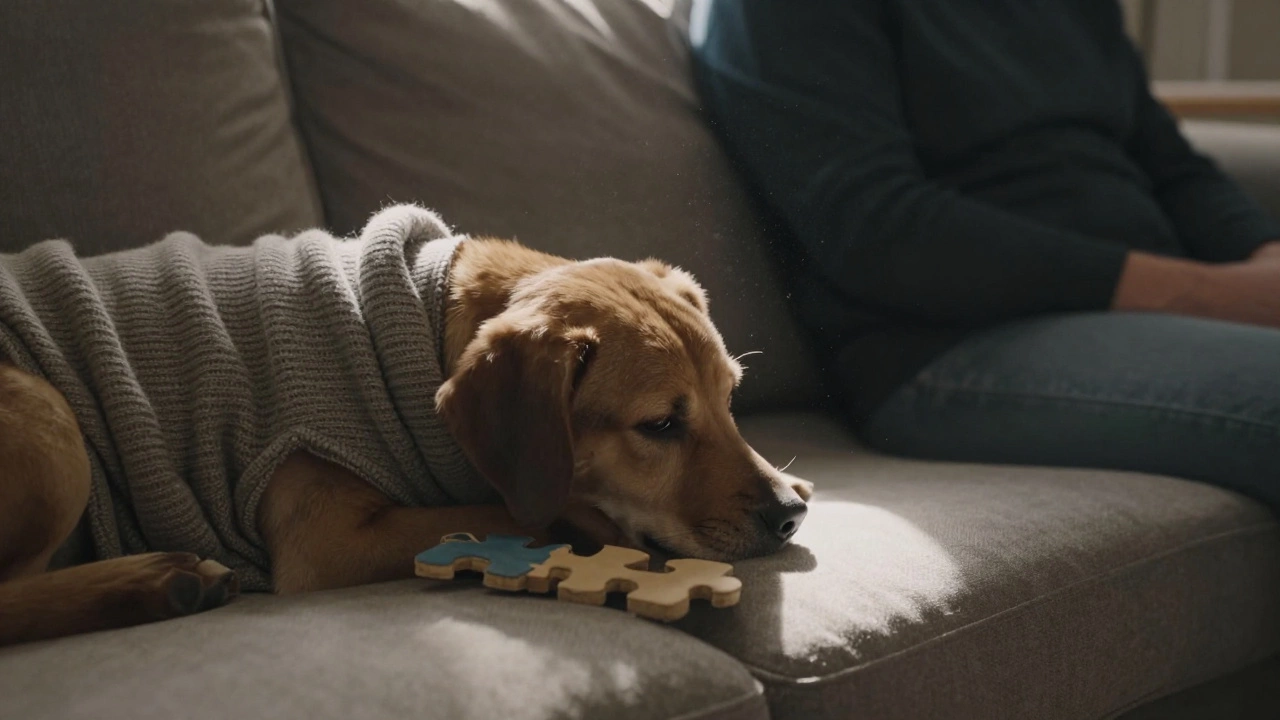
- Use puzzle toys. Stuff a Kong with peanut butter or freeze wet food in a toy. This gives them something to focus on. It’s not a magic fix, but it buys you time and distracts their brain.
- Don’t hire a pet sitter who just checks in. If you’re going away for more than a day, find someone who stays for an hour or two. Your dog needs interaction, not a quick visit. A walk, some play, a cuddle-that’s what resets their stress.
What Doesn’t Work
Stop doing these things. They make things worse:
- Leaving the TV or radio on. Unless it’s specifically designed for dogs (like Calming Sounds for Dogs by DogTV), background noise doesn’t help. It’s just noise.
- Getting another dog. Two anxious dogs don’t calm each other out. They often feed off each other’s stress.
- Using punishment. Yelling, spraying water, or locking them in a crate won’t fix anxiety. It just makes them more scared of you.
- Waiting until the last minute. If your dog already shows signs of distress, don’t wait until the day before your holiday to try fixing it. Training takes weeks.
When to Get Professional Help
If your dog is destructive, self-harming, or refuses to eat when you’re gone, it’s time to call a certified dog behaviorist. Not a trainer. A behaviorist. They understand the science behind anxiety, not just obedience.
In the UK, you can find certified professionals through the Association of Professional Dog Trainers (APDT) or the Animal Behaviour and Training Council (ABTC). Look for someone who uses positive, science-based methods. Avoid anyone who talks about “dominance” or “alpha rolls.” Those ideas are outdated-and dangerous.
Medication is sometimes part of the solution. A vet might prescribe a low-dose anti-anxiety drug like fluoxetine, especially for severe cases. It’s not a crutch. It’s a tool-like a cast for a broken bone. It gives your dog the calm they need to relearn safety.
Your Dog Doesn’t Forget You
Even if your dog acts distant when you come back from a holiday, they haven’t forgotten you. Dogs don’t hold grudges. They don’t feel resentment. They feel relief. They feel safety. When you walk through the door, their brain floods with oxytocin-the same chemical released when a mother hugs her baby.
They don’t need you to explain why you left. They just need you to come back. And if you’ve done the work to help them feel safe while you’re gone, they’ll greet you not with panic, but with quiet joy. A wag. A nudge. A sigh of relief. That’s the moment you realize: they knew you were leaving. But they also knew, deep down, you’d return.
Does my dog miss me when I go on holiday?
Yes. Dogs form strong emotional bonds with their owners. Studies show they react more intensely to their owner’s return after longer absences, indicating they notice and feel the absence. They don’t understand time the way humans do, but they feel the emotional weight of your absence.
How long can I leave my dog alone during a holiday?
Most dogs can handle 4 to 6 hours alone, but longer than that increases stress. For holidays lasting more than a day, arrange for someone to visit daily-ideally for at least an hour. Walks, play, and companionship reduce anxiety more than food or toys alone.
Can I train my dog to be okay with being alone?
Yes, but it takes time and consistency. Start with very short absences and gradually increase the time. Change your departure cues so your dog doesn’t associate your coat or keys with leaving. Use calming tools like scent items and puzzle toys. Patience is key-this isn’t a quick fix.
Why does my dog destroy things when I leave?
Destruction is usually a sign of separation anxiety, not bad behavior. Your dog isn’t angry-they’re terrified. The chewing, scratching, or accidents are stress responses. It’s their way of trying to cope with the panic of being alone. Addressing the root anxiety, not punishing the behavior, is what helps.
Should I get a pet sitter or board my dog during holidays?
If your dog has separation anxiety, boarding isn’t usually the best choice. New environments can increase stress. A trusted pet sitter who stays with your dog in your home is often better. Familiar surroundings, your scent, and your routine help your dog feel safe. Choose someone experienced with anxious dogs.
If you’re planning a dog-friendly holiday, the best gift you can give your dog isn’t a new toy or a fancy bed. It’s peace of mind-for both of you. Start preparing now. Not tomorrow. Not next week. Today. Because when you walk out that door, your dog isn’t just watching you leave. They’re waiting for you to come back. And they deserve to wait without fear.