Puppy Bladder Capacity Estimator
Estimated Guidelines:
Enter your puppy's age to see their specific bladder milestones.
Quick Summary for Tired Owners
- 8-12 Weeks: Zero control. They pee when they feel the urge.
- 3-4 Months: Developing muscles; can hold it for short bursts.
- 6 Months+: Most can physically hold it, but may still have "accidents" due to excitement or forgetfulness.
- Key Rule: A puppy can generally hold their bladder for one hour for every month of age.
The Biology of the Puppy Bladder
To understand why your puppy is leaking everywhere, you have to look at the Sphincter muscle. This is the muscle that keeps the bladder closed. In a young puppy, this muscle is weak and doesn't always signal the brain in time. By the time the puppy thinks, "Oh, I need to go," the liquid is already hitting the hardwood. Another factor is the Central Nervous System. Puppies are easily distracted. They might be chewing a toy, completely forget they have a full bladder, and then suddenly realize it too late. This isn't disobedience; it's just a brain that's still under construction. If you have a small breed, like a Chihuahua or a Yorkshire Terrier, keep in mind they have tiny bladders. They will naturally need to go more often than a Golden Retriever puppy.Age-by-Age Expectations
Knowing what's normal helps you avoid the frustration of expecting too much. Here is how the timeline usually plays out for puppy house training.| Age | Physical Ability | Typical Frequency | Expectation |
|---|---|---|---|
| 8-12 Weeks | Almost none | Every 30-60 mins | Accidents are guaranteed. |
| 3-4 Months | Partial | Every 2-3 hours | Can hold it if focused. |
| 5-6 Months | Significant | Every 4-6 hours | Should be mostly consistent. |
| 6 Months+ | Full | 6-8 hours | Should only go outside. |
The "One Hour Per Month" Rule of Thumb
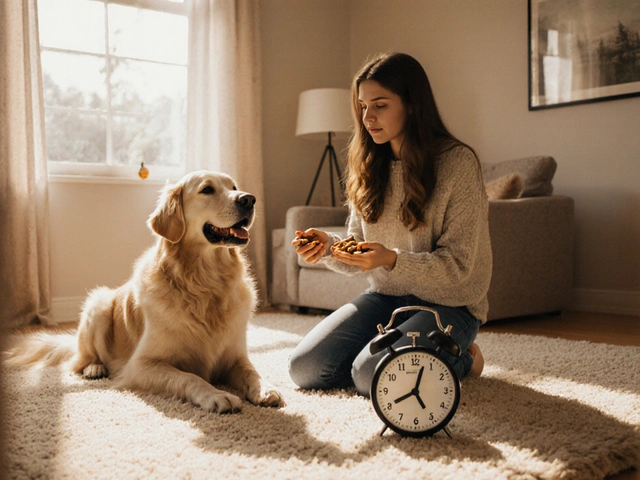
If you're trying to figure out how long you can leave your pup in a crate or how long you can go to the store, use this simple formula: Age in months = maximum hours of holding. For example, a 3-month-old puppy can theoretically hold it for 3 hours. But be careful-this is the absolute maximum, not the goal. If you push them to their limit every time, they might develop bladder infections or simply get frustrated and give up on the "outside only" rule. It's much better to take them out every 2 hours to ensure success.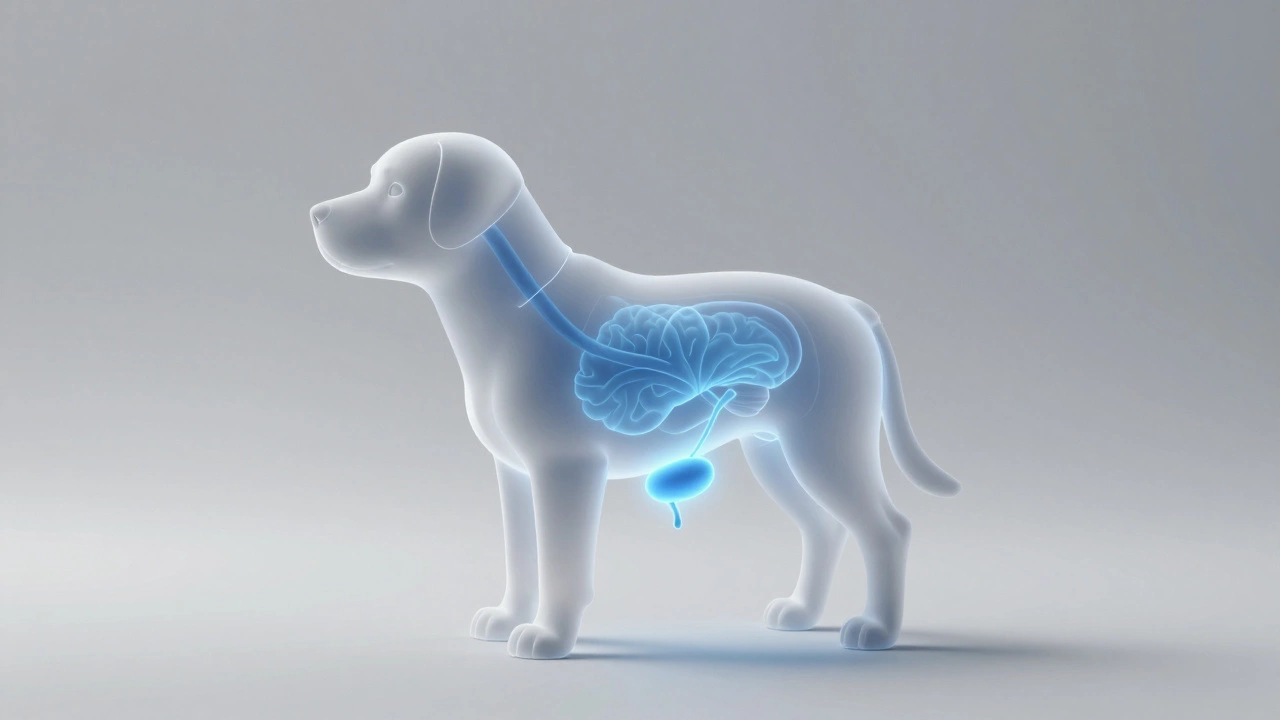
Common Pitfalls That Reset Your Progress
Have you ever felt like your puppy was finally trained, only to wake up Monday morning to a flooded hallway? This is called a "regression," and it usually happens because of a few specific reasons.- The "Excitement Pee": When you come home, your puppy gets so happy that their muscles relax. This isn't a failure of training; it's an emotional response.
- Changing Schedules: A new daycare, a different feeder, or a change in your work hours can confuse a puppy. They rely on routine to know when it's time to go.
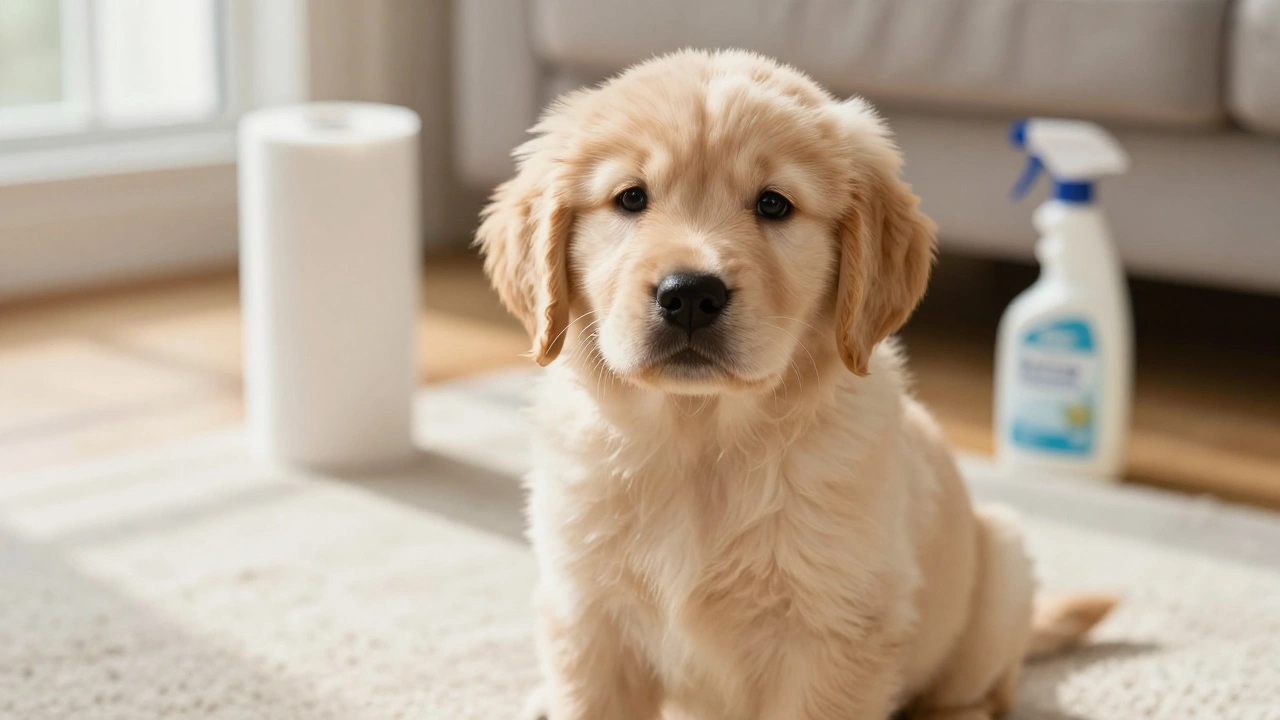
- Incorrect Cleaning: If you use a cleaner that smells like ammonia, the puppy thinks, "Hey, this smells like pee! This must be the spot to go." Use an Enzymatic Cleaner to actually break down the proteins in the urine so the scent is gone for good.
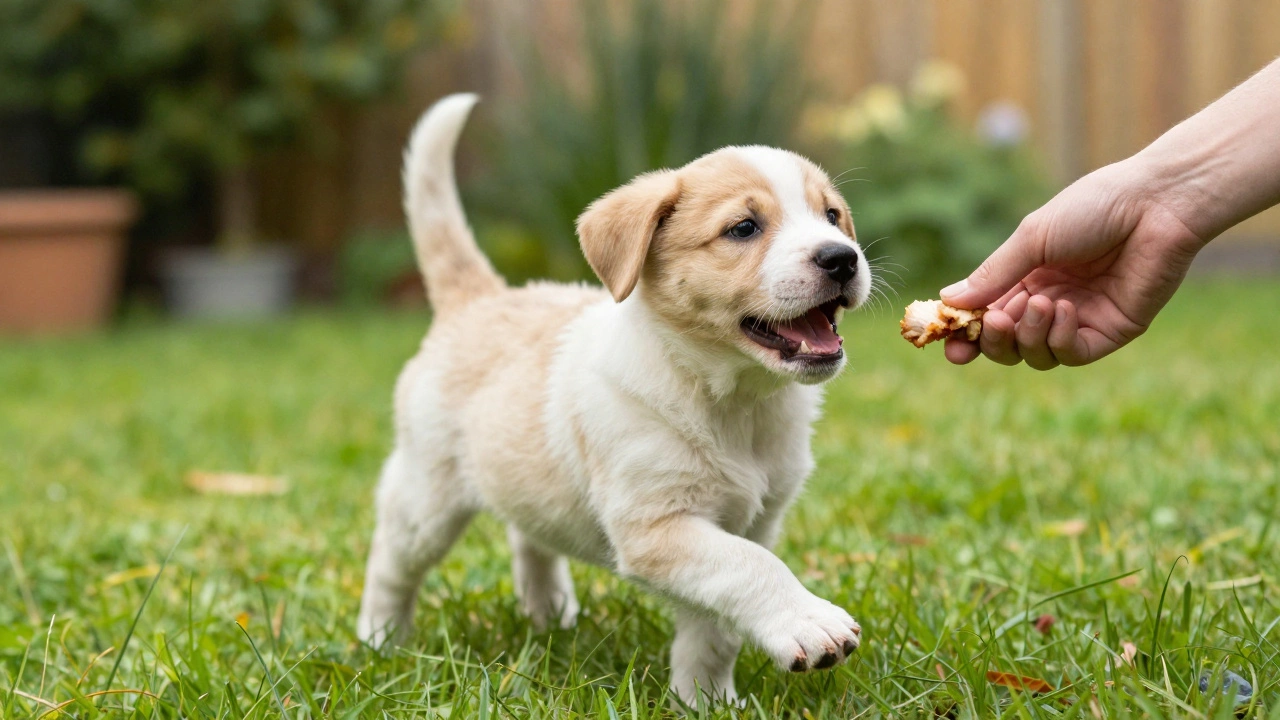
- Lack of High-Value Rewards: If you only say "good boy" in a flat tone, they aren't motivated. Use a tiny piece of boiled chicken or a high-value treat the second they finish peeing outside.
Step-by-Step Routine for Success
To stop the indoor accidents, you need a system. You can't just hope they figure it out. Follow this loop relentlessly for 2-4 weeks:- The Wake-Up Call: The second the puppy wakes up from a nap, carry them outside. Do not let them walk there, or they might leak halfway.
- The Event Trigger: Take them out after they eat, after they drink water, and immediately after a play session.
- The "Boring" Walk: Don't play or throw a ball immediately. Walk them to the specific "potty spot" and wait. Give them a cue word like "go potty."
- The Jackpot: When they actually do it, throw a party. Praise them wildly and give a treat.
- The Supervised Return: Once they go, they can come inside, but they should stay in your sight. If they start circling or sniffing the corners of the room, scoop them up and go back out.
When Should You Be Worried?
While accidents are normal, some signs suggest it's not just a training issue. If your puppy is 7 months old and still cannot hold it for more than an hour, or if they are peeing tiny amounts every few minutes, you might be dealing with a Urinary Tract Infection (UTI). Other red flags include:- Licking their private areas excessively.
- Straining to pee or acting like it hurts.
- Blood in the urine.
- Suddenly losing all progress after being perfectly trained for weeks.
Comparing Training Methods
There are a few ways to handle this. Some people love pads, while others swear by crates. Here is how they stack up:| Method | Pros | Cons | Best For... |
|---|---|---|---|
| Crate Training | Dogs naturally avoid soiling where they sleep. | Requires a correctly sized crate. | Fastest overall results. |
| Pee Pads | Convenient for apartments. | Teaches the dog that peeing inside is okay. | Very small breeds or high-rise living. |
| Free Roaming | Low stress for the owner. | High risk of accidents and bad habits. | Adult dogs with full control. |
Why does my puppy pee right after going outside?
This is incredibly common. Often, the puppy gets distracted by a leaf, a bug, or a noise and forgets to finish. They think they are done, but their bladder is still half-full. When they return to the "safe" and quiet environment of the house, they finally relax and let it go. The fix is to stay outside for 5-10 minutes after they pee to see if they have a "second round."
Should I rub their nose in the accident?
Absolutely not. This is old advice that doesn't work. Puppies don't associate the punishment with the act of peeing; they associate it with you being scary. It can actually lead to your dog hiding from you to pee behind the sofa because they are afraid of your reaction. Just clean it up and resolve to take them out sooner next time.
Can I use treats to lure them to pee?
Yes, but the timing is everything. Give the treat after they have finished peeing. If you give it before, they might just focus on the treat and forget to go. The treat marks the behavior as "correct," which is how they learn the rule.
What if my puppy is 1 year old and still having accidents?
By one year, the physical bladder control should be there. If they are still peeing inside, it is likely a behavioral issue or a lack of consistent routine. Check for medical issues first with a vet, then consider a professional trainer to reset the habit. They may have learned that peeing inside is the easiest option.
Does the type of food affect how often they pee?
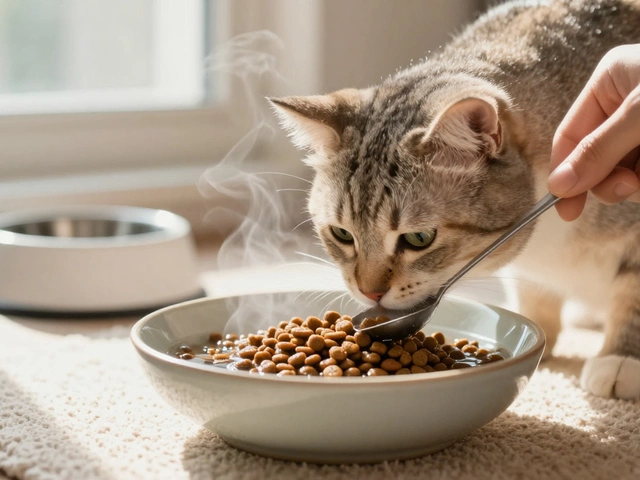
Yes. Wet food has much higher water content than dry kibble, which means more frequent trips to the yard. Also, some low-quality fillers can cause loose stools or more frequent urination. Stick to a high-quality puppy diet and keep water available, but consider limiting it an hour before bedtime.