Newborn Puppy Weight & Health Tracker
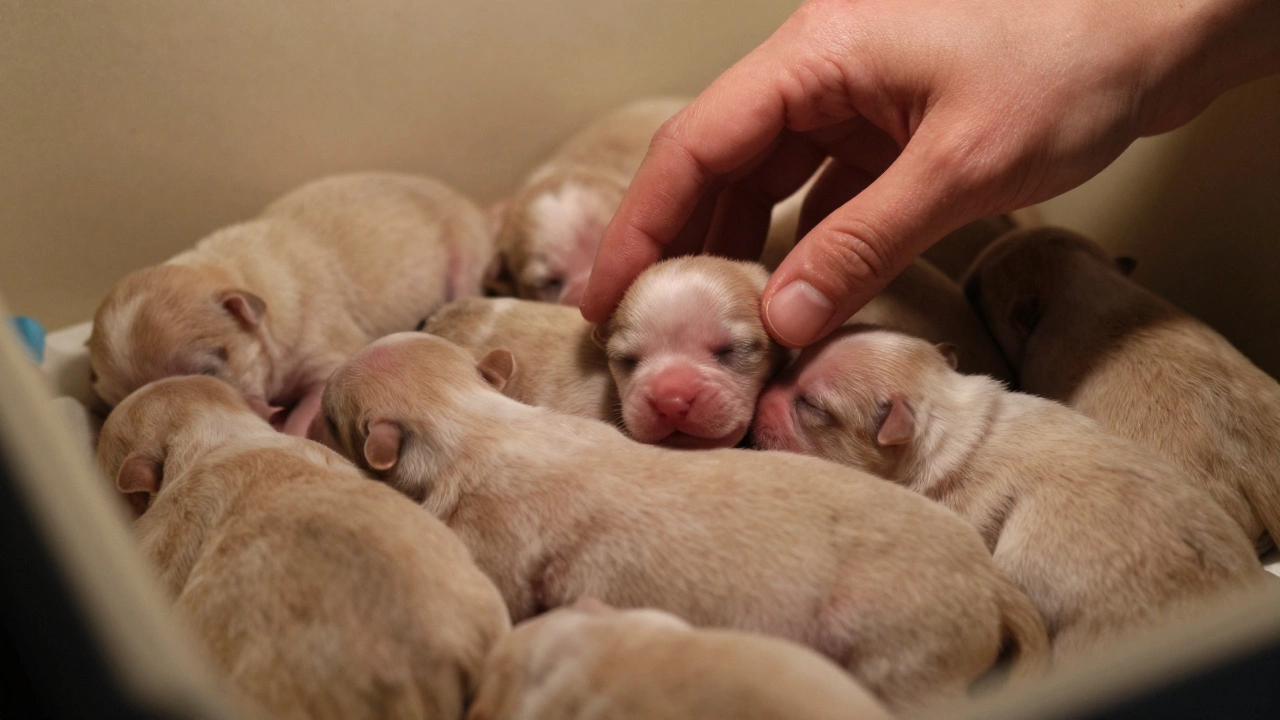
It’s 2 AM. Your new litter of puppies has just arrived, and the mother is exhausted. One pup seems quieter than the others, barely moving. The instinct to reach out, check on them, or even pick them up is overwhelming. But before your hand crosses that threshold, you need to pause. Can you actually touch a three-day-old puppy? The short answer is yes, but with strict boundaries. The long answer involves understanding biology, behavior, and the delicate balance between helping and harming.
Newborn puppies are in their most vulnerable stage of life. At three days old, they are blind, deaf, and completely dependent on their mother for warmth, nutrition, and elimination. Every interaction you have with them carries weight. Getting it right ensures healthy development; getting it wrong can lead to rejection by the mother or health complications for the pups. This guide breaks down exactly how, when, and why you should interact with these tiny creatures.
Why do people worry about touching newborn puppies?
The main concern is that human scent might cause the mother dog to reject or harm her puppies. While this is largely a myth among domestic dogs, there is a real risk: excessive handling can stress the mother, leading her to move the litter to an unsafe location or neglect nursing. Additionally, newborns have fragile immune systems, so hygiene is critical.
The Biology of the Neonatal Period
To understand how to handle a three-day-old puppy, you first need to understand what they are capable of. In veterinary science, the period from birth to two weeks is called the neonatal period, which is the first two weeks of a puppy's life characterized by rapid growth and sensory deprivation. During this time, a puppy’s world is defined by temperature and smell. They cannot see or hear yet. Their only goals are to sleep, eat, and stay warm.
A three-day-old puppy loses about 10% of its body weight in the first 24 hours after birth. By day three, if they are nursing correctly, they should start regaining that weight. Their skin is thin and sensitive. Their bones are soft. Rough handling can cause physical injury, even if it feels gentle to adult hands. More importantly, they lose body heat rapidly. Removing a puppy from the warmth of the pile for more than a few minutes can drop their core temperature dangerously low, leading to hypothermia.
- Sensory Status: Eyes closed, ears sealed. No visual or auditory input.
- Mobility: Limited to crawling and reflexive movements.
- Thermoregulation: Cannot regulate own body temperature. Relies entirely on external heat sources (mother and siblings).
- Elimination: Requires maternal licking to stimulate bowel and bladder movement.
Understanding these biological constraints changes how you view "touching." It’s not just about petting; it’s about survival mechanics. When you pick up a puppy, you are removing it from its heat source and interrupting its primary function: feeding.
The Myth of Human Scent Rejection
You’ve likely heard the warning: "Don’t let the mom smell humans on the babies, or she’ll kill them." This belief stems from wild canid behavior. In the wild, predators might use scent trails to find vulnerable young. Domestic dogs, however, have been bred alongside humans for thousands of years. Studies in animal behavior show that domestic mother dogs rarely reject puppies due to human scent alone.
However, the fear isn't entirely baseless. What *does* happen is that frequent disturbance can stress the dam (the mother dog). If she feels her nest is insecure, she may become agitated. An agitated mother might stop nursing properly, pace excessively, or try to move the puppies to a new spot, potentially leaving some behind. So, while she won’t attack them because you touched them, your interference might indirectly compromise their care.
The key is consistency. If you must handle them, do so calmly and quietly. Avoid strong perfumes, colognes, or food smells on your hands. Wash your hands thoroughly with unscented soap before approaching the whelping box.
When Handling Is Necessary: Puppy Stimulation
There are specific scenarios where touching a three-day-old puppy is not just allowed but required. The most common is puppy stimulation, which is a technique used to mimic the mother's licking to help newborns breathe, digest, and eliminate waste. This is especially critical if the mother is absent, inexperienced, or uninterested in cleaning her puppies.
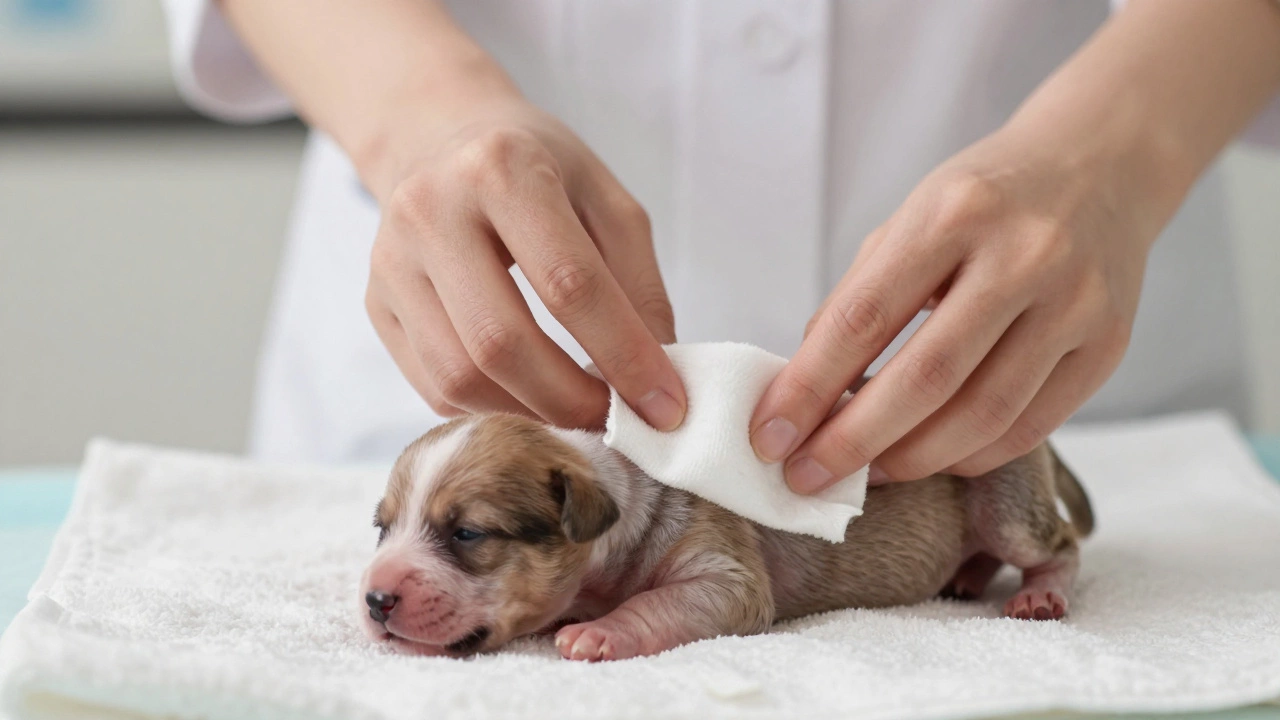
Newborn puppies do not urinate or defecate on their own. They require tactile stimulation of their genital and anal areas to trigger the reflex. Usually, the mother does this constantly. If she doesn’t, the puppies will become bloated, uncomfortable, and eventually toxic from retained waste. You can perform this task using a soft, warm, damp cloth.
- Wash your hands and warm a clean cotton ball or gauze pad with warm water.
- Gently wipe the puppy’s genital and anal area in a circular motion.
- Continue until the puppy eliminates urine or feces.
- Clean the puppy immediately afterward to prevent skin irritation.
This process should be done every two to four hours, typically before and after feeding. It’s a vital part of neonatal care. If you notice a puppy that is consistently quiet, cold, or bloated, this stimulation might save its life.
Safe Handling Techniques for Day 3
If you need to weigh the puppies, check for hernias, or simply ensure they are all present, you must handle them correctly. At three days old, puppies are slippery and fragile. Never lift a puppy by the scruff of the neck unless you are experienced and doing so briefly for medical reasons. Instead, support their entire body.
Use one hand to support the chest and shoulders, and the other to support the hindquarters and tail. Keep the puppy close to your body to maintain warmth. Limit handling time to under five minutes per session. After handling, return the puppy directly to the center of the pile, ensuring it is nestled against its siblings and mother.
| Action | Recommendation | Reason |
|---|---|---|
| Washing Hands | Essential | Prevents transfer of bacteria to immunocompromised puppies. |
| Lifting by Scruff | Avoid | Risk of injury to trachea and spine; causes distress. |
| Weighing Daily | Recommended | Ensures each puppy is gaining weight (should gain ~5-10g/day). |
| Using Strong Scents | Avoid | May distract or stress the mother dog. |
| Prolonged Separation | Avoid | Leads to hypothermia and dehydration. |
Consistency is key. If you decide to handle them daily for weighing, do it at the same time each day. This helps the mother anticipate the activity and reduces her anxiety. She learns that your presence means a quick check-up, not a threat.
Signs That a Puppy Needs Immediate Attention
Not all puppies thrive equally. Some are stronger competitors at the teat, while others struggle. At three days old, subtle signs indicate serious problems. You don’t need to be a vet to spot these red flags. Regular, gentle checks allow you to intervene early.
Watch for the following indicators during your brief handling sessions:
- Cold to the touch: A healthy puppy should feel warm. If a puppy is cool, it is likely hypothermic. Place it back in the pile immediately and consider adding a heat lamp (set to low) nearby.
- Bloated belly: A slightly round belly is normal after eating. A hard, distended belly suggests constipation or gas. Stimulate elimination.
- Weak suckling reflex: If the puppy cannot latch onto the nipple, it will starve. You may need to bottle-feed with a specialized puppy milk replacer (never cow’s milk).
- Excessive crying: Occasional whimpering is normal. Constant, high-pitched crying often indicates hunger, pain, or being left out of the warm pile.
If a puppy shows any of these signs, do not hesitate to contact a veterinarian. Early intervention in the neonatal period can mean the difference between life and death.
The Role of the Mother Dog
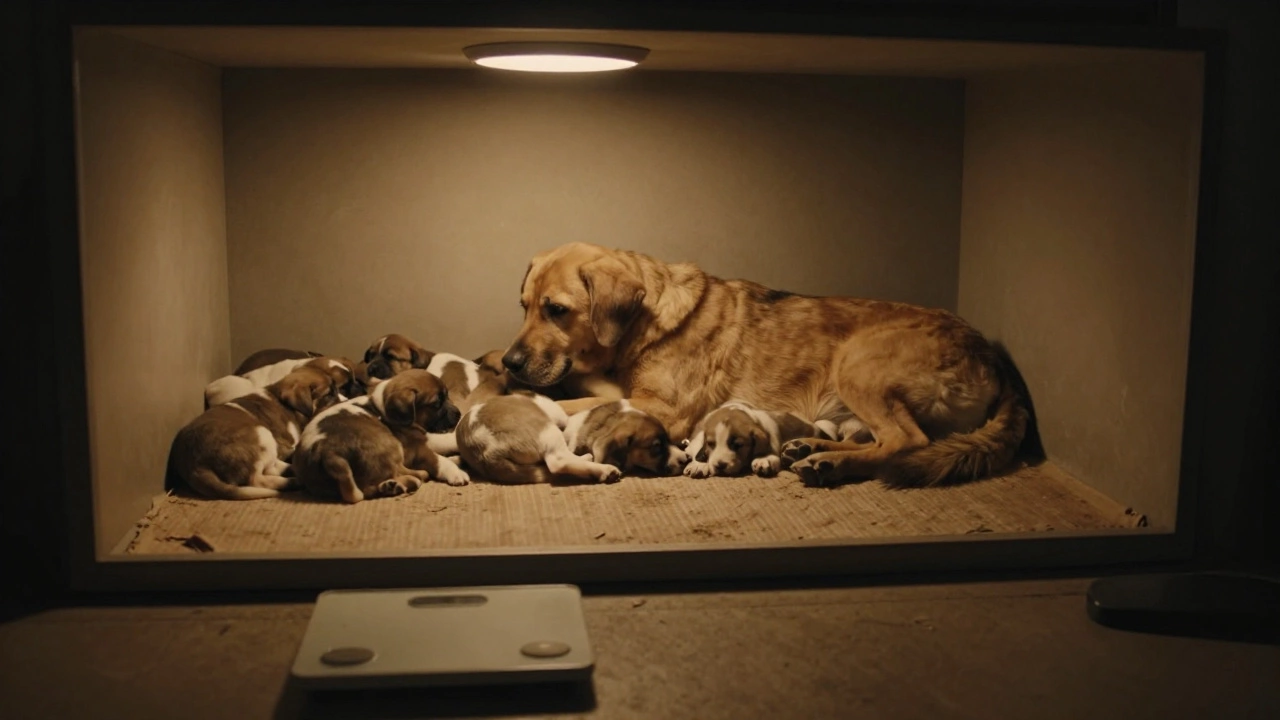
While you play a supportive role, the mother is the primary caregiver. Her instincts are powerful. She spends 90% of her time lying with the puppies, nursing, and cleaning them. Your job is to facilitate this environment, not replace it.
Ensure the whelping box is quiet, dark, and draft-free. Place it in a room where foot traffic is minimal. If the mother seems anxious, avoid hovering over the box. Let her establish her routine. If she moves the puppies, investigate why. Was the box too cold? Too noisy? Adjust the environment rather than forcing her to stay in one spot.
Monitor her appetite and hydration as well. Lactation is energy-intensive. She needs high-quality food and constant access to fresh water. A healthy mother produces better milk, which boosts the puppies' immune systems through colostrum and subsequent milk.
Transitioning to Socialization
At three days old, socialization is not the priority. Survival is. However, the foundation for future temperament is laid now. Calm, predictable interactions with humans reduce fear responses later in life. This is known as early neurological stimulation, which is a program designed to enhance stress tolerance and cardiovascular strength in puppies through brief, controlled stimuli. Programs like BioSensor involve brief moments of cold air exposure, upright positioning, and swaying motions.
You can introduce mild elements of this protocol starting around day 3 to day 5. For example, holding a puppy upright for 10 seconds, then returning it to the pile. This builds resilience. But remember, less is more. Do not overwhelm the puppy. The goal is micro-interactions, not playtime.
As the puppies approach two weeks, their eyes will open. Then, gentle handling can increase. But for now, keep it clinical, calm, and brief.
Common Mistakes to Avoid
Even well-meaning owners make errors in the first week. Here are the most frequent pitfalls:
- Over-handling: Visiting friends and family want to hold the puppies. Resist this urge. Limit visitors until the puppies are at least two weeks old and weaning has begun.
- Ignoring the weakest pup: Assuming the smallest puppy will "catch up" on its own. It won’t. Active intervention is required.
- Using cow’s milk: Cow’s milk lacks the necessary nutrients and can cause severe diarrhea in puppies. Always use a commercial puppy milk replacer.
- Neglecting hygiene: Dirty bedding leads to infection. Change pads frequently, but keep the puppies in a separate, clean container while you swap the bedding to avoid chilling them.
By avoiding these mistakes, you create a stable environment where the puppies can focus on growing.
Conclusion: Trust Your Instincts, Respect Their Fragility
So, can you touch a three-day-old puppy? Yes. You should, in fact, monitor them closely. But treat them like precious glass artifacts. Handle with purpose, hygiene, and brevity. Your involvement can save a struggling puppy, but excessive interference can disrupt the natural bond between mother and offspring.
Stay observant. Weigh them daily. Stimulate elimination if needed. Keep the environment warm and quiet. And always defer to the mother’s lead unless medical necessity dictates otherwise. With careful attention, those tiny, helpless balls of fur will grow into strong, healthy dogs.
How long should I handle a 3-day-old puppy?
Limit handling to 5 minutes or less per session. Newborns lose heat quickly and need to be back with their mother and siblings to stay warm and feed.
Will the mother dog reject puppies if I touch them?
It is highly unlikely for domestic dogs. However, excessive handling can stress the mother, causing her to move the litter or nurse less effectively. Wash hands and minimize scent transfers.
What should I do if a puppy is not pooping?
Use a warm, damp cloth to gently stimulate the genital and anal area in a circular motion. This mimics the mother's licking and triggers the elimination reflex. Do this before and after feeding.
Can I give a 3-day-old puppy water?
No. Puppies get all necessary hydration from their mother's milk. Giving water can dilute their electrolytes and cause digestive issues. Only introduce water when they begin solid food around 4-5 weeks.
How much weight should a puppy gain in the first week?
Puppies typically lose 10% of their birth weight in the first 24 hours, then regain it by day 3. After that, they should gain approximately 5-10 grams per day, doubling their birth weight by day 7-10.
Is it safe to use a heat lamp for newborn puppies?
Yes, but with caution. Set the lamp to a low setting and place it so that only half the whelping box is heated. This allows puppies to move away if they get too hot. Monitor temperatures to ensure they stay between 85-90°F (29-32°C) for the first week.
What if the mother dog ignores the puppies?
Contact a veterinarian immediately. You may need to hand-reed the puppies with a specialized formula and provide artificial stimulation for elimination. This is an emergency situation requiring professional guidance.