
Puppy Care: Simple Tips for a Happy, Healthy Pup
Bringing a new puppy home is exciting, but it can feel overwhelming when you’re not sure what to do first. The good news? Most puppy worries boil down to three things: where they sleep, how they behave at night, and how they grow. Below you’ll find straight‑forward advice that you can start using tonight.
Crate & Sleep Basics
Most owners swear by a crate because it gives the pup a safe den‑like space. If you’re wondering whether to cover the crate at night, a light blanket or a breathable cover can help a nervous pup feel secure without trapping heat. Just make sure the cover doesn’t touch the floor and that you can see the pup if needed.
Should you lock the crate during the day? Short periods (30‑60 minutes) are fine for puppies who can hold it that long. Longer locks can lead to anxiety, especially if the pup needs a bathroom break. Keep an eye on their bathroom schedule and let them out before they’re too uncomfortable.
Lights off? Most puppies sleep best in low‑light conditions because it mimics a den. A dim night‑light works if you need to check on them, but a bright room can keep them alert and cause restless whining.
When the puppy whines or barks in the crate, pause and listen. A quick check for a need to go outside is wise. If the pup is just a little restless, give them a minute to settle on their own. Over‑responding can teach them that crying gets attention, while occasional calm ignores help them learn that the crate is a safe spot.
Growth & Development Milestones
Kids think puppies grow overnight, but there are clear stages. Small breeds often hit adult size by 9‑12 months, medium breeds around 12‑15 months, and large breeds can take up to 18‑24 months. During these phases you’ll see changes in energy, chewing, and even temperament.Watch for the “puppy‑to‑adult” switch: the puppy’s jaw gets stronger, they may start testing boundaries more, and sleep patterns shift. Keep training consistent and increase mental stimulation – puzzle toys, short fetch sessions, and gentle obedience drills work well.
If your pup cries at night, first rule out basic needs: bathroom, hunger, or temperature. If those are fine, try a calming routine – a short walk, a gentle brush, and a consistent bedtime cue (like a soft word). Over time the pup will associate the cue with sleep and cry less.
First‑night sleep arrangements set the tone. Choose a comfy bed or blanket inside the crate, place it in a quiet corner, and keep the area free of drafts. A familiar scent – a shirt you’ve worn – can calm a nervous pup and make the new space feel like home.
Remember, each puppy is an individual. Some will love a covered crate, others will hate it. Some will sleep in total darkness, others need a tiny night‑light. The key is to observe, try one change at a time, and watch how your pup reacts.
By focusing on safe sleeping spots, responding wisely to nighttime cries, and understanding growth milestones, you’ll build trust and set a solid foundation for a well‑behaved dog. Keep the advice simple, stay patient, and enjoy watching your new companion grow into a confident adult.
 8 March 2026
- Morgan Ainsworth
- 0 Comments
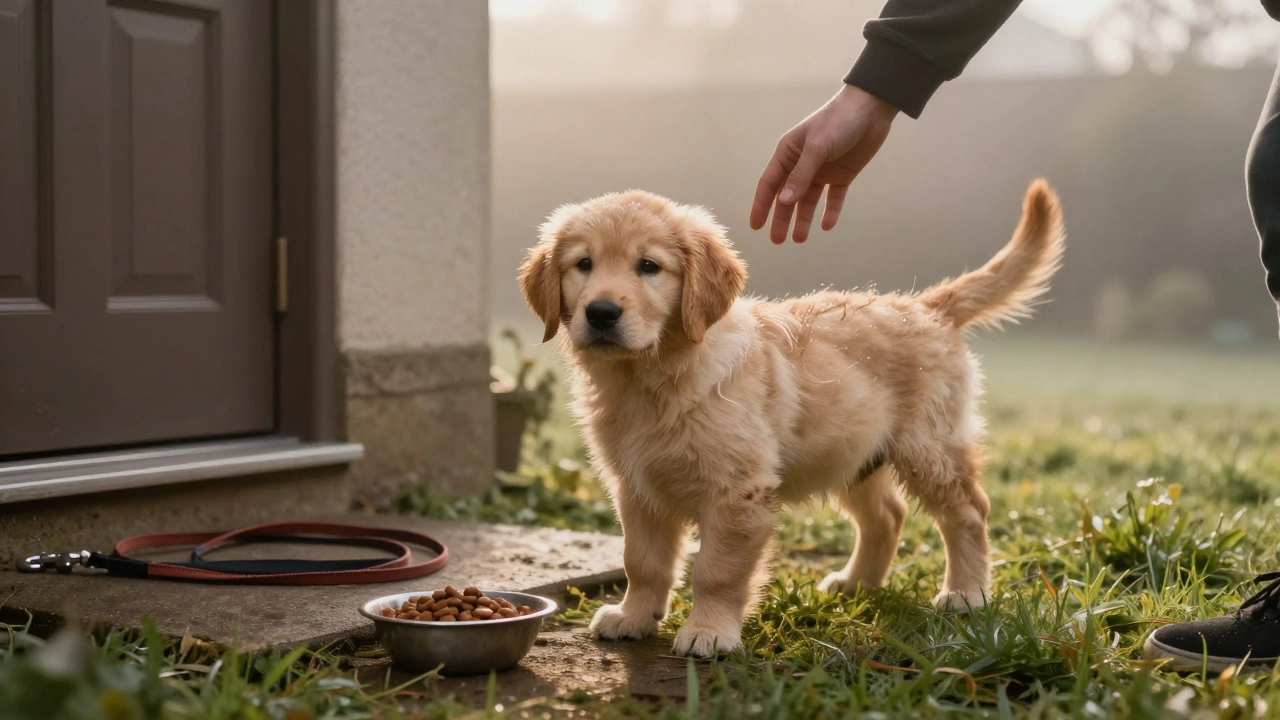
What Is a Good Routine for an 8-Week-Old Puppy?
An 8-week-old puppy needs structure: regular potty breaks, short play sessions, plenty of sleep, and gentle socialization. A consistent daily routine builds good habits, prevents accidents, and sets the foundation for a calm, well-behaved dog.
View More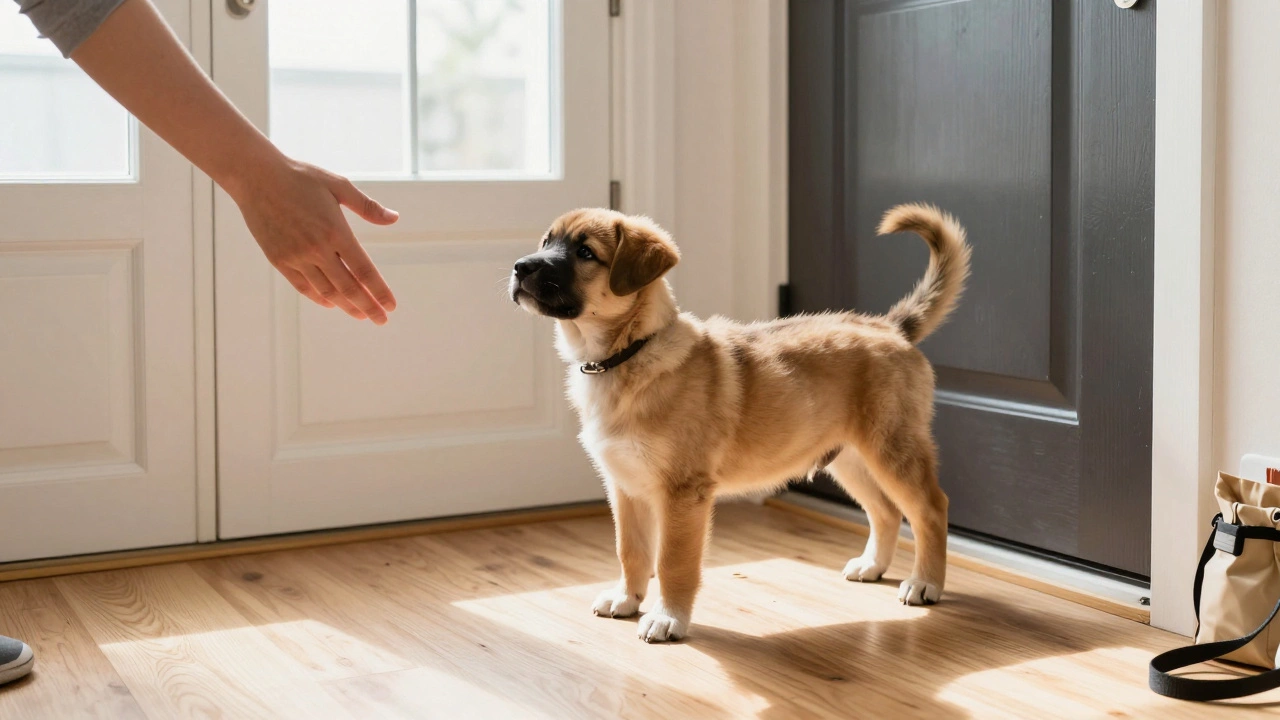 19 February 2026
- Morgan Ainsworth
- 0 Comments
Are Girl or Boy Dogs Harder to Potty Train? The Real Answer
The truth about potty training male vs female puppies: gender doesn't matter as much as timing, consistency, and early spaying or neutering. Learn what actually works based on real data and owner experiences.
View More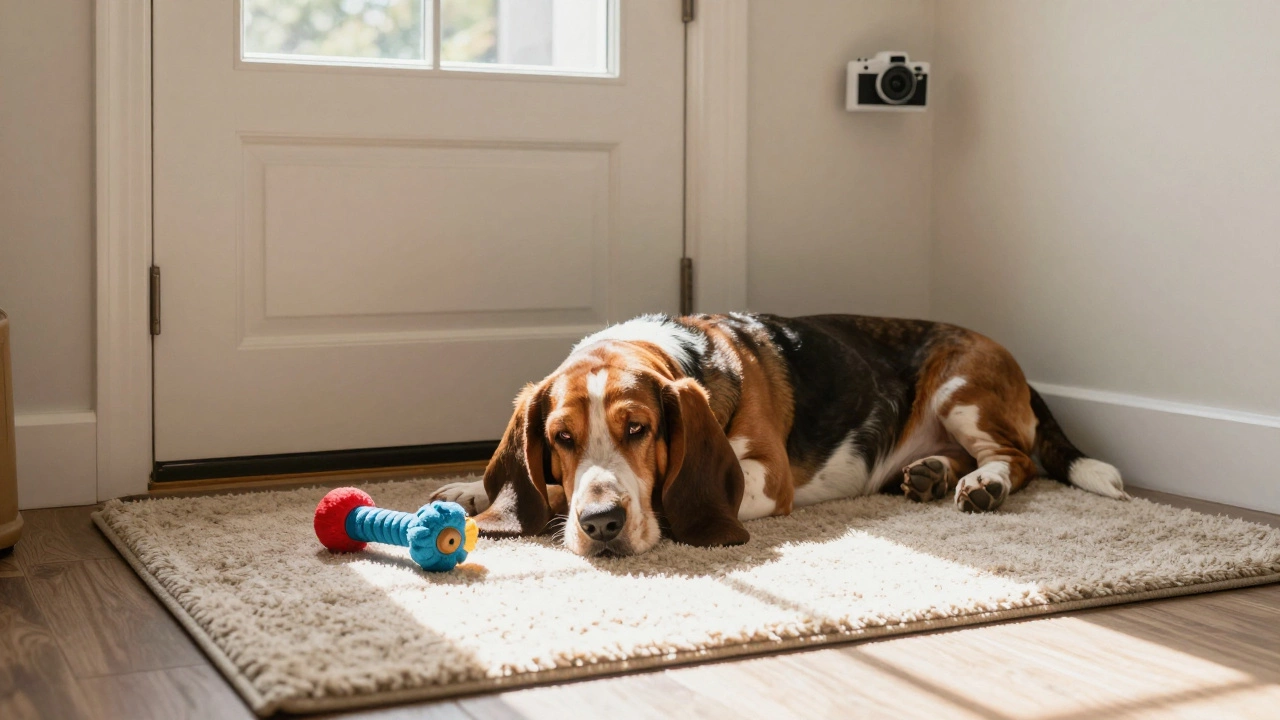 16 February 2026
- Morgan Ainsworth
- 0 Comments
Can You Have a Dog if You Work 9 to 5?
You can absolutely have a dog if you work 9 to 5-but only if you plan ahead. Learn how to choose the right breed, build a daily routine, prevent separation anxiety, and use toys to keep your dog happy while you're away.
View More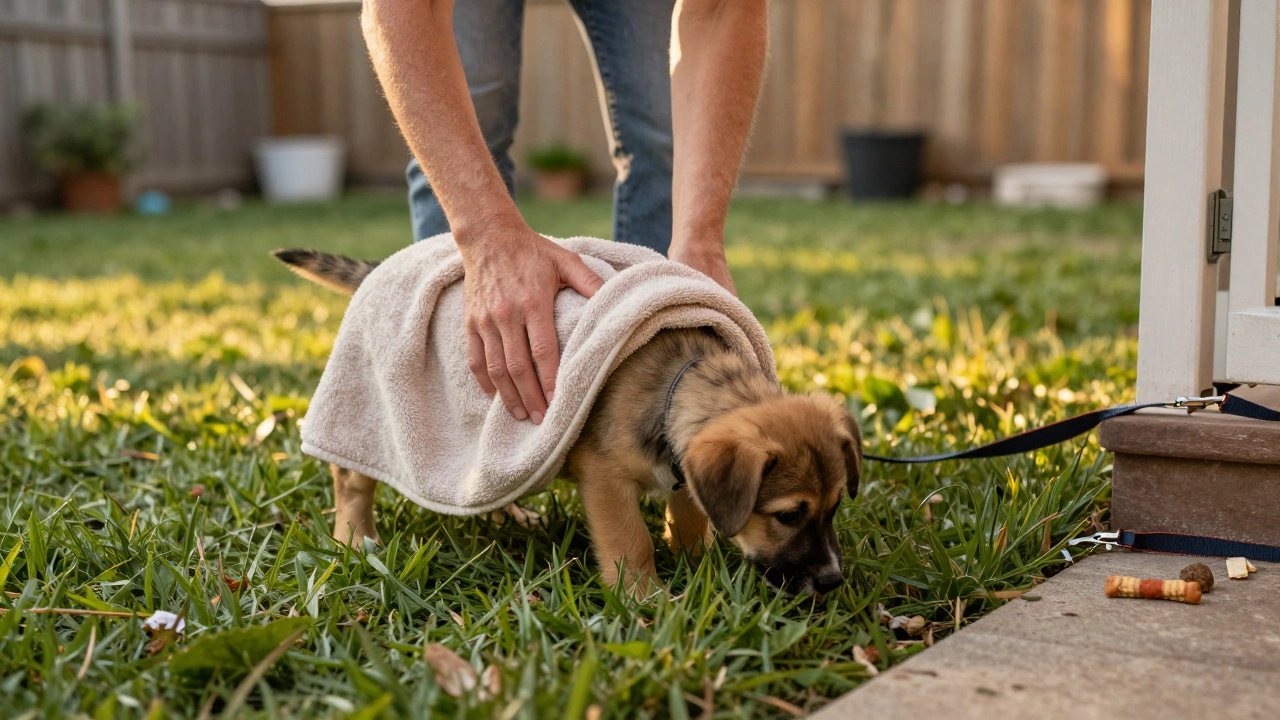 2 February 2026
- Morgan Ainsworth
- 0 Comments
Can I Take My 8-Week-Old Puppy Outside to Pee? A Simple Guide for New Owners
Yes, you can take your 8-week-old puppy outside to pee-but only in safe, controlled areas. Learn the right schedule, where to go, what to avoid, and how to build good potty habits without risking their health.
View More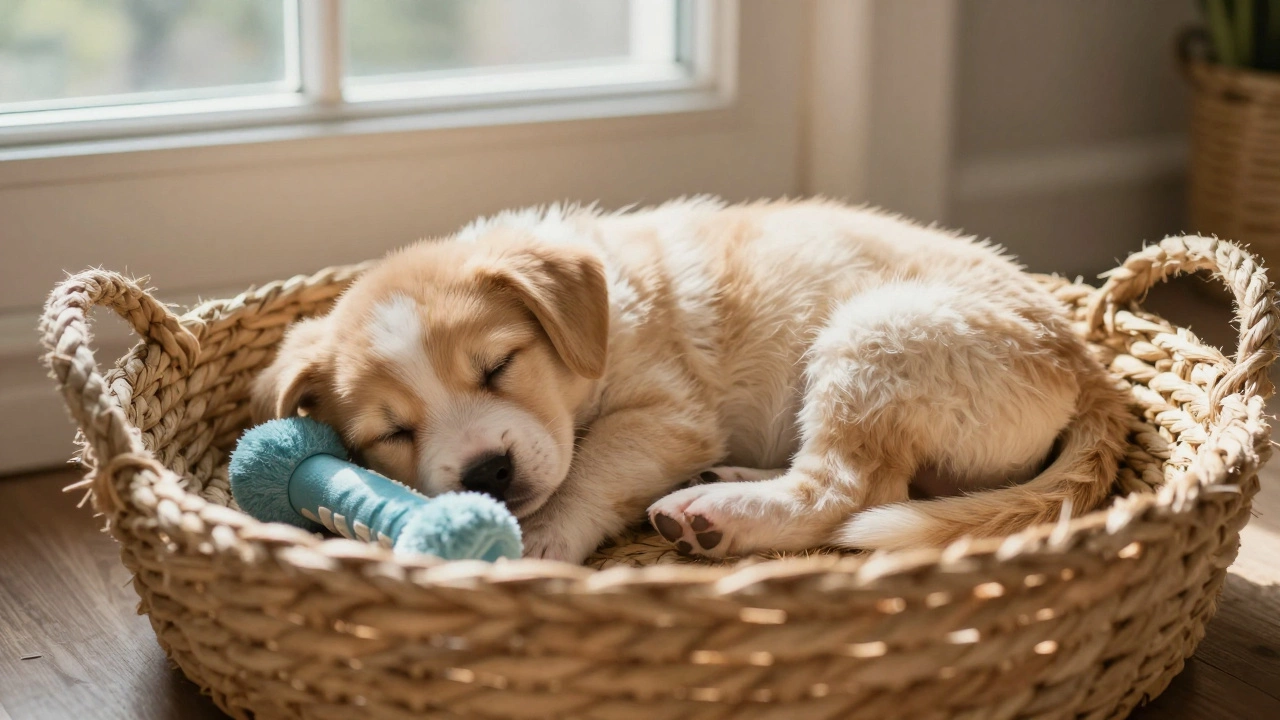 25 January 2026
- Morgan Ainsworth
- 0 Comments
Do I Need to Entertain My Puppy All Day? Realistic Play and Rest Rules
No, you don't need to entertain your puppy all day. Puppies thrive on short play sessions, quiet time, and routine-not constant stimulation. Learn how much play is enough and how to use toys wisely.
View More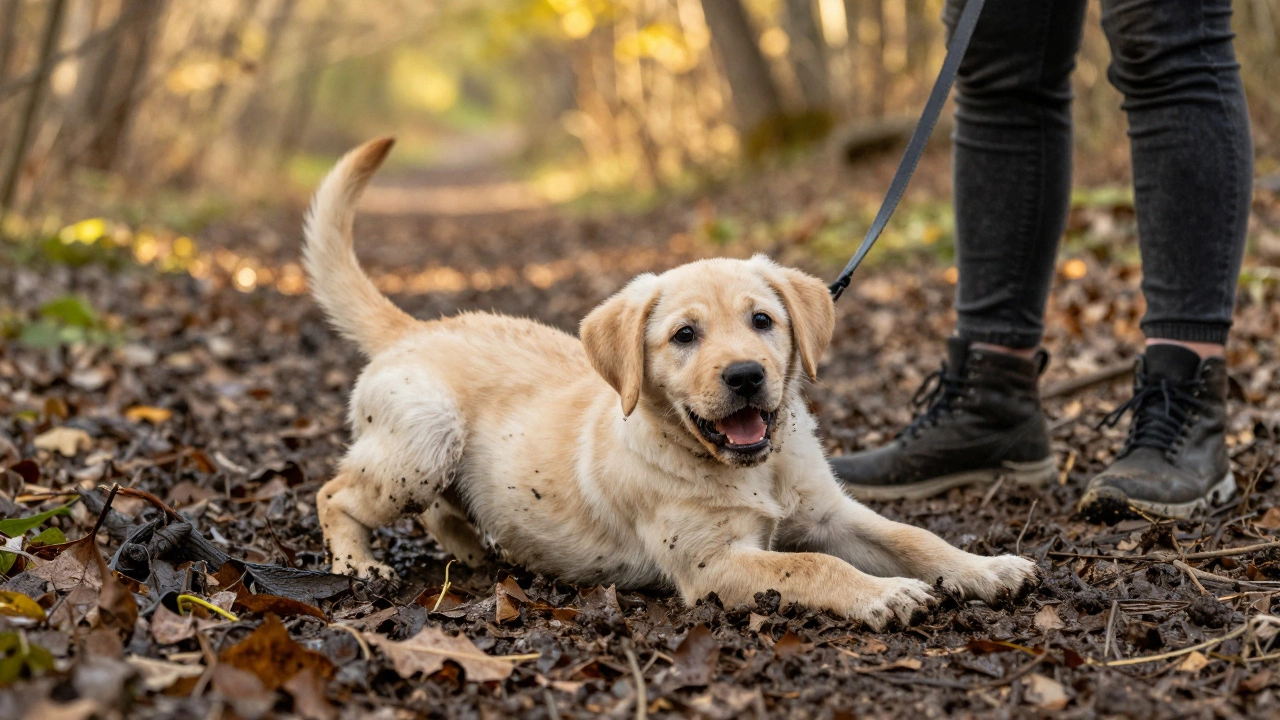 15 January 2026
- Morgan Ainsworth
- 0 Comments
What Is Dirty Dog Syndrome? Understanding and Fixing Poor Hygiene in Puppies
Dirty dog syndrome is when puppies deliberately seek out dirt and foul smells-not out of mischief, but instinct. Learn why it happens and how to stop it with simple, effective training.
View More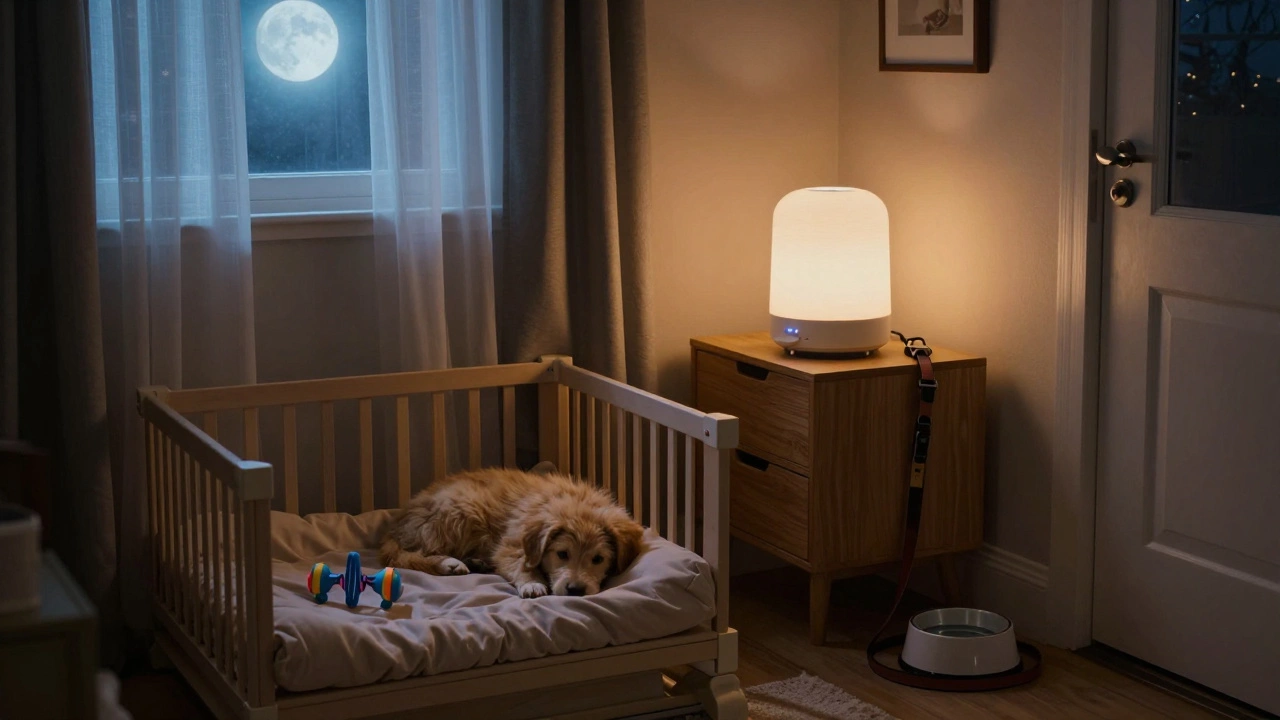 11 January 2026
- Morgan Ainsworth
- 0 Comments
What Time Should a Puppy Go to Bed? A Simple Guide for New Owners
Learn the best bedtime for your puppy based on age, how to build a calming routine, and what to do when they wake up at night. A practical guide for new puppy owners.
View More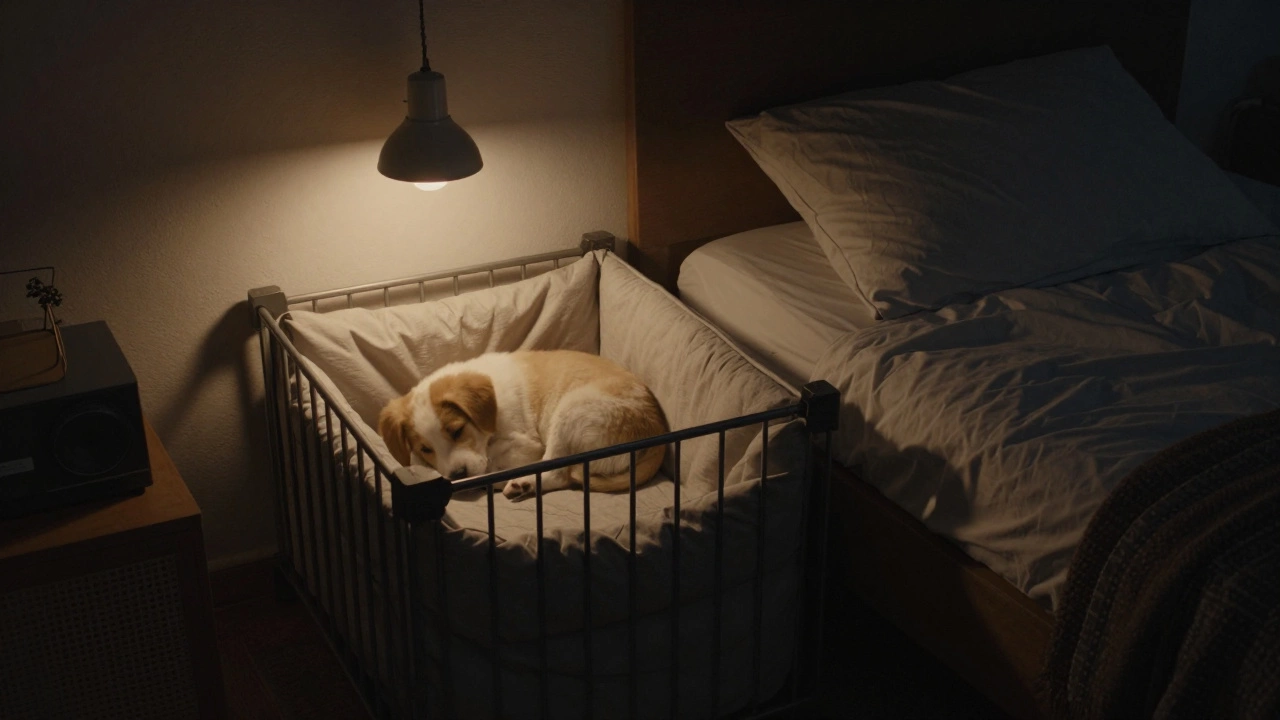 8 January 2026
- Morgan Ainsworth
- 0 Comments
What Is a Good Bedtime for an 8-Week-Old Puppy?
An 8-week-old puppy needs 18-20 hours of sleep daily. A good bedtime is between 8 p.m. and 10 p.m., with a calm routine to help them settle. Expect nighttime wake-ups for potty breaks-this is normal. Consistency is key to teaching them to sleep through the night.
View More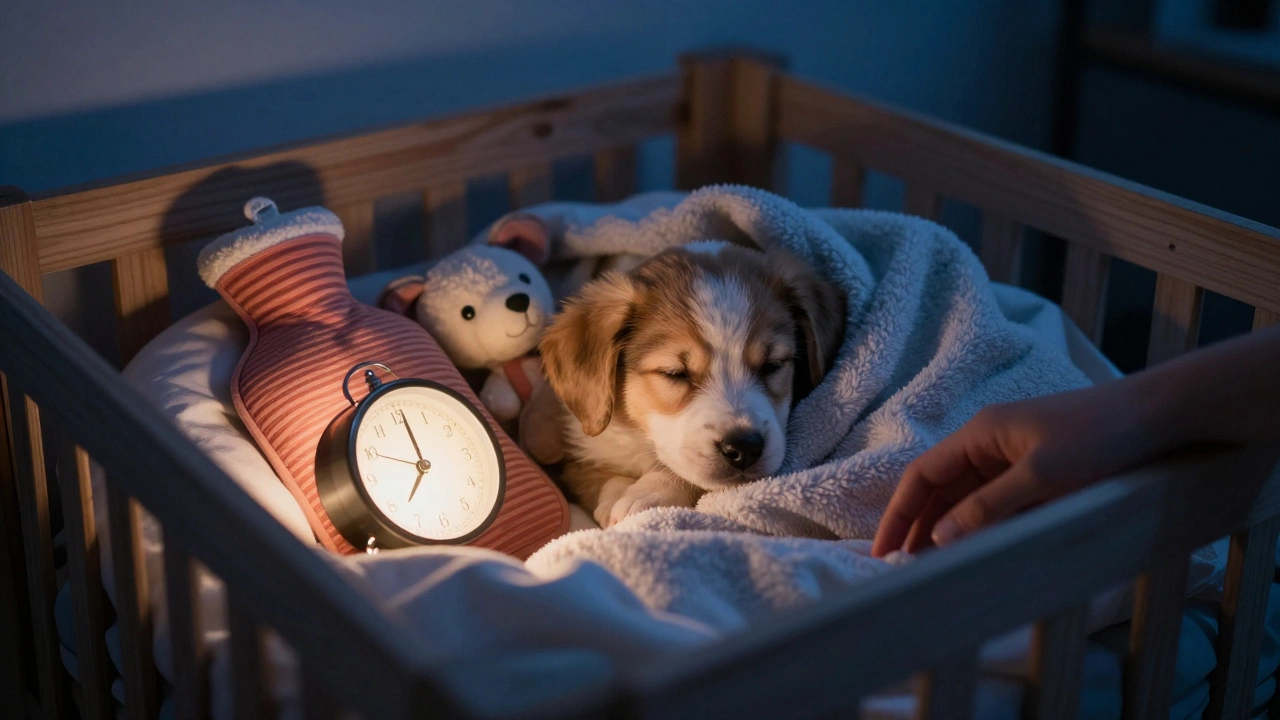 4 January 2026
- Morgan Ainsworth
- 0 Comments
Is It Okay to Ignore Your Puppy Crying at Night? What Really Works
Should you ignore your puppy crying at night? No-ignoring can increase anxiety. Learn why puppies cry, how to respond calmly, and what actually helps them sleep through the night without fear or long-term behavioral issues.
View More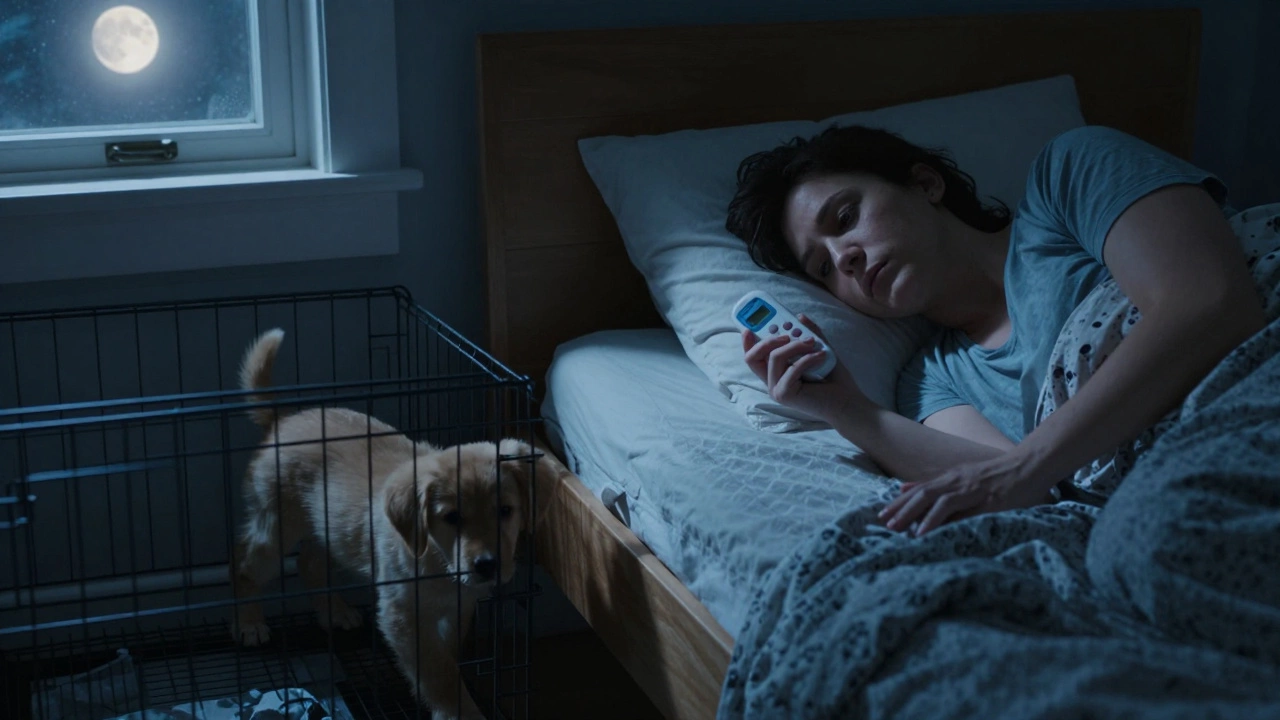 4 December 2025
- Morgan Ainsworth
- 0 Comments
Should I Wake Up in the Middle of the Night to Let My Puppy Pee?
You don't need to wake up every time your puppy cries at night. Learn how to tell real potty needs from normal puppy behavior and train them to sleep through the night without constant interruptions.
View More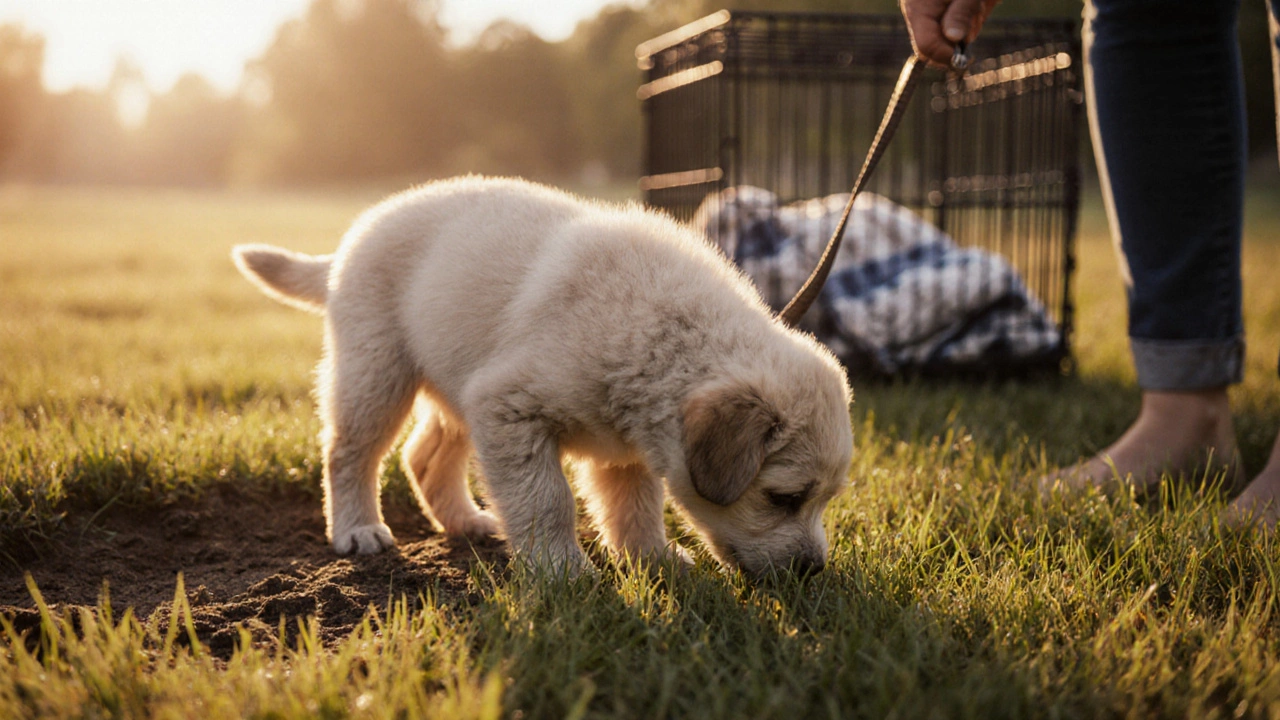 27 November 2025
- Morgan Ainsworth
- 0 Comments
Can an 8-Week-Old Puppy Be Potty Trained? Yes, Here’s How
Yes, an 8-week-old puppy can be potty trained. Start with a strict schedule, use a crate, take them out often, and reward success. Patience and consistency beat punishment every time.
View More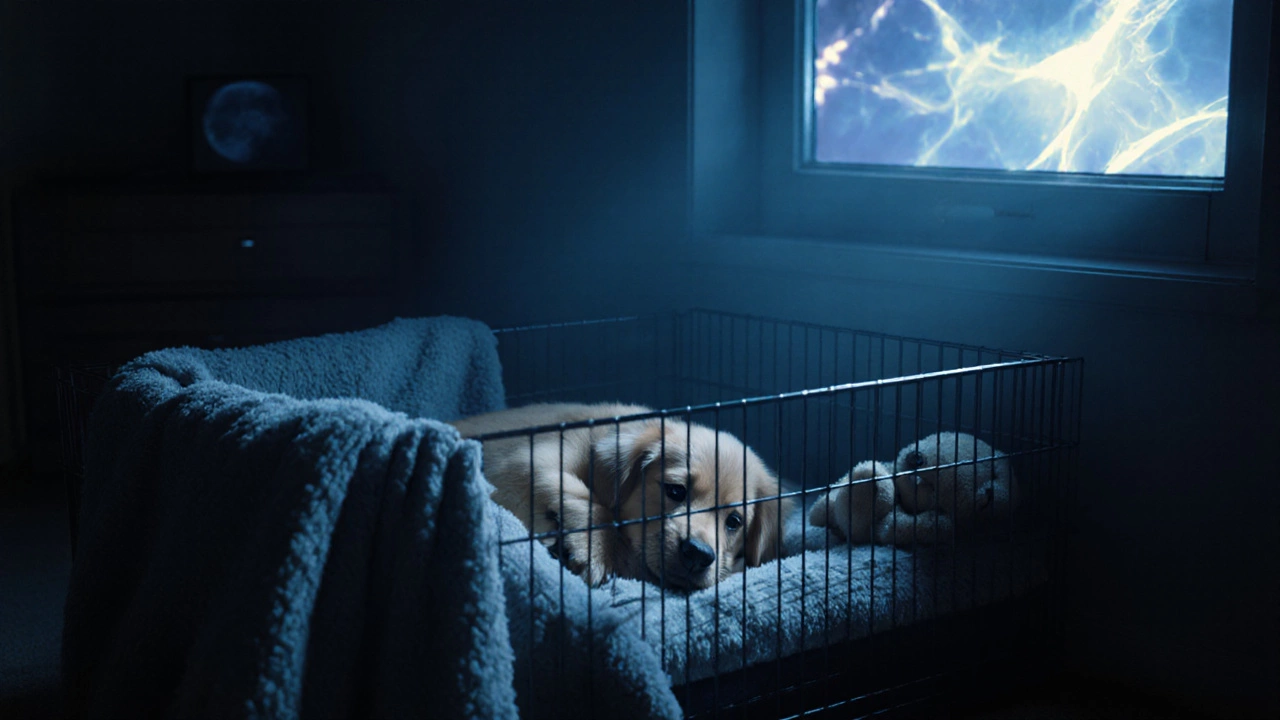 28 October 2025
- Morgan Ainsworth
- 0 Comments
Should You Leave the TV On for Your Puppy at Night?
Leaving the TV on for your puppy at night might seem comforting, but it can actually disrupt sleep and hinder development. Learn what puppies really need for restful nights and better alternatives to screen noise.
View More