Puppy Sleep Impact Calculator
Your Puppy's Setup
Sleep Impact Analysis
Estimated Sleep Quality
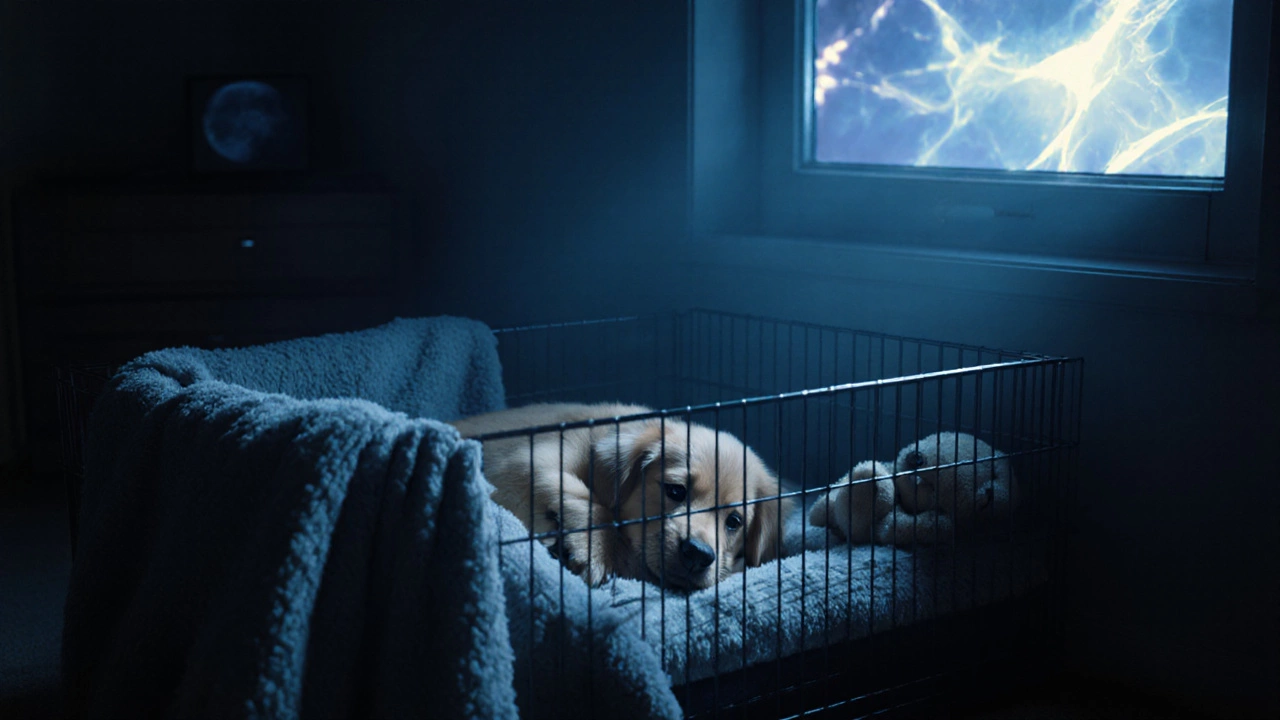
Leaving the TV on for your puppy at night is a common habit among new dog owners. You might think it helps them feel less alone, keeps them calm, or even drowns out scary noises. But does it actually help your puppy sleep better-or could it be making things worse?
Why People Leave the TV On for Puppies
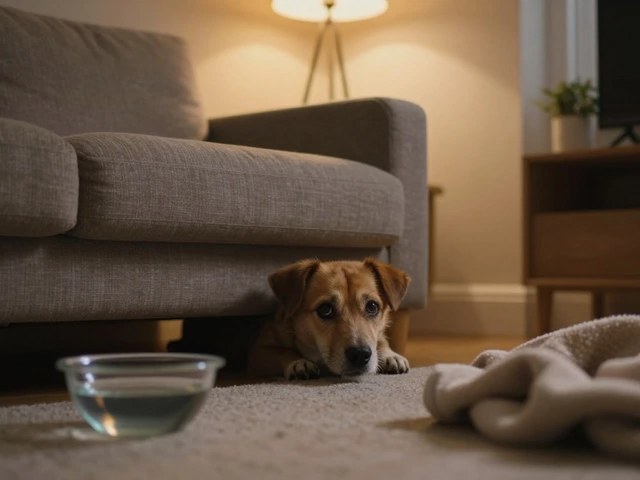
Most owners do it out of guilt. You’re leaving your puppy alone in a quiet house, maybe in a crate or a corner of the bedroom, and the silence feels too heavy. So you turn on the TV. A nature documentary, a sitcom, even a news channel-it feels like you’re giving them company. Some believe background noise mimics the sounds of a litter or a busy household, which should be comforting. But puppies aren’t humans. They don’t understand plotlines or recognize faces on screen. What they do sense are sudden changes: loud laughs, sharp barks from a show, a sudden explosion in an action movie. These aren’t soothing-they’re startling.What Puppies Really Need at Night
Puppies, especially under six months, have tiny bladders and high energy levels. They’re still learning how to sleep through the night. Their natural instinct is to stay alert. In the wild, puppies sleep close to their mother and littermates for warmth and safety. In your home, they’re isolated. That’s why they whine, pace, or bark. What they need isn’t TV noise. They need:- A consistent bedtime routine
- A safe, cozy sleeping spot
- Physical tiredness from daytime exercise
- Emotional security, not sensory overload
How TV Noise Affects Puppy Sleep
Puppies have sharper hearing than adult dogs. They can pick up frequencies you can’t even hear. The TV emits constant low-level noise-humming, shifting volume, sudden dialogue. This isn’t white noise. It’s unpredictable. A 2023 study from the University of Edinburgh’s Animal Behavior Lab found that puppies exposed to fluctuating audio (like TV or radio) took 40% longer to fall asleep and woke up 3x more often than those in quiet environments. The brain stays in a state of partial alertness, trying to decode sounds that make no sense. Even if your puppy seems calm while the TV is on, they’re not truly resting. Deep, restorative sleep is critical for brain development, immune function, and emotional regulation. Interrupted sleep leads to irritability, poor training progress, and even anxiety down the line.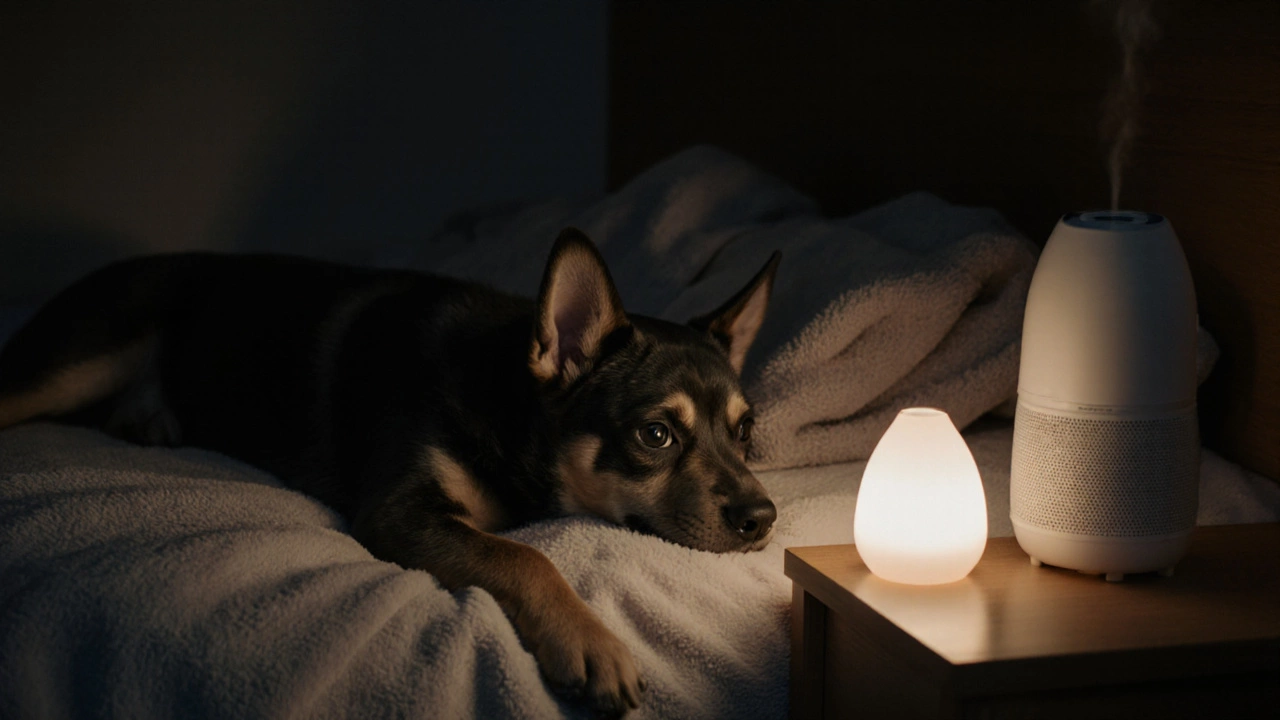
When TV Might Help-And How to Do It Right
There’s one exception: if your puppy has severe separation anxiety. In those cases, a constant, low-volume sound can help mask sudden noises like doorbells, thunder, or cars backfiring. But even then, TV isn’t the best tool. Here’s what works better:- Use a white noise machine or app with steady, non-changing sound (like rainfall or fan noise).
- Play calming music designed for dogs-studies show classical music with slow tempos (60-80 BPM) reduces stress.
- If you must use TV, set it to a quiet channel (like PBS or a nature loop) and turn the volume down to barely audible.
- Turn it off 30 minutes before bedtime. Your puppy needs to learn that nighttime = quiet time.
What to Do Instead
Here’s a simple nighttime plan that actually works:- Feed dinner 2 hours before bed
- Take a long, calm walk 30 minutes before bedtime
- Do a 5-minute quiet cuddle or gentle massage
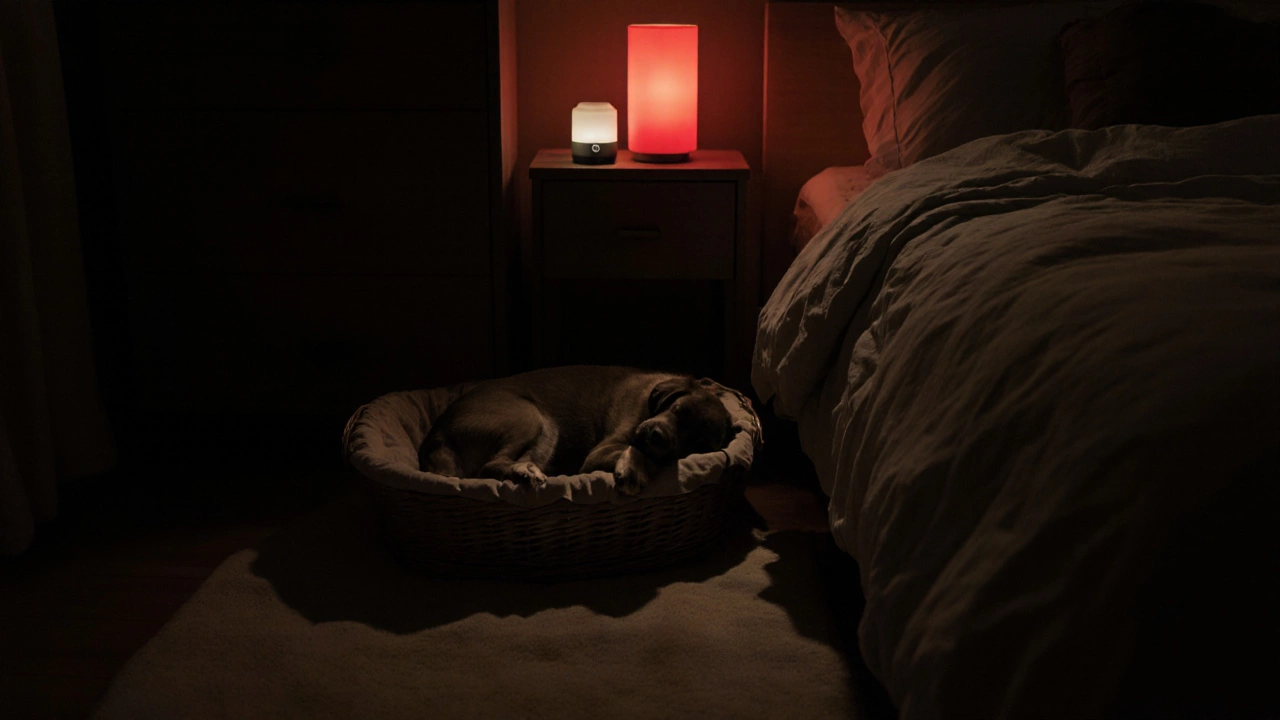
- Place their bed near yours (but not in your bed) so they hear your breathing
- Use a pheromone diffuser like Adaptil near their sleeping area
- Keep the room dark and cool-this signals it’s time to rest
Signs Your Puppy Is Overstimulated
If your puppy is restless at night even with the TV on, watch for these signs:- Pacing back and forth
- Excessive panting or drooling
- Whining or barking that doesn’t stop
- Chewing on their bed or crate
- Wide eyes and tense body even when lying down
Long-Term Impact of Nighttime TV
Relying on TV to soothe your puppy might seem harmless now, but it creates a dependency. By six months, your dog may start expecting noise to fall asleep. If you ever turn it off-because you’re traveling, the power goes out, or you just want quiet-they may panic. Dogs that learn to self-soothe in quiet environments grow into calmer, more confident adults. They handle changes better. They sleep through storms. They don’t freak out when the vacuum runs. Building that resilience starts with small, quiet nights.Final Answer: Should You Leave the TV On?
No-not as a regular habit. If you’re using it to drown out noise during thunderstorms or fireworks, a white noise machine is safer. If your puppy has anxiety, talk to a certified dog behaviorist. They can help you build real coping skills, not just noise bandaids. Your puppy doesn’t need background entertainment. They need you to teach them how to rest. That starts with silence, routine, and a little bit of patience.Is it okay to leave the TV on for a puppy all night?
It’s not recommended. Constant TV noise can disrupt your puppy’s sleep cycle and prevent deep rest. Puppies need quiet to develop healthy sleep habits. If you must use sound, opt for steady white noise or calming music instead.
Will the TV help with my puppy’s separation anxiety?
TV alone won’t fix separation anxiety. While background noise can mask sudden sounds, it doesn’t address the root cause. For true anxiety, use a pheromone diffuser, establish a calm routine, and consult a certified dog behaviorist. Relying on TV may make your puppy dependent on noise to feel safe.
What kind of sound is best for a puppy at night?
The best sounds are steady and non-sudden: white noise, rainfall, or a fan. Calming dog-specific music with slow tempos (60-80 BPM) has been shown in studies to reduce stress. Avoid TV, radio, or music with sudden changes in volume or loud voices.
Should I leave the lights on with the TV for my puppy?
No. Darkness signals bedtime to dogs. Leaving lights on-even dim ones-can interfere with melatonin production and make it harder for your puppy to fall asleep. Keep the room dark and quiet. If you need a nightlight for safety, use a very low-watt red or amber bulb, which is less disruptive.
My puppy sleeps fine with the TV on-why change it?
Just because your puppy seems calm doesn’t mean they’re sleeping deeply. Studies show background TV increases nighttime awakenings and reduces restorative sleep. Even if they look peaceful, their brain is still processing unpredictable sounds. Switching to quiet helps them build better long-term sleep habits.