Getting your puppy to sleep through the night is one of the biggest challenges new owners face. You’re tired, the puppy is wide awake, and the barking, whining, or accidents in the crate feel endless. But here’s the truth: puppy bedtime isn’t about forcing sleep-it’s about setting up the right conditions so sleep happens naturally.
Why Puppies Need a Consistent Bedtime
Puppies under six months old can’t sleep through the night like adult dogs. Their bladders are small, their brains are still learning how to calm down, and they’re processing a ton of new sensory input. Without a routine, they’ll nap when they’re tired and wake up when they’re bored-often at 3 a.m. with a full bladder and zero regard for your sleep schedule.A consistent bedtime helps regulate their internal clock. It tells their body when it’s time to wind down, just like it does for you. Studies show that puppies with regular sleep routines develop better impulse control and fewer anxiety-related behaviors by 12 weeks old. That’s not magic-it’s biology.
When Should a Puppy Go to Bed?
Most puppies do best with a bedtime between 8 p.m. and 10 p.m. But the exact time depends on their age and daily schedule.- 8-12 weeks old: Bedtime around 8 p.m. to 9 p.m. Their tiny bladders need a potty break every 2-3 hours, so you’ll need to wake up at least once during the night.
- 3-4 months old: Bedtime between 9 p.m. and 10 p.m. They can usually hold it for 4-5 hours at night.
- 5-6 months old: Most can sleep 6-8 hours straight. Bedtime can shift to 10 p.m. if your schedule allows.
The key isn’t just the clock-it’s the wind-down routine. If you put your puppy to bed at 10 p.m. but let them play fetch until 9:55 p.m., you’re setting them up for failure. Sleep doesn’t happen on command.
How to Build a Bedtime Routine
A good routine isn’t complicated. It’s predictable. Here’s what works:- Stop playtime 30-45 minutes before bed. No chasing, no tug-of-war, no zoomies. Calm activities only-gentle petting, light brushing, or a slow walk.
- Take them outside for a final potty break. Even if they went last hour, go again. Make it quiet and boring. No treats, no excitement. Just business.
- Feed their last meal at least 2 hours before bed. Eating too close to bedtime means they’ll need to go out again in 30-60 minutes. That’s not a snack-it’s a sleep disruptor.
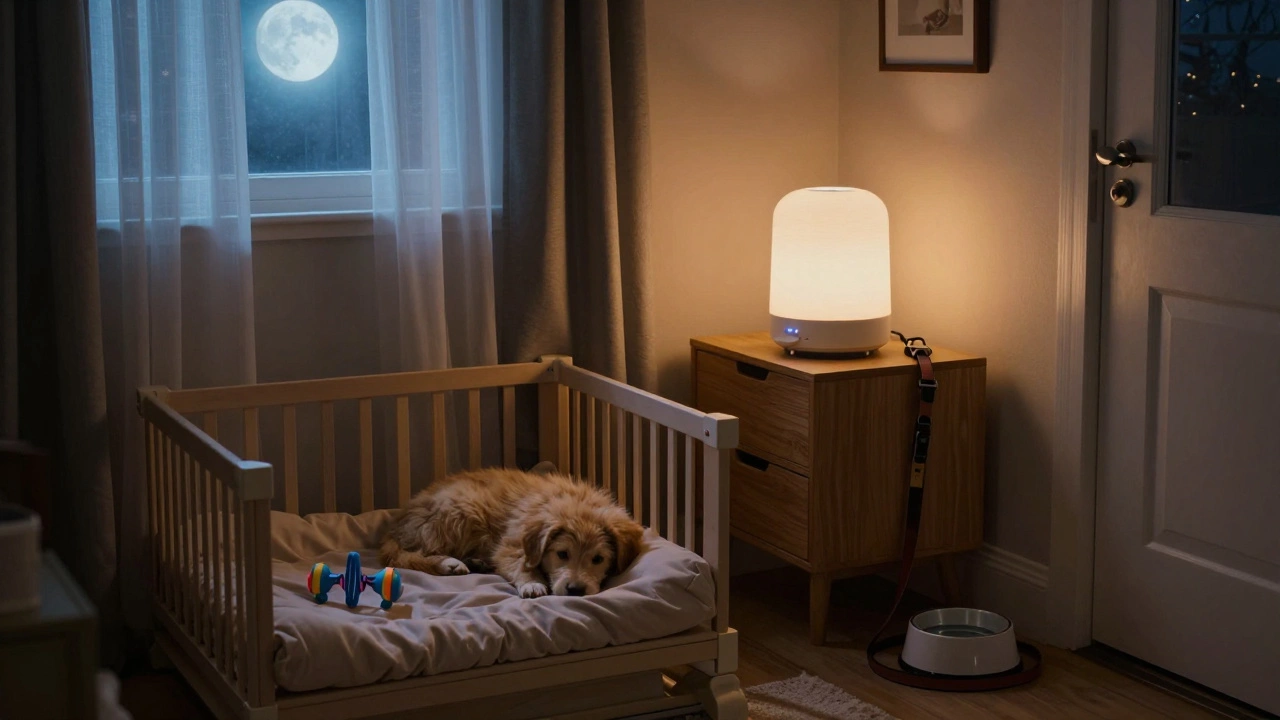
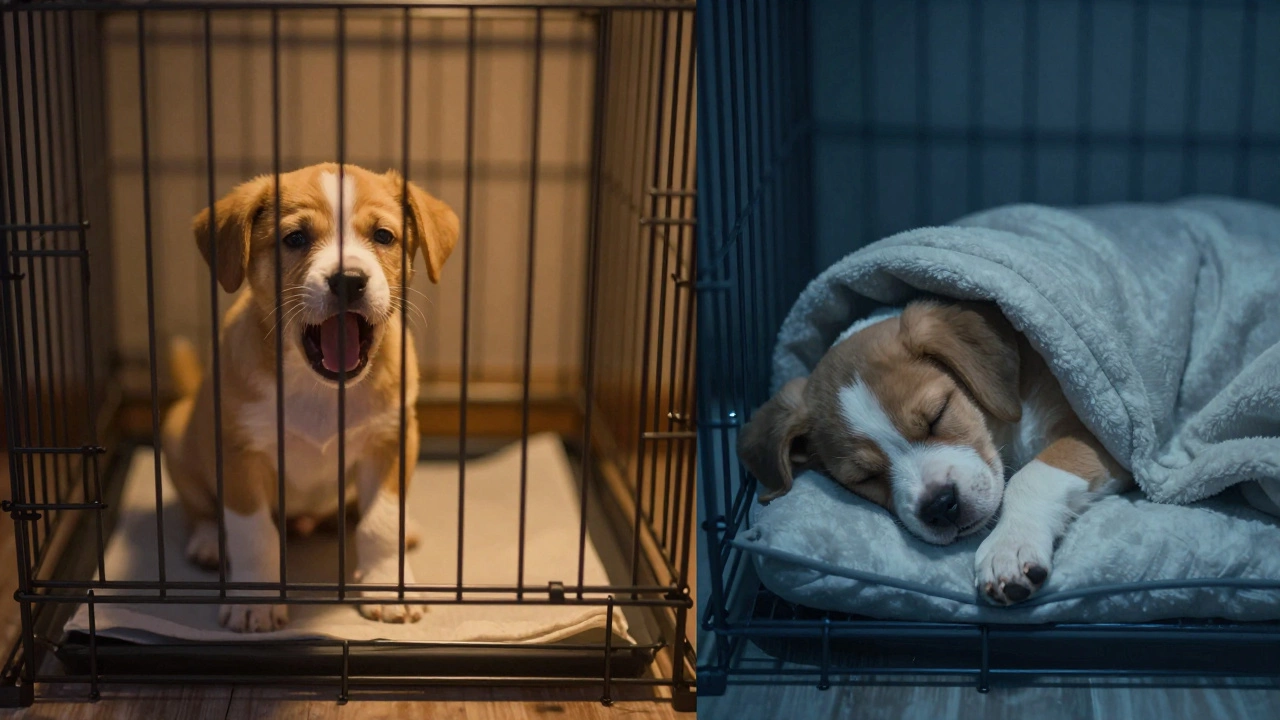
- Place them in their sleeping area. Whether it’s a crate, a bed, or a gated area, keep it quiet, dark, and cool. A white noise machine or a heartbeat toy can help them feel safe.
- Don’t respond to whining. If they cry, wait 5-10 minutes before checking. Most of the time, they’re testing boundaries, not in distress. If they’re truly uncomfortable (shivering, panting, pacing), then intervene. But don’t pick them up or turn on the lights unless necessary.
Stick to this for 7-10 days. Most puppies will start sleeping through the night by week two if you’re consistent.
Common Mistakes That Keep Puppies Up
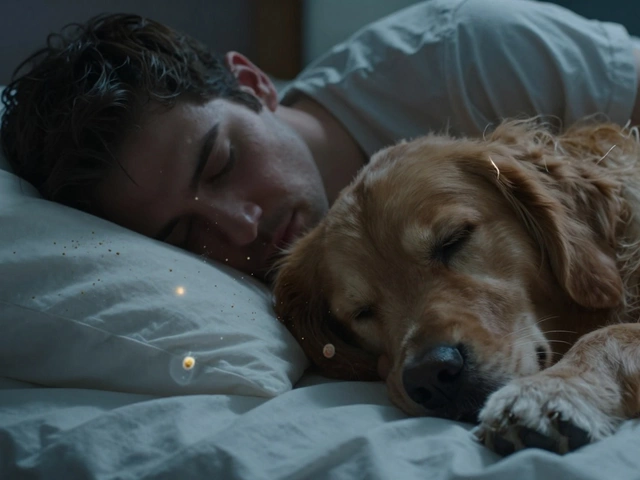
You might think you’re helping, but these habits are sabotaging sleep:- Letting them sleep in your bed. It feels cozy, but it teaches them that your room = playtime. When you eventually move them out, the adjustment is brutal.
- Feeding late-night snacks. A little kibble before bed? It’s not a treat-it’s a bladder bomb.
- Ignoring daytime naps. Puppies need 18-20 hours of sleep a day. If they’re not napping between play sessions, they’ll crash hard at night-and wake up exhausted and cranky.
- Using the crate as punishment. If your puppy associates their sleeping space with being left alone or yelled at, they’ll resist going in. The crate should be their safe cave, not their jail.
What to Do When They Wake Up at 3 a.m.
It’s going to happen. You’ll hear the whine, the scratch, the potty dance. Your first instinct? Let them out. But here’s what to do instead:- Stay calm. Don’t yell, don’t laugh, don’t turn on bright lights.
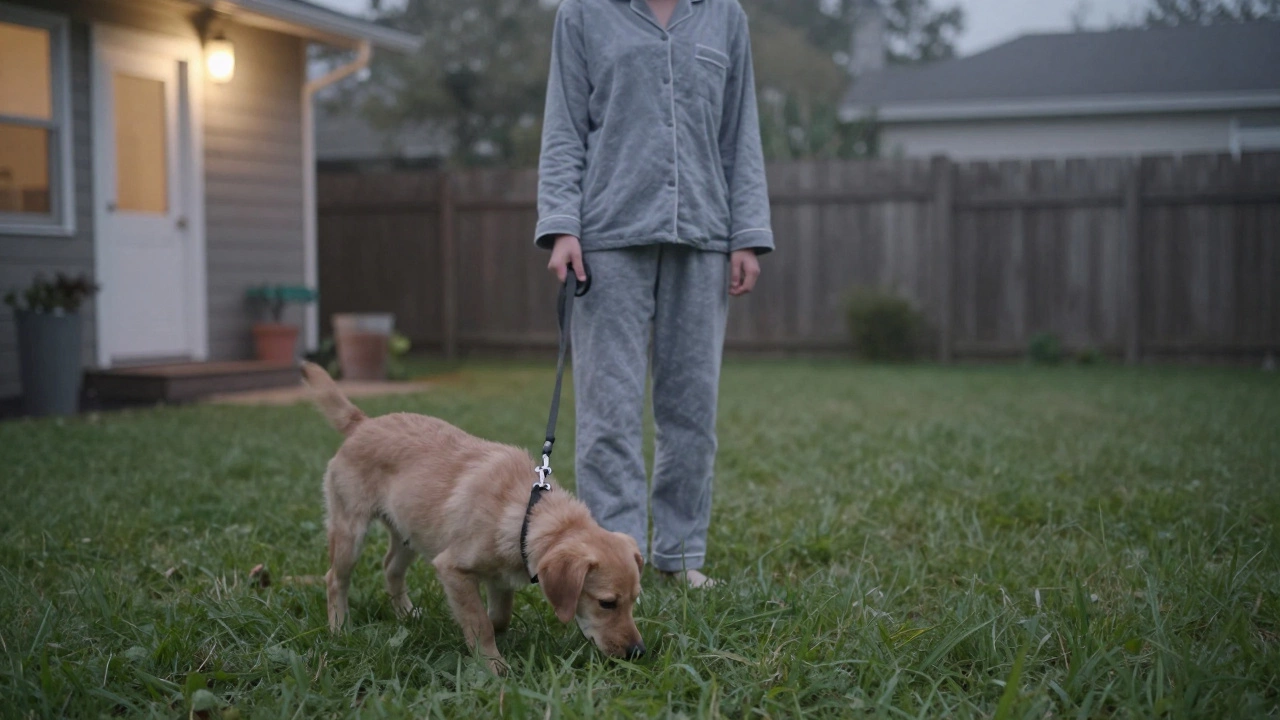
- Take them outside on a leash. No play. No talking. Just go to the spot, wait, and praise quietly when they go.
- Bring them straight back to bed. No cuddles, no treats, no extra attention.
- Go back to sleep. Even if you’re tired, your calm response teaches them that nighttime = quiet time.
Within 3-5 nights, most puppies learn that 3 a.m. isn’t playtime. It’s just another quiet hour.
When to Expect Real Sleep
By 12-16 weeks, most puppies can sleep 6-7 hours straight. By 6 months, many are sleeping 8-10 hours without interruption. But this isn’t automatic. It’s earned through consistency.Some breeds sleep easier than others. Terriers and herding breeds are wired to be alert. Bulldogs and Basset Hounds tend to snooze harder. But even the most hyper puppy can learn to sleep through the night if the routine is solid.
What If Nothing Works?
If your puppy is still awake and whining after 10 days of a consistent routine, check these things:- Are they getting enough exercise during the day? A tired puppy is a sleeping puppy.
- Are they cold? Puppies lose body heat fast. A warm bed or blanket helps.
- Are they teething? A frozen washcloth or puppy-safe chew toy can ease discomfort.
- Have they been checked for parasites or urinary issues? Frequent accidents after 16 weeks could signal a health problem.
If all else fails, talk to your vet. Sleep deprivation in puppies can affect brain development and immune function. Don’t wait until it’s a crisis.
Final Tip: Sleep Is a Skill
Puppies don’t know how to sleep through the night. They have to learn it, just like they learn to sit, stay, and not chew your shoes. Your job isn’t to force sleep-it’s to create the environment where sleep becomes the easiest choice.Be patient. Be consistent. Don’t give in to the 2 a.m. whine. In a few weeks, you’ll wake up to silence-and a puppy who’s finally learning how to rest.