Dog Walking Business Earnings Calculator
Estimate Your Potential Earnings
Based on UK market data and typical business expenses
How to use this calculator
Enter your estimated values and click calculate. This tool uses UK market data from the article to estimate realistic earnings. Remember: these are estimates only and actual earnings will depend on your location, client base, and business management.
Estimated Results
Processing your data...
Important Considerations
Remember, this is just an estimate. Actual earnings may vary based on:
- Client cancellations and no-shows
- Weather conditions (rain, extreme heat)
- Travel time between locations
- Unpredictable dog behavior or emergencies
- Local competition and demand
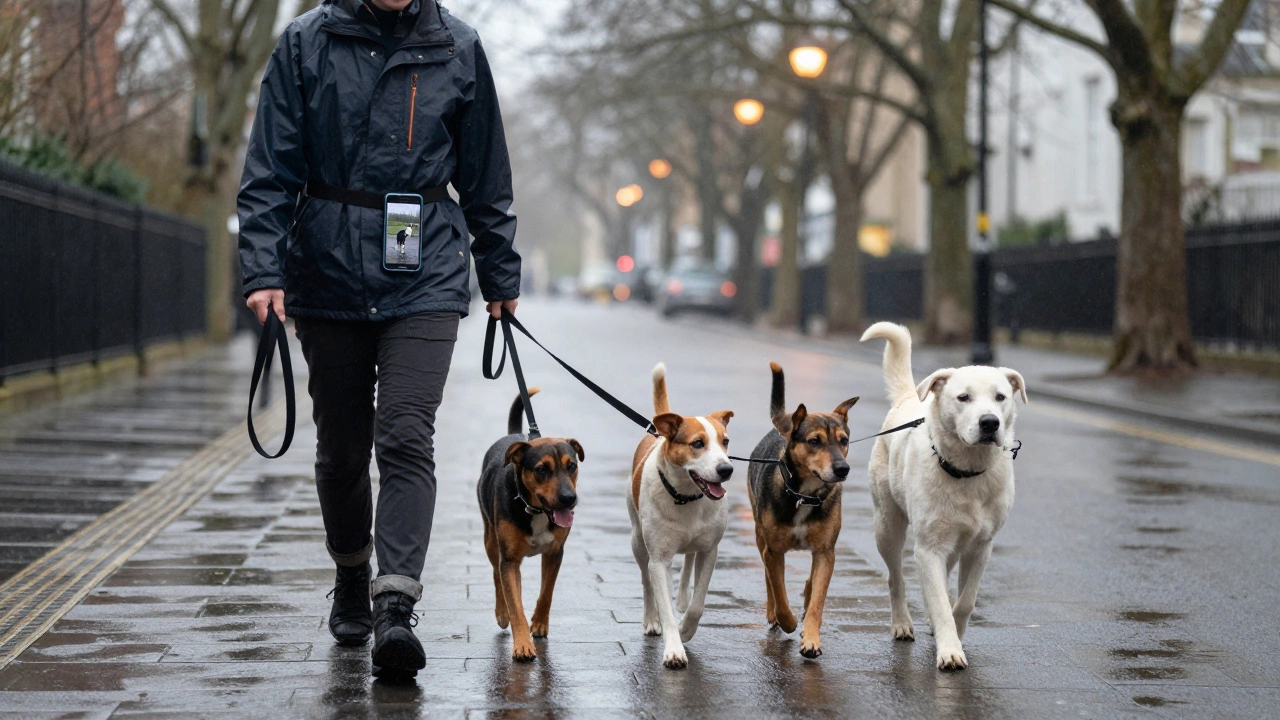
More than 12 million dogs live in UK homes, and nearly 60% of their owners work full-time. That’s a lot of dogs needing walks - and a lot of opportunities for someone willing to show up early, rain or shine. If you’re asking whether dog walking is a good business to start, the short answer is: yes, but only if you treat it like a real business, not just a way to hang out with dogs.
It’s not just about walking dogs
People don’t hire dog walkers because they want someone to take their dog for a stroll. They hire them because they’re worried their dog is bored, anxious, or getting into trouble while they’re at work. A good dog walker doesn’t just tie a leash on and head out. They know how to read dog body language, handle multiple dogs safely, and spot early signs of illness or stress. They also keep detailed logs: when the walk happened, how long it lasted, what the dog ate, if they had any accidents, and how they seemed when they got back.In Bristol, many clients expect a quick photo update after the walk. Some even ask for a short voice note. It sounds small, but it builds trust. One client told me her dog used to bark non-stop when left alone. After two weeks of consistent walks with notes and photos, the barking stopped. That’s not luck - that’s professionalism.
How much can you actually earn?
The average dog walk in the UK lasts 30 minutes and pays between £12 and £20, depending on location and number of dogs. In Bristol, most walkers charge £15 for a single dog, £25 for two, and £35 for three. If you do five walks a day, five days a week, that’s £375 a week before expenses. That’s over £19,000 a year.But here’s the catch: you’re not working 25 hours a week. You’re working 40+. You’ve got travel time between homes, admin tasks, booking calls, cleaning leashes, dealing with cancellations, and responding to messages. After fuel, insurance, and equipment, most walkers net between £12,000 and £16,000 annually. That’s not bad for a solo business - but it’s not rich either.
Top earners don’t just walk dogs. They offer add-ons: poop scooping (£5 extra), pet sitting overnight (£30-£50), or even doggy daycare for a few hours (£10/hour). One walker in Clifton started offering ‘puppy socialisation walks’ - short group sessions for young dogs. She now books out two weeks in advance.
What you need to get started
You don’t need a degree. But you do need a few things:- Insurance: Public liability insurance is non-negotiable. It covers you if a dog you’re walking causes damage or injures someone. Expect to pay £120-£200 a year. Companies like PetPlan and Dog Walker Insurance offer policies specifically for this.
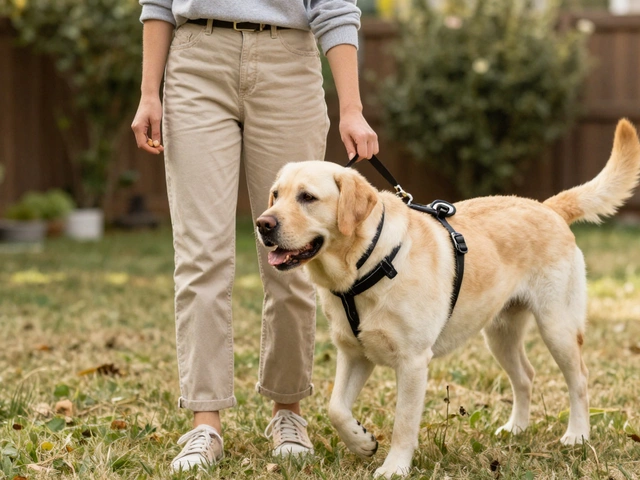
- Equipment: Two or three strong leashes, harnesses that fit different breeds, poop bags, water bottles, and a first-aid kit. Don’t skimp on leashes - a cheap one can snap under stress.
- A system: Use a simple app like Dog Walker Pro or even Google Sheets to track clients, walks, payments, and notes. Clients will appreciate the structure.
- Local knowledge: Know safe walking routes, dog parks, and areas to avoid. In Bristol, the Avon Gorge is great for dogs - but it’s steep and slippery after rain. Know where the nearest vet is, too.
Who’s your ideal client?
Not everyone is a good fit. Avoid clients who expect you to be a free babysitter, give you last-minute cancellations, or don’t pay on time. Your best clients are:- Professionals with rigid work hours - they need consistency
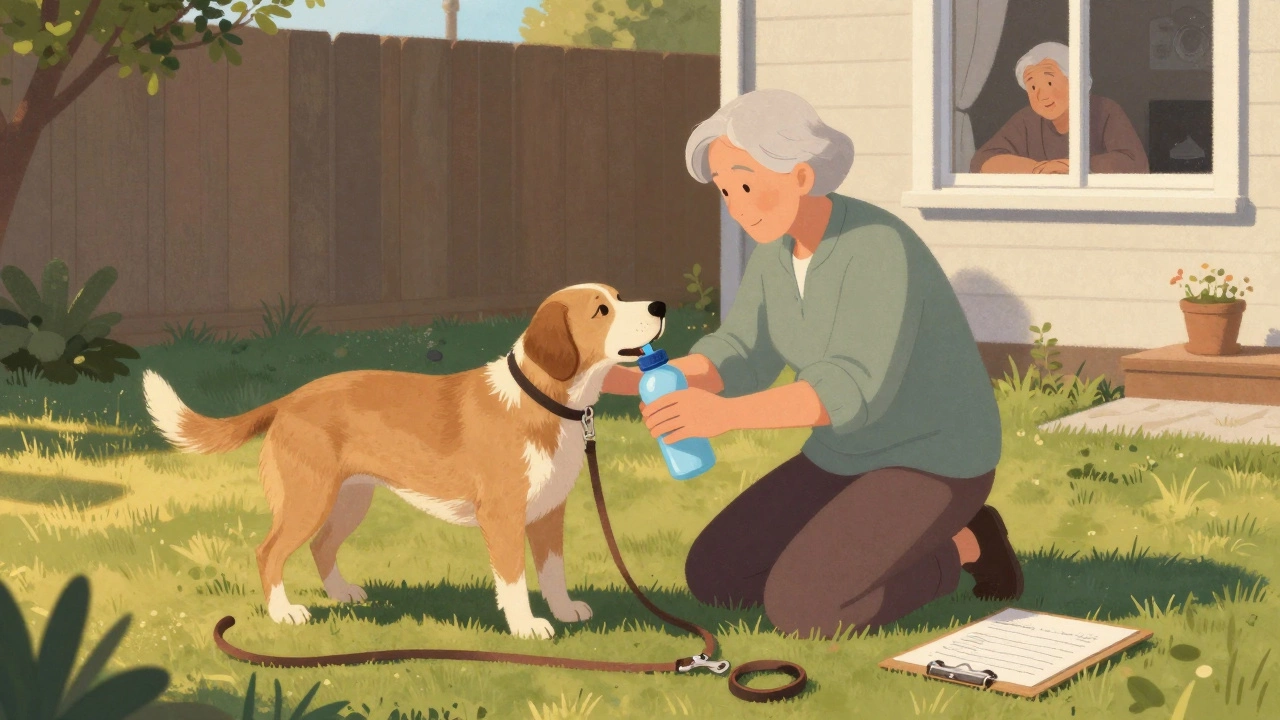
- Older people who can’t walk their dog anymore
- People with multiple dogs - they’ll pay more and refer you
- Those who value communication - they leave reviews and recommend you
One walker I know turned down a client who asked her to walk five dogs at once, no leash, and ‘just let them run’. She said no. That client never came back. And she didn’t miss them.
How to find your first clients
Start local. Post on Nextdoor, Facebook groups like ‘Bristol Dog Lovers’, and community boards at vet clinics or pet stores. Offer your first walk free - but only if they leave a review. Word-of-mouth is your best marketing tool.Don’t waste money on fancy websites or ads. Most dog owners find walkers through recommendations or local listings. Get listed on sites like DogBuddy or Wag! UK - they cost £10-£20/month but bring in steady leads.
One trick: visit dog parks on weekends. Talk to owners. Ask if they’ve ever thought about hiring someone. Many haven’t - until you bring it up.
The hidden challenges
This isn’t all sunshine and tail wags. You’ll face:- Weather: Walking dogs in freezing rain or 30°C heat isn’t glamorous. You need waterproof gear and cooling vests.
- Dog fights: Even the friendliest dogs can clash. Know how to break them up safely - never use your hands.
- Unpredictable schedules: Clients cancel last minute, or their dog gets sick. You need buffer time.
- Emotional toll: Some dogs are anxious, scared, or aggressive. You learn to read them, but it’s draining.
- Physical strain: Pulling dogs, climbing hills, bending to pick up poop - your body will feel it.
One walker in Totterdown broke her wrist when a German Shepherd lunged at a squirrel. She was off for six weeks. That’s why insurance matters - and why you need to know your limits.
When it’s not worth it
Dog walking isn’t for everyone. Don’t start if:- You hate being outside in bad weather
- You can’t stick to a schedule
- You’re not comfortable saying no to unreasonable requests
- You expect to get rich quickly
- You don’t like paperwork or managing clients
It’s a job that rewards patience, reliability, and genuine care - not hustle culture.
What sets the best apart
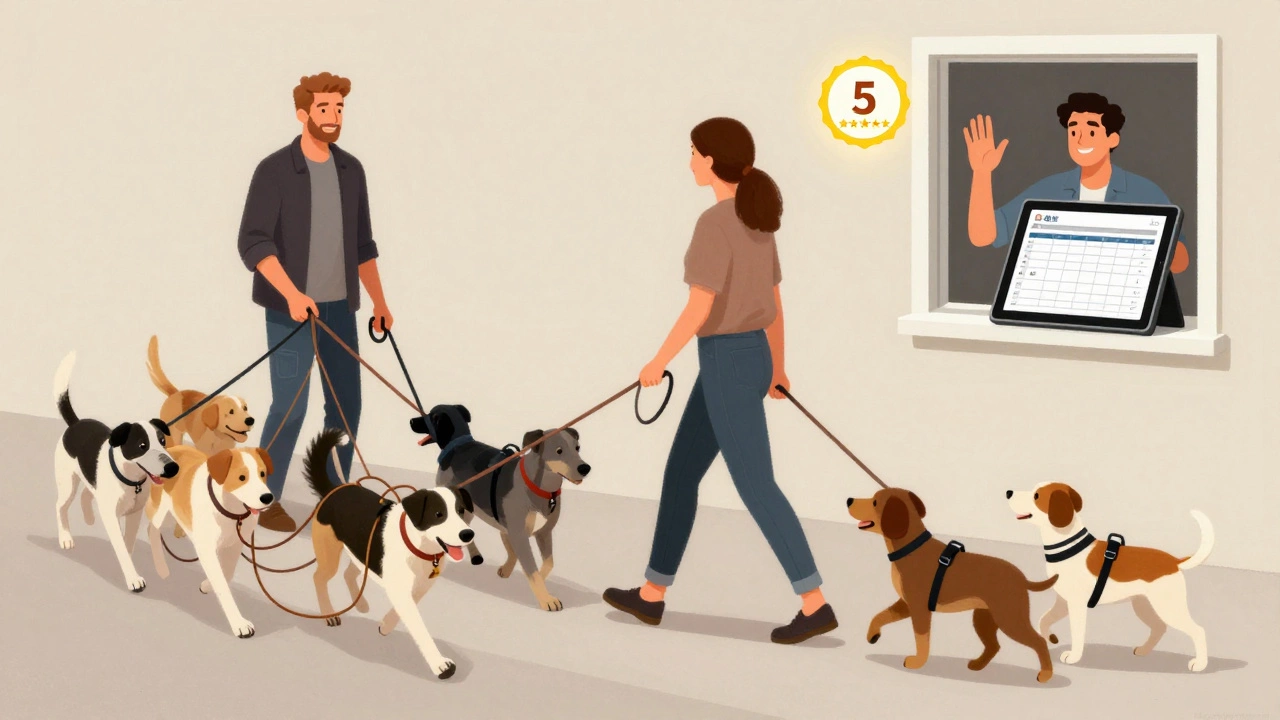
The most successful dog walkers don’t just walk dogs. They become part of the family. They remember birthdays. They notice if a dog is limping. They text when a client’s dog has a bad day. They show up early when the client has a job interview. They don’t charge extra for that - but they get referrals, repeat business, and glowing reviews.One client in Clifton switched from a £12/hour walker to a £20/hour one because the new walker noticed her dog was eating grass and vomiting. She called the vet, saved the dog from a blockage, and sent the owner the receipt. That’s not dog walking. That’s care.
Final thought
Dog walking is a good business to start if you’re okay with hard work, low pay at first, and high responsibility. It’s not a side hustle you do for fun. It’s a service business built on trust. If you’re willing to show up, stay consistent, and treat every dog like your own - you’ll build something real. And in a world full of apps and automation, that’s worth more than you think.How much do dog walkers make in the UK?
Most dog walkers in the UK charge between £12 and £20 per 30-minute walk. A full-time walker doing five walks a day, five days a week, can earn around £19,000 gross annually. After expenses like insurance, fuel, and equipment, net income typically falls between £12,000 and £16,000. Top earners add services like pet sitting or doggy daycare to boost earnings.
Do I need insurance to walk dogs?
Yes. Public liability insurance is essential. It covers you if a dog you’re walking causes injury or damage - for example, if a dog knocks over a child or chews up a neighbour’s garden. Policies start at around £120 per year. Without it, you’re personally liable for any accident, which could cost thousands.
How many dogs can I walk at once?
In the UK, most local councils recommend walking no more than four dogs at once. Many professional walkers stick to two or three, especially if the dogs are large or high-energy. Walking more than four increases risk and reduces safety. Some insurers won’t cover you if you walk more than four dogs together.
Can I start dog walking without experience?
Yes, you can start without formal experience, but you need to learn quickly. Take free online courses on dog behaviour from the Kennel Club or RSPCA. Volunteer at a local shelter to get hands-on time. Understand dog body language - a stiff tail, raised hackles, or lip licking can mean stress. Clients will notice if you don’t know what you’re doing.
What’s the best way to find clients?
Start locally. Post in community Facebook groups, Nextdoor, and local pet store bulletin boards. Offer your first walk free in exchange for a review. Get listed on platforms like DogBuddy or Wag! UK. Visit dog parks on weekends and talk to owners. Word-of-mouth is your strongest tool - happy clients refer others.
Is dog walking seasonal?
Not really. Dog walking is steady year-round. Winter brings more demand as people avoid cold walks. Summer sees busier schedules as owners go on holiday and need pet sitters. The busiest months are usually January (after New Year resolutions) and August (holiday season). Most successful walkers keep consistent clients all year.
What equipment do I need to start?
You’ll need at least two strong, adjustable leashes, harnesses for different breeds, poop bags, a water bottle, a first-aid kit, and a phone for updates. Consider a waterproof jacket and boots for bad weather. A simple app or spreadsheet helps track walks and payments. Avoid cheap gear - a broken leash can lead to a lost dog or worse.
Next steps if you’re serious
1. Get insured today - it’s the first real step.2. Walk five dogs for free for friends or neighbours - just to test your stamina and system.
3. Write down your ideal client profile: who they are, what they need, how they communicate.
4. Join one local Facebook group for pet owners and post your offer.
5. Track every walk, every payment, every message. Consistency builds trust.
If you can handle the rain, the early mornings, and the responsibility - dog walking isn’t just a business. It’s a quiet, daily act of care that changes lives. Yours included.