Puppy Potty Schedule Calculator
How Often Should You Take Your Puppy Out?
At 8 weeks old, puppies need to go outside every 2-3 hours. This calculator helps you schedule potty breaks based on feeding times to prevent accidents and build good habits.
Next Potty Time
Important Safety Notice
Puppies under 16 weeks old should only go outside in fully vaccinated, clean areas. Avoid parks, sidewalks, and grass where other dogs have been. Wait until your puppy has completed all core vaccinations before taking them to public areas.
Outdoor potty trips should be short (3-5 minutes max) and done in a calm, controlled environment. Never let your puppy walk on pavement or grass near other dogs until they're fully vaccinated.
You brought home your 8-week-old puppy, and now you’re wondering: can I take my 8-week-old puppy outside to pee? The short answer is yes-but not just anywhere, not yet, and not without preparation. Puppies this young are still building their immune systems, and the outside world can be full of hidden risks. But skipping outdoor potty breaks altogether? That’s a recipe for accidents indoors and a frustrated owner.
Why Taking Your Puppy Outside Matters
At eight weeks old, your puppy’s bladder is tiny-about the size of a walnut. They can’t hold it for more than 2 to 3 hours, even while sleeping. If you don’t take them out regularly, they’ll learn that peeing indoors is normal. That’s harder to unlearn later. Taking them outside early teaches them where it’s okay to go. It’s not just about cleanliness; it’s about building good habits from day one.When to Take Your Puppy Outside
Stick to this simple schedule:- Right after waking up
- After every meal or snack
- After playtime or naps
- Before bedtime
- Every 2 to 3 hours during the day
Where to Take Them
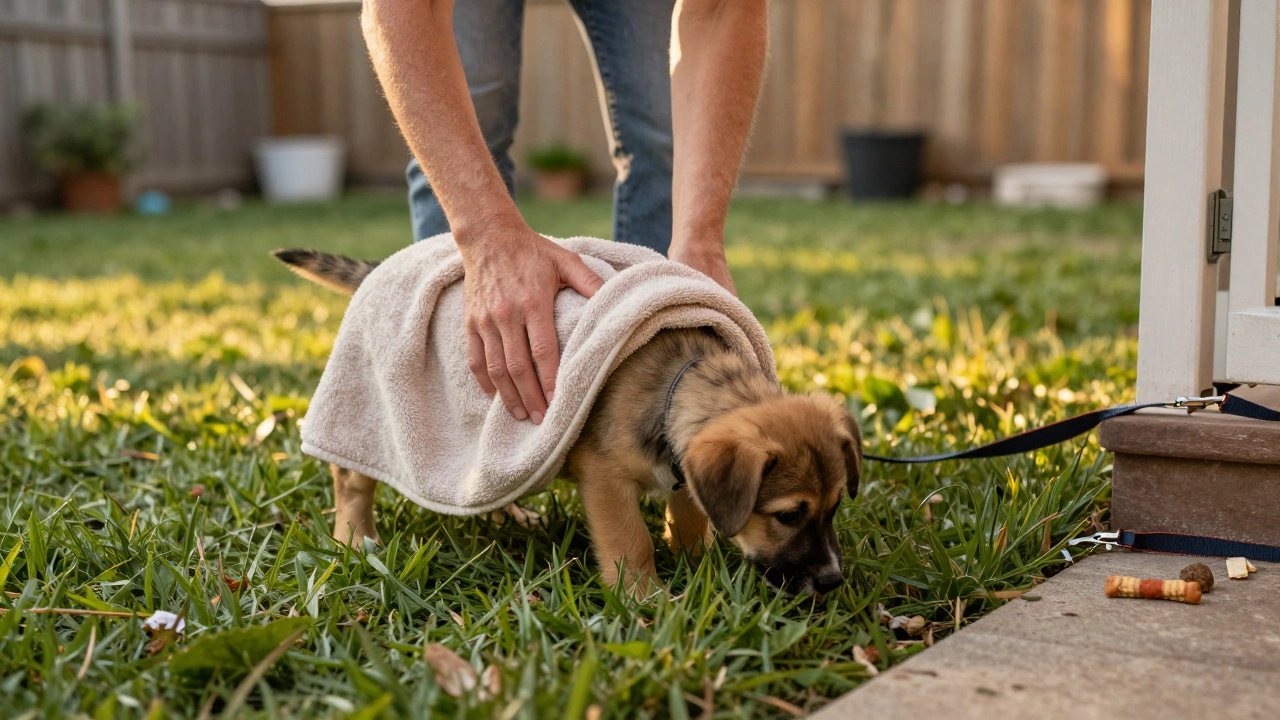
Not all outdoor spaces are safe for an 8-week-old. Your backyard? Perfect-if it’s fully fenced, clean, and free of other dogs’ waste. Avoid parks, sidewalks, or grassy areas where unknown dogs have been. Puppies under 16 weeks haven’t finished their core vaccinations. Parvovirus can live in soil for months. One sniff of contaminated ground, and your puppy could get very sick. If you don’t have a backyard, carry your puppy outside. Use a pet carrier, a sling, or even a towel to lift them directly from your door to a clean patch of grass. Never let them walk on pavement, dirt, or grass near other dogs’ areas until they’re fully vaccinated-usually around 16 weeks.What to Bring Outside
Keep it simple:- A leash (even if you’re carrying them)
- Small treats for praise
- A towel or puppy-safe wipes for cleanup
- A quiet, calm tone
What Happens If You Don’t Take Them Out?
If you wait too long or avoid outdoor trips because you’re scared, you’ll end up with:- Accidents on carpets, rugs, and furniture
- Confusion about where to go
- Stress for both you and your puppy
- Longer potty training overall
What About Rain, Cold, or Wind?
Puppies can handle a quick trip outside in mild weather. If it’s raining, put on a tiny raincoat or just carry them. If it’s freezing, keep the trip under 5 minutes. Your puppy doesn’t need to explore-they just need to pee. Don’t make it a long adventure. A quick, warm, quiet spot is all they need.What About Other Dogs?
Keep your puppy away from unknown dogs until they’ve had all their shots. Even if a dog looks friendly, their poop or saliva could carry deadly viruses. Don’t let them sniff other dogs’ rear ends. Don’t let them lick puddles or grass near dog walks. That’s how parvo spreads. If you know someone with a fully vaccinated, healthy dog, and their yard is clean, you can arrange a supervised meet-up. But don’t take your puppy to the dog park. Not yet.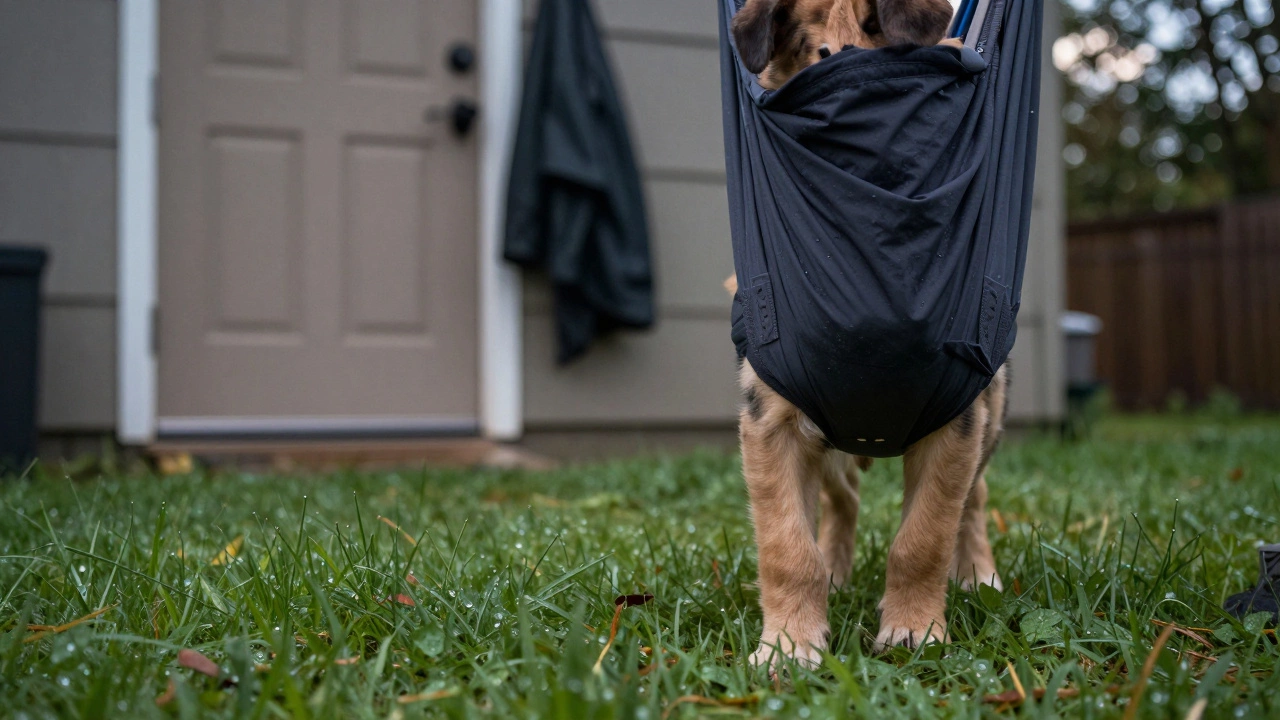
What If They Don’t Pee Outside?
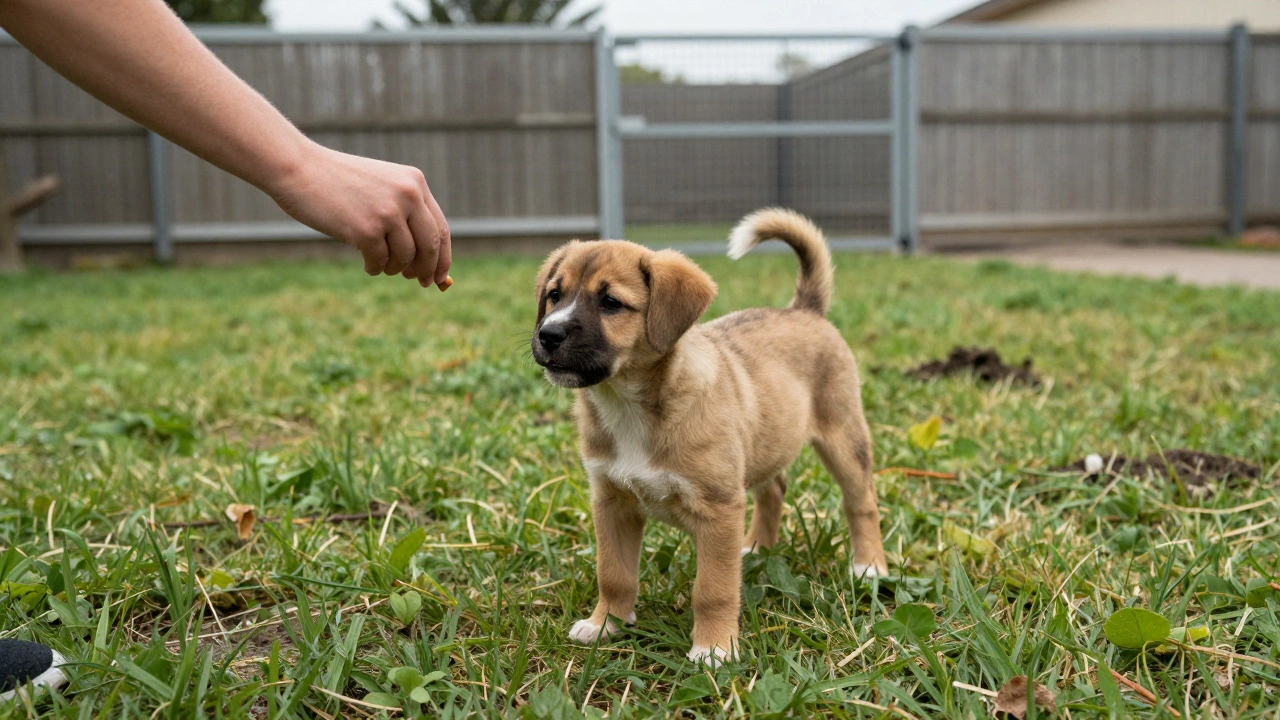
Sometimes they won’t go. That’s normal. Don’t panic. Bring them back inside and watch them closely. If they start circling or sniffing the floor, grab them and head back outside immediately. Try again in 15 minutes. Keep trying. They’ll get it. If they still won’t go after 10 minutes, take them back inside and put them in their crate for 15 minutes. Puppies usually avoid peeing where they sleep. After 15 minutes, try again. Repeat until they go.How Long Until They’re Fully Trained?
Most puppies are reliably potty trained by 4 to 6 months. But the first few weeks are the hardest. You’re laying the foundation. Every trip outside counts. Every treat, every “yes!”, every clean floor adds up. Don’t expect perfection. Expect progress. Missed a trip? Clean it up with an enzymatic cleaner-no vinegar or ammonia. Those smell like urine to dogs and will make them go again. Use a pet-specific cleaner.Common Mistakes to Avoid
- Waiting for them to ask-puppies can’t communicate that way yet
- Scolding them for accidents-they don’t understand punishment
- Letting them roam freely indoors unsupervised
- Using puppy pads as a long-term solution-they confuse the message
- Skipping trips because it’s inconvenient
Final Thought: It’s Not About the Puppy-It’s About You
Taking your 8-week-old puppy outside to pee isn’t just a chore. It’s your first real act of leadership. You’re teaching them safety, routine, and trust. You’re showing them the world is safe when you’re with them. That’s more than potty training. That’s bonding. You don’t need fancy gear. You don’t need a perfect yard. You just need to show up. Again and again. And soon, you’ll see it: your puppy trotting out the door, sniffing the grass, and doing their business like a pro. That moment? Worth every early morning.Can I take my 8-week-old puppy to the park?
No, not yet. Parks are high-risk areas for unvaccinated puppies. Parvovirus and other diseases can survive in soil for months. Wait until your puppy has had all their core vaccines, usually around 16 weeks old. Stick to your own fenced yard or carry them to clean, controlled areas until then.
How often should I take my 8-week-old puppy out to pee?
Every 2 to 3 hours during the day, plus right after waking up, after meals, after play, and before bed. That’s about 6 to 8 times a day. Their bladders are small, and they can’t hold it longer than a few hours-even while sleeping.
What if my puppy pees inside after going outside?
It’s common. Puppies sometimes pee again right after coming back in because they didn’t fully empty outside. Watch them closely indoors. If they start sniffing or circling, take them right back out. Clean any accidents with an enzymatic cleaner to remove the scent. Don’t punish them-they don’t understand.
Should I use puppy pads indoors?
Puppy pads can be a temporary tool if you’re away for long hours, but they teach your puppy that it’s okay to pee on fabric. That makes outdoor training harder later. If possible, avoid them. Use them only if you absolutely can’t get outside often enough. Transition to outdoor potty breaks as soon as you can.
Is it safe to take my puppy out in the rain or cold?
Yes, briefly. A quick 3- to 5-minute trip in light rain or cool weather is fine. Carry your puppy if needed, or use a small raincoat. Avoid long exposure. Puppies lose heat faster than adult dogs. Keep trips short, dry them off when you come back in, and never force them to stay out if they’re shivering.