Pet Airfare Cost Estimator
Find out which airline offers the best value for your specific trip. Enter your travel details below to see a side-by-side comparison of estimated total costs.
| Airline | Base Fee (Per Leg) | Total Pet Fees | Est. Total Cost* | Notes |
|---|
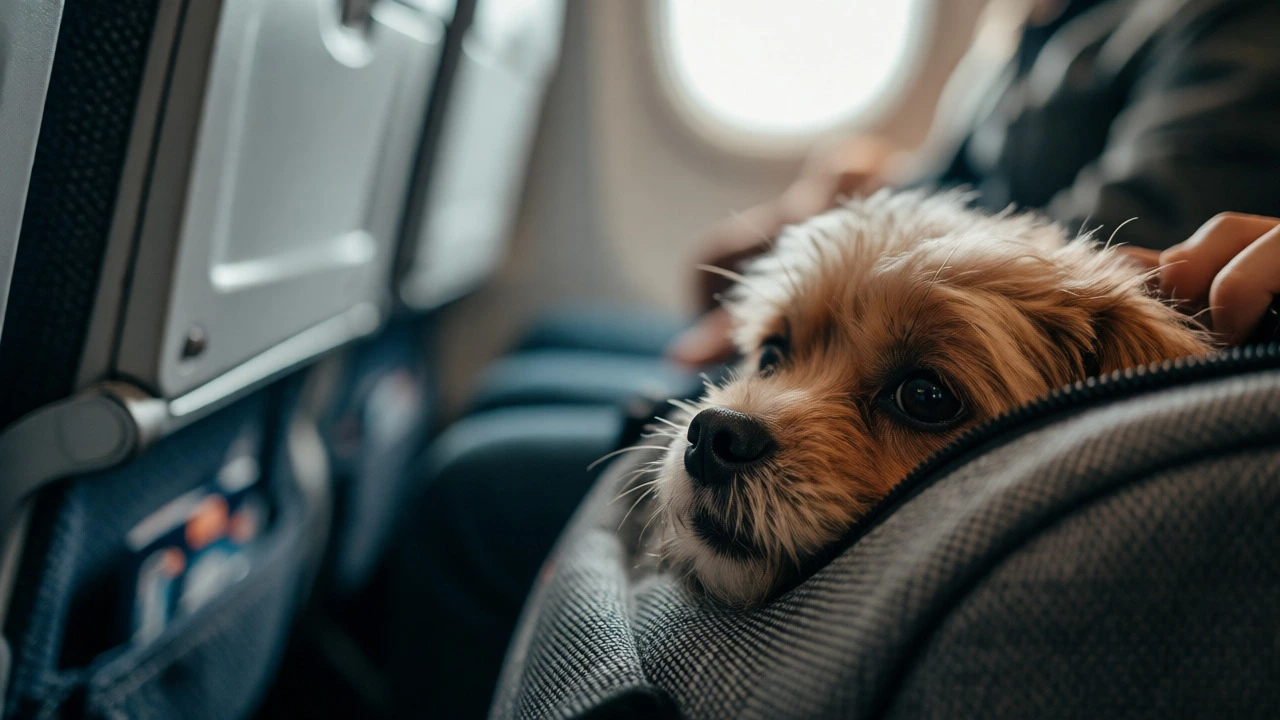
You’re staring at the checkout page for your flight, and then you see it: a $95 fee just to bring your dog on board. It feels like a slap in the face, especially when you’re already paying hundreds for your own seat. But here’s the thing-not every airline charges that much. Some are surprisingly reasonable, while others will drain your wallet before you even land.
If you want to fly with your furry friend without breaking the bank, you need to know which airlines actually offer the lowest pet fees. This isn’t just about picking the cheapest ticket; it’s about understanding hidden costs, weight limits, and those sneaky change fees that can double your bill. Let’s break down who wins the budget battle in 2026.
The Real Cost of Flying With Your Pet
Before we name names, let’s clear up what you’re actually paying for. Most major US carriers charge a flat rate per leg of the trip. That means if you have a layover or a return flight, you pay twice. The standard "in-cabin" fee hovers around $95 to $125 one-way. For a round-trip domestic flight, that’s easily $200 extra.
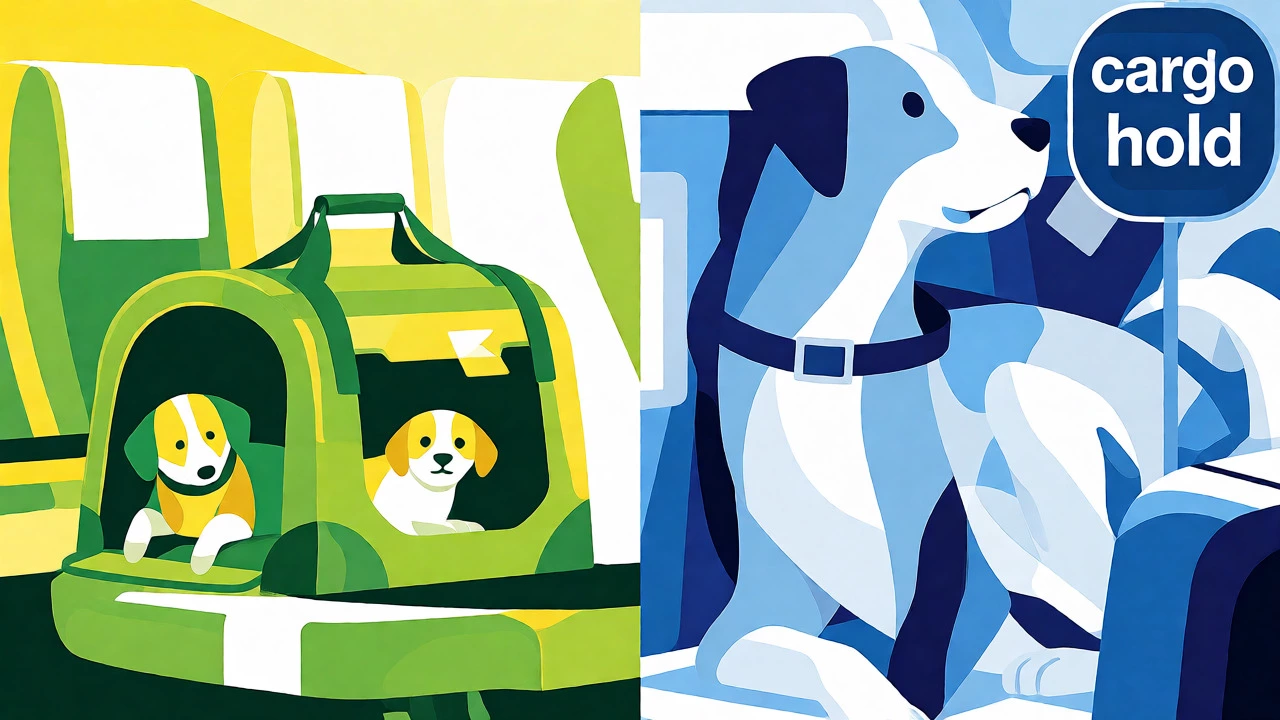
But wait-there’s more. If your pet exceeds the carrier size limit (usually 18-19 inches long), they might get bumped to cargo. Cargo rates are calculated differently, often by weight and distance, and can skyrocket to $300-$500+. And don’t forget the health certificate. The USDA requires an accredited vet to sign off on your pet’s health within 10 days of travel. That visit alone can cost $50-$100, regardless of which airline you choose.
So, when we talk about the "cheapest" airline, we’re looking at the total package: base fee + potential upsells + compliance costs. A low sticker price doesn’t always mean a cheap trip if their rules force you into expensive workarounds.
Who Has the Cheapest In-Cabin Pet Fee?
As of late 2026, Southwest Airlines is widely considered the leader for budget-conscious pet owners. Why? Because they only charge $95 per direction, same as many competitors, but they allow two pets in one carrier for the same fee. Yes, you read that right. Two cats or small dogs sharing a soft-sided carrier? One $95 fee. That’s huge value if you’re traveling with siblings or friends.
Frontier Airlines also competes aggressively, charging $99 each way. However, Frontier has stricter weight limits (typically under 35 lbs combined for pet and carrier) and smaller cabin space. If your dog is pushy or large, you risk being denied boarding at the gate, which is a nightmare scenario.
Let’s look at the big players. United Airlines and Delta Air Lines both charge $95-$125 depending on the route and frequent flyer status. United recently adjusted its policy to be more lenient with service animals, but for regular pets, the fee is standard. Delta, however, has been known to waive fees for certain military personnel or specific credit card holders, so check your perks.
| Airline | In-Cabin Fee (One-Way) | Pet Limit Per Carrier | Notes |
|---|---|---|---|
| Southwest | $95 | 2 pets allowed | Best value for multiple small pets |
| Frontier | $99 | 1 pet | Strict weight limits; basic economy restrictions |
| Alaska Airlines | $100 | 1 pet | Good routes to West Coast; flexible policies |
| United | $95 - $125 | 1 pet | Fees vary by destination; international higher |
| Delta | $95 - $125 | 1 pet | Occasional waivers for elite members |
| American | $150 | 1 pet | Higher fee; strict carrier size checks |
Beware the Hidden Costs: Changes and Cancellations
Here’s where things get tricky. You book your flight, pay the $95 pet fee, and then life happens. You need to change your date. What happens to that pet fee?
At most legacy carriers like American and United, changing your flight often triggers a new pet reservation. If the system doesn’t automatically transfer your pet booking, you might have to cancel and rebook, potentially losing the original fee or paying a new one. Southwest is famously flexible here-they’ll move your pet reservation along with your ticket without extra hassle. Frontier and Spirit, being ultra-low-cost carriers, are less forgiving. Their change fees are high, and adding a pet after initial booking can sometimes cost more than doing it upfront.
Always call the airline directly after making changes online. Confirm in writing (email) that your pet is still booked and paid for. Don’t rely on the app’s summary screen; it’s notorious for hiding pet add-ons during modifications.
International Flights: Where the Fees Skyrocket
Domestic fees are bad enough, but international pet travel is a whole different beast. There is no single "cheapest" airline globally because regulations vary wildly by country. However, some patterns emerge.
European carriers like Lufthansa and KLM often charge lower in-cabin fees (around €75-€100, roughly $80-$110) compared to US airlines. But-and this is a big but-they frequently ban pets from certain aircraft types or require advance notice of 48+ hours. Plus, you must comply with EU import rules, which include microchipping, rabies vaccination, and sometimes blood titer tests.
Asian carriers like Singapore Airlines tend to be stricter. Many Asian countries do not allow pets in the cabin at all for international arrivals, forcing them into cargo. Cargo fees for international flights can range from $200 to over $1,000 depending on the destination’s quarantine requirements. Always check the destination country’s animal import authority website first. No airline fee matters if your pet gets quarantined for 30 days upon arrival.
How to Slash Your Pet Travel Bill Further
Even with the cheapest airline, you can save more money with these tactics:
- Book Early: Airlines cap the number of pets per flight (often 4-6). If you book last minute, you might be forced onto a pricier flight with available pet spots, or worse, put on a standby list. Booking 30+ days out ensures availability and locks in the current fee.
- Use Credit Card Perks: Some premium travel cards offer statement credits for incidental travel expenses. Check if your card covers "pet fees" under travel purchases. It’s rare, but worth a 5-minute phone call to your bank.
- DIY Health Certificates: While the vet visit is mandatory, you can save on paperwork. Ask your vet for a copy of the health certificate early. Ensure it’s valid for the exact dates of travel. An expired cert means you’re denied boarding, and that’s a costly mistake.
- Buy the Right Carrier: Measure your carrier before buying. Airlines use sizers at the gate. If your carrier is too tall, you’ll be forced to buy a compliant one at the airport for $50+, or pay a penalty. Buy a soft-sided carrier that fits under the seat *before* you pack.

When Cheap Isn’t Cheerful: Service Animals vs. Pets
A common confusion: Do service animals pay fees? Under the revised Air Carrier Access Act (ACAA) rules effective since 2021, airlines can treat psychiatric service animals and emotional support animals (ESAs) as pets. Only trained service dogs (and sometimes mini-horses) are exempt from fees.
This means if you have an ESA cat or dog, you now pay the full pet fee. Previously, ESAs flew free. This change significantly impacted costs for people relying on emotional support animals. If you’re traveling with an ESA, budget for the full pet fee and ensure your documentation meets the airline’s specific forms requirement, which usually involves attesting to training and behavior.
Final Verdict: Which Airline Should You Choose?
If you’re flying domestically within the US with one or two small pets, Southwest Airlines is the undisputed king of value. Their $95 fee is competitive, and the ability to share a carrier doubles your savings. They also have the most flexible change policies, protecting you from hidden costs.
For West Coast travelers, Alaska Airlines ($100) is a strong runner-up due to better route coverage in that region. Avoid American Airlines ($150) unless you have miles to burn or specific route needs, as their fee is the highest among major carriers.
Remember, the cheapest ticket isn’t always the best deal. Factor in layovers, carrier restrictions, and your pet’s temperament. A $95 fee on a cramped regional jet might be worse than a $125 fee on a comfortable mainline aircraft. Prioritize comfort and certainty alongside cost.
Which airline has the absolute lowest pet fee?
Southwest Airlines typically offers the best value at $95 per direction, especially because they allow two pets in one carrier for that single fee. Frontier Airlines is close at $99, but Southwest's flexibility and multi-pet policy make it cheaper overall for many travelers.
Do I pay the pet fee for each leg of my trip?
Yes, most airlines charge a fee per segment (one-way). If you have a connecting flight, you pay once for that entire journey. However, if you have separate tickets (e.g., booking outbound and return separately), you pay twice. Always check if your itinerary is on a single PNR (Passenger Name Record).
Can I avoid the pet fee with a credit card?
Rarely. Standard airline co-branded cards don't waive pet fees. However, some premium general travel cards (like Chase Sapphire Reserve or Amex Platinum) may reimburse incidental travel expenses, which could include pet fees if coded correctly. Check your card's benefits guide for "travel incidentals."
What happens if my pet is too big for the cabin?
If your pet exceeds the airline's size or weight limits for in-cabin travel, they must go into cargo (checked baggage). Cargo fees are separate and often higher, ranging from $150 to $500+ depending on weight and distance. You cannot switch to cargo at the gate without prior arrangement and availability.
Are there any airlines that fly pets for free?
Only for trained service dogs under current US law. Emotional support animals are treated as pets and incur fees. Some airlines occasionally run promotions or waive fees for military personnel, but there is no major commercial airline offering free pet travel for general passengers.