Dog Grooming Method Checker
Select your dog's coat type and the grooming task you are performing to get a recommendation on whether to work with wet or dry hair.
You’ve just finished bathing your dog, towel-dried them off, and now you’re staring at a damp, matted mess wondering whether to pick up the clippers or wait until they’re bone dry. It’s one of the most common dilemmas for home groomers, and getting it wrong can lead to uneven cuts, pulled fur, or even skin irritation. The short answer? It depends entirely on what part of the body you’re working on and what tools you’re using. But there is a golden rule that saves most people from disaster.
Dog grooming is not a one-size-fits-all process. It involves maintaining the health and appearance of a dog's coat through washing, drying, brushing, and trimming. While some breeds require specific techniques, the moisture level of the hair significantly impacts how scissors glide through the fur and how clippers handle the texture. Understanding the physics of wet versus dry hair is key to achieving a professional-looking result at home without hurting your pup.
The Golden Rule: Clip Wet, Scissor Dry
If you remember only one thing from this article, let it be this: electric clippers generally work best on clean, dry, and brushed-out coats, while hand-scissoring often requires slightly damp hair for precision. Wait, didn’t I say clip wet earlier? Let me clarify. Many beginners think "wet" means soaking wet. In professional grooming terms, "wet" usually implies freshly washed and towel-dried but still holding some moisture, or fully dried but conditioned. However, for electric clippers, moisture is actually the enemy.
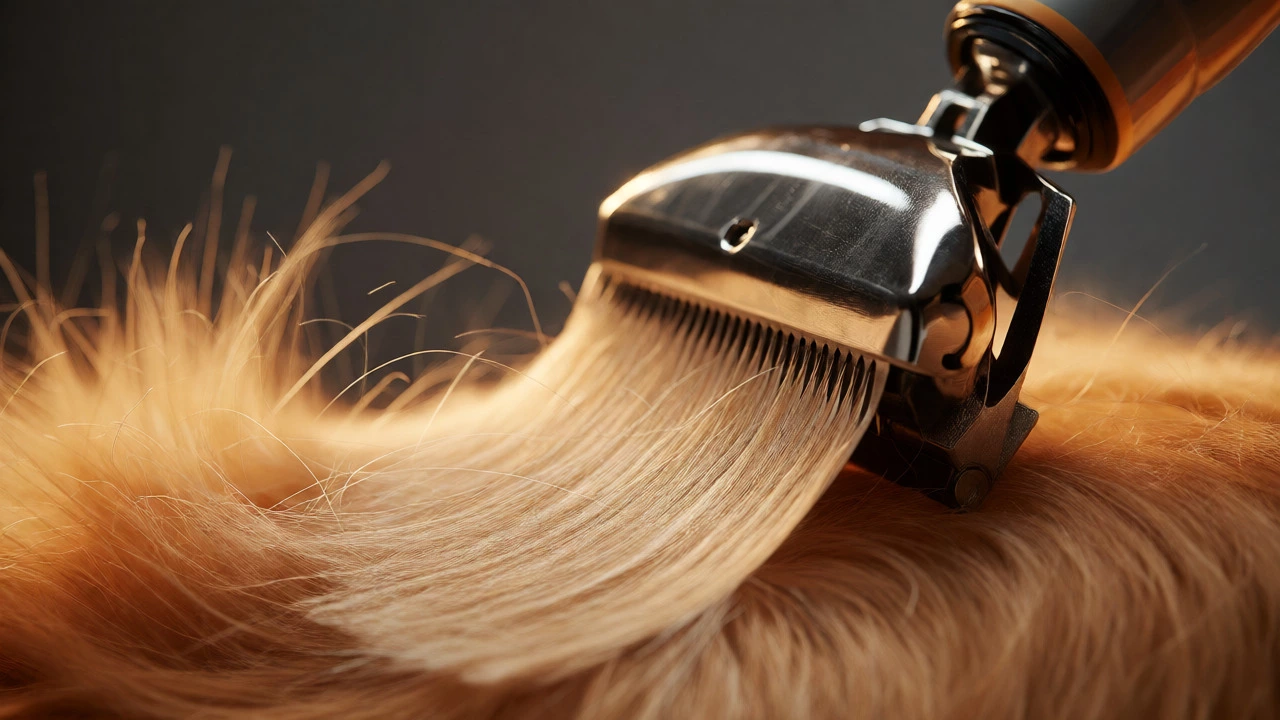
Here is why. When hair is wet, it swells. Each strand expands in diameter. If you run clippers over wet hair, the blades have to push through swollen fibers rather than cutting them cleanly. This causes friction, heat buildup, and dulls your blades twice as fast. Worse, wet hair tends to clog the clipper teeth, leading to tugging and pulling. That tug is painful for the dog and can cause "clipper burn," a red, irritated rash on sensitive skin.
Conversely, when you are using scissors to trim long fur, especially around the face or paws, completely dry hair can be slippery and fly away. A slight dampness (not dripping) helps weigh the hair down, allowing you to see the true length and cut evenly. So, the industry standard heuristic is: Use clippers on dry hair; use scissors on damp-to-dry hair depending on the style.
Why Clipping Dry Hair Saves Your Blades and Your Sanity
Let’s look at the mechanics. Professional groomers spend hours conditioning and drying coats before they ever touch a clipper. Why? Because dry hair stands up individually, creating a uniform surface for the blade to glide across. When hair is wet, it clumps together. You end up with patchy cuts because the blade skips over the matted clumps and shaves too close to the separated strands.
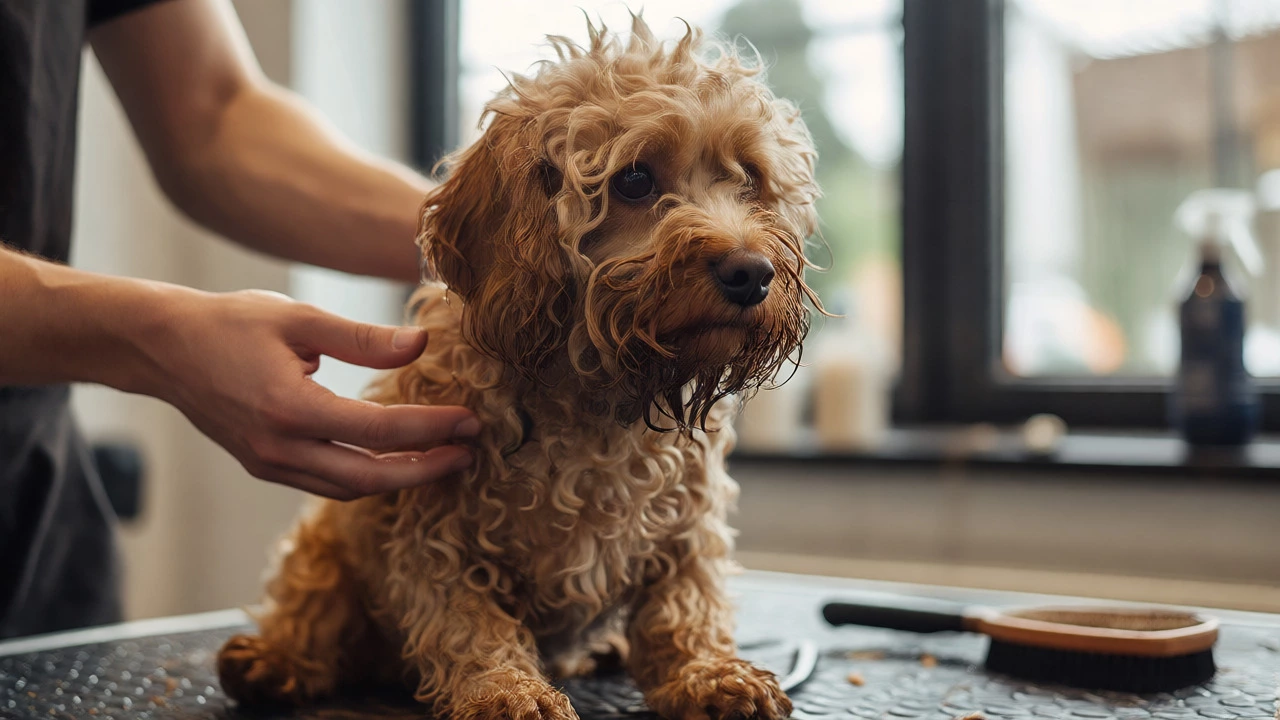
Consider a Poodle mix like a Cockapoo. Their curly hair traps water deep within the curl structure. If you try to shave their legs while damp, you will miss spots hidden inside the curls. Once the hair dries, those missed spots stick out, ruining the symmetry of the cut. By ensuring the coat is 100% dry and brushed out first, you expose every single strand. This allows for a consistent length all over the body.
There is also the issue of hygiene and tool maintenance. Cutting wet hair pushes natural oils and debris deeper into the clipper mechanism. Over time, this gunk builds up, causing the motor to work harder and the blades to rust if not cleaned immediately. Dry clipping is cleaner, faster, and extends the life of expensive equipment like Andis or Wahl clippers.
When Scissoring Benefits from Moisture
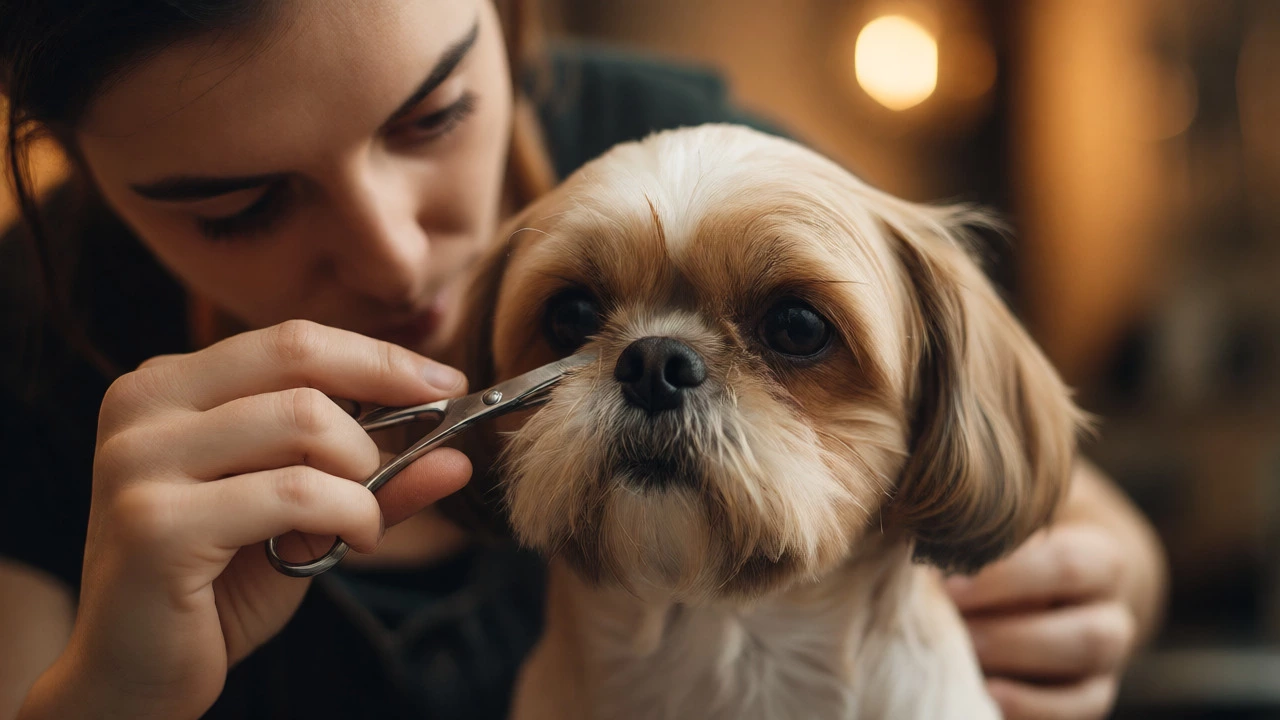
Not all grooming involves clippers. For breeds like Shih Tzus, Maltese, or Yorkies, the goal is often a smooth, flowing coat rather than a shaved look. Here, scissors are the primary tool. If you attempt to scissor-cut bone-dry fine hair, static electricity can make the hair stand on end, making it impossible to judge length accurately. You might cut an inch off, but once the hair settles, it looks uneven.
A light mist of water or a leave-in conditioner spray can tame static and align the hairs. This is particularly useful for "face framing" or trimming the beard. The moisture adds weight, letting gravity do some of the work. However, caution is needed. If the hair is too wet, it stretches. You might cut it shorter than intended because wet hair elongates. As it dries, it shrinks back up. This phenomenon, known as "shrinkage," is notorious among owners of curly-coated dogs who trim wet and wake up to a much shorter haircut than they planned.
Breed-Specific Considerations
Your dog’s coat type dictates the approach more than any general rule. Double-coated breeds like Huskies, German Shepherds, and Golden Retrievers shed heavily. These coats should rarely be clipped unless medically necessary. Instead, they benefit from de-shedding treatments which are almost always done on dry, blown-out coats. Using a Furminator or undercoat rake on wet fur just pushes loose hair deeper into the matting.
Single-coated breeds like Poodles, Bichon Frises, and Portuguese Water Dogs grow continuously and require regular trimming. For these dogs, the "dry clip" method is standard for the body, while detailed scissoring on the head and feet may utilize slight dampness for control. If you have a doodle (Goldendoodle, Labradoodle), be extra careful. Their coats are prone to matting. Never brush or clip a doodle that hasn't been thoroughly dried. The risk of matting under the layer of damp fur is high.
| Grooming Task | Recommended State | Reasoning | Risk of Incorrect Method |
|---|---|---|---|
| Electric Clippers (Body) | 100% Dry & Brushed | Reduces friction, prevents clogging, ensures even length. | Pulling, overheating, uneven patches. |
| Scissors (Face/Ears) | Slightly Damp | Tames static, allows precise visual alignment. | Uneven cuts due to flyaway hair. |
| De-shedding Tools | Completely Dry | Loose hair needs to slide out easily; wet hair sticks. | Ineffective removal, potential skin irritation. |
| Nail Trimming | Either (Dry preferred) | Dry nails are clearer to see the quick. | Mistaking the quick for keratin in wet nails. |
The Step-by-Step Workflow for Home Groomers
To get the best results, follow this sequence. It mimics the workflow used by professionals in Bristol and beyond.
- Bath Time: Wash your dog with a suitable shampoo. Rinse thoroughly. Residue attracts dirt and makes hair sticky.
- Towel Dry: Remove excess water. Do not rub vigorously, as this creates mats. Blot instead.
- High-Velocity Blow Dry: This is the secret weapon. Use a dryer on a warm (not hot) setting. Blast the air at the roots to straighten the hair and remove dead undercoat. Continue until the coat is crisp and dry to the touch.
- Brush Out: Run a slicker brush through the entire coat. If the brush gets stuck, the coat isn't ready for clipping. You need a smooth surface.
- Clip the Body: Now, with dry hair, run your clippers. They will glide smoothly. Check for missed spots after the first pass.
- Detail with Scissors: Lightly mist the face or paws if needed. Trim carefully, checking frequently against the desired shape.
- Final Check: Look for stray hairs. Often, a second pass with the clippers or a final tidy-up with scissors reveals imperfections hidden during the initial cut.
Common Pitfalls and How to Avoid Them
The biggest mistake home groomers make is impatience. They wash the dog, wipe them with a towel, and start clipping while the dog is still damp. This leads to "skipping," where the clippers jump over sections, leaving long patches. Another error is assuming all hair behaves the same. Curly hair shrinks when dry; straight hair doesn't. If you cut a curly coat wet, measure twice-once wet, once dry-to understand the shrinkage factor.
Also, beware of "conditioner overload." Some owners apply heavy conditioners to detangle. If you don't rinse it out completely, the residue gums up clippers instantly. Always ensure the coat is clean and free of product buildup before using mechanical tools.
Finally, consider your dog's comfort. Wet dogs are cold. If you take too long trying to cut damp hair, your dog may become anxious or shiver, moving around and increasing the risk of nicks. A dry, comfortable dog holds still better, making the process safer for both of you.
Can I cut my dog's hair while it is still wet?
You can, but it is generally not recommended for electric clippers. Wet hair swells and clogs clipper blades, leading to pulling, uneven cuts, and rapid blade dulling. For scissoring, slightly damp hair can help with precision on fine coats, but fully wet hair risks cutting too short due to shrinkage upon drying.
Does cutting a dog's hair wet damage their coat?
Cutting wet hair itself doesn't permanently damage the follicle, but it damages the tool and the immediate quality of the cut. Pulling on wet, tangled hair can irritate the skin and cause breakage along the shaft. Additionally, using clippers on wet hair generates excessive heat, which can cause minor thermal burns on sensitive skin.
How do I know if my dog's hair is dry enough to clip?
Run your fingers deep into the coat near the skin. If it feels cool or clammy, it is not ready. Also, use a slicker brush. If the brush glides through effortlessly without catching on damp clumps, the coat is sufficiently dry for clipping.
Should I bathe my dog before or after grooming?
Always bathe before grooming. A clean coat removes dirt and oils that dull blades. More importantly, washing relaxes the hair and opens the cuticle, making it easier to detangle and dry properly. Grooming a dirty coat traps grime against the skin and yields inconsistent results.
What happens if I cut my curly-haired dog's hair wet?
Curly hair shrinks significantly as it dries. If you cut it wet, you might achieve a desired length initially, but once dry, the curls will tighten and shorten, potentially resulting in a much shorter haircut than intended. Professionals usually blow-dry curly coats straight before cutting to account for this shrinkage.