Puppy Nighttime Potty Calculator
Estimated Bladder Capacity
0 hours
Nighttime Strategy:
Pro Tips for This Stage:
Enter your puppy's age to see recommended nighttime potty breaks.
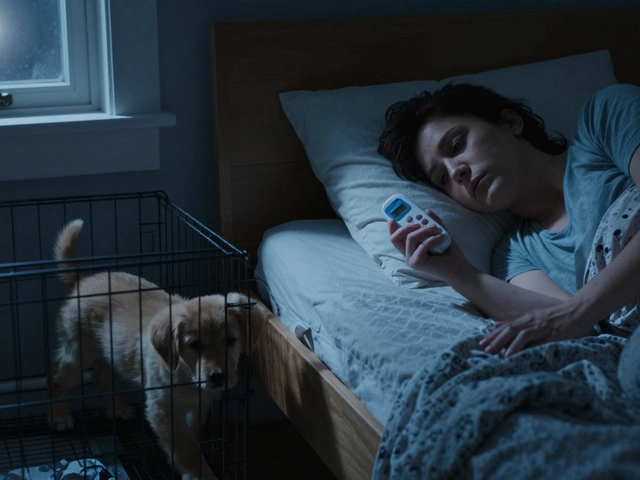
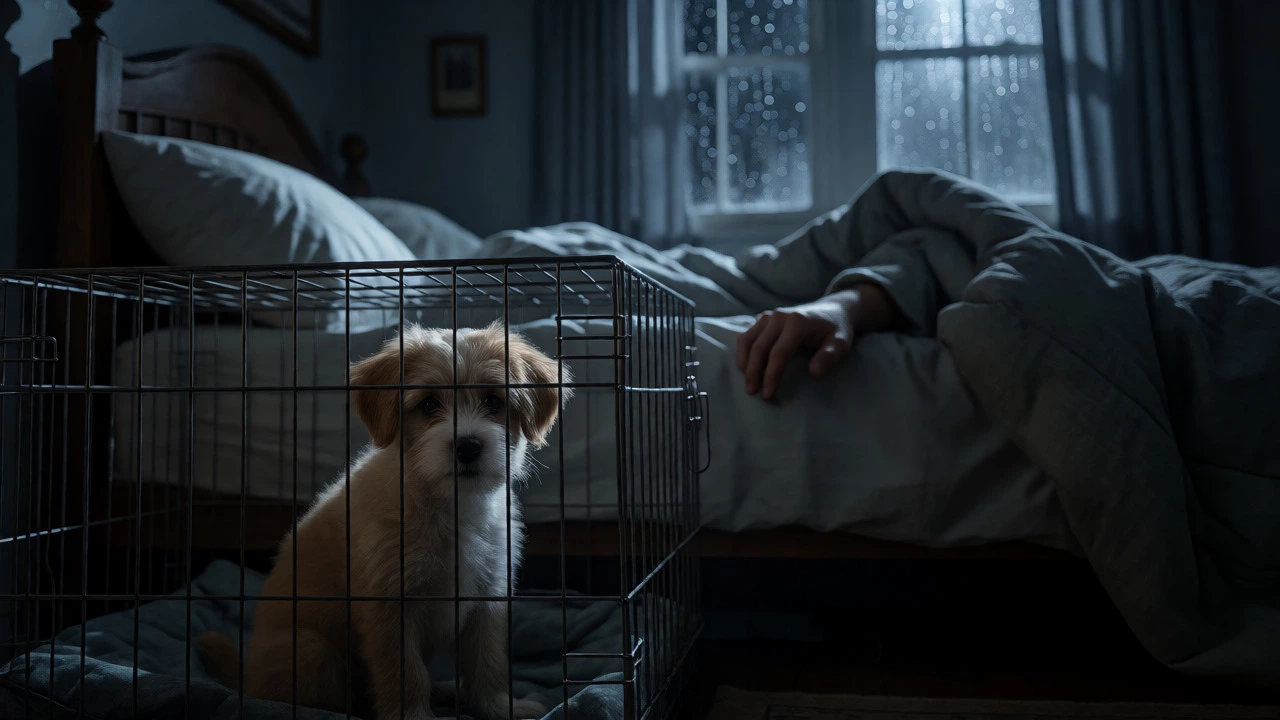
You’re dead asleep. It’s 3:00 AM. The rain is hammering against the window in Bristol, and your new puppy is letting out a high-pitched squeak from its crate. Your first instinct might be to hit snooze. Your second instinct-the guilty one-is to drag yourself out of bed because you’re terrified of waking up to a puddle on your expensive rug. So, should you wake them? The short answer is yes, but with caveats. If you skip this step early on, you aren’t just risking a mess; you’re potentially undermining weeks of hard work.
The Bladder Math: Why Age Matters More Than Time
Here is the cold, hard truth about canine physiology: puppies have tiny bladders. That’s it. There’s no complex behavioral trickery here, just biology. A general rule of thumb used by vets and trainers alike is that a puppy can hold their urine for one hour for every month of age, plus one. So, an eight-week-old (two-month-old) puppy can physically hold it for roughly three hours. An four-month-old can manage five hours.
If you are sleeping through the night with a young pup, you are asking them to break a physical limit. When they can’t hold it anymore, they will pee. And if they pee in their crate or right outside it, they learn that their "den" space isn't sacred. Dogs naturally avoid soiling where they sleep, but when the biological urge overrides that instinct, accidents happen. Waking them up prevents this negative association from forming.
| Puppy Age | Max Hold Time (Approx.) | Nighttime Needs |
|---|---|---|
| 8-10 Weeks | 2-3 Hours | Wake once or twice |
| 3 Months | 4 Hours | Wake once (approx. 3-4 AM) |
| 4 Months | 5 Hours | Might sleep through, but risky |
| 6 Months+ | 7+ Hours | Usually sleep through |
The Golden Rule: Keep It Boring
This is where most owners get it wrong. They wake the puppy, take them outside, and then start playing. Or worse, they cuddle them back into bed. To a puppy, you’ve just taught them that waking up at night equals attention and fun. You want to teach them that waking up at night equals business only.
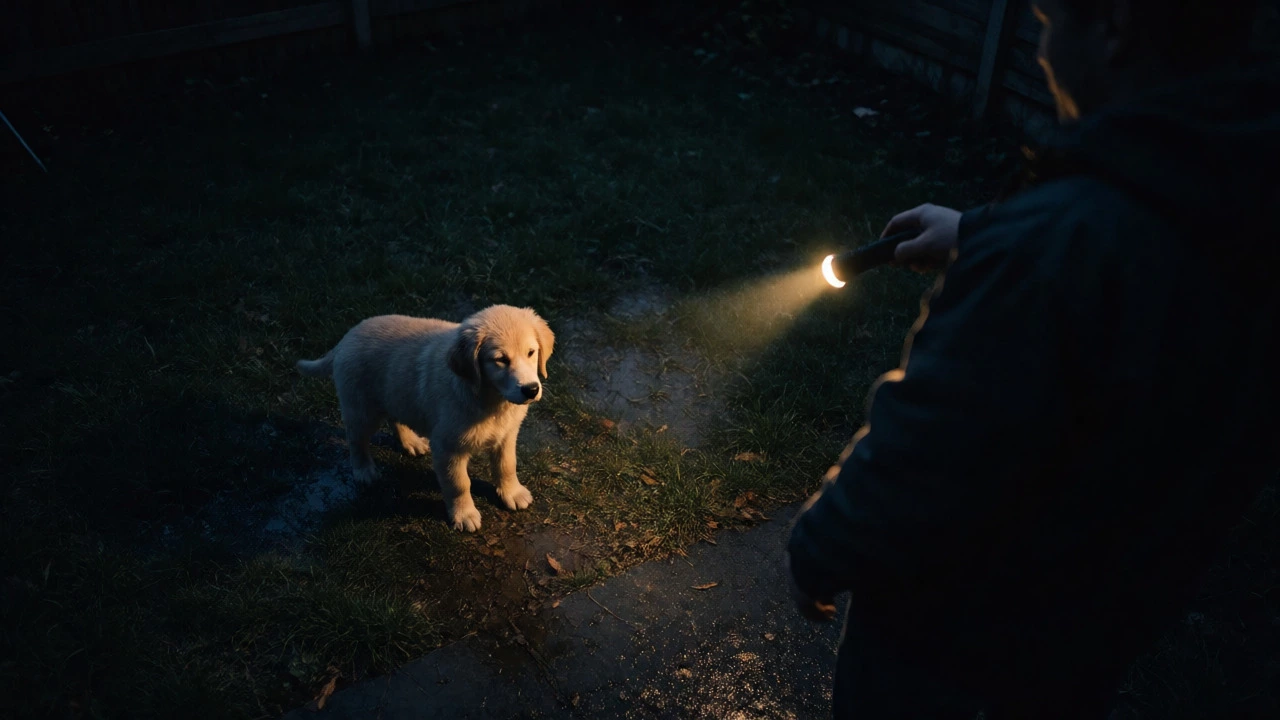
When you set that alarm for 3:00 AM, do not turn on the main lights. Do not speak in a cheerful voice. Use a dim torch or leave the hallway light off. Carry the puppy directly to their designated toilet spot. Wait quietly. As soon as they go, give a calm, low-key praise like "Good potty," and immediately carry them back to their crate. No play. No snuggles. This reinforces the idea that the outside world at night is strictly for relieving themselves, not for socializing.
Transitioning Away From Night Wakings
You don’t want to be setting alarms forever. The goal is to phase out these nighttime trips gradually. Once your puppy has been accident-free for about two weeks, you can start shifting the timing. Instead of waking them exactly at 3:00 AM, try waiting until 3:15 AM. Then 3:30 AM. This pushes their internal clock later without shocking their system.
Watch for signs they are ready to drop the alarm entirely. Are they sleeping soundly past their usual wake-up time? Are they showing no interest in going out when you do wake them? If you wake them and they sniff around but don’t go, wait ten minutes. If nothing happens, put them back to bed. If this happens consistently for a week, you can likely skip the alarm altogether. However, always keep a backup plan. If you skip the alarm and find a puddle in the morning, you went too fast. Reset and try again in a few days.
Common Pitfalls That Sabotage Success
It’s tempting to think you can train a puppy to "hold it" purely through willpower. But there are environmental factors that make this harder than it needs to be. One major culprit is water intake before bed. While hydration is crucial, giving a large bowl of water at 9:00 PM guarantees a trip to the garden at midnight. Try limiting water access two hours before bedtime, but ensure they have plenty during the day.
Another mistake is punishing accidents. If you wake up to a puddle, do not rub their nose in it. Do not yell. The puppy doesn’t understand the connection between the act (peeing hours ago) and your reaction now. Clean it up with an enzymatic cleaner to remove the scent completely, or they will return to that spot. Remember, accidents are data points, not failures. They tell you your current schedule isn’t working yet.
What About Older Puppies?
By six months, most healthy puppies can sleep through the night. If your six-month-old is still having frequent accidents, look beyond simple bladder capacity. Are they anxious? Separation anxiety can cause some dogs to urinate in distress. Is their diet causing digestive upset? Certain foods fill faster and create more waste. Check with your vet to rule out urinary tract infections or other medical issues, especially if the behavior changes suddenly after a period of success.
For breeds known for smaller bladders, like Chihuahuas or Toy Poodles, the timeline might extend slightly longer. Conversely, larger breeds often mature faster physically, though their sheer volume of urine means accidents are messier. Tailor your approach to your specific dog’s size and breed tendencies, but never ignore the basic biological limits of youth.
Creating a Sustainable Routine
Consistency is your best friend. Feed your puppy at the same times every day. Take them out at the same intervals. Predictability helps their body regulate its rhythms. If you feed them breakfast at 7:00 AM, they will likely need to go shortly after. If you feed them dinner at 6:00 PM, the last potty break should be right before bed.
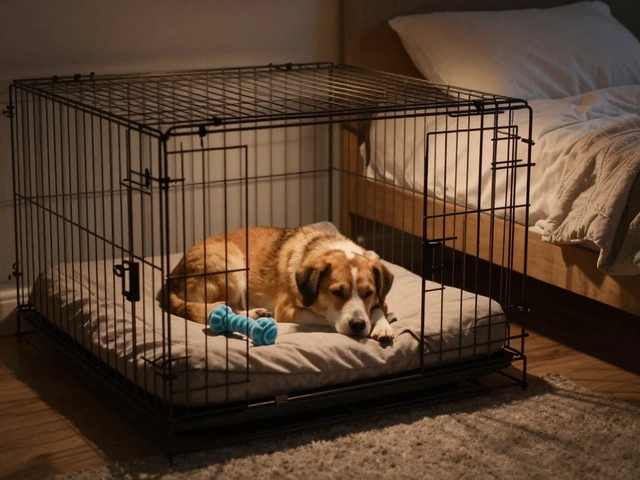
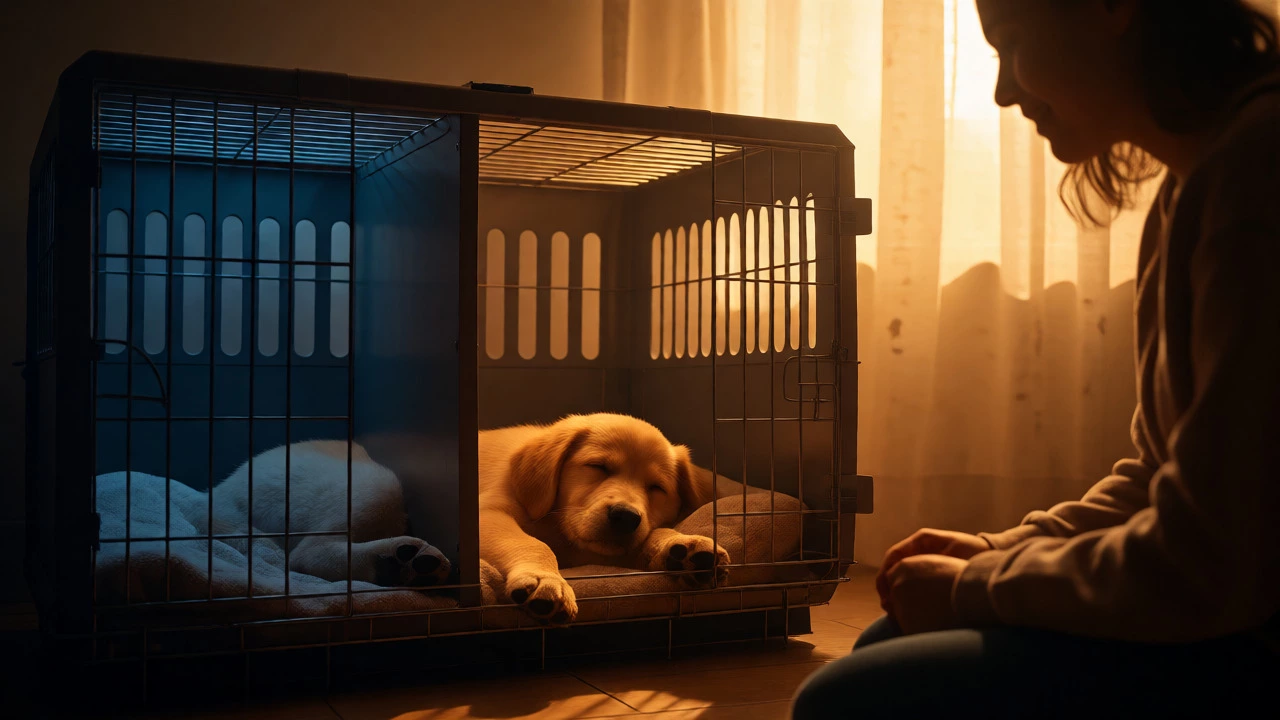
Consider using a crate that is appropriately sized. If the crate is too big, a puppy might pee in one corner and sleep in the other, defeating the purpose of den-training instincts. The crate should be just big enough for them to stand, turn around, and lie down comfortably. If you have a large-breed puppy, use a divider panel to shrink the space as they grow.
How many times a night should I wake my puppy?
For puppies under 12 weeks old, expect to wake them once or twice. For puppies aged 3 to 4 months, waking them once around 3:00 AM or 4:00 AM is usually sufficient. By 5 to 6 months, most puppies can sleep through the night without assistance.
Should I take my puppy out if they whine at night?
Not necessarily. Whining can indicate hunger, thirst, or anxiety, not just the need to pee. First, check if they actually need to go. If you take them out for non-elimination whining, you risk reinforcing the noise-making behavior. Only take them out if it aligns with their expected potty schedule or if you suspect an urgent need.
Will waking my puppy ruin their sleep cycle?
No, puppies sleep in cycles similar to humans. Brief, boring interruptions for potty breaks do not harm their development. In fact, preventing accidents reduces stress for both you and the puppy, leading to better rest overall once they are fully trained.
What if I miss the alarm and have an accident?
Don’t panic or punish the puppy. Clean the area thoroughly with an enzymatic cleaner to remove odors that attract re-soiling. Adjust your alarm earlier by 15-30 minutes for the next few nights to prevent recurrence. Consistency matters more than perfection.
Do all puppies need to be woken up at night?
Most young puppies do due to small bladder capacity. However, individual variation exists. Some puppies can hold it longer than average. Monitor your specific puppy’s habits and adjust the schedule based on their observed ability to hold urine overnight.