Dog Walking Business Profitability Estimator
Estimate your potential earnings based on the current market trends described in the article. Adjust variables to see how specialization and efficiency impact your bottom line.
Service Variables
Cost & Efficiency Variables
Gross Monthly Revenue
Net Monthly Profit
Effective Hourly Rate
Market Insight
Enter values above to generate specific advice based on 2026 industry trends.
You might think the dog walker is a relic of the pre-pandemic era, but that assumption could cost you money or leave your furry friend bored. The reality in 2026 is far more nuanced. While office returns have shifted schedules, the demand for professional dog walking services remains robust, driven by dual-income households and an aging population seeking assistance with high-energy breeds.
If you are considering starting a business or hiring someone, understanding the current market landscape is crucial. It’s not just about someone holding a leash; it’s about specialized care, trust, and convenience. Let’s break down who needs these services, why they pay for them, and how the industry has evolved.
Key Takeaways
- The market has shifted from casual neighborhood help to professionalized, insured services.
- Demand peaks in urban areas where apartment living limits exercise options.
- Pet owners now prioritize consistency and health monitoring over simple walks.
- Competition includes apps like Rover, but local trust still drives most hires.
- Niche specializations (puppies, seniors, reactive dogs) command higher rates.
The Shift from Casual to Professional Care
A decade ago, asking a neighbor’s kid to walk your dog was common. Today, that dynamic has changed. Owners treat their pets as family members, which raises the bar for service providers. You aren’t just selling time; you’re selling peace of mind. This shift means the pet care industry has professionalized significantly.
Why does this matter? Because generalists struggle while specialists thrive. A walker who can handle a fearful rescue dog or administer medication charges more than one who just walks a Golden Retriever. The demand isn’t disappearing; it’s becoming more selective. Owners want proof of certification, insurance, and experience. If you’re entering this field, generic advertising won’t cut it anymore. You need to demonstrate specific competencies.
Who Actually Hires Dog Walkers Now?
It’s easy to assume only busy executives hire walkers. In reality, the customer base is diverse. Understanding these segments helps you target your marketing or decide if hiring is worth it.
| Customer Segment | Primary Motivation | Frequency of Service | Price Sensitivity |
|---|---|---|---|
| Dual-Income Urban Families | Lack of time during work hours | Daily or multiple times weekly | Moderate |
| Remote Workers | Focused work blocks without interruption | Occasional or emergency | High |
| Elderly Pet Owners | Physical limitations or safety concerns | Daily | Low |
| Traveling Professionals | Need for reliable coverage during trips | Sporadic bursts | Low |
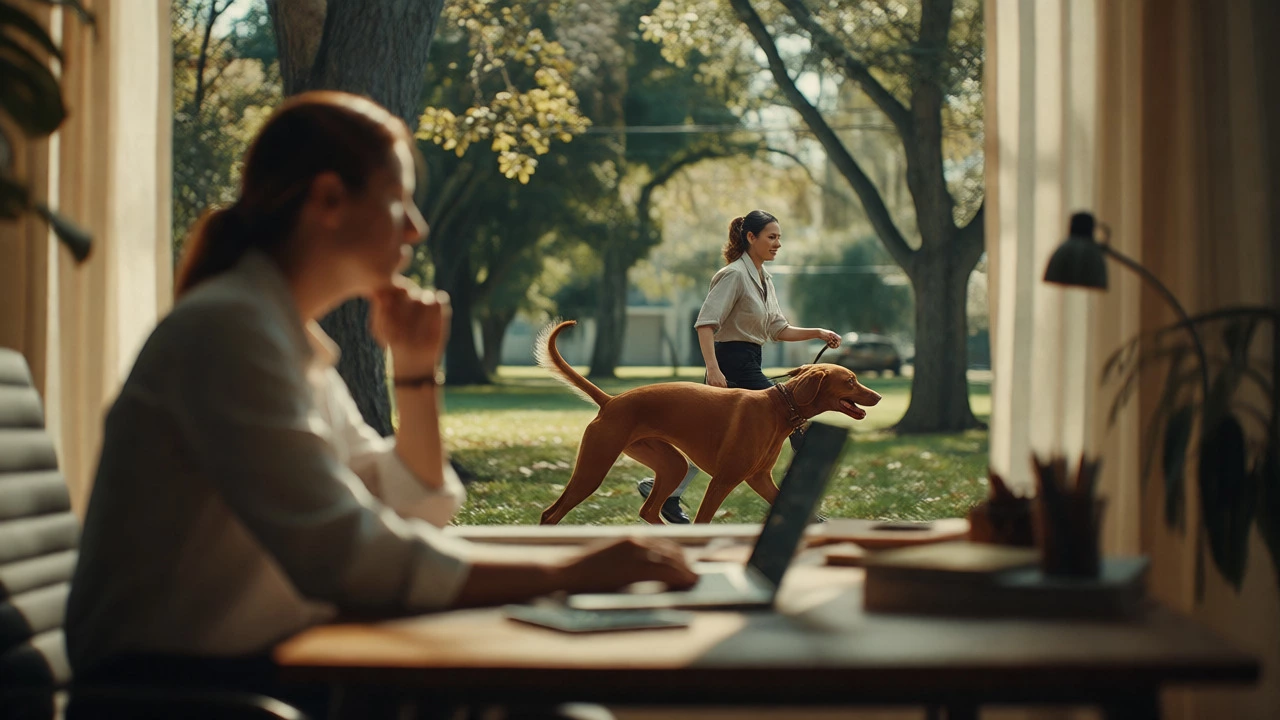
Notice the pattern? Convenience and physical capability drive most purchases. Remote workers, often thought to be self-sufficient, actually hire walkers to protect deep-work sessions. They don’t want to break flow to let the dog out. Meanwhile, elderly owners represent a growing demographic as the population ages. They value trust above all else, often sticking with one provider for years.
Geographic Hotspots for High Demand
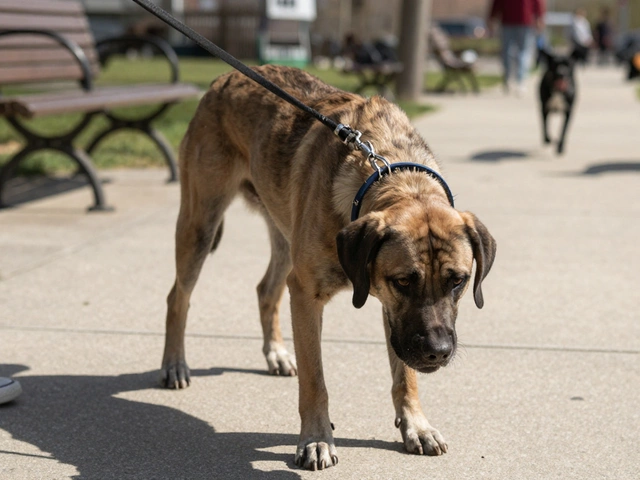
Location dictates opportunity. Rural areas rarely sustain full-time walkers because neighbors help each other informally. The sweet spot is dense urban environments with high disposable income and limited outdoor space.
Cities like New York, London, and San Francisco show consistent demand. Why? Apartment dwellers cannot rely on a backyard. Dogs need structured exercise to prevent behavioral issues. Without a yard, a walker becomes essential infrastructure, much like a daycare for kids. Suburban areas offer moderate demand, often tied to weekend activities or vacations. If you live in a suburb with large yards, you might find fewer clients, but those you do get may require overnight stays or complex logistics.
Impact of Technology and Apps
You might wonder if apps like Rover or Wag! killed independent walkers. Surprisingly, no. These platforms increased awareness and normalized paying for pet care. However, they also created a race to the bottom on price for basic services.
Independent walkers compete by offering what apps cannot: consistency and personal connection. An app sends whoever is available. An independent walker knows your dog’s quirks, favorite treats, and vet contact info. Many users try apps first, then switch to independents when they realize the lack of continuity frustrates their pets. Tech facilitates discovery, but human relationships retain customers. Don’t fear the apps; use them to understand pricing benchmarks, then build a brand based on reliability.
Pricing Trends and Income Potential
What can you expect to earn or pay? Rates vary wildly by region. In major metropolitan areas, a standard 30-minute walk ranges from $25 to $45. Smaller towns see $15 to $25. But here’s the catch: volume matters more than rate.
A walker handling five dogs per day at $30 makes $150 daily. That sounds good until you factor in travel time between houses. Efficiency is key. Group walks increase income but reduce individual attention. Solo walks command premium prices but limit capacity. Most successful walkers balance both. They offer solo walks for anxious dogs and group hikes for social ones. This hybrid model maximizes revenue while catering to different owner preferences.
Specialization Drives Value
Generalist walkers face stiff competition. Specialists enjoy loyal followings. Consider these niches:
- Puppy Training: Combining walks with basic obedience commands.
- Senior Dog Care: Slow-paced walks with mobility assistance.
- Reactive Dog Handling: Managing aggression or anxiety in public spaces.
- Fitness Walking: Running with high-energy breeds like Huskies or Vizslas.
Owners pay premiums for expertise. If you can calm a terrified rescue dog, you become irreplaceable. This specialization reduces churn. Clients won’t risk switching to a cheaper option if their dog’s behavior depends on your specific approach. Identify your strength and market it aggressively.
Challenges Facing the Industry
It’s not all sunshine and wagging tails. Burnout is real. Walking in rain, snow, or heat takes a toll. Liability fears keep some walkers up at night. What if a dog gets bitten? What if a client claims damage?
Insurance is non-negotiable. General liability policies cover accidents. Pet-specific insurers offer better terms. Always document interactions. Photos, GPS tracks, and notes create a paper trail. Transparency builds trust. When disputes arise, data wins arguments. Also, seasonality affects demand. Summer vacations boost bookings, while winter slumps require creative promotions. Plan your finances accordingly.
Future Outlook for 2027 and Beyond
Will AI replace dog walkers? Unlikely. Robots can dispense food, but they can’t read a dog’s body language. The emotional bond between walker and pet adds value machines can’t replicate. As pet ownership continues to rise globally, the need for human care grows.
Trends point toward holistic wellness. Owners want walkers who notice changes in appetite or gait. They view walkers as partners in healthcare. This evolution favors observant, communicative professionals. The future belongs to those who combine physical care with emotional intelligence.
Is dog walking a profitable business in 2026?
Yes, particularly in urban areas. Profitability depends on route efficiency and client retention rather than just hourly rates. Independent walkers with strong reputations often outearn platform-based competitors due to lower fees and higher loyalty.
Do people still hire dog walkers if they work from home?
Absolutely. Many remote workers hire walkers to maintain focus during meetings or deep work sessions. They prefer having a professional handle exercise so they can remain productive without interruptions.
How much should I charge for dog walking?
Rates typically range from $15 to $45 per 30-minute walk depending on location and service type. Solo walks command higher prices than group walks. Specialized services like puppy training or senior care can justify premium pricing.
Are apps like Rover replacing independent dog walkers?
No, they coexist. Apps help with initial discovery and occasional needs, but many owners transition to independent walkers for consistency and personalized care. Trust and relationship building favor independents over time.
What certifications help increase demand for my services?
Certifications in canine CPR, First Aid, and positive reinforcement training significantly boost credibility. Insurance coverage is also expected by modern clients. Displaying these credentials prominently attracts higher-paying, conscientious pet owners.